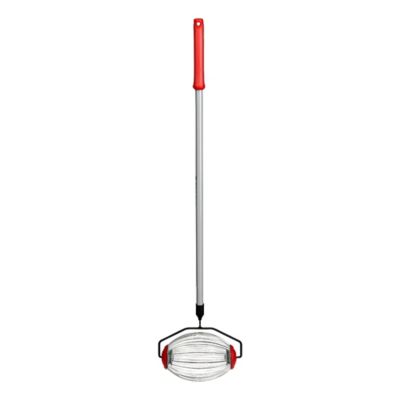
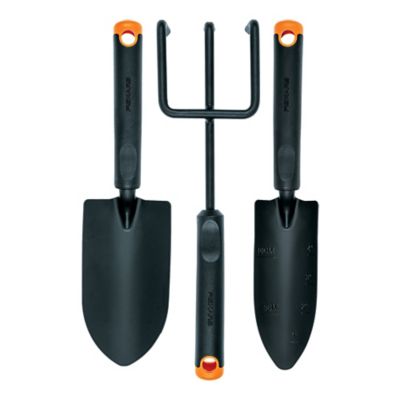
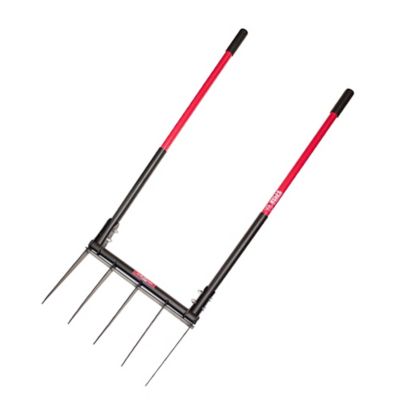
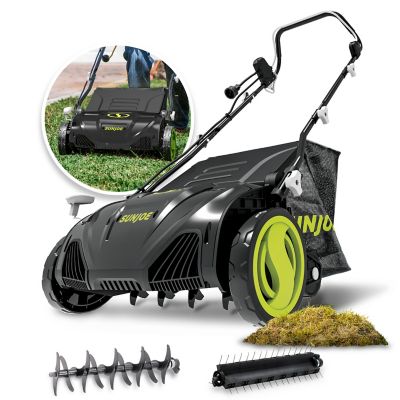
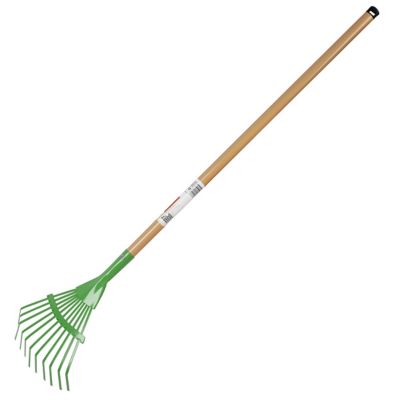
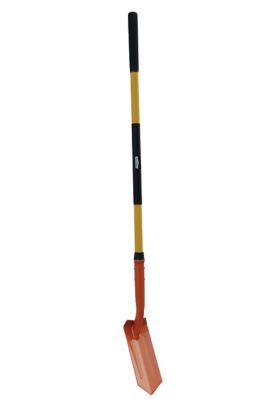
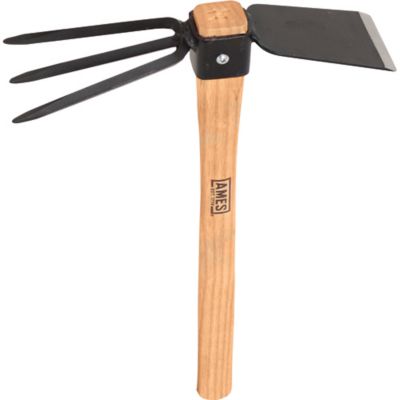
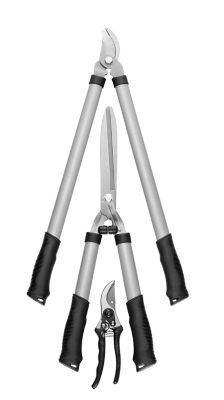
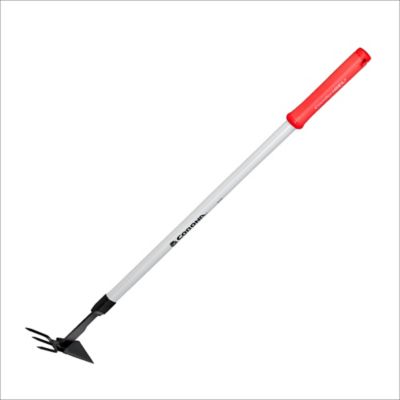
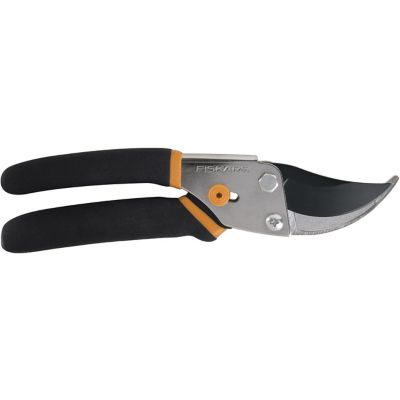
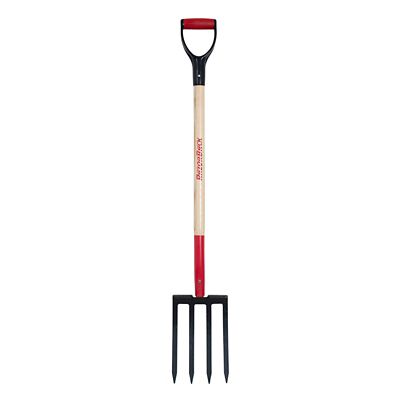
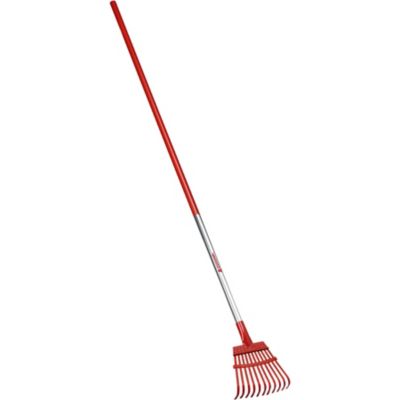
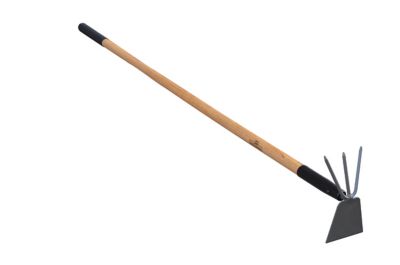
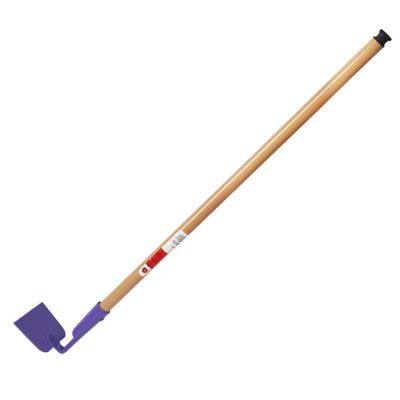
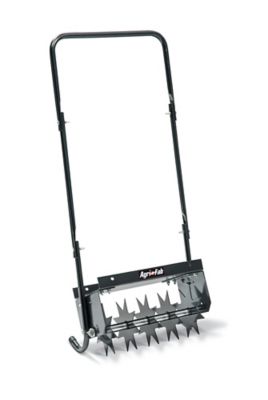
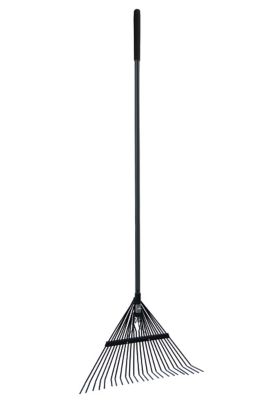
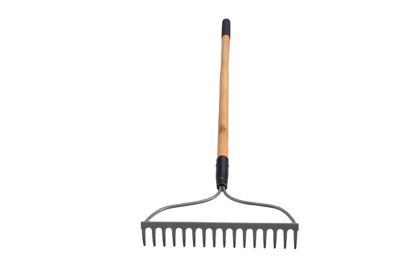
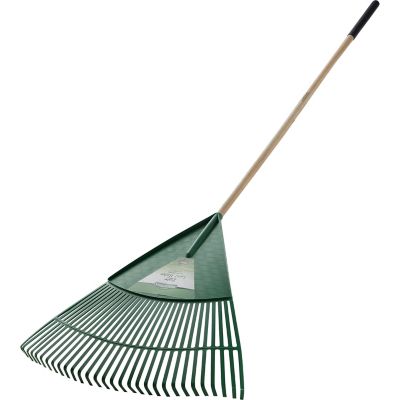
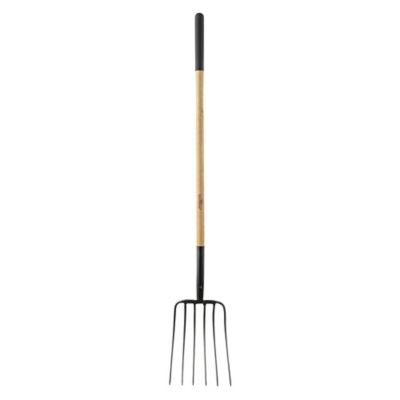
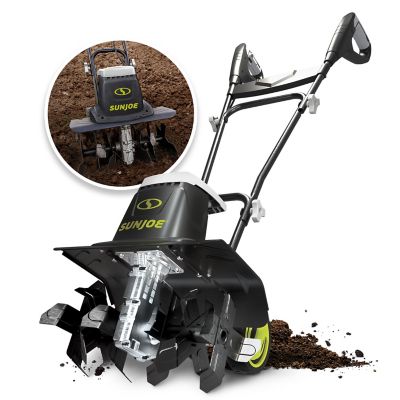
Gardening and lawn tools support four main jobs around a property: preparing soil, managing weeds, pruning plants, and keeping grassy areas tidy. The right mix depends on the ground, the size of the space, and how much work happens by hand. A few planting beds beside the house call for a different setup than long vegetable rows, a roomy lawn, or a fence line that needs regular attention. Hand tools offer close control around tender roots and tightly spaced plants, while long-handled tools provide reach and leverage across larger areas. Digging tools help open planting holes and move soil; cultivating tools break up the surface and work between rows; cutting tools shape growth and remove unwanted stems. Raking and edging tools handle the finishing work, from gathering loose debris to defining the line between grass and a walkway. Each task puts different demands on the working end. A narrow profile can reach between plants without disturbing as much surrounding soil, while a broader head covers open ground with fewer passes. Firm soil may call for a pointed digging edge and a sturdy foot platform, whereas loose material is easier to move with a wider scoop. For weeding, shallow blades suit surface growth, while deeper-reaching designs help loosen established roots. Pruning equipment should match the type and thickness of growth, since small stems and woody branches require different cutting capacity. Lawn maintenance brings another set of needs, including access around trees, along garden borders, and through gates. A tool that moves easily through those spaces can be more practical than one sized only for the widest stretch of yard. Whether the work involves tending a kitchen garden, maintaining a homestead, or keeping the path to the barn clear, task-matched gardening and lawn tools help make everyday upkeep more manageable without turning every small chore into a big production.
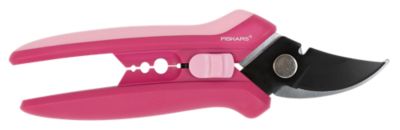
Materials, construction, and fit make a noticeable difference once the work gets going. Steel working heads offer strength for digging, scraping, and levering soil, while stainless steel can provide added resistance to rust. Aluminum keeps weight down for lighter lifting and gathering tasks, though the right material still depends on how much force the job requires. Protective finishes can help shield metal surfaces, but wear along cutting edges and contact points is part of regular work. The connection between the head and handle deserves attention, too: a solid attachment helps the tool feel steady when it meets resistance. Wood handles offer a familiar feel and can need occasional surface care; fiberglass and metal handles have their own weight, grip, and maintenance considerations. Handle length matters just as much as material. A longer shaft can reduce reaching toward the ground, but extra length is not always helpful in a raised bed or a tight corner beside a fence. Shorter handles allow close work near plants, while extended handles offer reach across beds and beneath shrubs. Grip shape and thickness should suit the person doing the work, including the extra room taken up by gardening gloves. Cushioned or textured grips may make repeated motions more comfortable, especially when lifting, pulling, or squeezing for a while. Balance matters beyond the number on a weight label: a heavy working head can feel quite different from weight spread along the handle. For cutting tools, the opening span and handle movement should allow comfortable control without forcing the hand into an awkward stretch. Gardeners with limited grip strength may appreciate mechanisms that reduce squeezing effort, although the overall size and motion still need to fit. These details matter for anyone spending an afternoon along a garden row, as well as someone stepping outside for a quick round of tidying after chores.
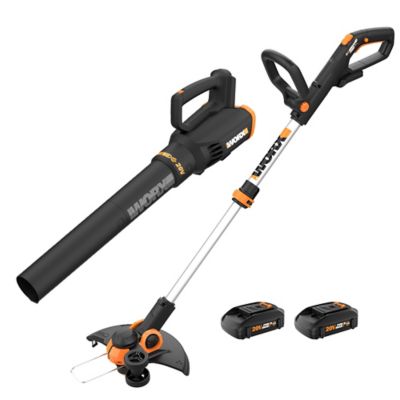
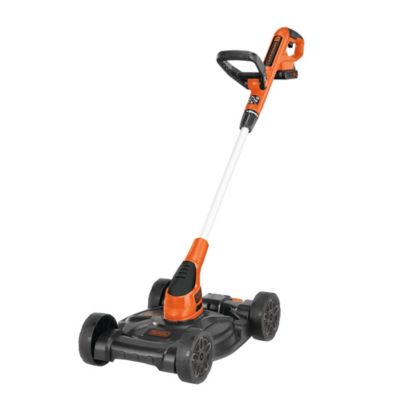
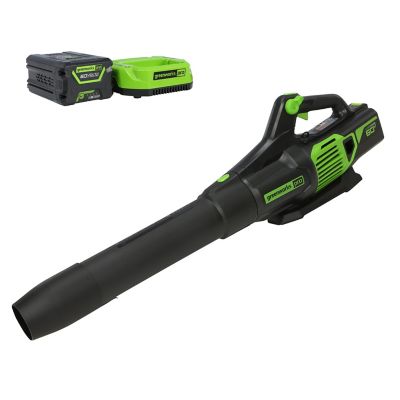
For larger lawns and longer property edges, powered lawn tools can handle repetitive cutting and trimming while hand tools take care of close-in work. Choosing between manual, corded, battery-powered, and gas-powered equipment involves more than the size of the yard. Access to electricity, the distance from the shed, storage space, and the expected length of each job all play a part. Corded equipment needs a suitable power source and a clear plan for cord placement. Battery-powered equipment offers movement without a trailing cord, with operating time and charging needs varying by model and workload. Gas-powered equipment brings fuel handling and engine maintenance into the picture. Across these categories, weight, balance, controls, and access through gates deserve as much consideration as cutting width or reach. Care and storage also affect how well gardening and lawn tools hold up over time. Soil left packed around joints can interfere with movement, and plant residue on cutting surfaces can make the next job harder. Cleaning, drying, and storing tools off the ground helps protect working parts, while sharpening and lubrication should follow the equipment maker’s directions. Blades, fasteners, cords, guards, and handles all benefit from routine inspection, particularly before demanding work. A designated spot in the shed keeps sharp edges protected and makes the next tool easier to find without rummaging through a crowded corner. For a broader look at equipment that supports planting and everyday yard care, explore
Garden Tools and Supplies. Gardening tools can also make practical gifts for a new homeowner, an experienced vegetable grower, or a family member who enjoys keeping the grounds neat. A good match reflects the recipient’s space, strength, interests, and existing equipment rather than simply adding more to the shed. From a small patch near the porch to a property with plenty of ground to cover, well-matched tools earn their keep through comfortable handling, sensible upkeep, and a clear purpose for the work at hand.