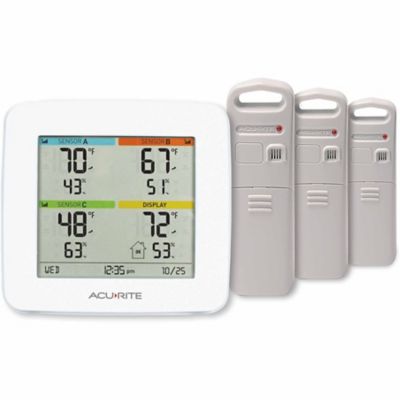
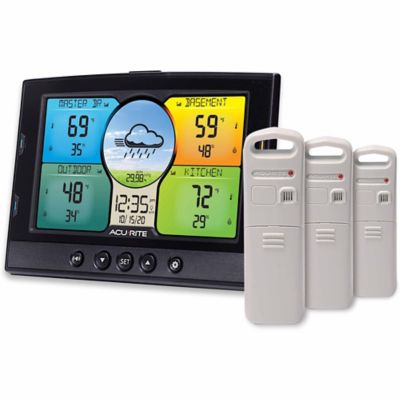
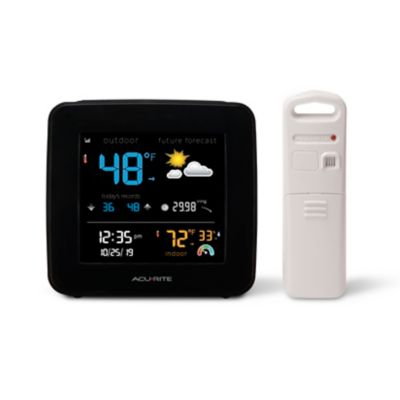
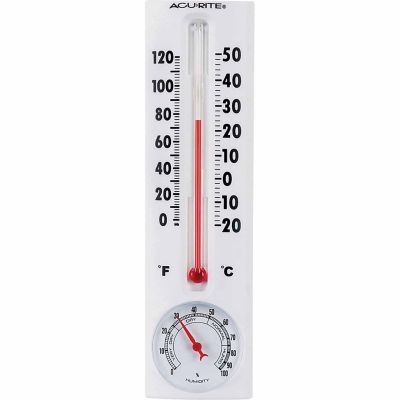
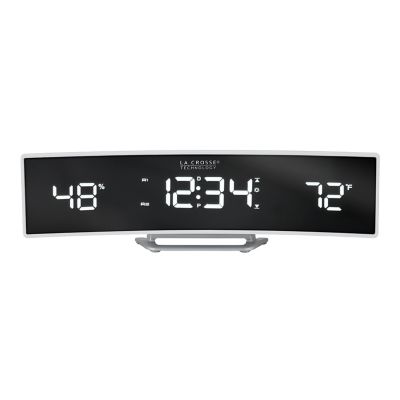
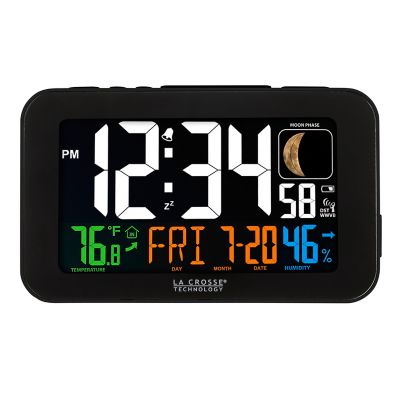
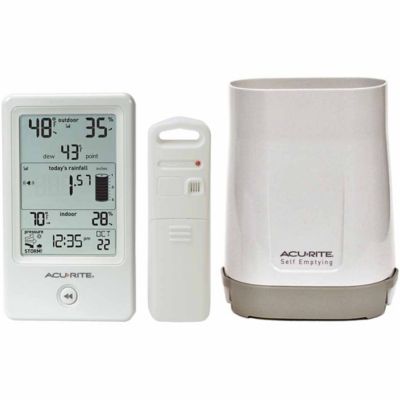
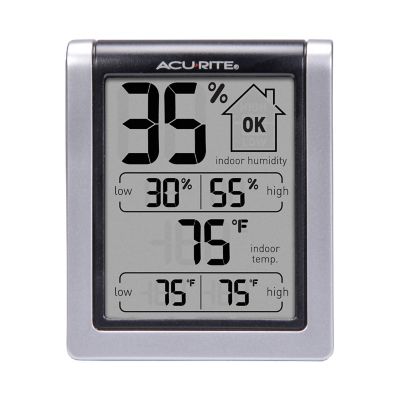
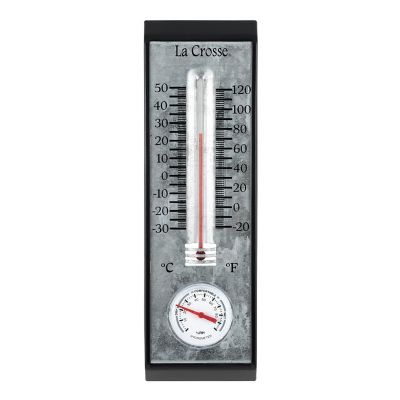
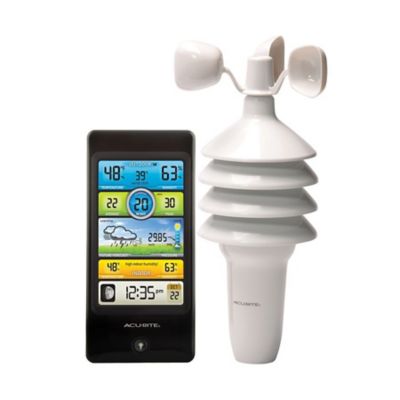
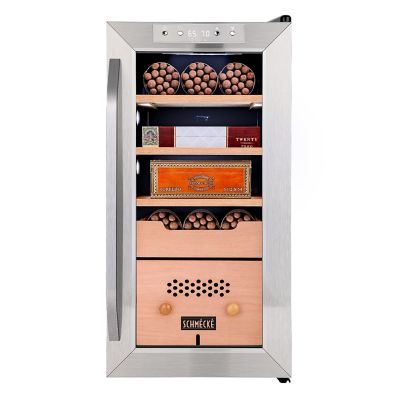
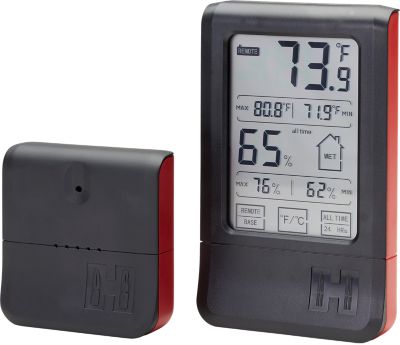
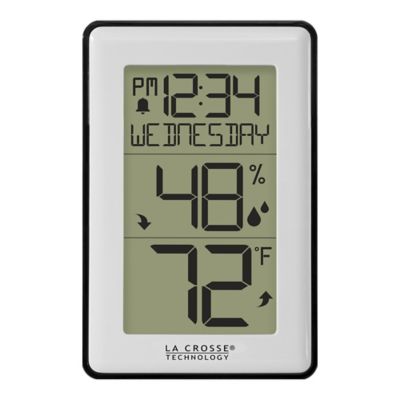
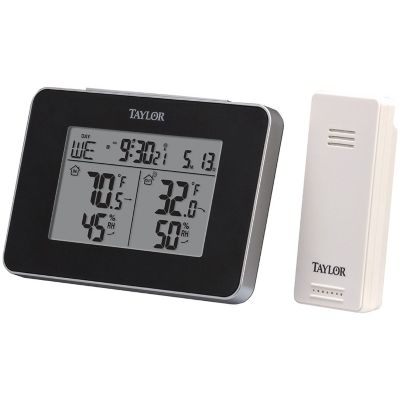
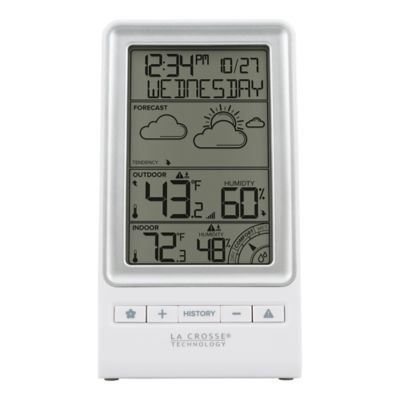
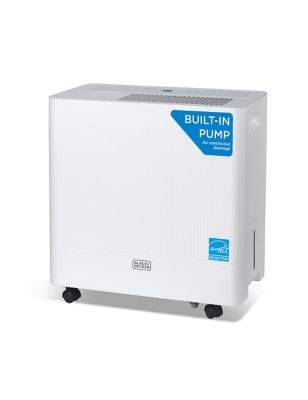
A humidity gauge for home gives you a quick look at the amount of moisture floating in the air, right alongside the room temperature. That small bit of information can make a noticeable difference in how a house feels and how it holds up through changing weather. Indoor air that is too dry may leave your skin, nose, and throat feeling parched, while excess moisture can make a room feel muggy and create conditions where musty odors, mildew, and condensation become more likely. A home humidity meter, also called a hygrometer, helps you keep an eye on those changes without guessing. Many households aim for an indoor relative humidity reading around 30% to 50%, though the best range can vary with the home, outdoor conditions, heating and cooling equipment, and the needs of the people and animals inside. A gauge can be useful in bedrooms, living areas, basements, laundry rooms, nurseries, workshops, greenhouses, and rooms where books, instruments, wood furnishings, or other moisture-sensitive items are kept. During the cooler months, indoor heat can dry the air until you notice static cling, cracked wood, or a scratchy throat. When the weather warms or rain settles in for several days, moisture can build up indoors and show itself as foggy windows, damp corners, or a heavy feeling in the air. Keeping a small monitor nearby gives you a simple way to spot those swings and decide whether to run a humidifier, use a dehumidifier, improve airflow, or check for a plumbing or ventilation concern.
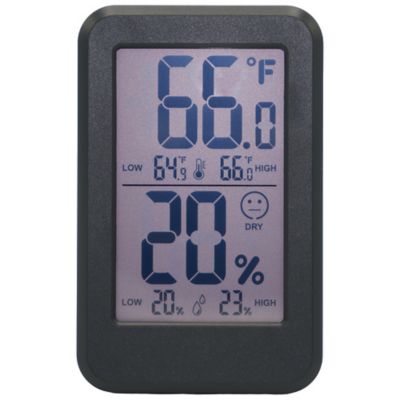
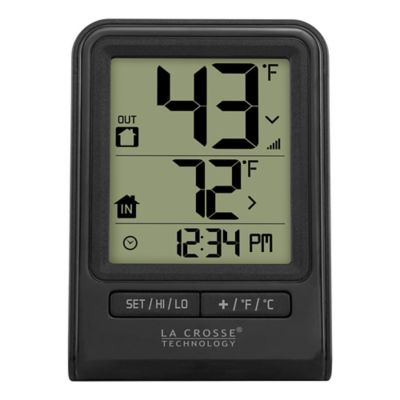
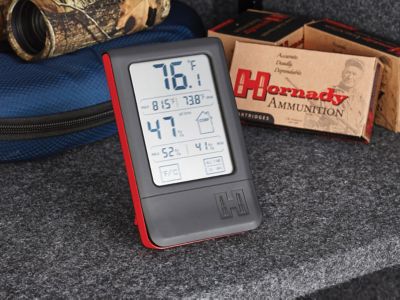
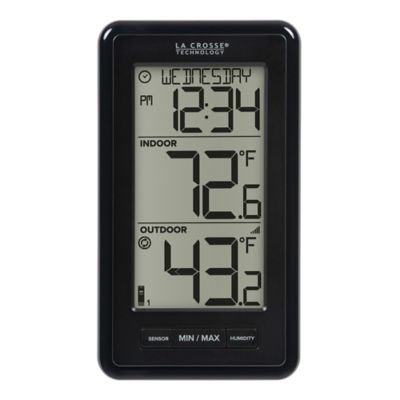
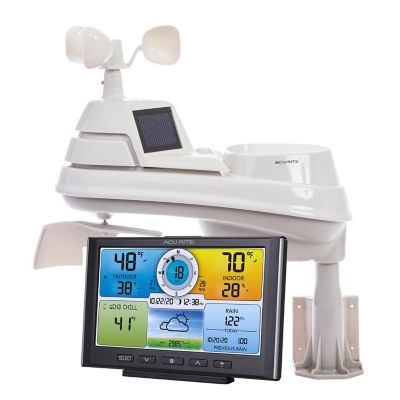
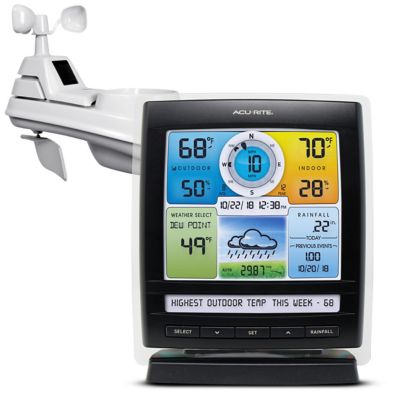
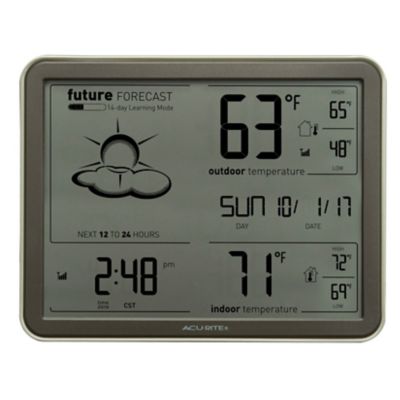
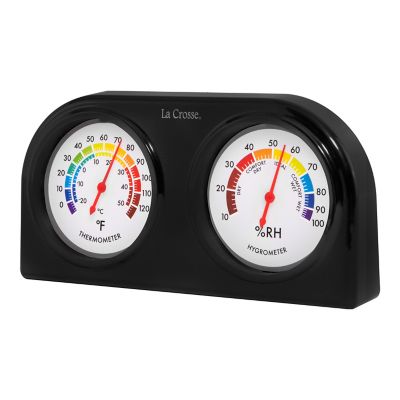
When shopping for a humidity gauge, start with how you plan to check the reading. A basic digital display is a practical choice for a nightstand, kitchen counter, nursery shelf, or office because the numbers are easy to see at a glance. Many compact models show both humidity and temperature, and some refresh the reading every few seconds so you can watch the number respond as a door opens, a shower runs, or a heating system kicks on. Comfort icons or simple labels can make the display easier for children and guests to understand, while a large screen may be more helpful for anyone who prefers bold, high-contrast numbers. If you want to learn more than the present reading, look for a monitor that records daily high and low humidity and temperature levels. Those stored readings can reveal patterns that are easy to miss, such as a basement that gets damp overnight or a bedroom that dries out after the furnace runs. Placement matters, too. Set the gauge away from direct sunlight, supply vents, radiators, woodstoves, open windows, and steamy appliances so the sensor can sample the room rather than one concentrated pocket of air. A shelf at about chest height often works well, and a magnetic back or wall-mount option can keep the monitor visible without taking up counter space. For larger homes, barns with finished rooms, or anyone who wants to watch conditions while away, a connected model with phone notifications and historical tracking may be worth considering. These features can send an alert when humidity rises or falls beyond a chosen range, which is especially helpful for a lower level, vacation property, nursery, plant room, or area holding materials that do not fare well in damp conditions. For guidance on equipment that helps manage indoor moisture, visit
Humidity Controllers.
A home humidity gauge can also make a thoughtful gift for a new homeowner, a renter settling into an older house, a parent preparing a nursery, or someone caring for houseplants and indoor animals. It is a small, useful item that fits in a stocking, a housewarming basket, or a package for a college student moving into a chilly apartment. A gardener may place one near seed-starting trays or tender plants, while a woodworker, musician, or collector may appreciate a quick way to keep tabs on the room where lumber, instruments, paper, or other materials are stored. Pet owners can place a monitor near a sleeping area to keep an eye on the conditions their animals experience, while anyone with allergies or sensitivity to dry air may find the readings helpful when adjusting the home environment. If you are comparing several options, consider how many rooms you want to monitor, whether you prefer a simple screen or phone alerts, how often you want to review past readings, and where the gauge will sit or hang. A single unit may be enough for a small apartment, but a multi-room home can benefit from separate monitors in the main living area, bedroom, basement, or other spaces with different airflow. It is also wise to compare screen size, battery style, mounting choices, refresh speed, temperature display, high-and-low memory, and the cost of replacing batteries over time. Readings are most useful when checked regularly and compared with what you see and feel around the house. A number that rises after cooking may be normal, while a steady climb in a basement or closet deserves a closer look at drainage, ventilation, or leaks. With a humidity gauge in the right spot, you can build a clearer picture of your indoor air and make everyday adjustments that help the home feel more comfortable through both dry heating weather and damp stretches.