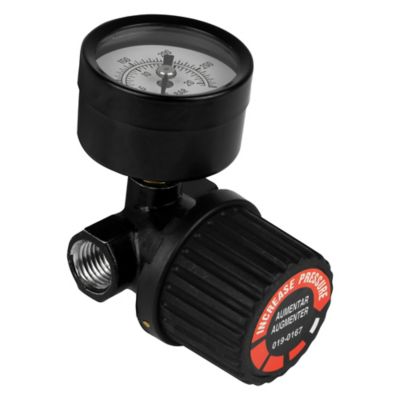
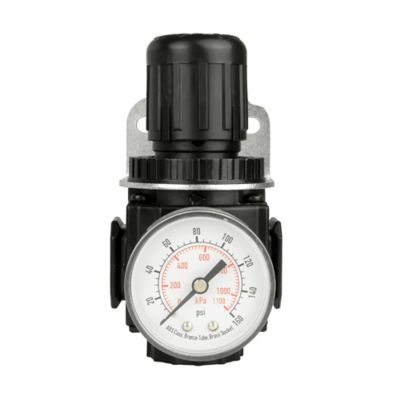
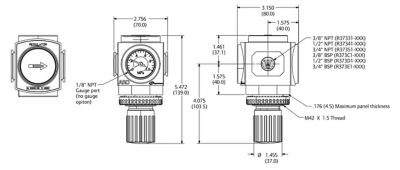
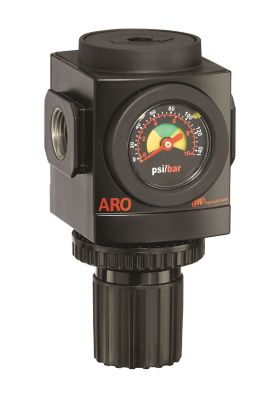
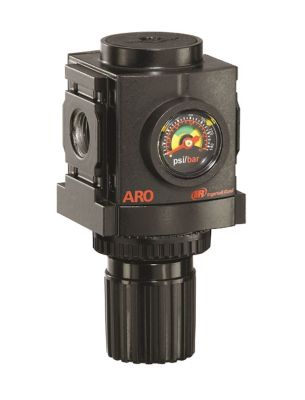
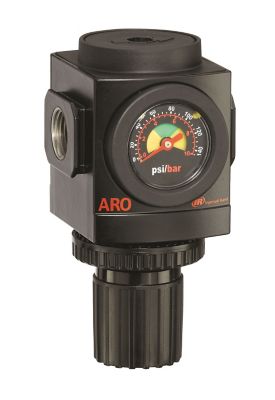
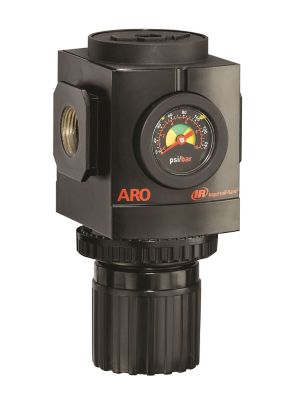
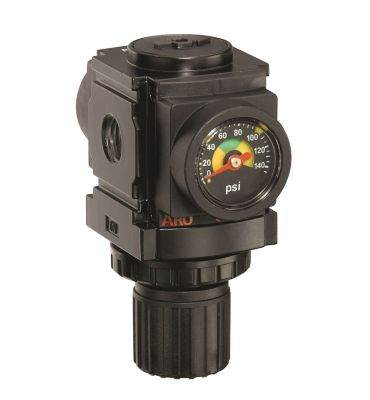
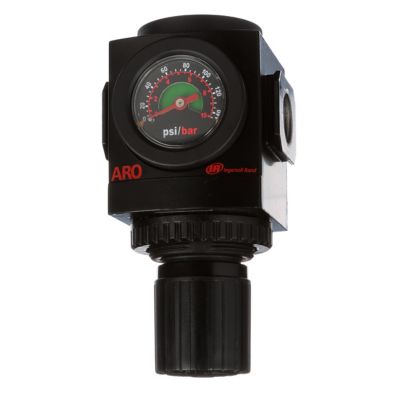
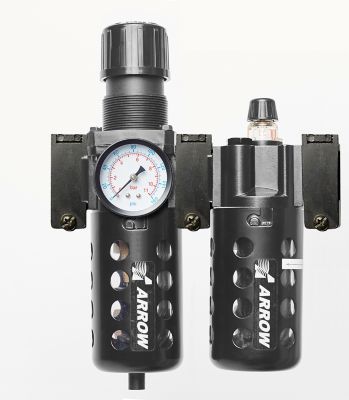
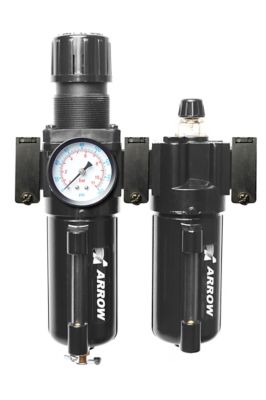
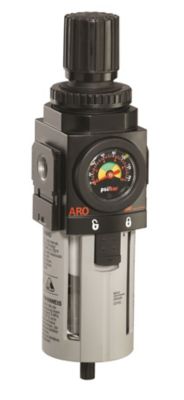
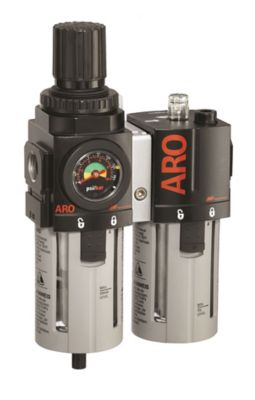
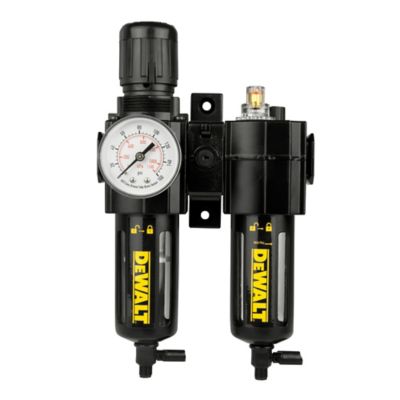
Air regulators with gauge give you a simple way to control the pressure moving from your air compressor to a tool, hose, or piece of equipment while keeping an eye on the reading as you work. The regulator reduces the compressor’s higher tank pressure to a steady downstream pressure that suits the job, and the gauge lets you check that setting at a glance. That control can make a noticeable difference in a farm shop, garage, barn, or maintenance area. A nailer may need a different pressure than a blow gun, tire inflator, paint sprayer, impact wrench, or pneumatic grinder, and running every tool at the same pressure can lead to poor results or unnecessary wear. When you’re comparing air regulators with gauge, start by checking the pressure requirements for the equipment you plan to run, along with your compressor’s maximum PSI and air delivery, often listed in SCFM or CFM. The regulator should be rated to handle the pressure supplied by the compressor, while its adjustable outlet range should cover the working pressure your tools require. Many common shop regulators adjust through a range such as 0 to 125 PSI or 0 to 150 PSI, with some built for higher-pressure applications. A clear, easy-to-read gauge is especially handy when you’re wearing gloves, working in a dim corner of the shop, or making quick adjustments between tasks. Look for a sturdy adjustment knob, and consider a locking knob if the regulator will be mounted where it could be bumped by a hose, tool, or passing equipment. Locking the setting helps keep pressure from drifting while you’re fastening boards, filling tires, cleaning machinery, or handling other jobs around the place.
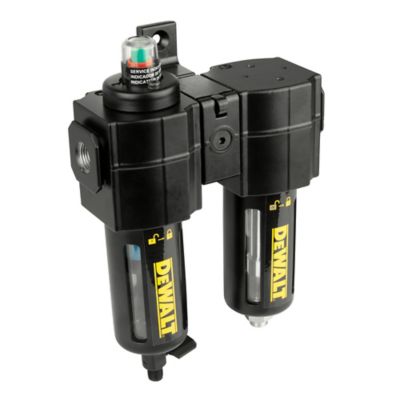
Port size and thread type matter just as much as pressure range. Common sizes for smaller shop and DIY air lines include 1/4-inch and 3/8-inch NPT, while larger systems may use 1/2-inch or larger connections to support higher airflow. Match the regulator’s inlet and outlet connections to your existing hose, fittings, and couplers, or plan on using the proper adapters rather than forcing mismatched threads together. The inlet and outlet may be the same size, but that is not always the case, so check both before adding a regulator to your setup. Flow capacity is another useful detail. A light-duty regulator can work well for a brad nailer, small inflator, or occasional blow-off work, while a high-flow model is better suited to air-hungry tools that run for longer stretches. Keep in mind that a regulator’s pressure rating and its airflow capacity are separate specifications; a unit that can handle a high PSI reading may not deliver enough volume for a large impact wrench or continuous-use tool. For cleaner, more dependable air, many people install a regulator as part of a filter-regulator combination, sometimes called an FRL setup. The filter helps catch moisture and debris before they reach the tool, while the regulator manages outlet pressure. This can be useful in the cooler months, when condensation in an air tank or long hose may become more noticeable, and in any shop where a compressor sees regular use. Relieving regulators can vent excess downstream pressure when you lower the setting, which helps bring the outlet pressure down more quickly. Non-relieving designs do not vent that trapped air in the same way, so the right choice depends on your equipment and how you use the system. Before installation, shut off the compressor, drain the tank, and release pressure from the line. Use fittings and thread sealant suited to compressed-air service, keep the gauge visible, and follow the regulator’s instructions. A secure mount and a clean, protected location can help prevent damage from vibration, dirt, livestock, or the everyday shuffle of a busy work area.
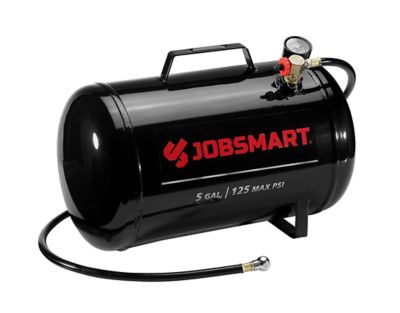
Air regulators with gauge are useful for homeowners, farmers, ranchers, mechanics, contractors, and anyone who keeps a compressor close at hand. They can be added to a portable compressor for jobs around the property or installed at a fixed shop outlet where different tools are used throughout the day. A tire inflator benefits from a controlled, readable pressure setting when you’re topping off a pickup, trailer, ATV, mower, or tractor tire. A pneumatic nailer works more consistently when the pressure is adjusted to the fastener and material instead of simply receiving the compressor’s full output. For cleaning, a regulator can help you use enough air to clear dust and grass clippings without blasting delicate parts or driving debris into seals and bearings. If you use a paint sprayer, check its recommended pressure and airflow carefully, since too much pressure can create overspray while too little may affect the finish. These regulators also make practical gifts for someone setting up a first workshop, maintaining equipment on a small farm, or adding pneumatic tools to a home garage. They are compact, useful, and easy to appreciate once a person has watched a tool perform more smoothly with the pressure dialed in properly. For more ways to match a regulator to your compressed-air setup, explore
Air Compressor Regulators. Before choosing, compare the connection size, pressure range, gauge scale, airflow rating, regulator style, and available space for installation. It also helps to think about the job that comes up most often, not only the largest tool in the toolbox. A well-matched regulator keeps pressure steadier, protects sensitive equipment, and gives you better control from the compressor tank to the working end of the hose. With the right fit and a little routine care—draining moisture, checking fittings for leaks, and keeping the gauge protected—you’ll have a dependable piece of shop equipment ready for chores during the cooler months and all year around.