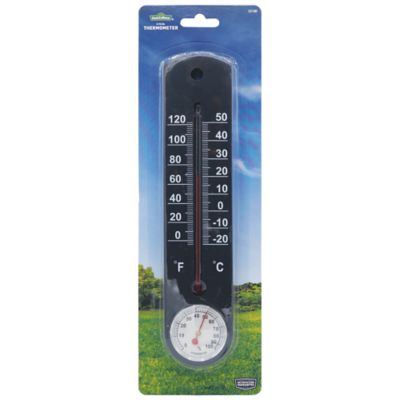
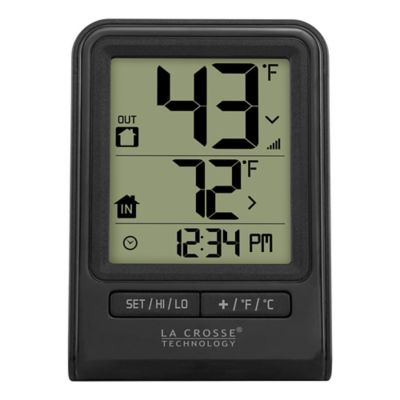
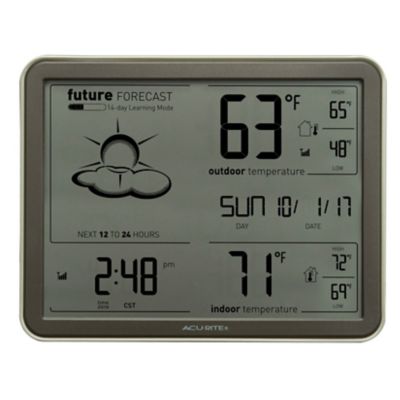
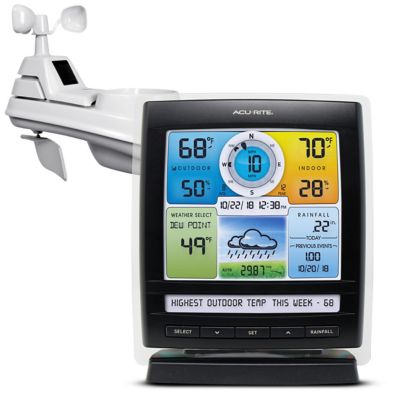
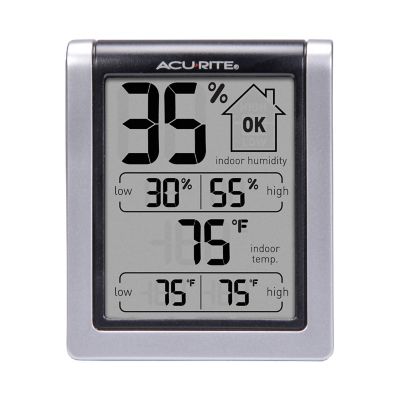
An outdoor humidity gauge, also called a hygrometer or humidity meter, helps you keep an eye on the moisture in the air around your home, barn, shed, greenhouse, patio, or garden. Humidity is easy to overlook because it cannot be seen the way rain or frost can, but it affects comfort, plant health, stored feed, firewood, tools, hay, and many everyday chores. A gauge can show relative humidity, usually written as RH, along with outdoor temperature so you can get a clearer picture of changing conditions. A dry afternoon may be comfortable for working in the yard, while a damp evening can leave tools prone to rust and make a greenhouse feel much warmer than the thermometer alone suggests. Gardeners may use humidity readings to help manage ventilation and watering, while poultry keepers, hobby farmers, and greenhouse growers can watch for conditions that are too damp or too dry for their plants and animals. A gauge near a porch or back door can also give a quick look at the air before you head out to mow, haul feed, split wood, or work on a fencing project. For more ways to compare moisture-reading equipment and related supplies, visit
Humidity Measurement Tools.
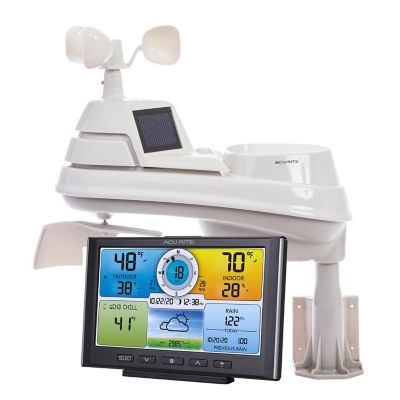
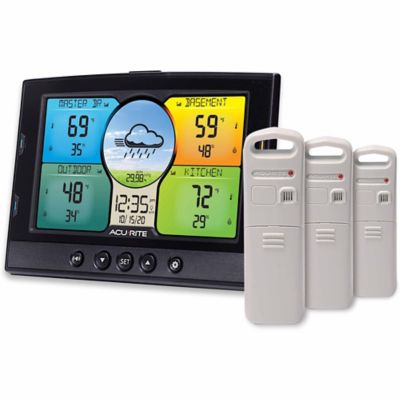
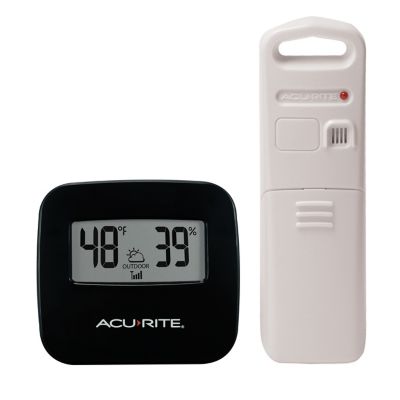
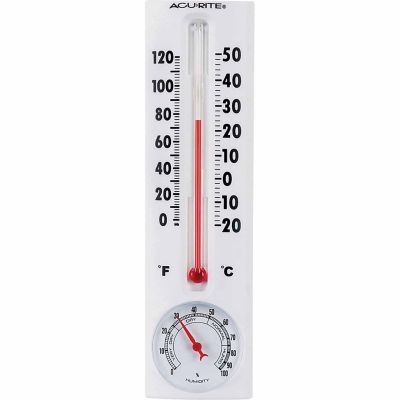
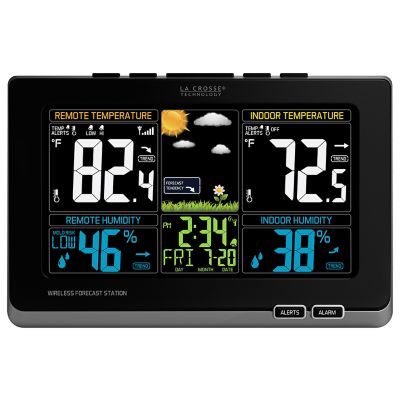
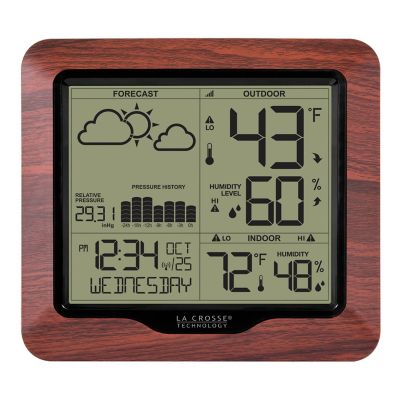
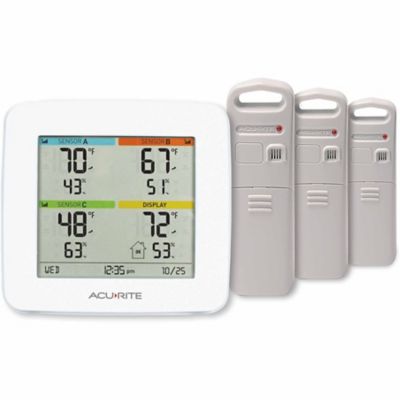
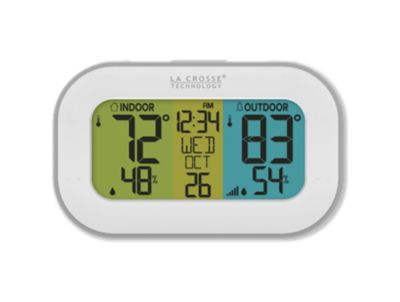
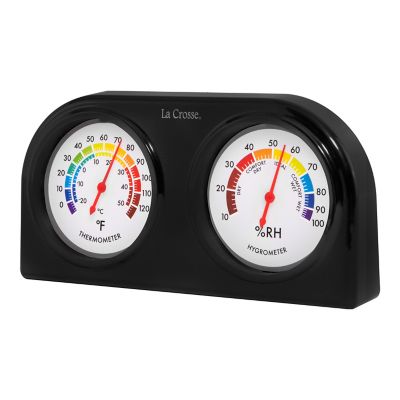
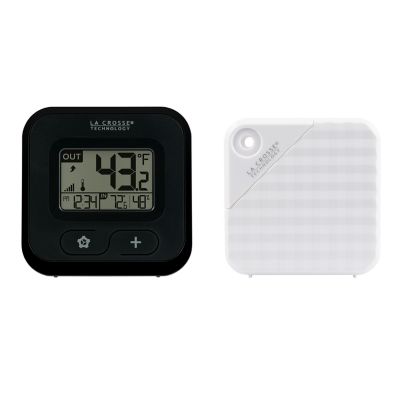
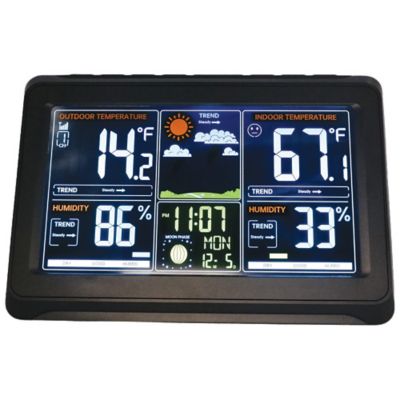
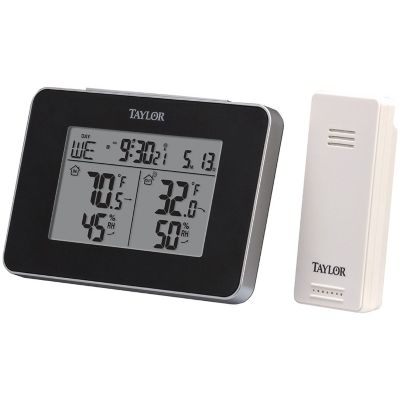
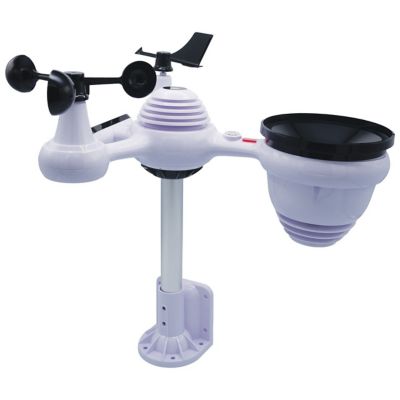
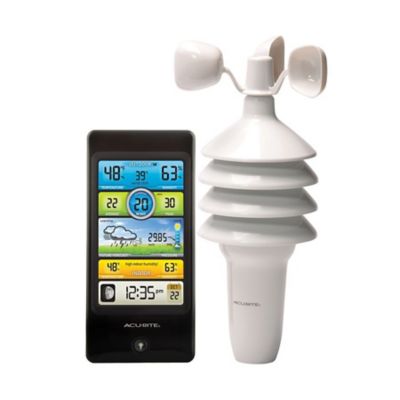
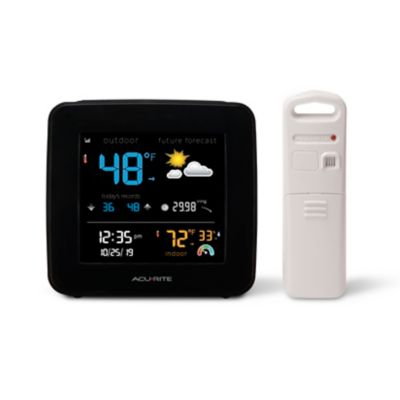
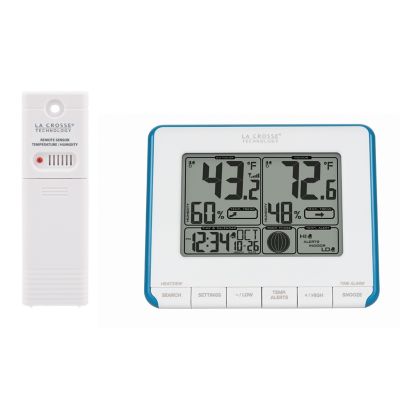
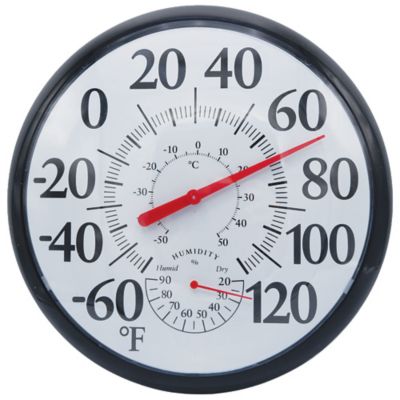
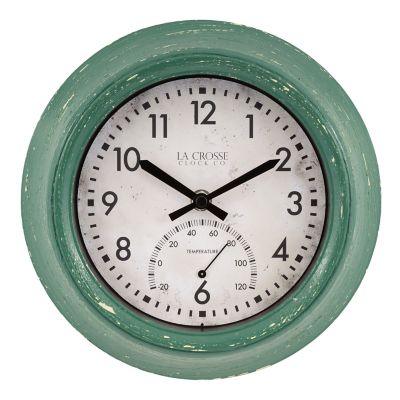
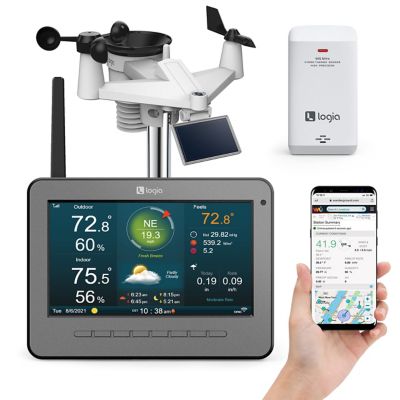
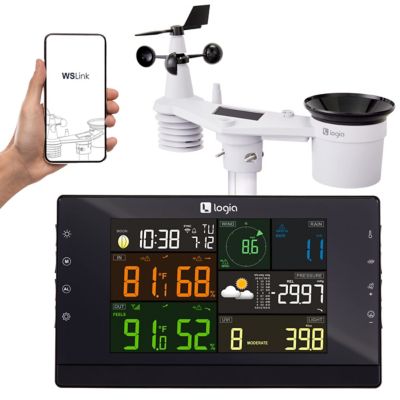
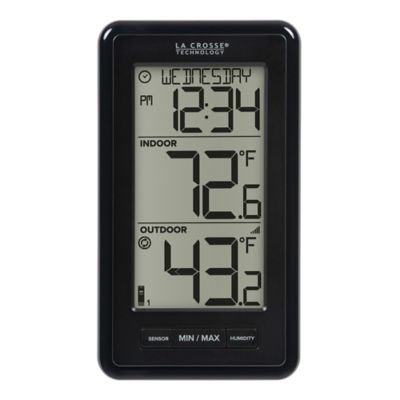
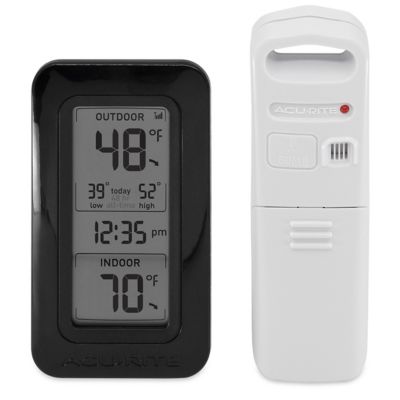
Outdoor humidity gauges come in a few basic styles, and the right choice depends on where you want to read the information and how much detail you need. Analog gauges use a mechanical dial and are handy for a porch, greenhouse wall, garden shed, or covered patio where you can check them at a glance. They generally do not need batteries, though they show conditions only at the spot where they are mounted and may not provide recorded highs, lows, or alerts. Wireless digital systems use a remote sensor outdoors and send temperature and humidity readings to an indoor display. This setup is convenient when the sensor is mounted near a barn, garden, kennel, or outbuilding and you would rather not walk outside every time a storm rolls in. Many wireless systems offer a transmission range of roughly 200 to 500 feet, but walls, metal siding, trees, and uneven ground can reduce that distance, so measure the space between the sensor and display before buying. Smart or Bluetooth-connected sensors can send readings to a phone or tablet, and some work with a Wi-Fi hub for viewing data from farther away. These choices are useful for people who like to track conditions while traveling, monitor a greenhouse from the house, or keep an eye on a remote section of property. Think about display size, readability, mounting options, battery life, and whether you prefer a simple dial, a dedicated screen, or app-based information. During warmer weather, a shaded sensor location can give a more useful reading than one sitting in direct afternoon sun, while a spot protected from roof runoff and sprinkler spray helps keep measurements consistent.
Weather resistance matters whenever a sensor will live outside. Look for a housing or protection rating suited to outdoor use, with ratings such as IPX4 through IP65 indicating increasing levels of protection from splashes, water, dust, and weather exposure. Even a water-resistant sensor should not be placed where rain pours directly onto it, where irrigation hits it, or where snow and ice can collect around the housing. Mounting it in a shaded, ventilated location several feet above the ground can help avoid readings that are skewed by hot pavement, wet soil, or reflected heat from a wall. If accuracy is important, look for a unit rated within about plus or minus 2% to 3% relative humidity, and remember that no sensor stays perfectly calibrated forever. A model with high and low readings or data logging can be especially useful for comparing overnight moisture, spotting damp spells, and making better decisions about ventilation, plant care, or storage. Cooler months bring their own concerns, including condensation in sheds, damp firewood, and changing conditions around livestock shelters, so a gauge can be useful well beyond the hottest part of the year. An outdoor humidity monitor also makes a practical gift for a gardener, new homeowner, greenhouse hobbyist, homesteader, or anyone who enjoys keeping a close watch on the weather around their property. Whether the goal is a quick glance from the kitchen, a dependable reading by the potting bench, or a longer record of conditions across the yard, choosing a gauge that fits the space, signal range, weather exposure, and level of detail you need can make everyday outdoor work a little more comfortable and better planned.