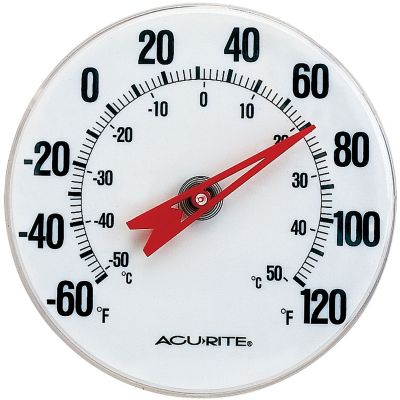
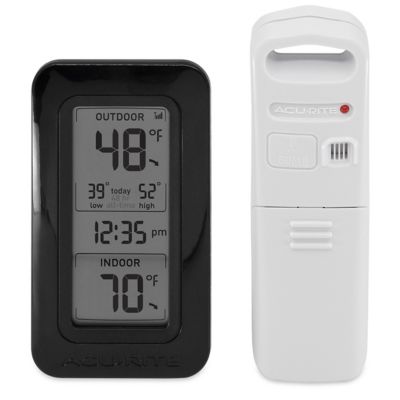
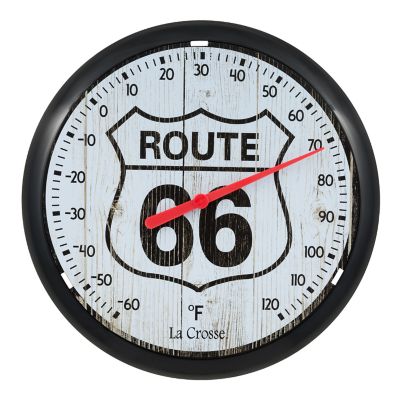
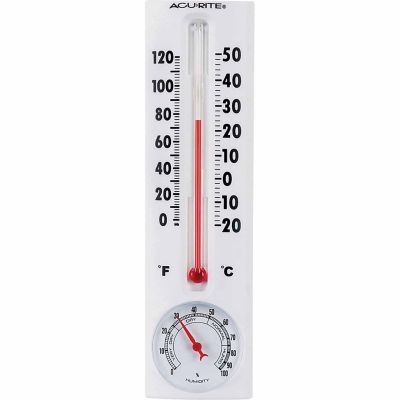
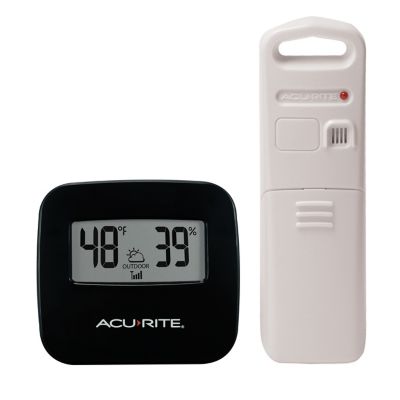
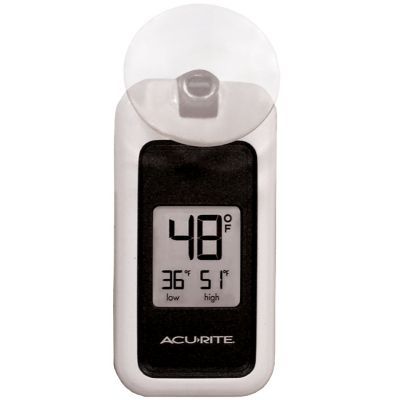
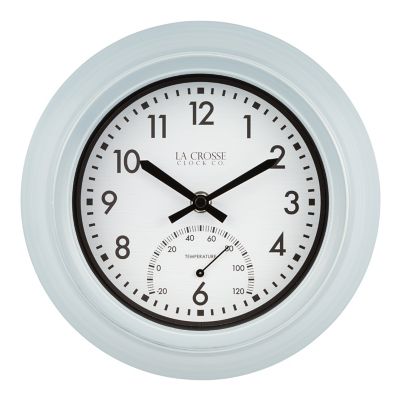
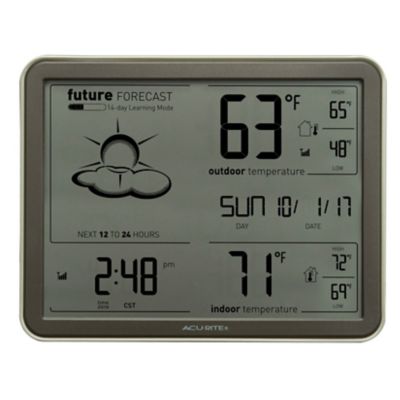
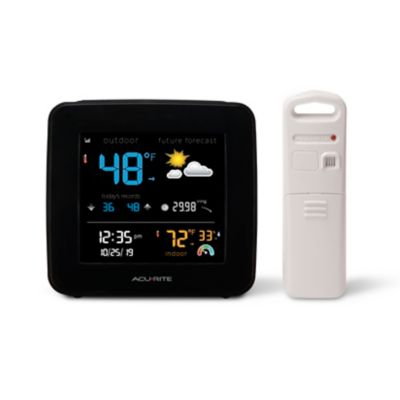
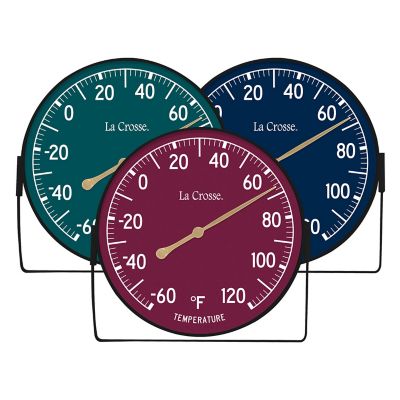
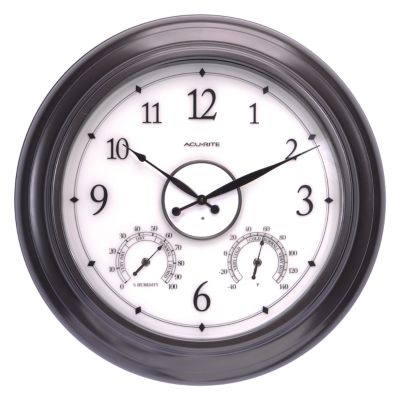
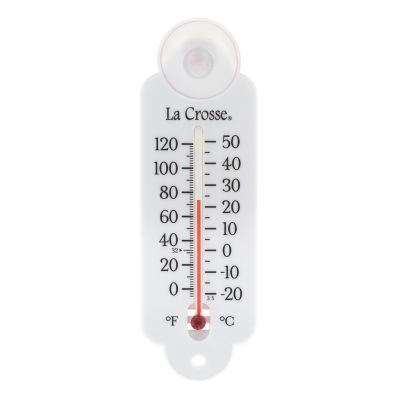
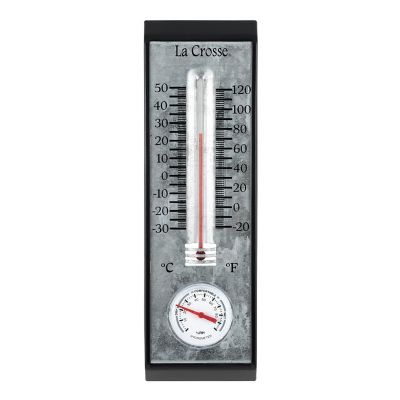
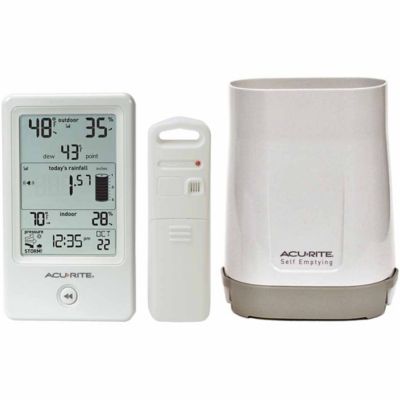
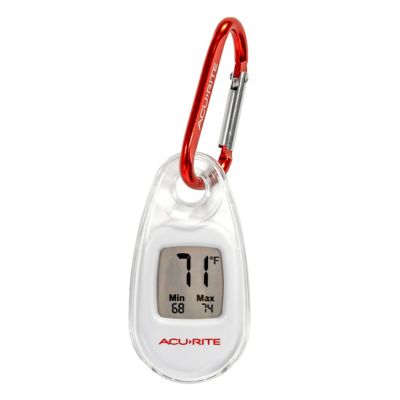
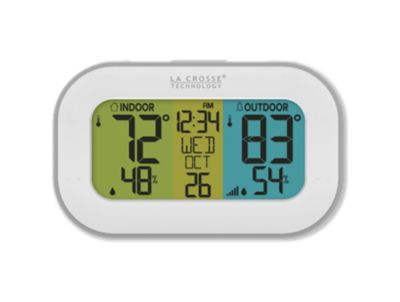
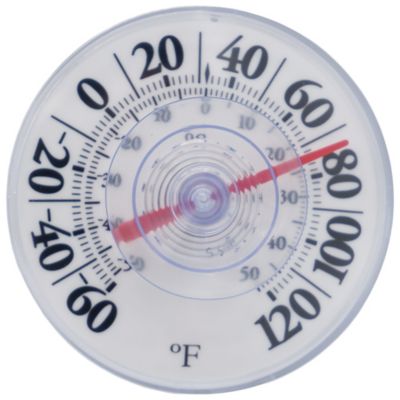
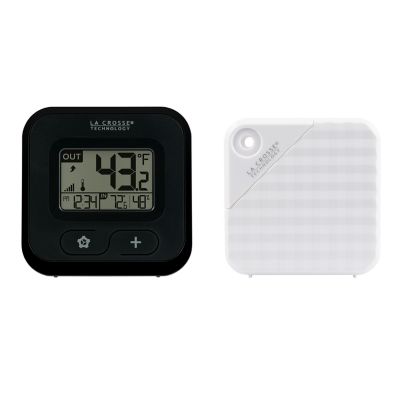
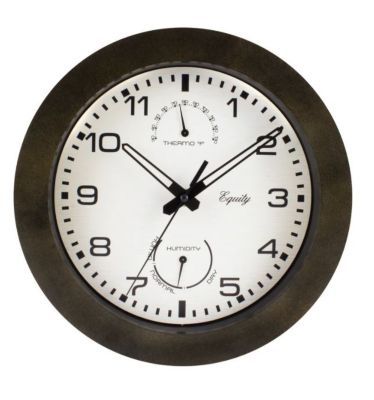
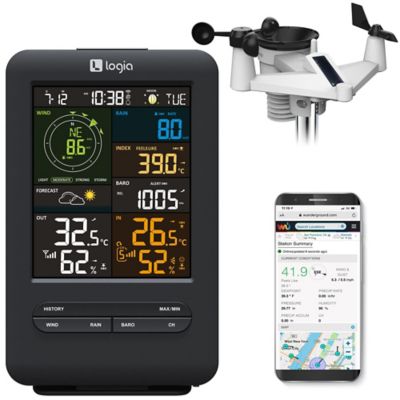
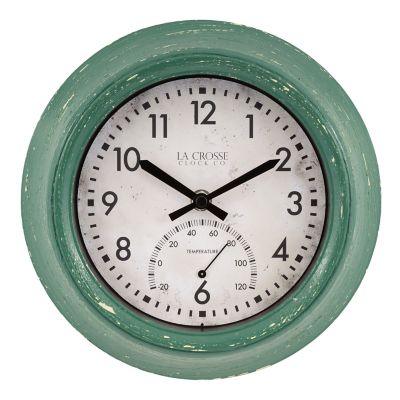
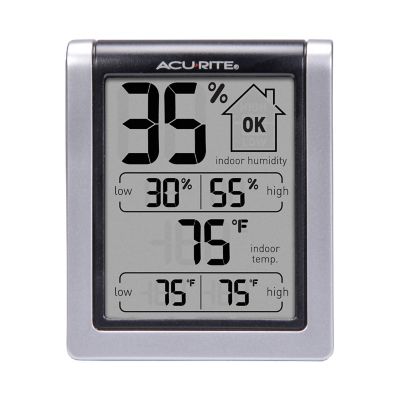
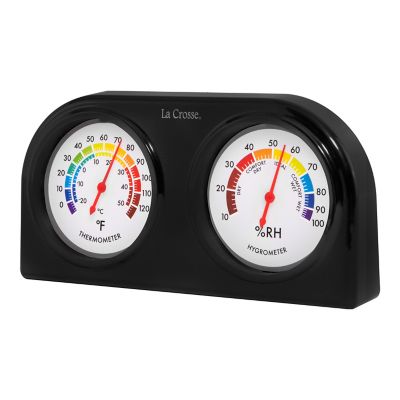
An outdoor thermometer measures the air temperature outside, giving you a local reading for the porch, yard, garden or barn area rather than a forecast from a weather station miles away. That difference matters on country properties, where a shaded hollow can feel a good bit colder than the sunny ground near the road. Outdoor thermometers range from simple analog displays to wireless digital setups and more involved weather stations, with each style fitting a different everyday routine. A dial thermometer shows the temperature with a pointer against a numbered face, while a liquid-column thermometer shows it along a marked scale. These straightforward styles generally work without batteries and make sense beside a back door, along a sheltered porch or anywhere a quick glance is enough. A wireless outdoor thermometer pairs a remote sensor with an indoor display, so checking the temperature can happen before boots hit the mudroom floor. Depending on the model, digital displays may also show indoor temperature, outdoor humidity or the highest and lowest readings recorded over a set period. Connected weather stations can bring additional measurements together, such as rainfall, wind speed and barometric pressure, though those functions require the appropriate sensors. Phone access also depends on the system’s connection features; a wireless sensor does not automatically mean smartphone compatibility. For everyday use, the most helpful features are often the simplest: bold numbers, clear Fahrenheit markings and a display that makes sense at a glance. A face that looks plenty large up close may be harder to read from the kitchen window, especially through a screen or across a deep porch. Strong contrast, uncluttered markings and a suitable viewing angle help make the reading easier to see. For a gardener watching overnight lows, a livestock owner heading out for morning chores or anyone deciding between a light jacket and a heavier coat, an outdoor temperature reading adds useful context to the day’s plans.
The right outdoor thermometer also needs to fit its surroundings, both in how it mounts and how it handles the weather. Housings may feature plastic, metal, glass or a combination of materials. Plastic keeps weight down and avoids rust, while metal frames offer a solid feel and a range of finishes that suit porches, sheds and outbuildings. Either material needs a construction suited to outdoor exposure, since sunlight, moisture and repeated temperature swings can take a toll over time. Glass faces offer a clear view but deserve a sheltered location away from swinging gates, flying gravel and busy work areas. Weather resistance varies, and a housing meant for a covered porch may not be intended for open exposure to blowing rain or snow. Mounting details matter just as much as the case: a wall bracket, hanging point, window attachment or freestanding base determines where the thermometer can sit securely and which direction its face can turn. A sheltered spot with moving air generally provides a better picture of outdoor air temperature than a wall warmed by afternoon sun. Direct sunlight can heat the housing or sensor above the surrounding air temperature, while brick, siding, pavement and metal roofs can hold and release heat. Dryer exhaust, heating vents and outdoor equipment can affect nearby readings as well. A shaded, ventilated location away from those influences helps keep the measurement representative of the area you want to monitor. Wireless systems offer more freedom to separate the outdoor measuring point from the indoor viewing spot, but their stated transmission range typically reflects open conditions. Metal barn siding, masonry walls, distance and other obstacles can reduce that reach. A sensor across the yard may need a different setup than one just outside the kitchen. Operating temperature limits are another worthwhile consideration, especially where winter nights drop well below freezing. For exposed locations, mounting security, moisture protection and the manufacturer’s placement requirements all help determine whether a thermometer is a good fit.
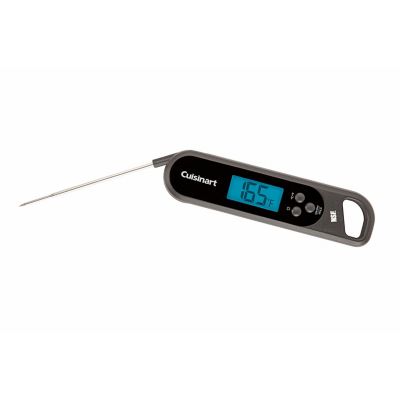
Outdoor thermometers earn their place through small, everyday decisions. During the cooler months, a reading near the back door helps set expectations before feeding animals, walking the fence line or loading the truck. A minimum-and-maximum memory function can show how cold the air got overnight, which is handy when checking on tender plants or comparing conditions around a sheltered growing area. Humidity readings add another piece of the picture, though an outdoor thermometer alone does not measure soil temperature, establish whether a stock tank has frozen or tell you how cold an animal feels. Wind, wet coats, shelter and other conditions matter, and a temperature reading above freezing does not rule out frost on nearby surfaces. Local forecasts and a look around the property still have their place. Households with several areas to watch may appreciate a system that supports multiple remote sensors, provided the display clearly identifies each location and the sensors are compatible. For someone who spends plenty of time gardening, tending a small acreage or sitting out on the porch, an easy-to-read thermometer can also make a practical housewarming or holiday gift. Simple upkeep helps it stay useful through changing seasons. Clear faces and unobstructed sensor openings are easier to maintain when dirt, cobwebs and windblown debris are gently cleared away according to the care instructions. Electronic housings need protection from soaking and high-pressure spray, and battery compartments should stay dry. Battery type matters in cold weather, so the manufacturer’s recommendations are worth following rather than assuming every battery performs the same way. Periodic checks of brackets and attachments help catch loosening after strong winds or repeated freezes and thaws. Matching the instrument to its job matters, too: outdoor models measure air, while
Deep Fry Thermometers are designed for checking hot cooking oil. Whether the preference is a battery-free dial by the porch steps or a digital display within sight of the coffee pot, a well-placed outdoor thermometer puts useful information close at hand without adding much fuss to the daily routine.