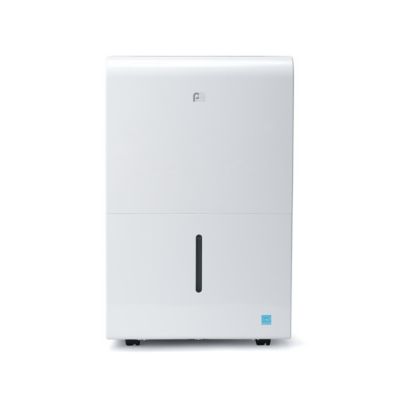
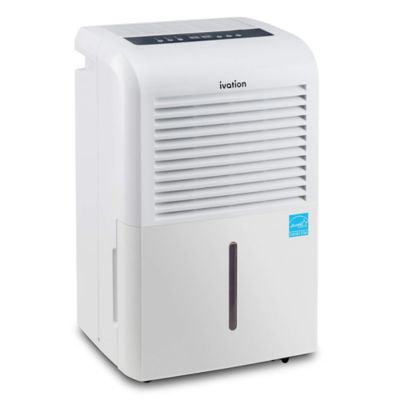
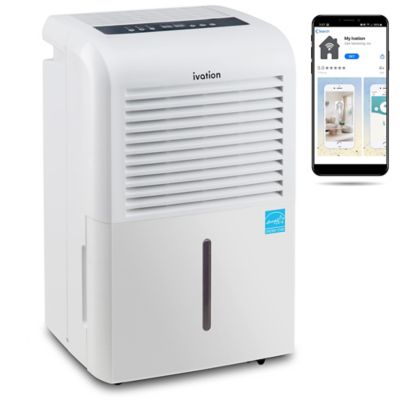
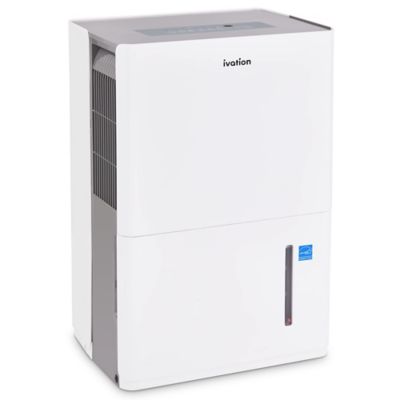
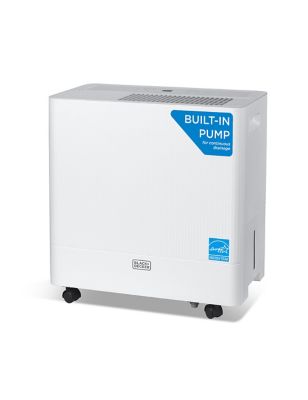
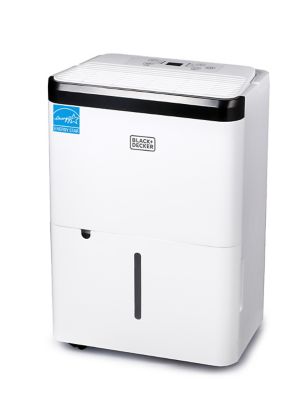
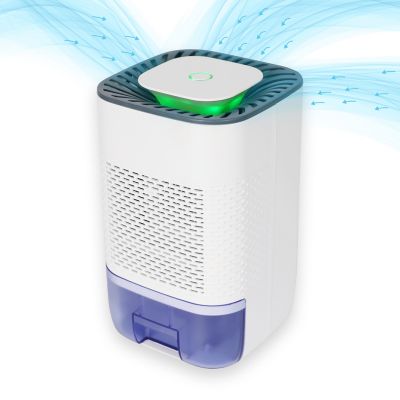
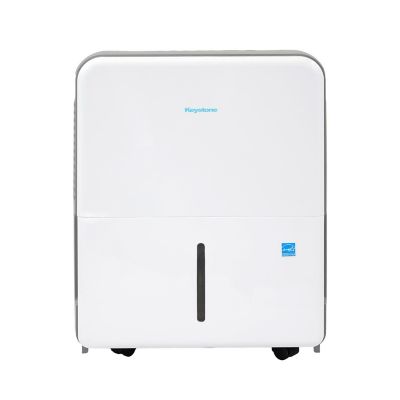
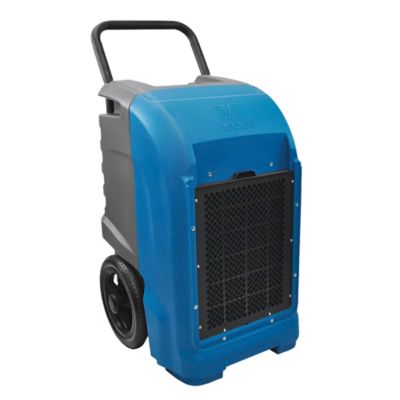
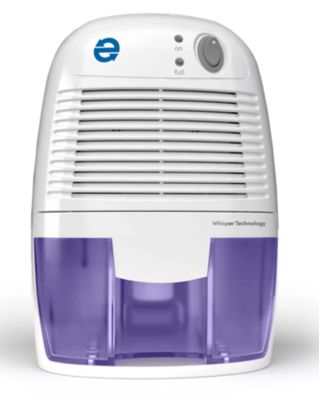
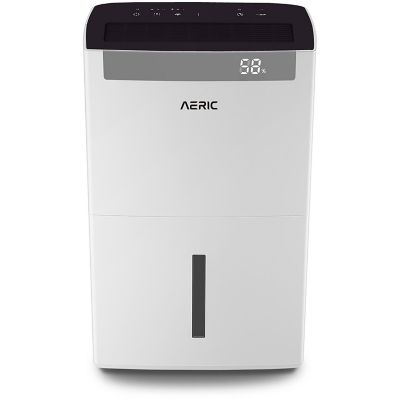
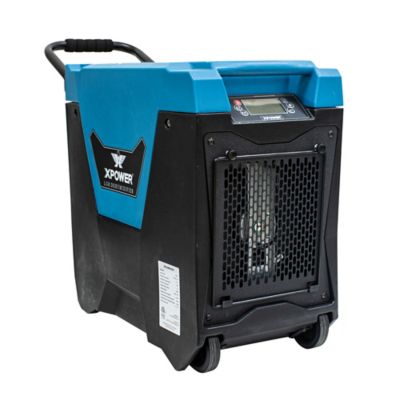
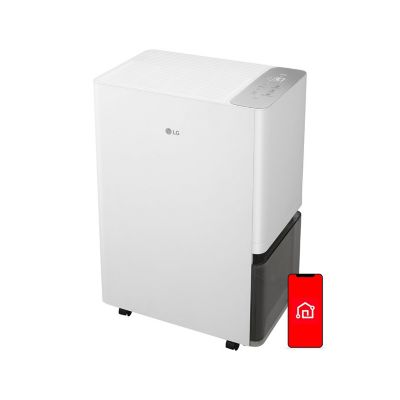
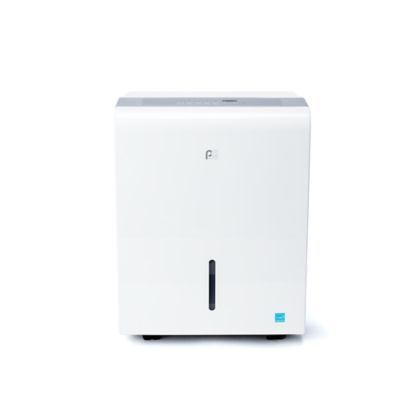
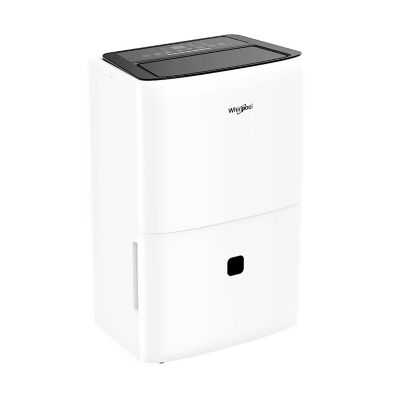
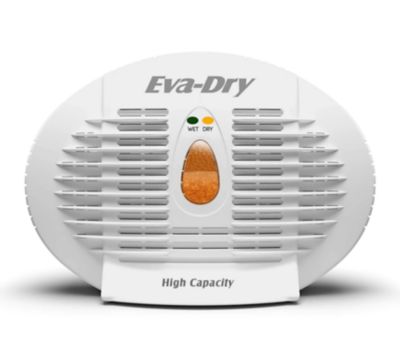
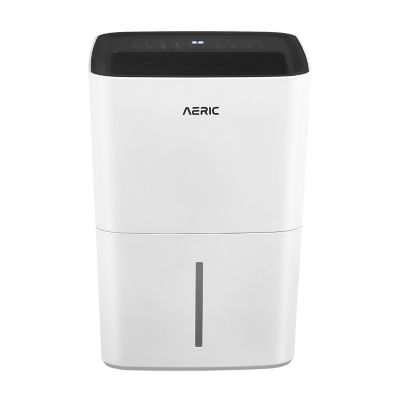
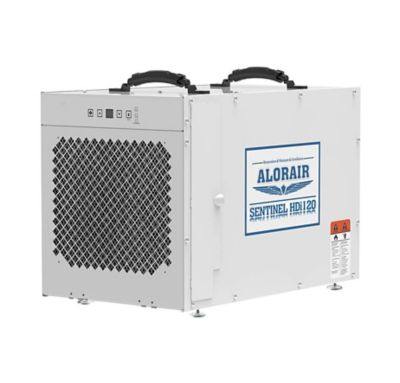
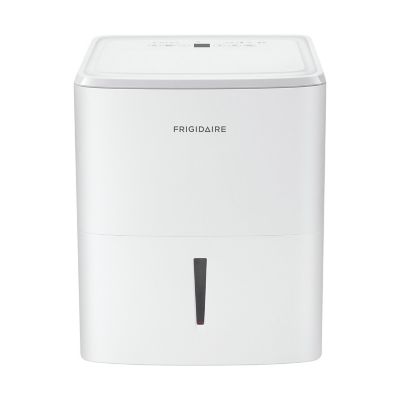
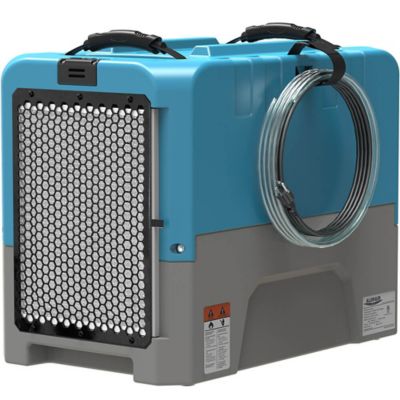
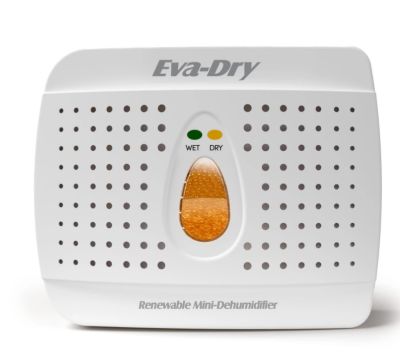
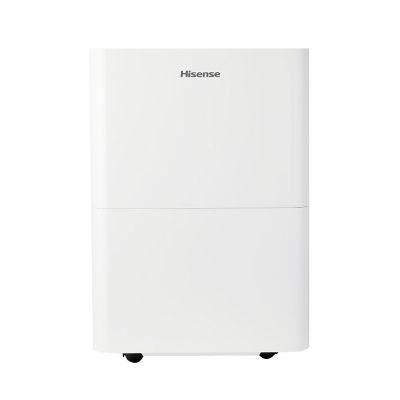
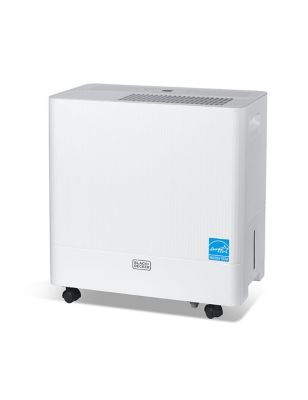
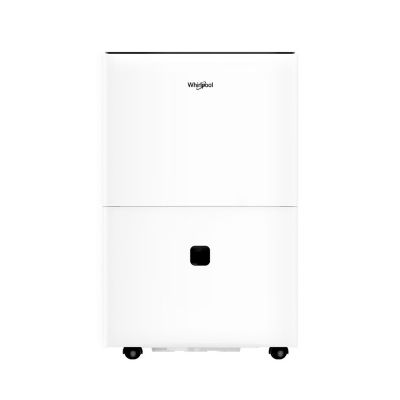
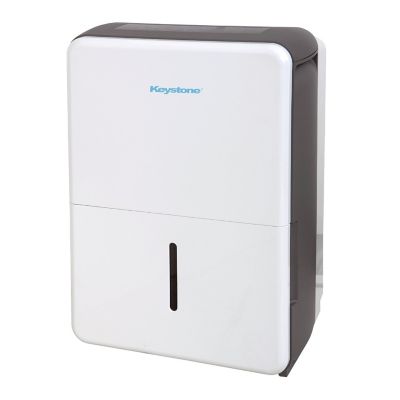
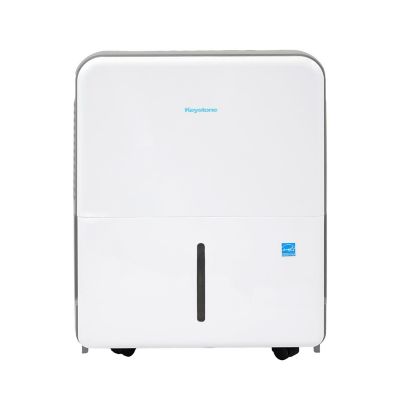
Bathroom dehumidifiers help manage the damp air that lingers after showers, baths and everyday washing. When moisture hangs around, it can leave a film on mirrors, beads of water on painted walls and towels that never seem to dry between uses. A dehumidifier draws moisture out of the air and collects it in a tank or sends it through a drainage connection, depending on the design. That makes it a useful addition to a bathroom where an exhaust fan has trouble keeping up or ventilation is limited. Moisture control can help reduce the conditions that encourage mold and mildew, but it does not replace cleaning, a working exhaust fan or repairs to leaking plumbing. For a small half bath with light dampness, a compact unit may offer enough moisture removal without taking over the floor. A full bathroom shared by several people often calls for more capacity, especially when showers run back to back and wet towels fill the hooks. Thermoelectric models, also called Peltier dehumidifiers, generally have a small footprint and lower operating noise, though their moisture removal is modest compared with many compressor models. Compressor dehumidifiers typically draw out more water and are better suited to heavier moisture loads when their operating requirements match the space. The right fit depends on more than square footage: ceiling height, airflow, how often the shower runs and whether dampness spreads into nearby rooms all matter. Water removal capacity and tank capacity are separate measurements, too. A daily removal rating describes how much moisture a unit can extract under stated testing conditions, while tank capacity describes how much collected water it holds before emptying is necessary. For the bathroom off a farmhouse kitchen or a busy family hallway, that distinction can make the difference between manageable upkeep and frequent trips to empty a small tank.
A bathroom dehumidifier should fit the room without crowding the sink, blocking cabinet doors or making the path to the toilet awkward. Measure the intended spot and account for the clearance specified around the intake and outlet vents; a unit tucked tightly behind a hamper cannot move air as intended. Compact housings are easier to work into smaller rooms, while larger designs may offer handles or casters for moving between suitable spaces. Smooth exterior surfaces, an accessible tank opening and a removable filter can make routine care less of a chore. Check the manufacturer’s bathroom placement guidance before choosing a location, since not every portable dehumidifier is approved for operation in a room with bathing fixtures. Any permitted placement should be stable, dry and well away from splashes, with the cord kept out of walking paths. A GFCI-protected outlet adds an important layer of electrical protection, but it does not make an appliance waterproof or safe beside a tub. Follow the electrical instructions, including restrictions on extension cords. Features that simplify moisture management include a full-tank indicator, automatic shutoff and an adjustable humidistat. Automatic shutoff stops collection when the tank reaches its limit, helping prevent overflow, while a humidistat lets the unit respond to a selected humidity level instead of running without a clear target. Indoor relative humidity around 30 to 50 percent is a common reference range, and a separate humidity monitor can help show whether the room is staying within that range. Continuous drainage can reduce tank-emptying chores when the model supports it and a suitable drain is accessible. Gravity drainage needs a clear downhill route; a hose cannot simply climb from a floor-standing unit into a sink. Pump-equipped designs have different setup requirements. Noise level, indicator lights and control placement also deserve attention in a bathroom next to a bedroom, where a humming fan or bright display may be noticeable at night.
Bathroom moisture control works best as part of the room’s everyday routine, not as a substitute for ventilation or repairs. An exhaust fan carries shower moisture outdoors, while a dehumidifier helps draw down dampness that remains in the room. Hanging towels with room between them, spreading out the shower curtain and wiping standing water from hard surfaces can keep the appliance from having to handle moisture that could be removed another way. Persistent damp patches near a supply line, a soft spot around a toilet or water collecting beneath a vanity need attention at the source. A dehumidifier cannot fix a leak or remove established mold. For households with children, guests or several people getting cleaned up after chores, straightforward controls and an easy-to-lift tank can matter more than a long list of settings. Renters may appreciate a portable design when installation changes are not an option, provided the lease and manufacturer’s requirements allow its placement. Routine care keeps airflow paths clear and collected water from sitting too long. Empty the tank as directed, clean it according to the care instructions and let removable parts dry before putting them back. Some filters can be washed, while others need replacement, so check before rinsing. Keep air openings free of lint, hair and dust, and wipe the housing only as the manufacturer recommends. Collected water is not drinking water and should not be given to pets. Before moving a unit, shut it down and empty the reservoir to reduce the chance of spills; compressor models may also have instructions about remaining upright and waiting before restarting. For moisture concerns in a separate parking or work area,
Garage Dehumidifiers offer another room-focused option. In the bathroom, the best match is a unit with enough removal capacity for the actual moisture load, a footprint that leaves the room comfortable to navigate and a care routine that fits daily life. Those practical details help keep moisture control manageable long after the first tank of water is emptied.