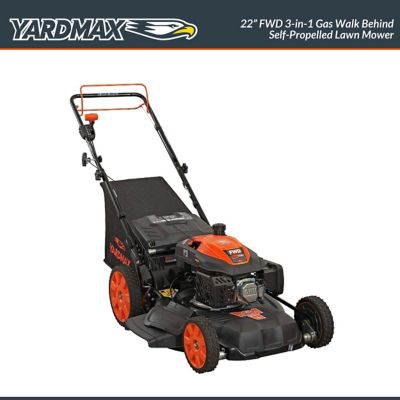
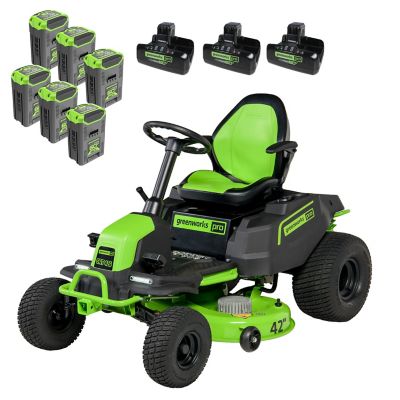
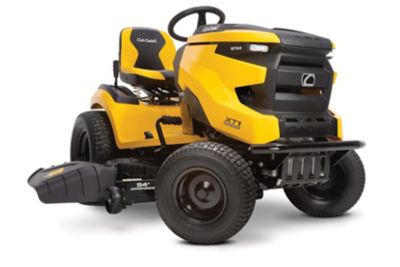
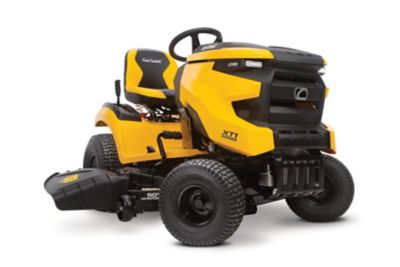
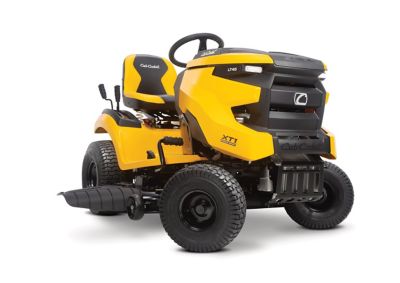
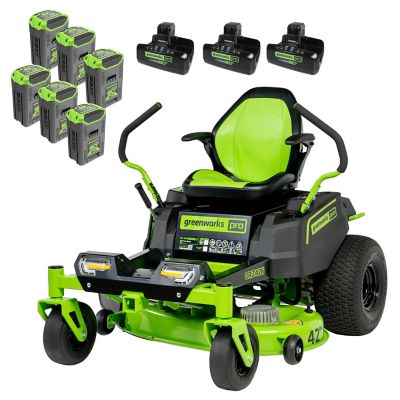
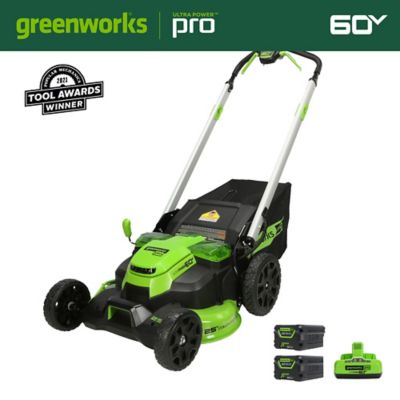
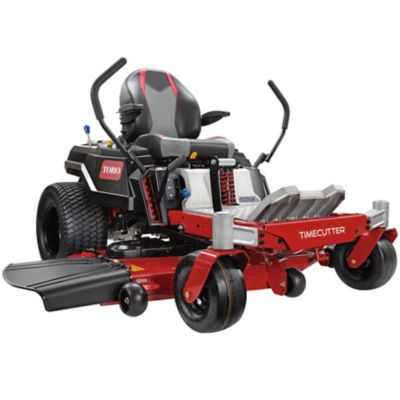
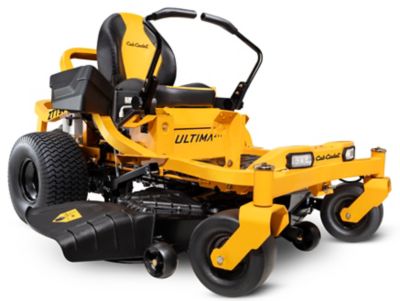
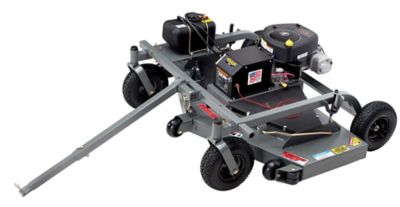
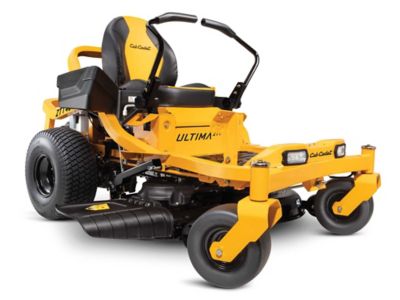
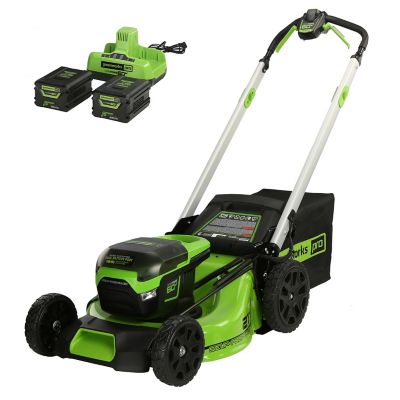
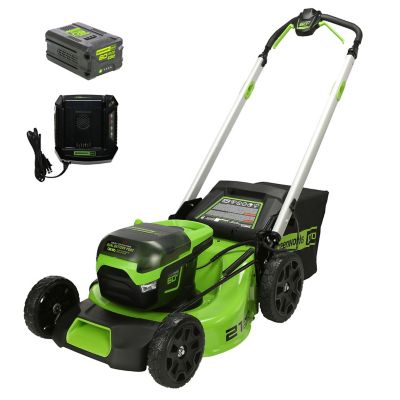
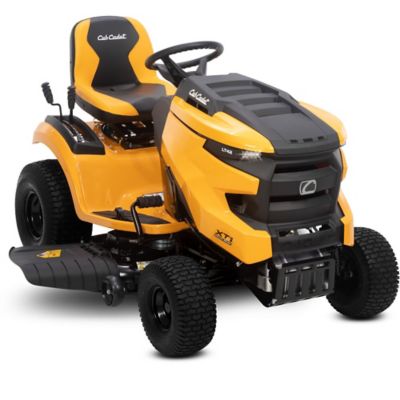
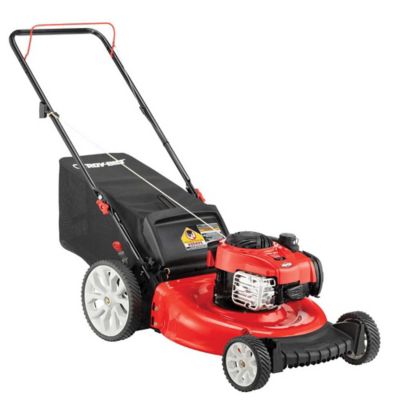
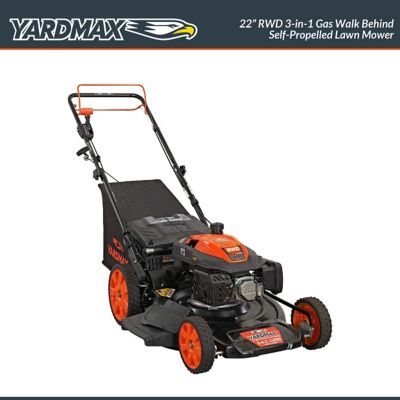
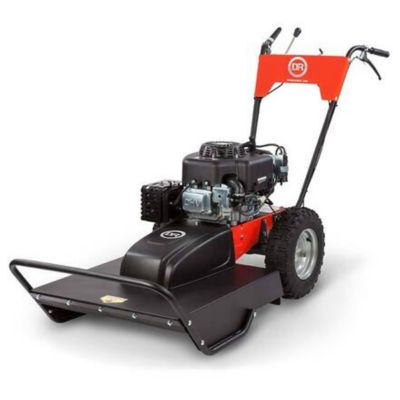
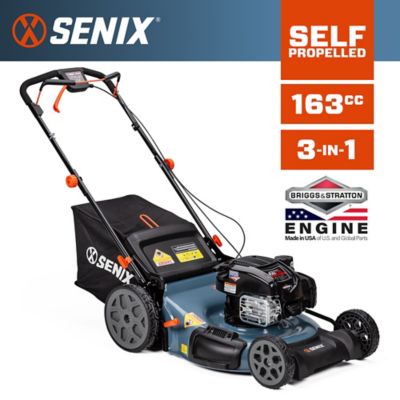
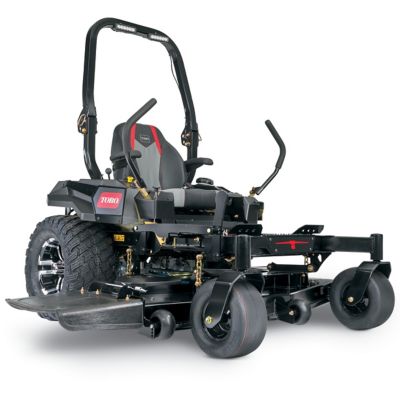
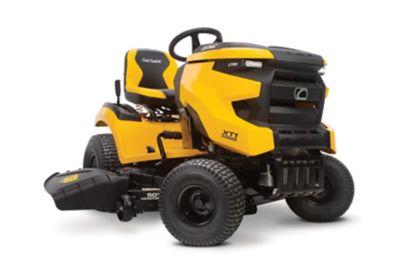
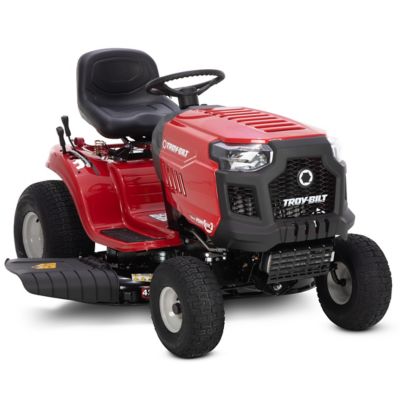
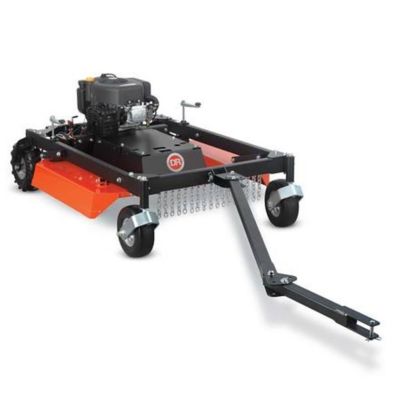
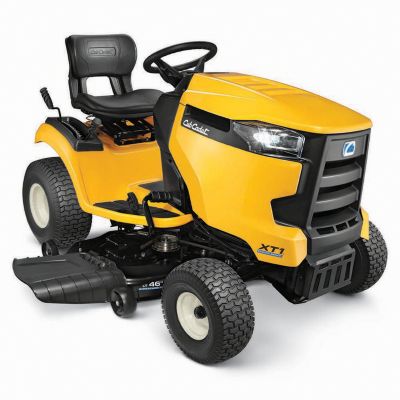
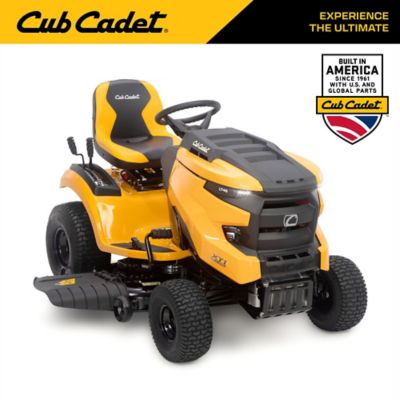
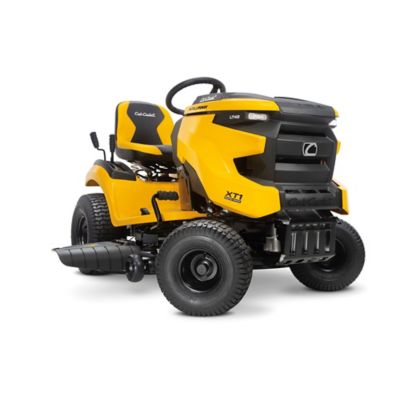
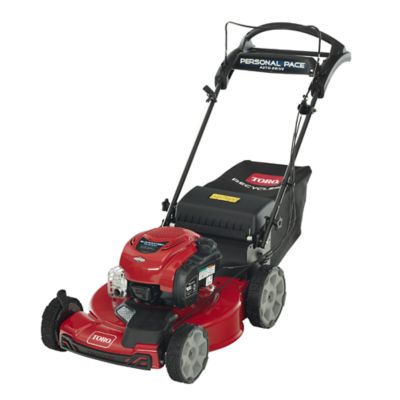
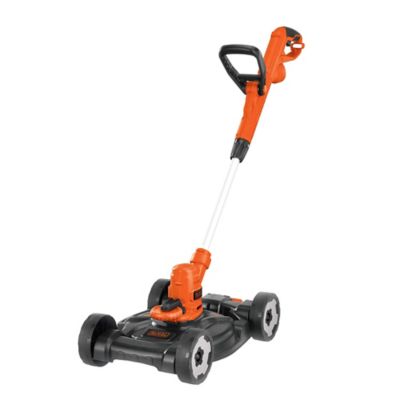
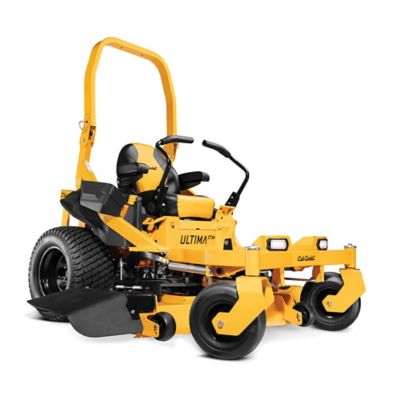
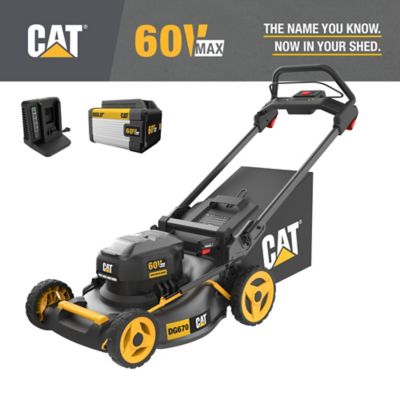
A heavy duty lawn mower is made for more than a small, level patch of turf. It is the kind of equipment that earns its keep on large properties, farmsteads, rental grounds, sports fields, and acreage where grass grows thick, weeds get ahead of the fence line, and the ground is not always smooth. These mowers may include wide-cut riding models for covering open acres, commercial-style walk-behind mowers for tighter spaces, and field and brush mowers built to handle tall growth, heavy weeds, and light woody vegetation. The right choice starts with the land itself. Take a look at the size of the area, the type of growth, the number of obstacles, and the slope of the ground. A wide cutting deck can shorten mowing time across a broad, open yard, while a more compact walk-behind mower can work around trees, gates, sheds, garden beds, and livestock areas. For neglected lots or rough pasture edges, a field mower with a strong cutting system and plenty of clearance may be a better fit than a traditional turf mower. Heavy duty equipment is often chosen by homeowners with several acres, property managers, grounds crews, landscapers, and anyone responsible for keeping rural spaces safe, accessible, and presentable. It can also make a practical gift for a new acreage owner or someone taking over a family property, especially when dependable mowing equipment is needed for more than appearance. During the cooler months, a good time to compare mower sizes, deck construction, service access, and storage needs is before the next stretch of active growth arrives.
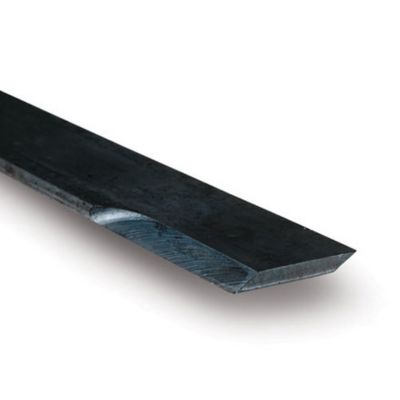
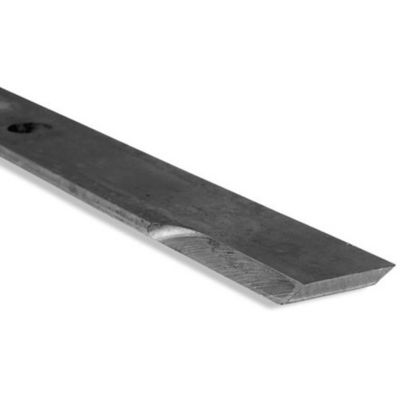
Durability matters when a mower will spend its working life meeting thick grass, uneven soil, gravel near driveways, and the occasional hidden stump. Look for a fabricated steel deck, particularly one made from thicker-gauge steel, when impact resistance and long-term strength are priorities. Fabricated decks are generally built from separate pieces of steel and reinforced at high-stress points, helping them stand up to demanding use better than lighter stamped decks. Deck width should match the property and the space available for storage; wider is not always better if narrow gates, wooded paths, or small paddocks are part of the job. Blade engagement, discharge control, and cutting height adjustment also deserve attention. A mower should let you raise the deck for rougher growth and lower it for a cleaner finish on maintained turf. For riding equipment, hydrostatic transmissions can provide smooth speed control and useful torque when climbing or maneuvering, while dual hydrostatic drive systems can improve control on zero-turn machines and help each side of the mower respond independently. Commercial-grade engines, including durable V-twin configurations, are often selected for steady power, reduced vibration, and repeated use over long mowing sessions. Engine displacement, fuel capacity, cooling, air filtration, and access to oil, belts, filters, and grease points all affect ownership. A mower that is powerful on paper but difficult to maintain can become a frustration when grass is growing fast. Before buying, measure gates and doorways, check the recommended terrain, confirm the seat or handle position feels comfortable, and make sure replacement blades and service parts are easy to find. If the property only needs occasional trimming or has many small sections, a
Lightweight Lawn Mower may be easier to handle and store.
Safe operation and routine care help a heavy duty lawn mower deliver dependable work season after season. Walk the property before mowing and clear away wire, stones, branches, toys, and other objects that can damage blades or become dangerous projectiles. Wear sturdy shoes, eye and hearing protection, and clothing that will not catch on moving parts. Slow down near ditches, pond banks, loose soil, and hidden drop-offs, and use a mower suited to the slope rather than relying on extra speed or aggressive steering. Riding mowers and zero-turn models are most at home on suitable, open terrain, while walk-behind equipment may offer more control in confined areas, though steep ground still calls for careful handling and the manufacturer’s slope guidance. Keep the deck clean so wet clippings do not pack around the blades, inspect belts and pulleys for wear, sharpen or replace blades when the cut becomes ragged, and check tire pressure before longer jobs. Clean air filters, fresh oil, and a properly maintained cooling system are especially important when an engine runs through tall growth or dusty conditions. At the end of the mowing season, remove debris, stabilize fuel as appropriate, protect the machine from moisture, and store it under cover with the battery maintained according to its instructions. A heavy duty lawn mower is an investment in keeping the whole property in hand, from the neat stretch beside the house to the rough edge behind the barn. Choosing equipment that matches the terrain, growth, and workload makes each pass more controlled and helps leave a clean, even finish without asking a homeowner or crew to push a lighter-duty machine beyond its limits.