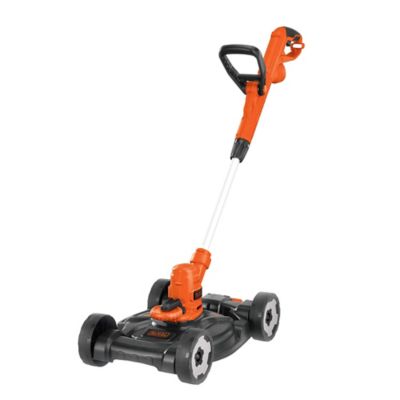
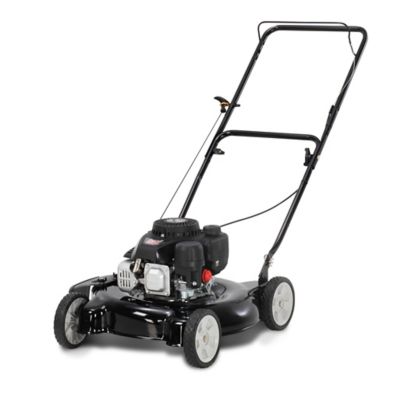
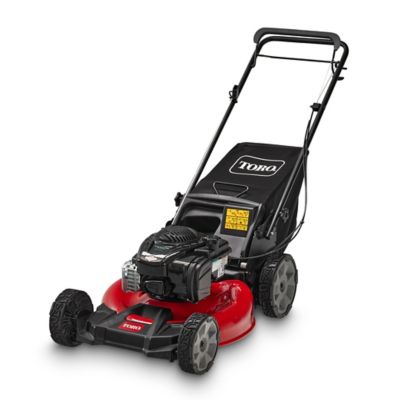
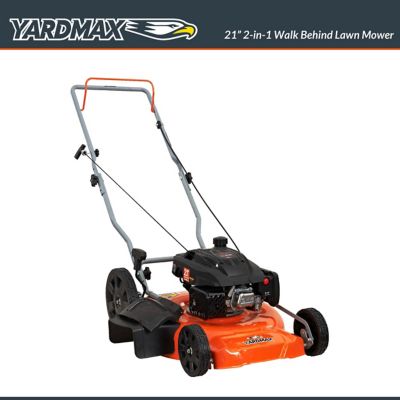
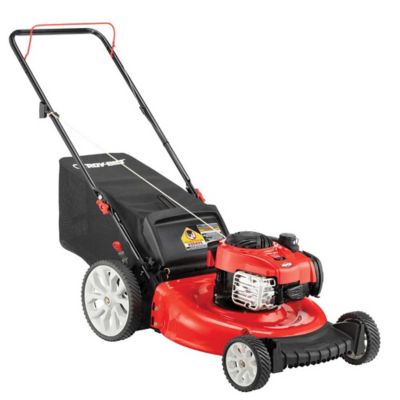
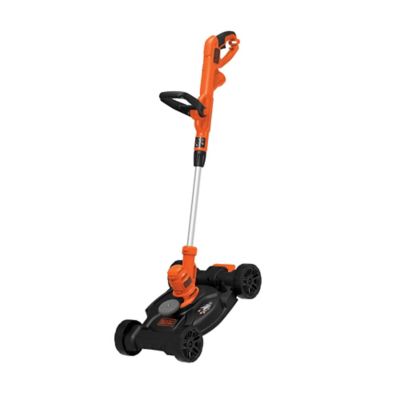
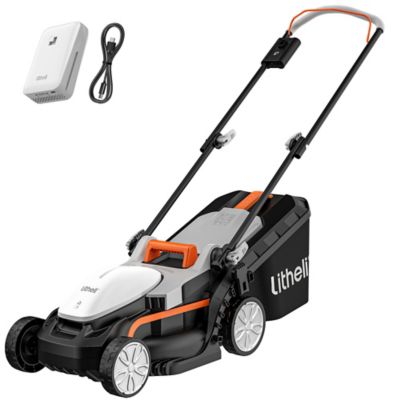
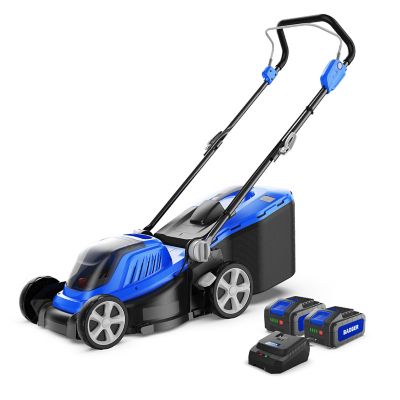
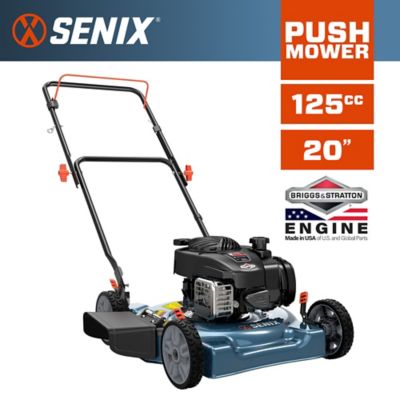
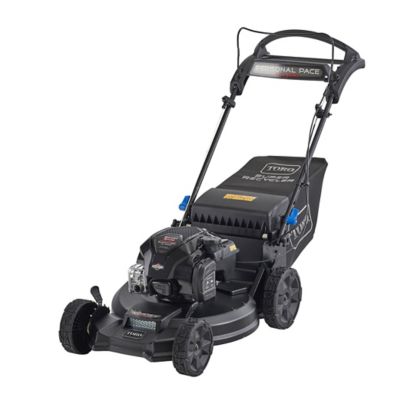
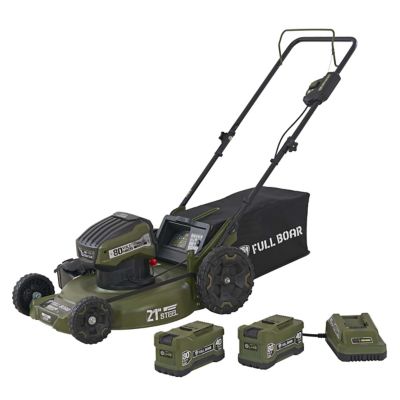
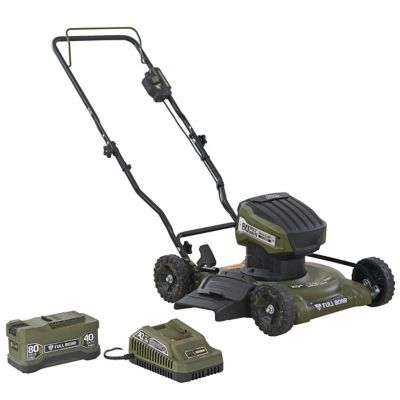
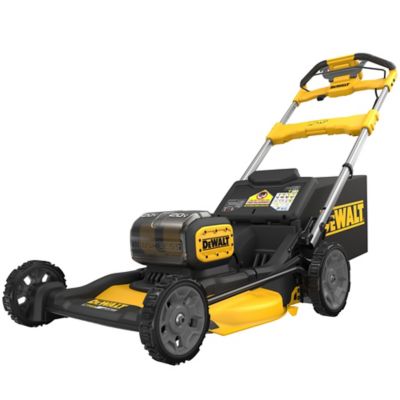
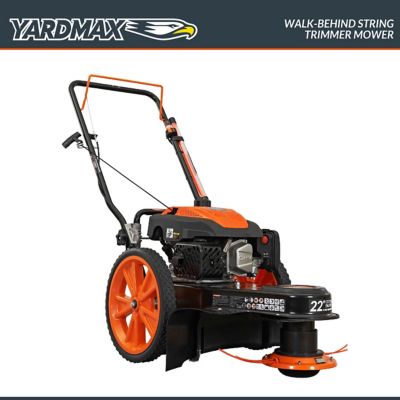
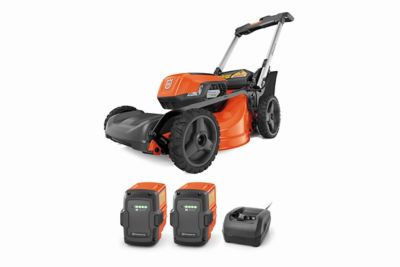
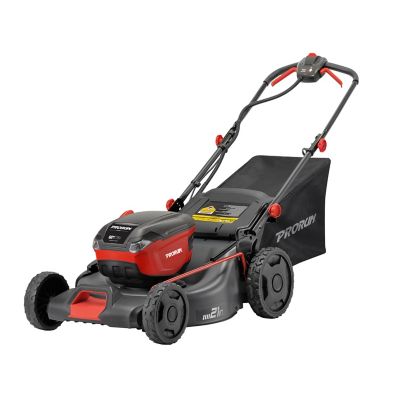
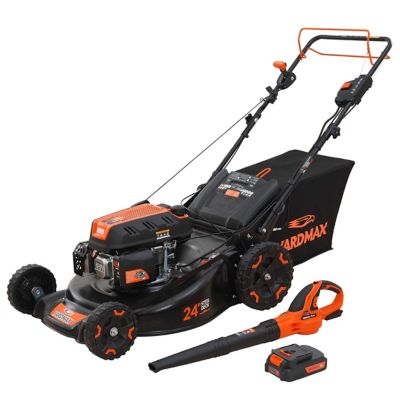
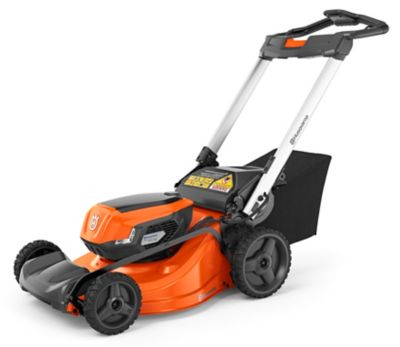
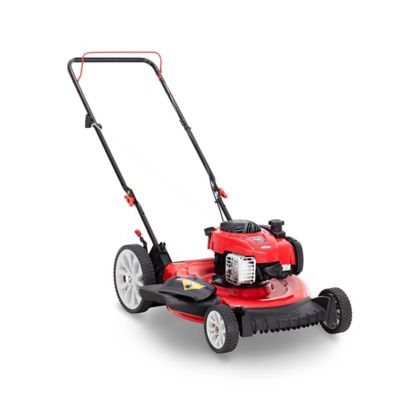
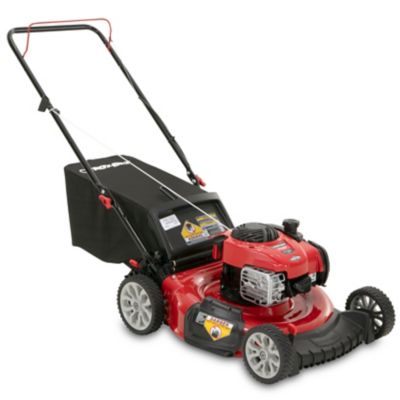
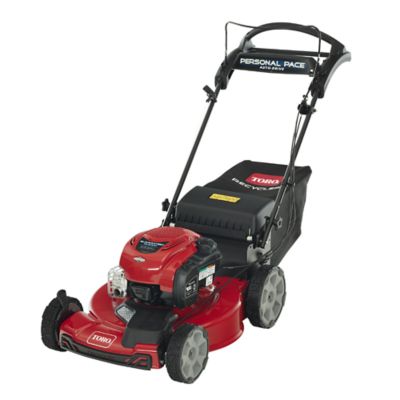
Lightweight lawn mowers can be a good fit for small yards, tight spaces, and anyone looking for an easier-to-push machine. Less weight can make a difference when turning at the end of a narrow strip, working around a clothesline post, or rolling the mower from the shed to the lawn. These mowers are especially useful for keeping grass tidy around a house, garden fence, or outbuilding where a larger machine has little room to maneuver. There is no single weight that makes every mower lightweight, though, and the number on the specifications sheet tells only part of the story. Cutting width, wheel design, handle position, and the weight of a battery or full grass catcher all affect how a mower feels in motion. A narrower deck can slip through a garden gate and turn neatly around beds, while a wider deck covers more ground with each pass but may take more effort to steer. Deck materials matter, too. Steel adds strength but can contribute more weight, while aluminum and molded composite designs offer different balances of weight, resistance to corrosion, and care requirements. The construction of the whole mower matters more than the deck material alone. Comfortable handle height helps keep shoulders relaxed, and an easy-to-reach operating lever can make repeated starts and stops less awkward. Larger rear wheels may help a mower roll over uneven spots, although wheel size does not replace sound footing or the manufacturer's limits for slopes. A lightweight push mower keeps the setup straightforward; a self-propelled design adds drive assistance, often along with more machine weight. For someone maintaining a modest patch beside the porch, easy turning may matter most. For a longer stretch along the fence, reduced pushing effort may carry more weight in the decision. The best fit comes from matching the machine to the ground and the person doing the mowing, rather than treating the lightest listed weight as the only goal.
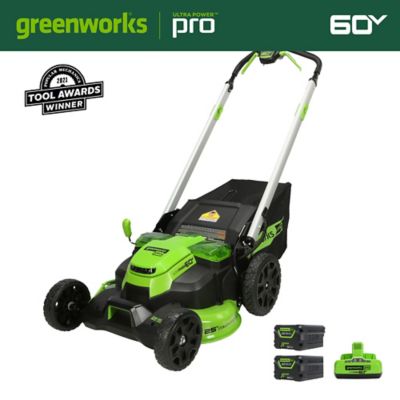
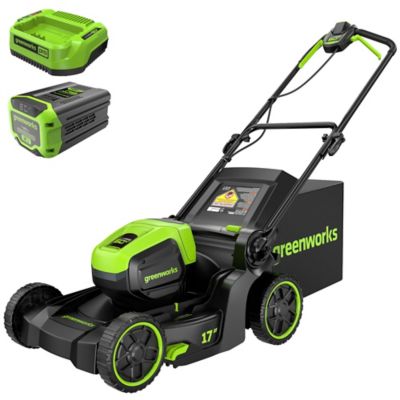
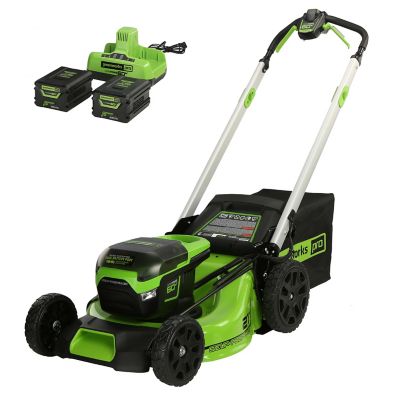
Power source helps shape both the handling and the everyday routine of a lightweight lawn mower. Manual reel mowers need no fuel, cord, or battery and can suit small, regularly maintained lawns. Their cutting action works best when the grass stays within the mower's intended height range, and scattered twigs or tall, tough growth can interrupt the job. Corded electric mowers avoid onboard fuel and battery weight, making them worth considering for compact lawns within reach of a suitable outlet. The tradeoff is managing an outdoor-rated extension cord with the correct rating for the mower, especially around trees, fence corners, and garden beds. Cordless lawn mowers offer more freedom to move without trailing a cord. Battery size affects both weight and runtime, so a larger battery is not automatically the most comfortable match for a small yard. Runtime also changes with grass height, thickness, cutting conditions, and whether the mower has a powered drive system. Comparing mower weight with the required battery installed gives a more useful picture than looking at the bare machine alone. Gas-powered push mowers offer another approach, with engine operation and fuel care as part of the ownership routine. Some compact designs keep handling manageable, but engine size alone does not tell the full story about weight or mowing performance. Across power types, cutting-height adjustment and clipping options make a practical difference. Mulching returns finely cut clippings to the lawn, bagging gathers them for removal, and side discharge spreads them away from the cutting chamber when that function is part of the mower's design. A grass catcher adds weight as it fills and needs clearance behind the mower for removal. A comfortable setup for one yard might be a compact mower that turns easily between beds; another lawn may call for a little more cutting width and fewer passes. Whatever the power source, these machines belong on maintained lawn grass, not in brush, heavy weeds, or rough pasture growth.
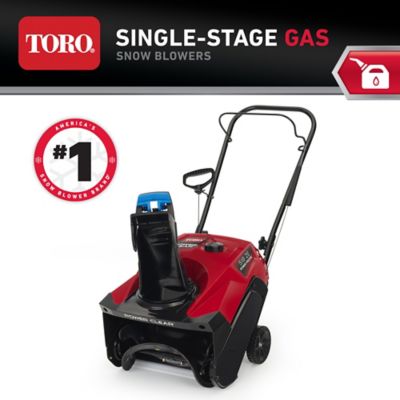
Living with a lightweight mower also means thinking about the parts of the job that happen before and after the cutting. A mower that rolls comfortably across the lawn should also fit through the shed door, clear the gate latch, and leave enough room to park without blocking the rake rack. Folding handles can reduce the storage footprint, but the folding process and approved storage position vary by model. Light weight does not make every mower suitable for hanging, standing upright, or lifting onto a shelf. Anyone who needs to lift a mower should consider the fully assembled weight, designated lifting points, and their own comfort with the task. For households where more than one person handles lawn care, adjustable handles and straightforward controls can make sharing the work easier. Routine care helps preserve cutting performance and service life: a sharp, properly installed blade cuts grass more cleanly, and removing built-up clippings keeps the cutting area from becoming packed with debris. Work near the blade calls for the manufacturer's shutdown and power-isolation steps, with all moving parts stopped before maintenance begins. Battery connections, cords, wheels, fasteners, and handles also deserve regular attention, while gas-powered equipment brings additional engine-care requirements. Storage needs to protect the machine from damage and follow the instructions for its power source. Households that also need snow-clearing equipment can explore a
Lightweight Snow Blower with similar attention to comfortable handling, accessible controls, and room in the shed. For mowing, the payoff is a machine that suits the actual work: trimming the lawn beside the driveway, circling a shade tree, and finishing the narrow run behind the house without wrestling more equipment than the space calls for. A manageable weight matters most when it works alongside a suitable cutting width, comfortable fit, and a care routine that fits everyday life.