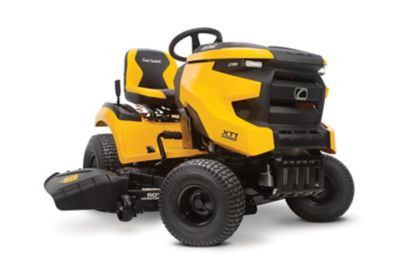
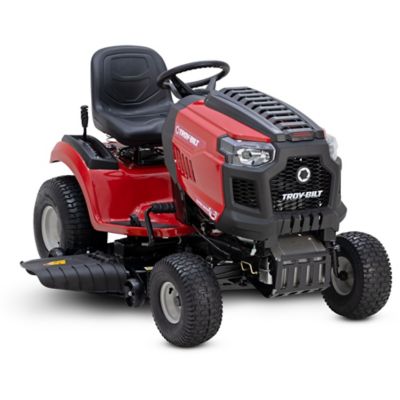
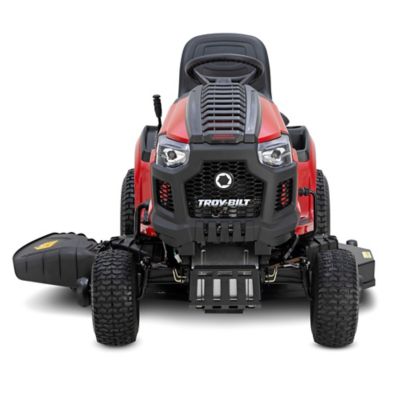
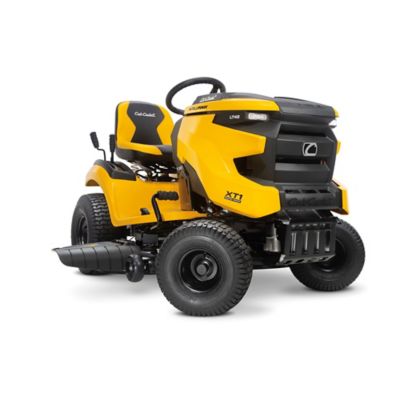
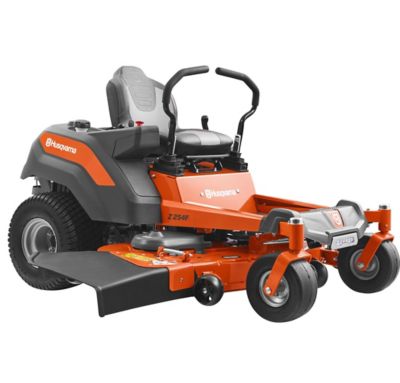
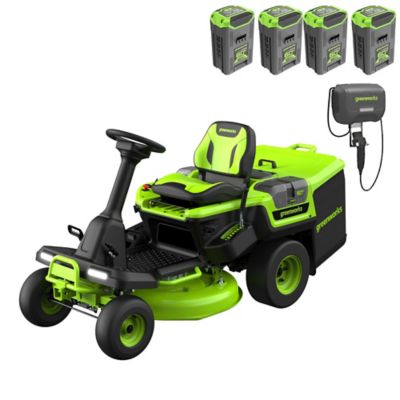
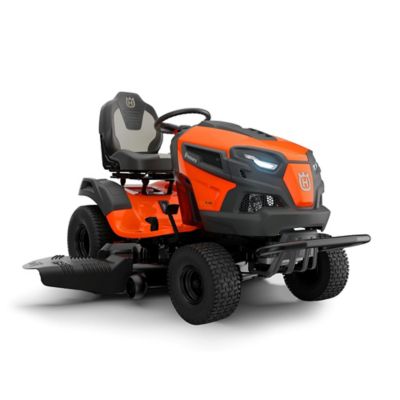
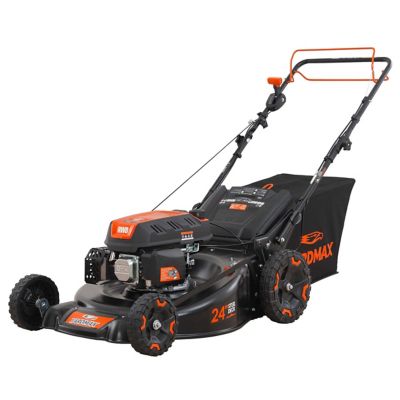
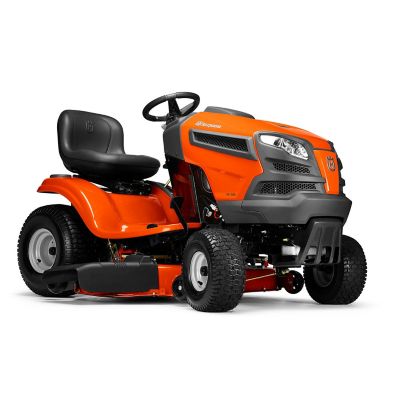
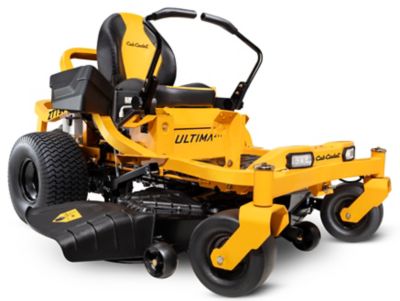
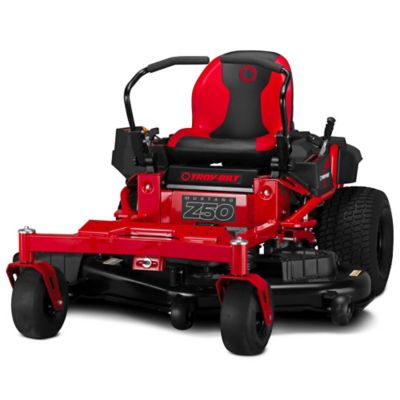
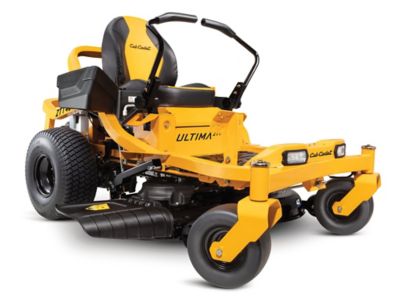
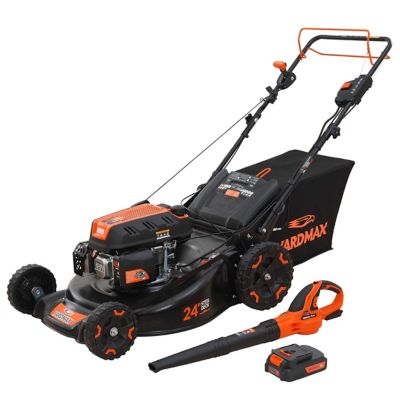
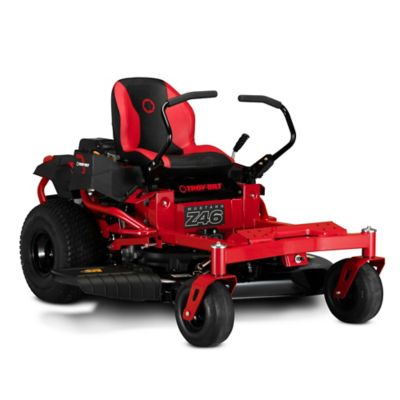
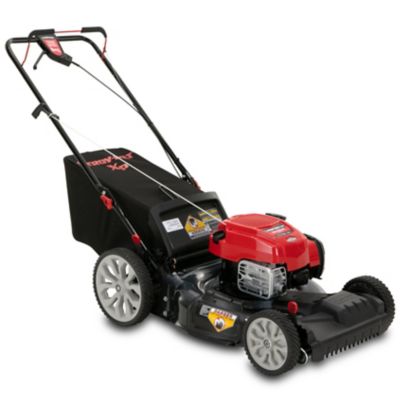
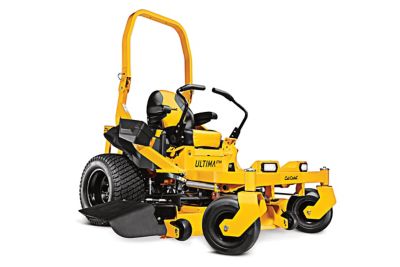
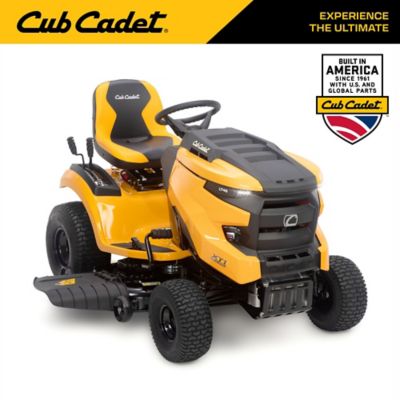
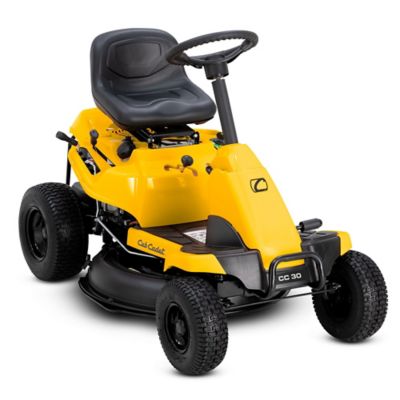
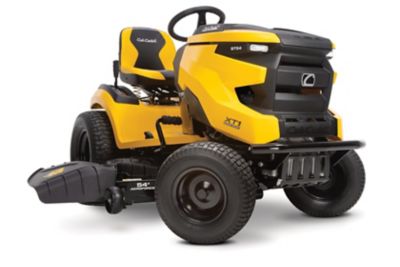
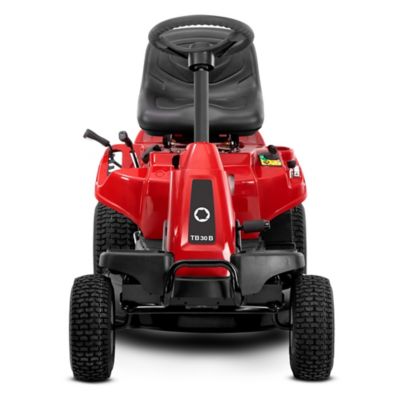
A garden tractor lawn mower is a steering-wheel-operated riding mower built to cut lawn grass and, when properly equipped, handle compatible yard attachments. The familiar layout puts the engine up front, the operator in a seated position, and a cutting deck beneath the frame. Lawn tractors generally suit routine mowing and lighter yard chores, while garden tractors typically have heavier frames and drivetrains for more demanding work. Some garden tractors can handle ground-engaging attachments, but that capability depends on the machine’s design and attachment ratings—not simply its name or horsepower. For a homeowner tending a broad stretch between the house and the back fence, that combination of mowing and light utility work can make sense. Property size is only part of the fit, though. A wide, open lawn gives a larger cutting deck room to cover ground, while fence corners, orchard rows, gates, and outbuildings can make a smaller deck easier to maneuver. Deck width describes the cutting path; the machine’s overall width, including the discharge chute, determines whether it clears a narrow opening. Turning radius also matters around trees, garden beds, and the end of a driveway. A tractor that needs fewer backing maneuvers can make those tighter sections less of a chore. Engine output, deck size, traction, and transmission design all contribute to how the mower handles its workload, so horsepower alone does not tell the whole story. A broad deck cutting thick grass places different demands on a tractor than a smaller deck maintaining an open yard. Ground contours deserve equal attention: bumps, shallow dips, and inclines affect the match between machine and property, and every tractor has operating limits. These mowers belong on maintained lawn areas within those limits, not in brush, rough pasture, or terrain that calls for another kind of equipment. The right fit brings together cutting coverage, maneuverability, and the work the tractor is actually rated to do.
The cutting deck and chassis carry much of the day-to-day workload, making their construction worth a close look. Steel decks may be stamped into shape or fabricated from welded sections, with thickness, reinforcement, spindle support, and protection around exposed edges all contributing to their ability to withstand regular mowing. Neither construction style tells the entire story on its own. A deck’s shape, airflow, blade arrangement, and discharge design also affect how it handles clippings. Side discharge spreads clippings back onto the lawn, while compatible mulching equipment recuts them into smaller pieces. A collection system gathers clippings for removal, although compatibility and required components vary by tractor. Cutting-height adjustment gives room to match the lawn’s needs, and deck wheels can help limit scalping where the ground rises beneath the mower. Around a swale beside the driveway or a raised patch near a tree, deck movement and proper adjustment can matter as much as cutting width. Beneath the seat, the transmission influences how the tractor feels through repeated turns and changes in speed. Hydrostatic systems often provide variable travel speed through pedal or lever controls, while geared systems have distinct speed selections. Control layout, reverse operation, and blade engagement vary, so those details are part of the overall fit rather than small extras. Tire tread and size affect traction and turf contact, but more aggressive tread is not automatically better for a finished lawn. For work beyond mowing, a compatible cart can carry yard debris, and rated tow-behind equipment can handle tasks such as aerating or spreading. Towing capacity depends on the tractor, hitch, transmission, terrain, and attachment—not engine power alone. A loaded cart or filled lawn roller can add considerable weight, and powered or ground-engaging attachments may require a particular hitch, drive connection, or heavier tractor platform. Attachment compatibility is what turns a garden tractor into a broader yard-work machine; a hitch by itself does not establish that every attachment is suitable.
Comfort and service access become more noticeable when mowing takes more than a quick pass around the house. An adjustable seat, enough legroom, a comfortable steering position, and controls within easy reach help the operator settle in without stretching for pedals or leaning forward through every turn. A clear view of the deck’s edge can make trimming along a fence line easier, while accessible controls simplify repeated stops around gates and work areas. Entry space matters, too, especially for anyone who climbs on and off several times while tending a larger property. Safety features such as operator-presence switches and blade interlocks are important parts of the machine, though they do not replace following the operator’s manual or keeping people and animals clear of the mowing area. For ownership beyond the first few cuts, straightforward access to oil checks, filters, belts, the battery, and grease fittings can make routine care less troublesome. Grass buildup beneath the deck can interfere with airflow and hold moisture against metal, while worn blades and belts can affect cutting performance. Cleaning and service procedures vary by machine, and work around the deck calls for the shutdown and safety steps specified by the manufacturer. For compatible machines,
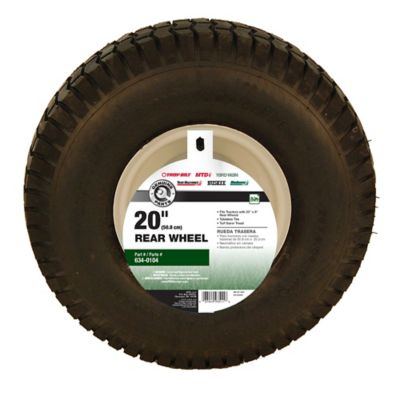
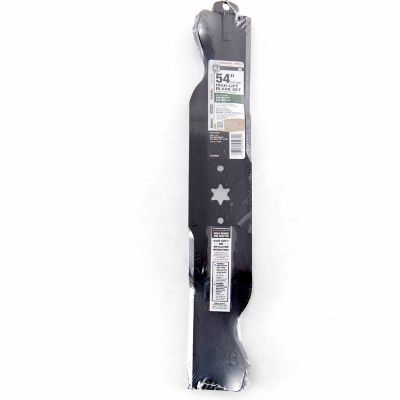
MTD Lawn Tractor Parts is a starting point for replacement-part searches, with the tractor’s full model and serial numbers helping establish fit. Deck width, engine information, and attachment model numbers may also matter when matching components. A sheltered parking spot with enough clearance for the tractor and its attachments supports easier storage and access for care. Battery maintenance, tire-pressure checks, lubrication, and attention to loose hardware all contribute to a longer service life when performed according to the manual. For households managing a sizeable lawn and regular yard chores, a well-matched garden tractor lawn mower offers more than a place to sit while cutting grass: it brings the cutting deck, controls, service needs, and attachment capability together around the property’s everyday workload.