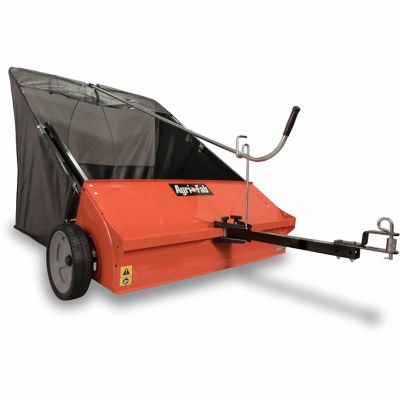
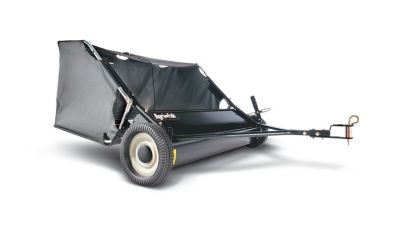
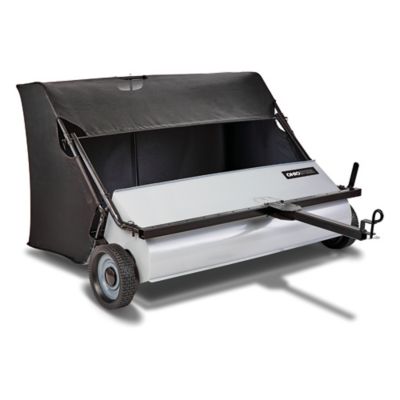
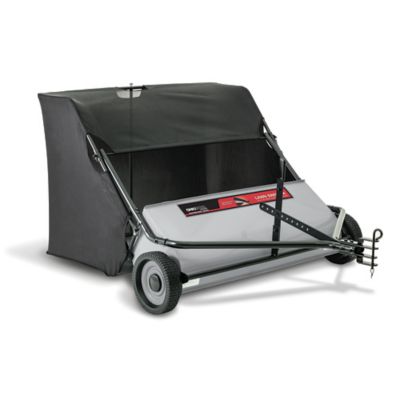
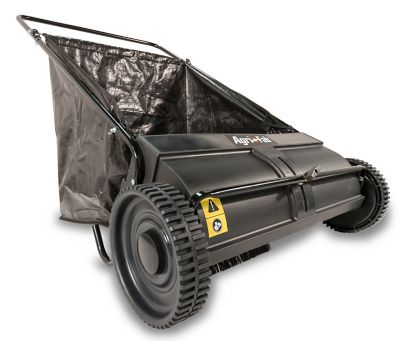
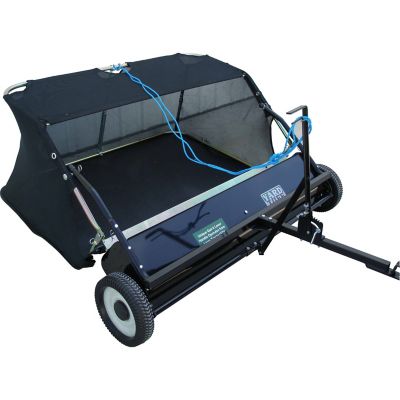
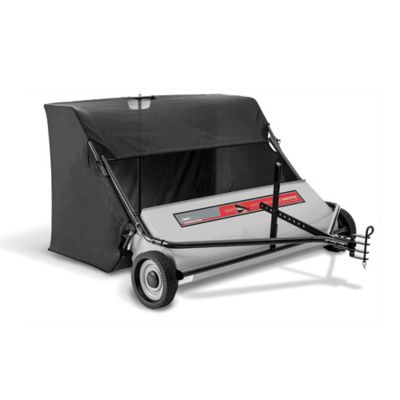
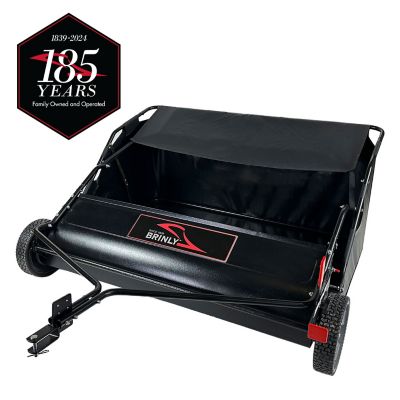
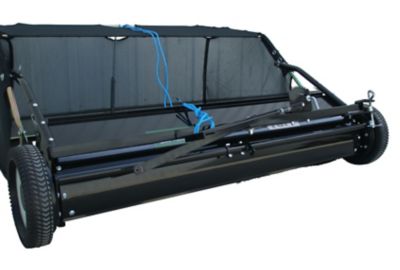
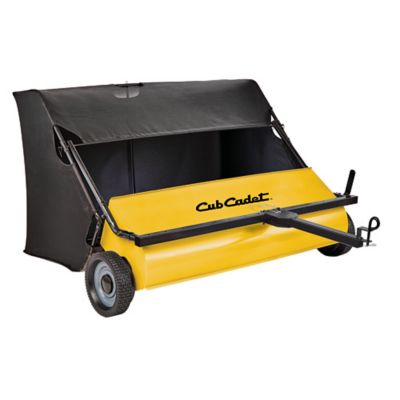
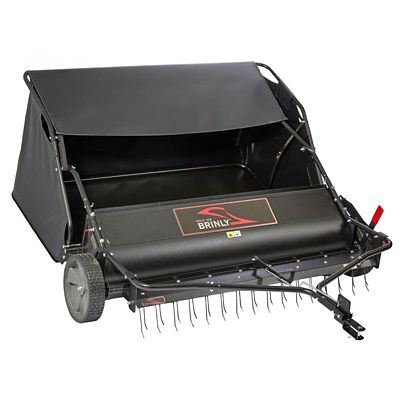
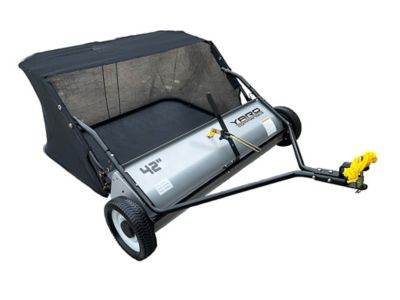
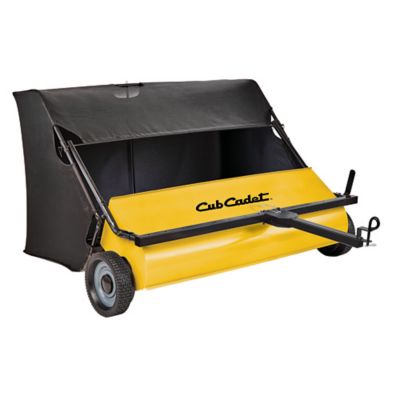
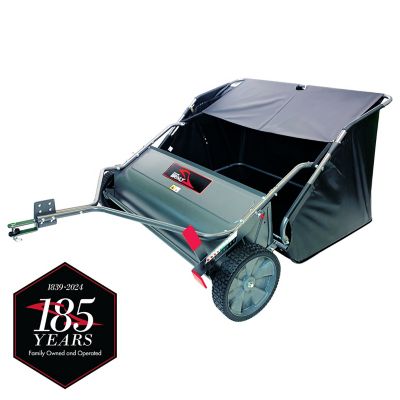
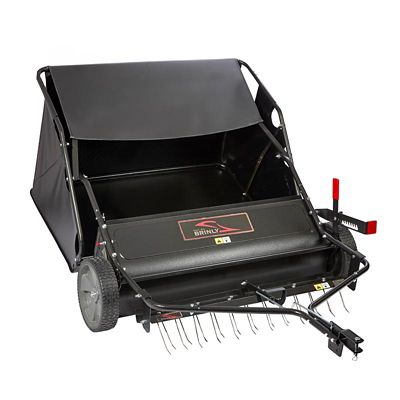
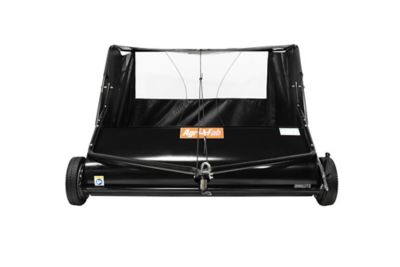
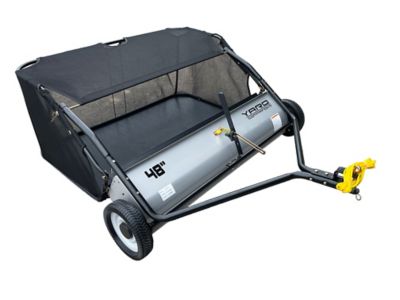
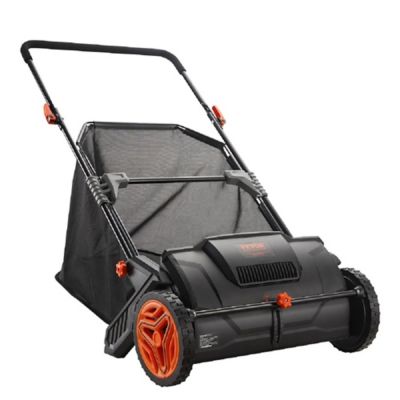
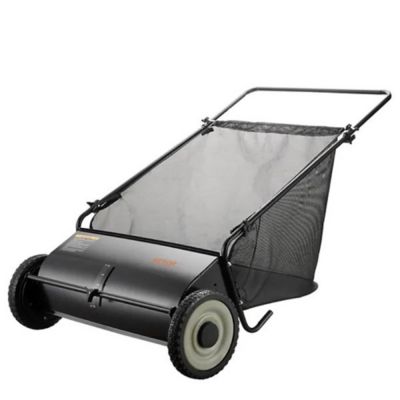
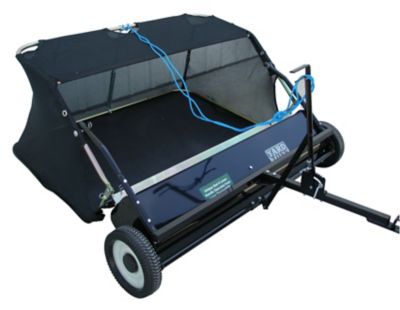
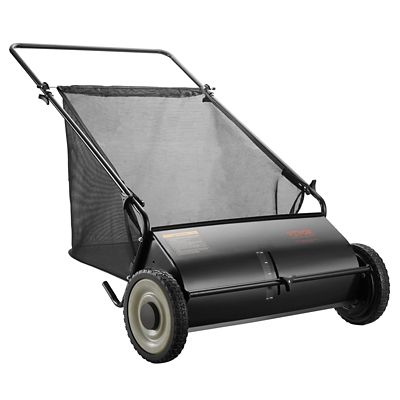
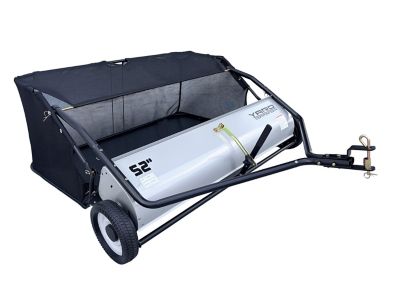
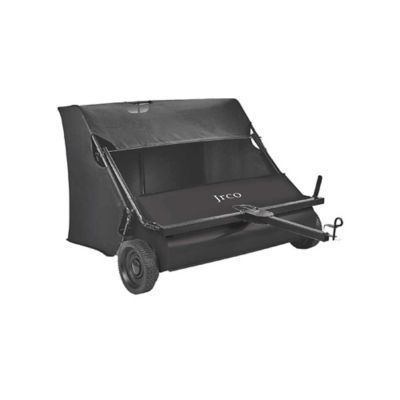
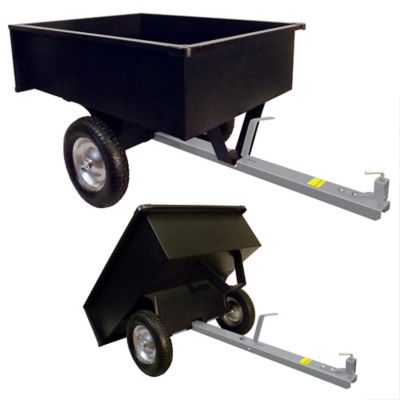
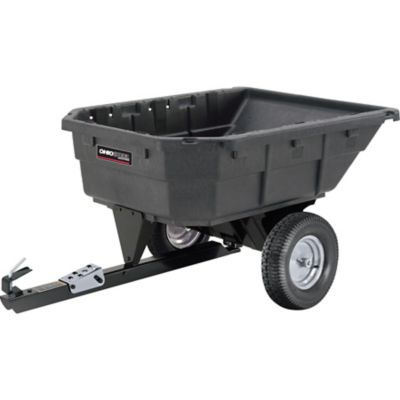
Grass sweepers, also called lawn sweepers, collect loose grass clippings, fallen leaves and other light yard debris in a hopper as they roll across the lawn. On most push and tow-behind designs, the wheels drive rotating brushes that lift material from the grass and toss it into the collection bag. That wheel-driven action means the sweeper itself generally needs no separate engine, fuel supply or power cord. It’s a practical way to gather the windrows left after mowing or clear scattered leaves around the house, barn and garden without raking every stretch by hand. Push grass sweepers suit smaller lawns and spaces where a riding mower would be awkward to maneuver. Their usefulness depends on more than yard size: gate openings, turns around planting beds and the effort needed to move a loaded hopper all matter. Tow-behind lawn sweepers attach to compatible riding mowers or lawn tractors and make sense for broad lawns, long runs along fences and properties with plenty of open ground. Their wider sweeping paths and larger collection hoppers can reduce the number of passes and unloading stops, though a larger attachment also needs more room to turn and park. Both styles work best with loose material resting on or near the grass surface. Small twigs and pine needles may be collected, depending on the brush design and conditions, but heavy branches, rocks and packed-down debris call for other cleanup equipment. A sweeper is not a mower, dethatcher or ground-leveling tool; its job is to gather what is already loose. That distinction matters when deciding where it fits among regular yard chores. Grass clippings do not always need removal, since a light scattering can stay on the lawn. Collection becomes more useful when clippings form thick piles, when debris covers frequently walked areas or when a tidy stretch of grass makes work around the property easier. For homeowners and folks tending larger home places, a grass sweeper offers another way to handle those jobs without carrying armfuls of debris across the yard.
The fit between a grass sweeper, the property and any towing equipment has a big effect on how smoothly cleanup goes. Sweeping width determines how much ground the brushes cover in one pass, while hopper capacity affects how often the load needs dumping. A wide unit can cover an open lawn with fewer passes, but a narrower one may be easier to handle between trees, through gates or around a garden fence. A large hopper is handy when leaves are scattered across a broad area, although its load can get heavy before the bag looks completely full. Damp clippings are especially weighty and can mat together, so bag volume alone does not tell the whole story. Adjustable brush height helps match the pickup action to the grass and debris. Brushes should reach the loose material without digging into the soil or creating excessive drag; setting them too low can make pushing or towing harder and add wear to the bristles and drive parts. Uneven ground may require more attention than a smooth lawn, and rough field work generally falls outside the intended role of a lawn sweeper. For tow-behind equipment, hitch style, hitch height and the towing limits of the mower or tractor need to match the attachment’s requirements. An attachment that sits level can maintain more consistent brush contact across its working width. Materials and construction also deserve a look. Steel frames provide support for the brush housing and hopper, while coatings help protect exposed metal from corrosion. Molded housings, synthetic bristles and fabric collection bags each have different care needs. Reinforced bag seams, supported hopper edges and replaceable brushes can make a difference over repeated cleanup jobs. Wheel tread and diameter influence traction and movement across the lawn, which matters because wheel rotation powers the brushes on many designs. Handle height on push models, access to adjustment levers and the unloading mechanism also affect everyday handling, especially when the operator will be making several trips between the lawn and a collection spot.
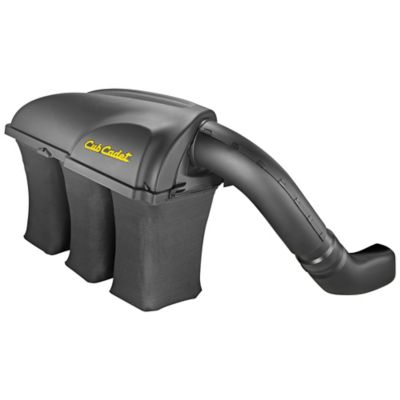
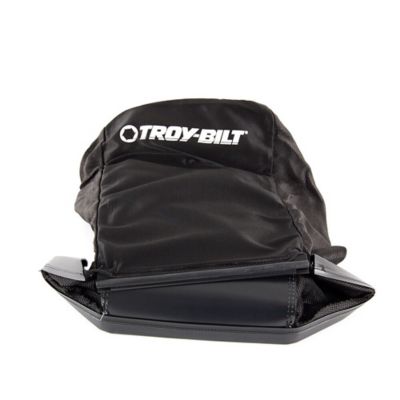
Grass sweeper features are most useful when they match the way debris gets gathered, moved and emptied around the property. Some tow-behind hoppers have a rope or lever that allows unloading from the mower seat; others require stopping and handling the hopper directly. Push sweepers often involve lifting, tipping or removing the collection bag, so a manageable loaded weight matters as much as the stated capacity. A compost area near the lawn can shorten unloading trips, while a collection point across the property makes travel distance part of the job. Grass clippings and leaves may be suitable for composting when local guidance and any lawn-treatment restrictions allow it. Keeping stones, wire, string and other unwanted material out of the hopper helps protect both the sweeper and the destination for the debris. Long strands can wrap around brushes or axles, and larger sticks can interfere with pickup. Routine care usually includes clearing trapped material, checking hardware and inspecting bristles, wheels and bag seams for wear. Moving parts may need lubrication according to the equipment instructions, but the correct locations and lubricant depend on the design. A fabric hopper benefits from being emptied and allowed to dry before storage, rather than sitting packed with damp clippings. Metal parts also fare better when grass buildup and trapped moisture are cleared away. Folding frames, collapsible hoppers and removable bags can reduce the space a sweeper takes up in a shed or garage, though the folded dimensions still need to fit the planned storage spot. A sweeper collects debris after it lands on the lawn, while compatible mower bagging setups collect clippings during cutting;
Grass Bags belong with that part of the yard-care setup. Neither approach suits every property or every cleanup task. For grass sweepers, the most practical match balances working width, collection capacity, maneuverability and storage space with the actual ground to cover. Whether the job is gathering clippings beside the driveway or making long passes across an open yard, those details help keep the equipment suited to the work.