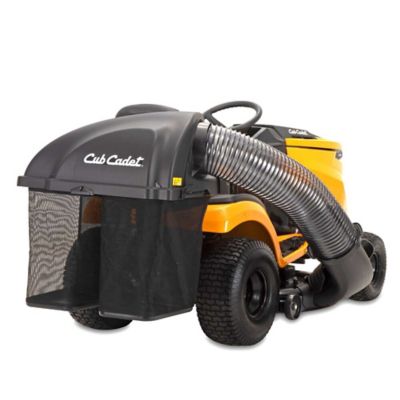
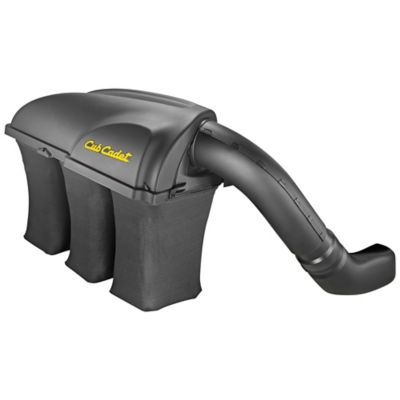
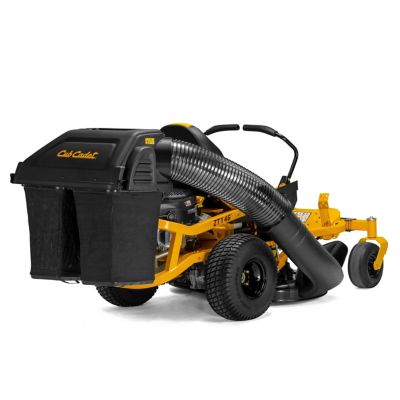
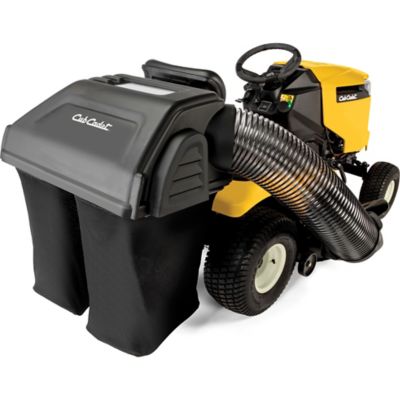
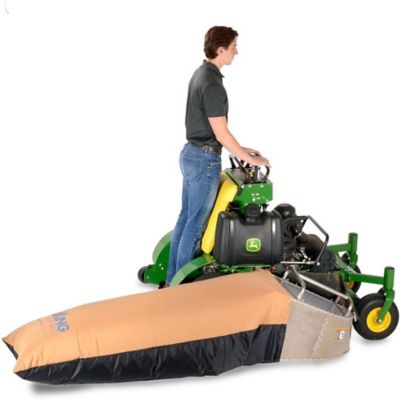
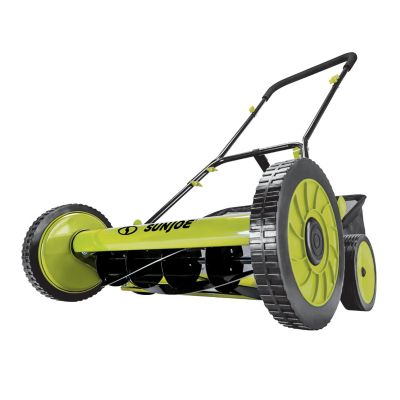
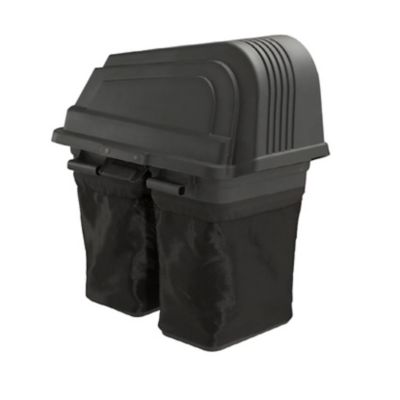
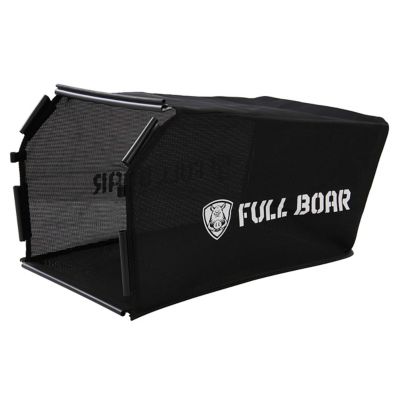
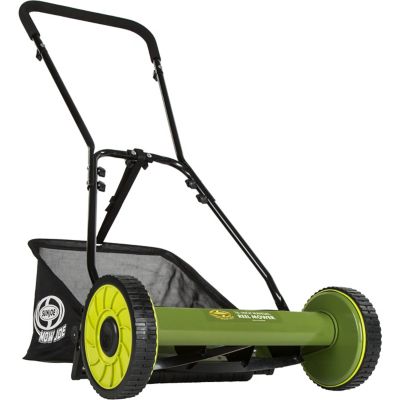
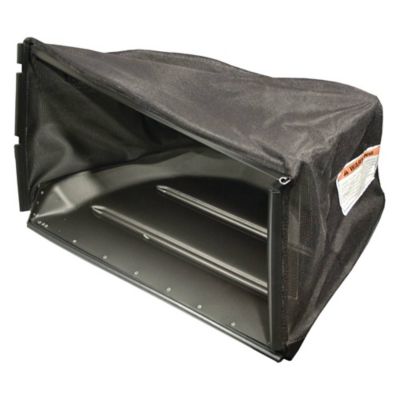
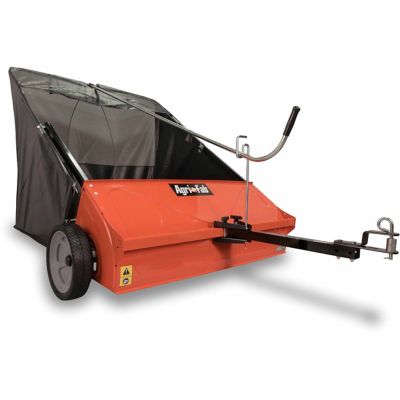
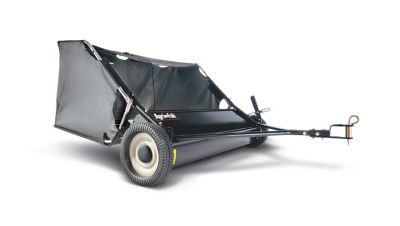
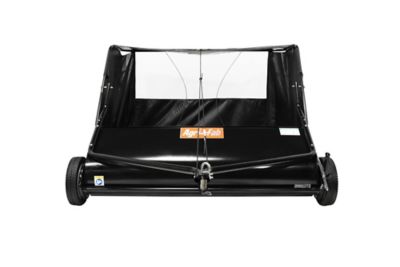
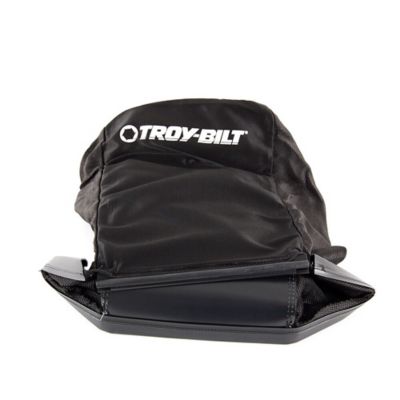
A grass catcher is a mower attachment that collects grass clippings and leaves in a bag or container as you mow, helping keep loose material off the lawn, walkways and driveway. For anyone tending a yard around the house, keeping a farmstead tidy or maintaining several properties, that can mean less raking after the mower goes back in the shed. There’s a familiar difference between finishing a pass across the yard and actually being done: loose clippings still gather beside the porch, scatter across the gravel edge and hitch a ride indoors on muddy boots. Lawn mower grass catchers help bring those finishing chores into the mowing job itself. They come in several general styles, with the right fit depending on the mower and the ground you cover. Walk-behind mower bags typically attach at the rear of a compatible mower and collect clippings in a fabric or mesh container. Riding mower baggers often mount behind the machine, carrying material through a discharge chute into one or more collection bags. Side-mount grass catchers attach beside the discharge opening on compatible equipment and may feature a rigid metal collection box. Some larger collection systems offer assisted dumping, though that feature depends on the equipment and attachment design. These differences matter when your mowing route includes narrow gates, fence lines, low branches or tight turns around the garden. A catcher adds to the mower’s working footprint, and a rear-mounted bagger can extend farther behind the seat than you might expect. For a small home lawn, a manageable bag that comes off easily may be more useful than extra capacity. On a broad stretch of grass around an acreage, fewer stops to empty the catcher can make a bigger difference. The goal is a collection setup that suits both the machine and the everyday work, whether that means gathering ordinary clippings or picking up scattered leaves during the cooler months.
Mower compatibility is the first purchase consideration for any grass catcher, ahead of bag size or construction material. A catcher isn’t automatically interchangeable with another attachment that looks similar. The mower’s model, deck width, discharge arrangement and mounting points all help determine what fits, and some installations require a particular chute, bracket, blade configuration or additional hardware. Checking the attachment’s fit information against the mower’s model details helps avoid a bagger that won’t connect properly or interferes with normal operation. It’s also worth checking what comes with the attachment rather than assuming every connecting piece is included. Once fit is settled, collection capacity and handling deserve a close look. A larger hopper may let you cover more ground between stops, but full containers can be heavy, especially when clippings hold moisture. Smaller removable bags can be easier to lift and carry to a collection spot, while assisted-dump designs may reduce lifting on compatible machines. Think about the trip from the mower to the compost area or yard-waste container, not just the distance across the lawn. Handles, opening size and the way a bag releases from its frame can affect how much fuss that last part takes. Fabric collection bags depend on airflow through the material, while rigid catchers may use screened or vented surfaces; either design needs clear airflow to collect well. Damp grass, packed leaves and an overfilled bag can restrict that flow and lead to plugging. Collection performance also depends on grass height, mowing speed and the condition of the mower’s cutting and discharge components. A powered collection system may help move material on equipment built to support it, but it won’t make every mowing condition suitable for bagging. For sloped ground, follow the mower manufacturer’s limits and any attachment requirements, including specified ballast. Added weight and a changed machine footprint deserve attention around ditches and uneven ground. Storage matters, too: a catcher that fits the yard still needs a sensible place in the shed, along with room to inspect, clean and dry its bags or container.
Grass catchers are especially handy when the lawn needs a clean finish without leaving heavy rows of clippings behind. Around a porch, play area or frequently traveled path, collecting cut grass can help keep loose material from spreading to the places where folks sit, walk and gather. Property caretakers and mowing crews may value that same tidy finish along sidewalks and shared outdoor spaces. During the cooler months, a compatible mower and catcher can also gather manageable amounts of fallen leaves while the grass still needs cutting. Dry, scattered leaves generally collect more readily than a thick, wet blanket, and capacity can fill quickly where mature trees shade the yard. A catcher isn’t a substitute for clearing branches, stones or other debris before mowing, and deep leaf piles may call for separate cleanup equipment. Removing excess leaves and heavy grass clumps helps keep them from forming a dense mat over the turf, but bagging isn’t necessary at every mowing. Short, evenly spread clippings can return nutrients to the soil when lawn conditions allow. Having a collection attachment gives you another option when growth gets ahead of the schedule or when the yard needs a neater finish. Collected material also has to go somewhere, so local yard-waste rules, composting space and any lawn-treatment restrictions are part of the purchase picture. Grass treated with certain herbicides may carry restrictions on composting or reuse; the treatment label is the place to check. If cleanup reveals thin areas, collection alone won’t repair the turf. For lawns with grass types that establish through plugs,
Grass Plugs may be part of a separate repair plan, with planting timed to the variety and local growing conditions. A well-matched grass catcher earns its place through practical details: enough capacity for the mowing route, manageable emptying and a connection built for the mower. Before clearing a blockage or servicing the attachment, shut the mower down and follow its safety instructions. Those details help keep the work straightforward, from the first pass beside the fence to the last load headed away from the lawn.