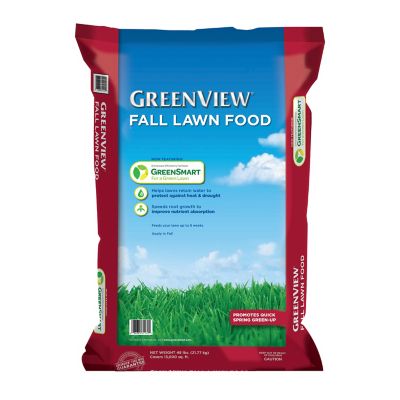
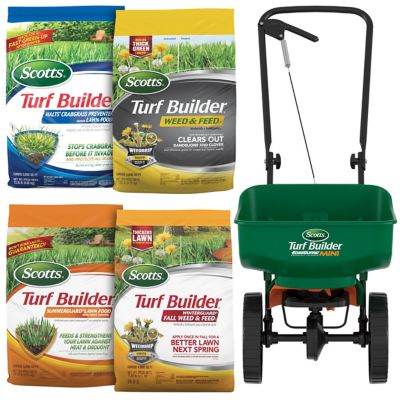
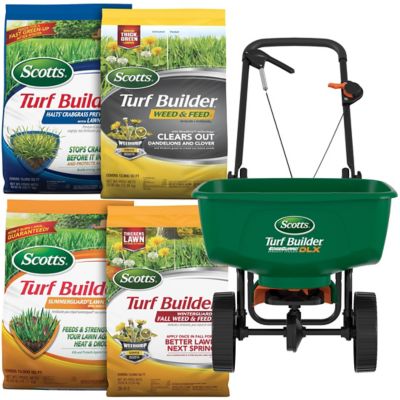
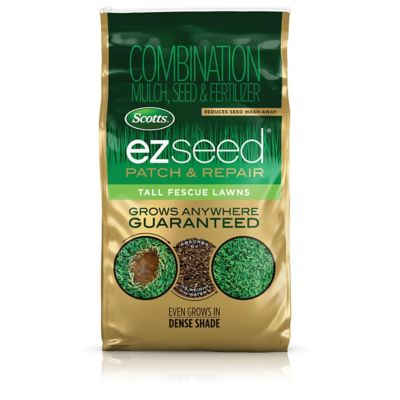
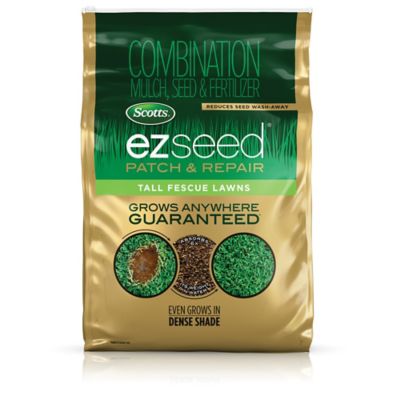
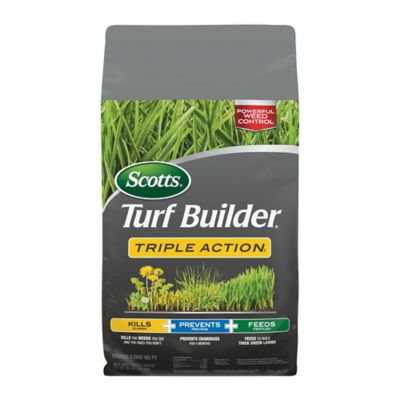
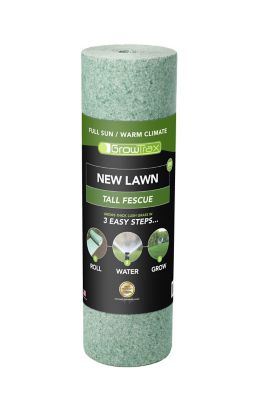
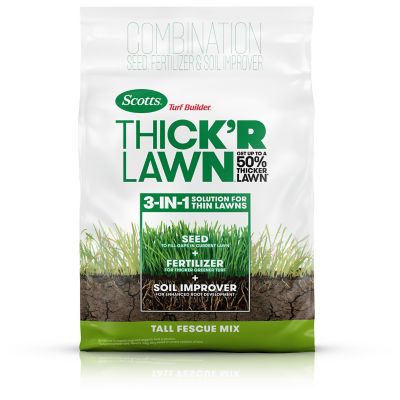
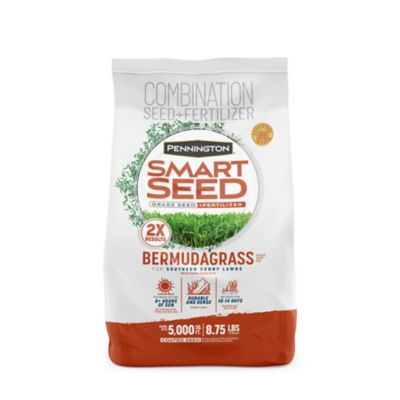
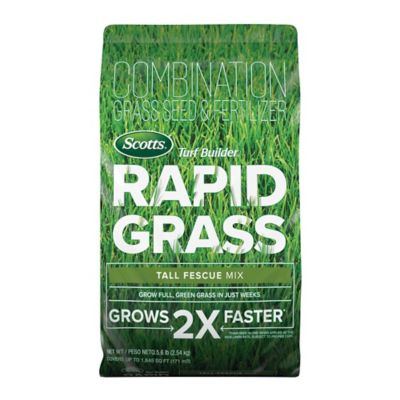
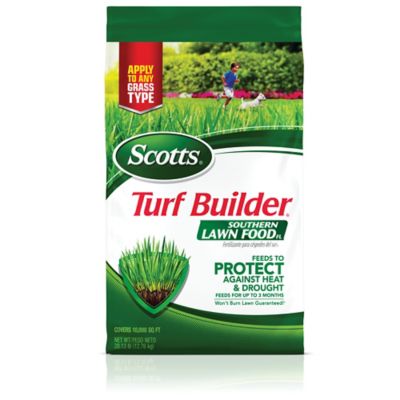
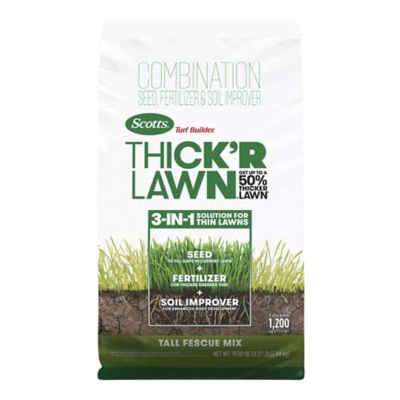
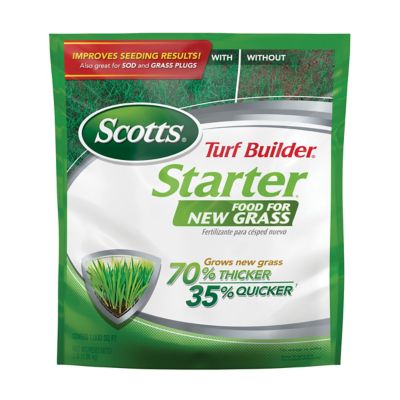
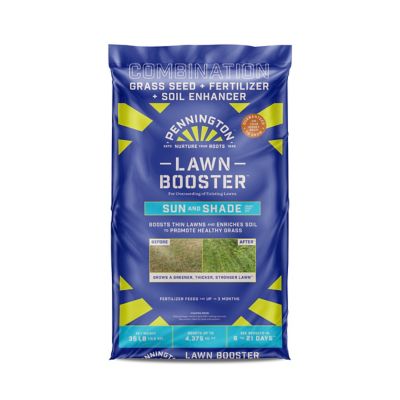
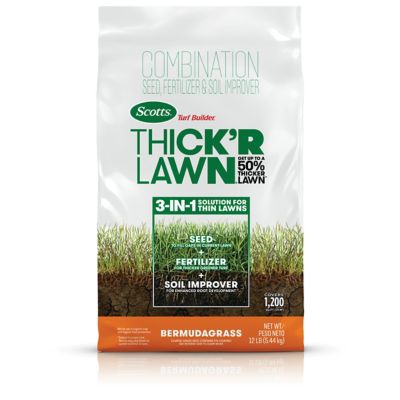
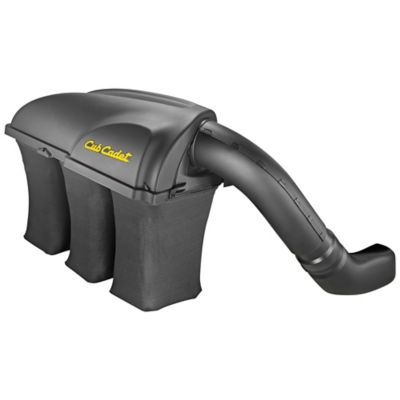
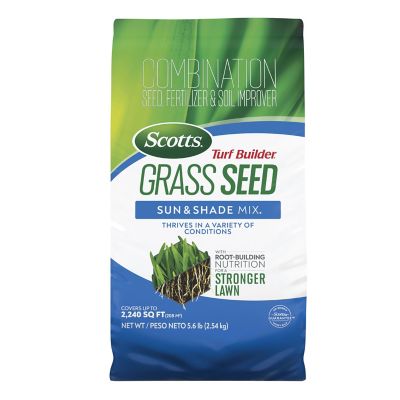
Healthy grass starts below the mower line, where roots depend on a steady supply of nutrients to build strong blades, fill in bare areas and handle the everyday wear that comes with pets, kids, livestock, weather and foot traffic. Grass needs 16 essential nutrients, and each one plays a part in keeping a lawn, pasture edge or planted area growing well. The three primary nutrients are nitrogen, phosphorus and potassium, commonly shown as the N-P-K numbers on a fertilizer label. Nitrogen, the first number, supports green top growth and helps grass develop new blades. Phosphorus, the second number, helps with root formation and is especially useful when establishing grass from seed or sod where local conditions and soil needs call for it. Potassium, the third number, supports sturdy cell structure and helps grass stand up to drought, disease, heavy use and temperature swings. Secondary nutrients and micronutrients matter, too. Iron can encourage a deeper green color without the same push toward fast, soft top growth that may come from adding more nitrogen. Sulfur supports protein production and helps grass use nitrogen efficiently, while nutrients such as zinc, manganese and copper support important plant processes from the roots upward. Grass nutrient products are useful for homeowners tending a small patch by the porch, property owners caring for several acres, and anyone trying to keep high-use areas looking more even and established. They can also be a practical gift for a new homeowner, a neighbor who takes pride in a tidy yard or a family member getting a place ready for outdoor gatherings. A sturdy spreader, a clean pair of work gloves and a way to carry or store lawn supplies—such as
Grass Bags—can make routine lawn work a little easier from one season to the next.
Choosing the right grass nutrients starts with looking at the grass, the soil and the job at hand rather than reaching for the highest first number on the shelf. Cool-season grasses and warm-season grasses have different growth patterns, and a lawn that is actively growing may call for a different nutrient balance than grass slowing down during cooler weather. A soil test is one of the best ways to find out what is actually missing, especially when the lawn has been fed several times, the soil is naturally sandy or heavy with clay, or the same yellowing and thin growth keeps coming back. Test results can help guide the choice between a balanced blend, a product with more nitrogen, a root-focused formulation or a supplement that supplies iron and other supporting nutrients. Look closely at the label for the N-P-K analysis, coverage area, application rate and directions for the type of grass being treated. Granular nutrients are handy for even coverage with a broadcast or drop spreader, while liquid formulas can be useful when quick, uniform application is preferred and the label allows that use. Slow-release options can provide a steadier supply over time, while fast-available nutrients may show results sooner but require careful measuring and timing. Apply only the amount recommended on the package; more is not better, and too much nitrogen can lead to tall, weak growth, extra mowing and an increased risk of runoff or lawn damage. Watering instructions vary, so follow the label and keep an eye on the forecast. Avoid spreading on hard, dry ground when the material could blow away, and take care around driveways, sidewalks, drainage ditches, ponds and other places where nutrients should not collect. Sweeping granules off paved surfaces and keeping children and pets away until the label says the area is ready for use are simple habits that help protect the whole property.
Grass nutrient needs can change as weather and growing conditions shift. During the warmer part of the season, grass may use nutrients quickly while coping with heat, foot traffic and dry spells. A balanced feeding plan, adequate moisture and mowing at the proper height can help it keep building roots instead of being pushed into weak, rushed growth. As conditions turn cooler, many lawns benefit from attention to root strength and overall durability, but the best choice depends on the grass variety, soil test results and local recommendations. Thin spots may need more than nutrients alone: compacted ground, poor drainage, shade, insects, disease, improper mowing or uneven watering can all limit growth. In those cases, loosening the soil, adjusting irrigation, removing excess thatch or reseeding at the right time may be just as important as feeding. Nutrients are also not a substitute for good soil preparation when starting a new lawn or repairing a worn area. Keep bags sealed and dry between uses, store them where animals cannot reach them, and use clean measuring and spreading equipment so one material does not contaminate another. Whether the goal is a soft green lawn around the farmhouse, stronger grass beside a barn or a more dependable patch for family and pets, the right nutrient product can support steady growth when it is matched to the grass and applied with care. A little attention to the label, the soil and the way the ground responds will go a long way toward keeping grass thicker, greener and better prepared for the changing conditions ahead.