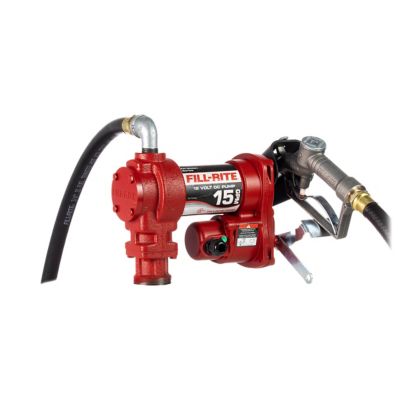
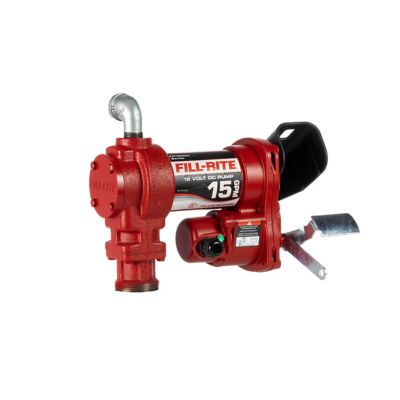
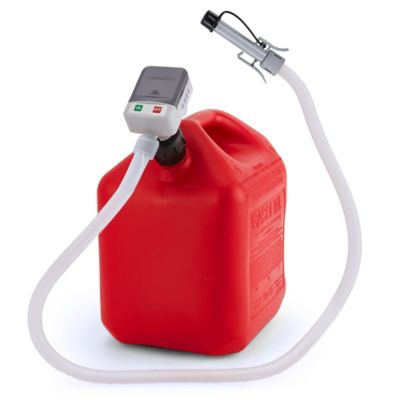
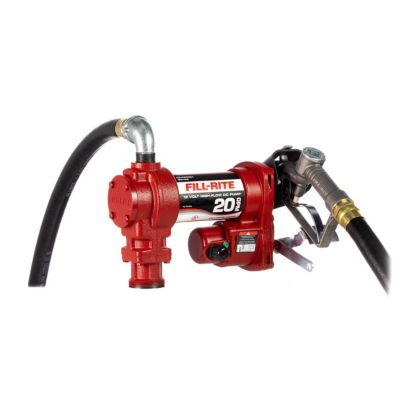
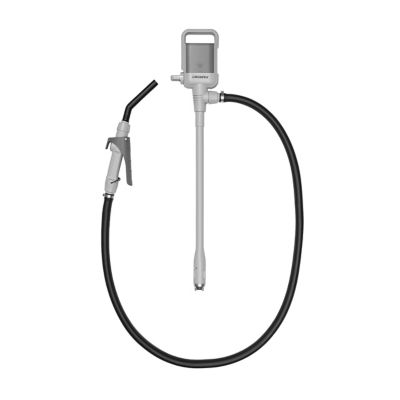
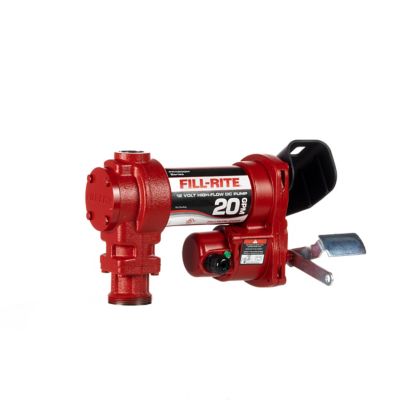
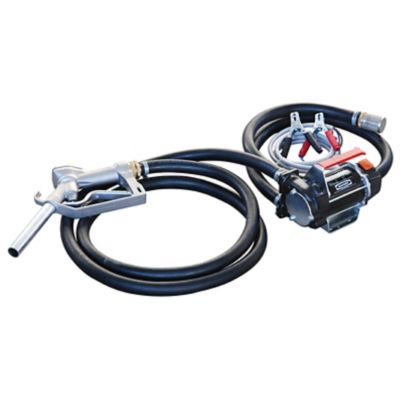
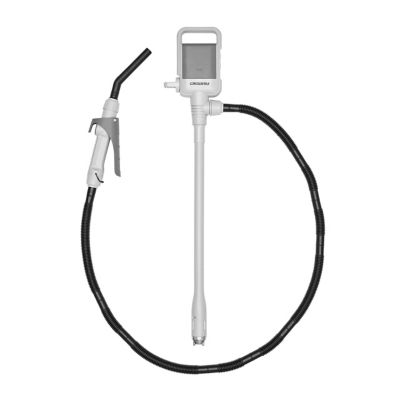
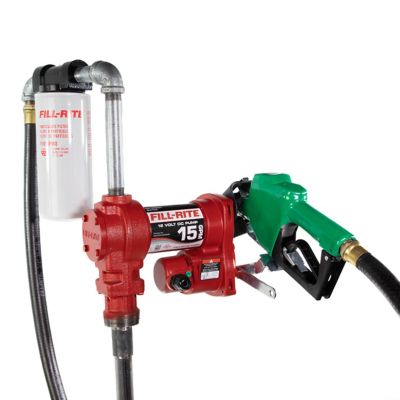
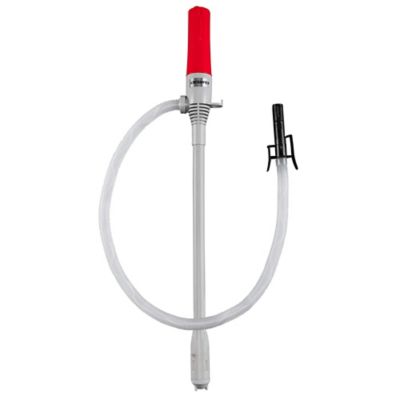
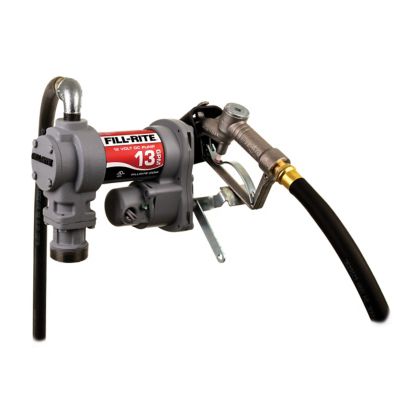
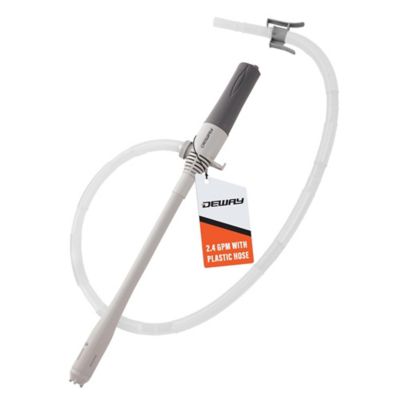
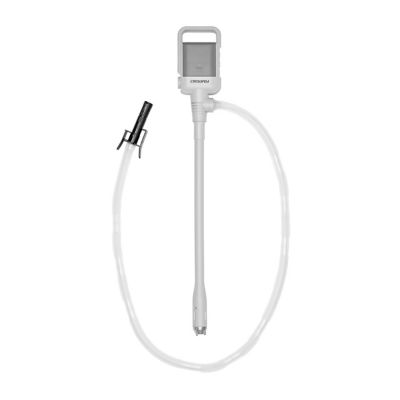
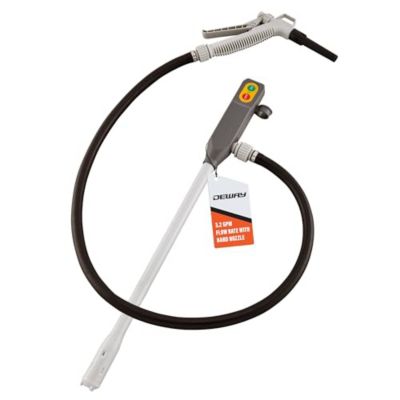
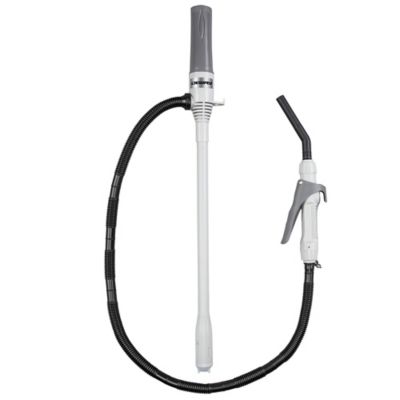
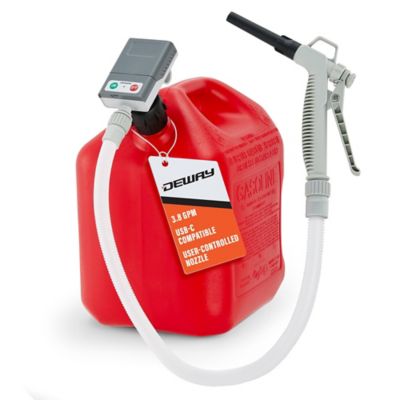
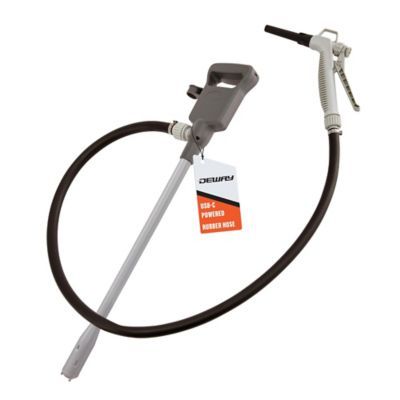
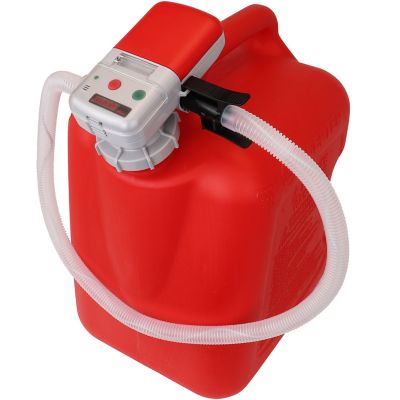
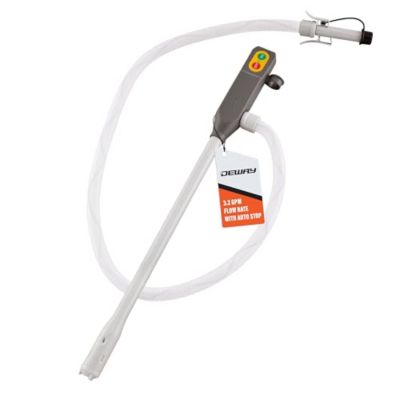
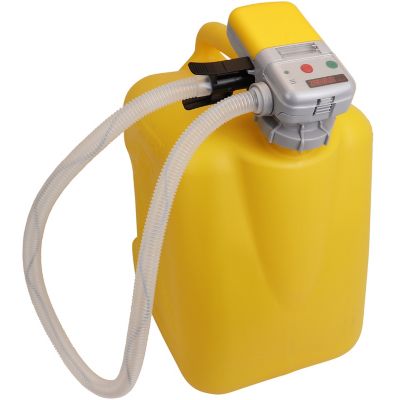
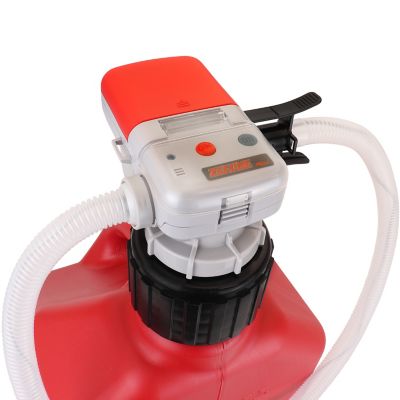
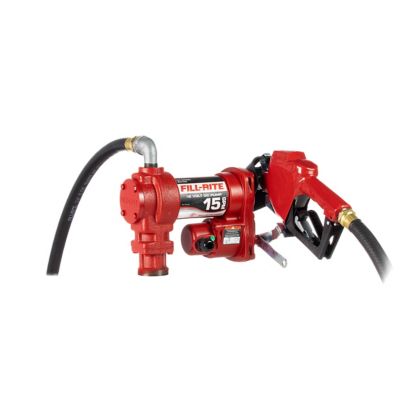
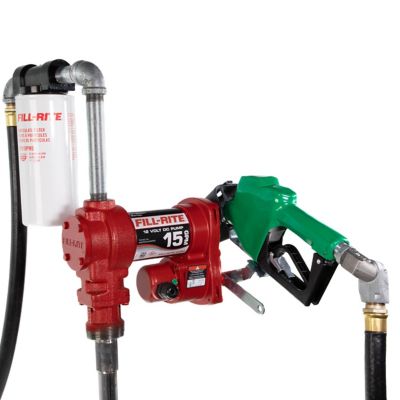
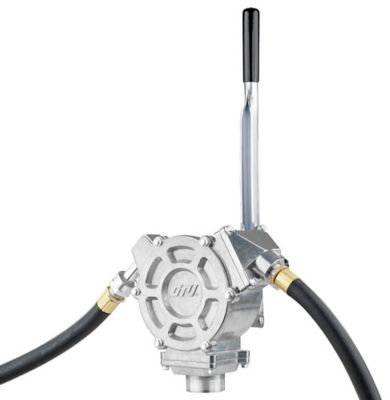
Battery-operated fuel transfer pumps move fuel from an approved storage container to an equipment tank without a wall outlet or the strain of lifting and tipping a heavy can. Depending on their fuel ratings, these pumps can handle gasoline, diesel or kerosene, but those fuels are not interchangeable across every pump. A pump rated for diesel is not automatically suitable for gasoline, and a battery-powered water pump is no substitute for equipment designed to transfer fuel. That distinction matters whether the job involves filling a riding mower beside the shed, topping off a tractor near the implement barn or fueling equipment where electrical service stops at the end of the driveway. Battery power brings the transfer setup closer to the work, while a hose and dispensing nozzle give the operator more control over where the fuel goes. For smaller tanks, a compact pump can make filling easier without balancing a full container above a narrow opening. For larger equipment, a higher-flow setup can shorten the time spent transferring fuel from a compatible drum or storage tank. The best fit depends on the amount of fuel being moved, the container it comes from and the size of the receiving tank. A fast flow rate is helpful for a larger tractor tank, but a small mower tank calls for a manageable stream and a nozzle that fits the opening. Published flow rates also depend on the test conditions; hose length, lift, battery condition and other parts of the setup can affect actual delivery. These pumps serve property owners, farmers, equipment operators and folks maintaining several machines around a shop or acreage. Their value is straightforward: keeping fuel transfer manageable when pouring by hand is awkward or repeated trips back to a fixed fueling point would interrupt the work. They are transfer equipment, not replacements for an engine’s fuel pump, and their intended job is moving compatible fuel between approved containers and tanks.
Power source and physical fit are two of the biggest differences among battery-operated fuel transfer pumps. Some designs run on replaceable batteries, some have a rechargeable battery, and others connect to a specified external battery supply, such as a compatible 12-volt source. Cordless designs that accept a removable battery pack require the correct battery system; a similar-looking pack does not establish electrical or mechanical compatibility. Battery capacity affects working time, while the pump’s duty-cycle rating determines how long it can operate before a required rest period. Those details matter for anyone filling several pieces of equipment in one stretch rather than topping off a single small tank. The storage container deserves just as much attention as the power supply. An intake tube needs enough reach for the container’s depth, and a tank-mounted pump needs the right opening, thread size and mounting arrangement. A hose should reach the equipment comfortably without pulling against the pump or forcing the operator to stretch across a tire or fender. Extra hose is not always an advantage, since longer runs can add resistance and leave more hose to manage underfoot. Nozzle size, hose diameter and connection type all need to work together. Materials matter, too: pump housings, impellers, seals, tubing and fittings must be compatible with the exact fuel and any permitted blend. A housing made from metal or a fuel-compatible polymer can suit different applications, but appearance alone does not establish fuel suitability or service life. Hose flexibility, protected electrical connections, secure fittings and resistance to everyday bumps are practical considerations around a busy equipment shed. A stable mounting arrangement also keeps the weight of the hose from tugging on the container opening. Shoppers comparing other portable pumping tasks can browse
Battery Powered Pumps, while checking each pump’s stated liquid compatibility before choosing it for fuel. Matching the whole setup helps prevent a capable pump from becoming a poor fit for the container or equipment.
Dispensing features can make a difference when the fill opening sits beneath a seat, behind a panel or alongside a fender. A nozzle with a comfortable grip and a clear view of the opening helps the operator manage the flow without wrestling a tilted fuel can. Where provided, an automatic shutoff or overflow-sensing feature can help control filling, but its operating requirements still matter, and fuel transfer always needs an attentive operator. A filter or strainer may help keep certain debris out of the receiving tank when the system supports one; it does not make contaminated fuel suitable for an engine or replace proper fuel storage. Features such as a hose holder, nozzle rest or protected switch can also make the setup easier to manage between jobs. For equipment that travels around a property, compact storage and a secure place for the hose can be more useful than the highest stated flow rate. For repeated fueling at a designated storage area, mounting fit, service access and replaceable wear parts may carry more weight. Care is largely about protecting the parts that contact fuel and catching trouble before the next fill. Hoses and seals need inspection for cracks, swelling, stiffness or seepage, while wiring, battery contacts and connections need attention according to the manufacturer’s directions. Storage requirements, permitted cleaning methods and whether fuel may remain inside the pump vary by design. Running a pump dry or beyond its duty cycle can damage components unless the manufacturer specifically allows it. Fuel transfer also calls for approved containers, ventilation, separation from ignition sources and any specified bonding or grounding measures. A battery-powered design does not remove the fire risks associated with fuel. With the right fuel rating, container fit and dispensing arrangement, a battery-operated fuel transfer pump can take much of the lifting and awkward pouring out of keeping equipment ready for the next job.