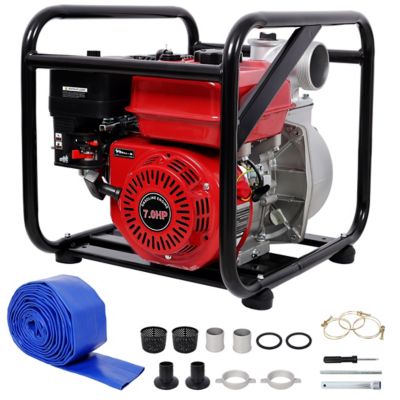
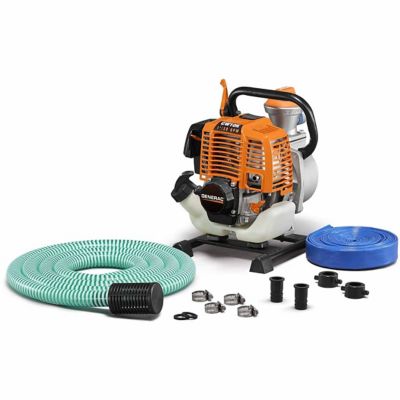
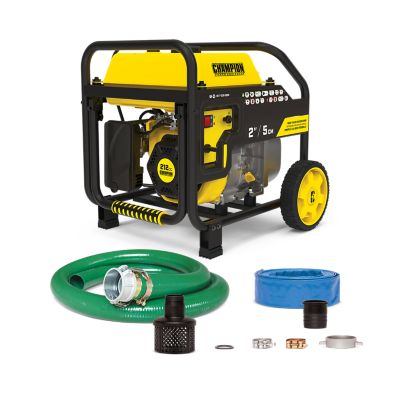
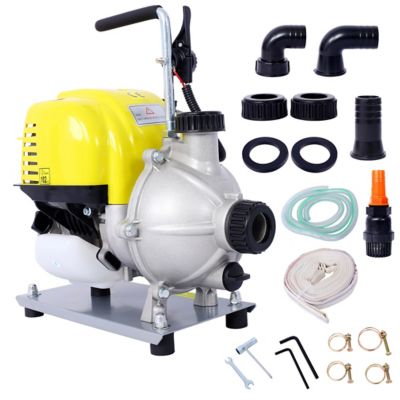
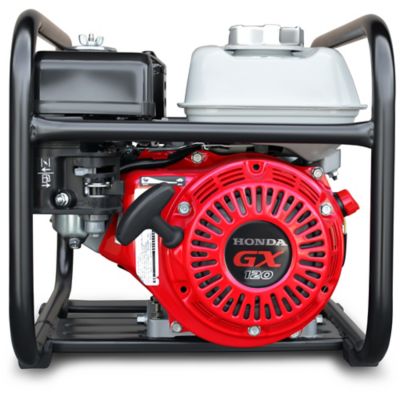
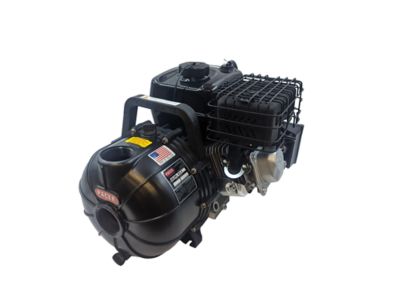
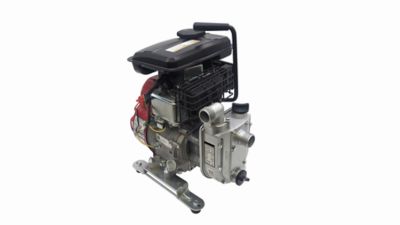
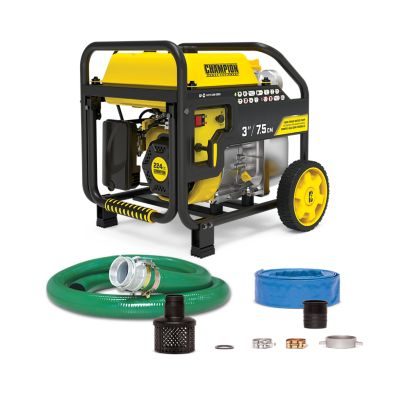
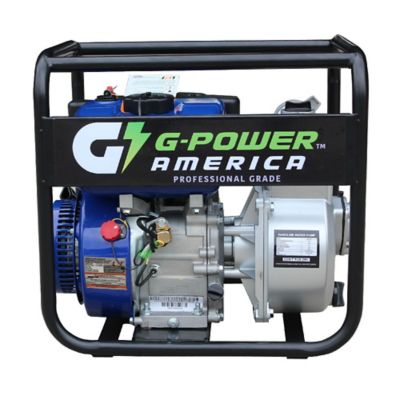
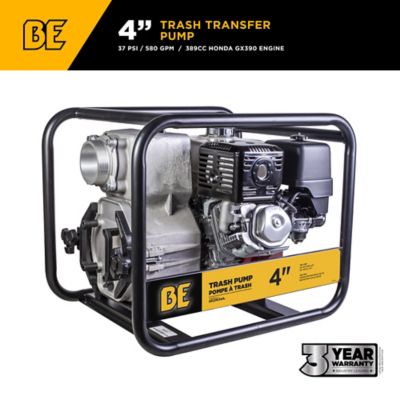
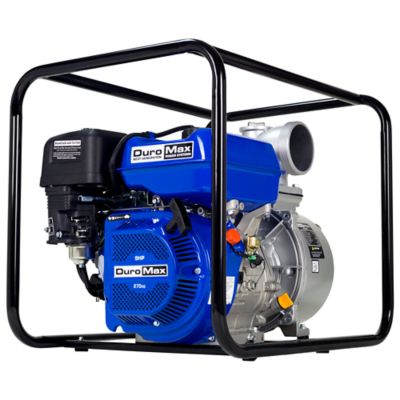
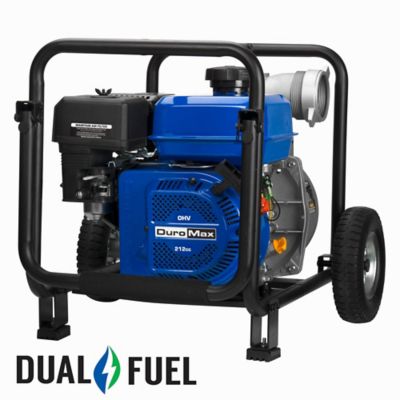
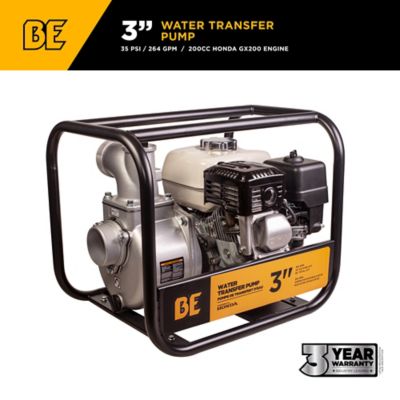
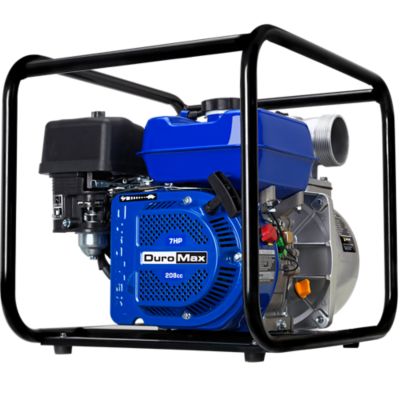
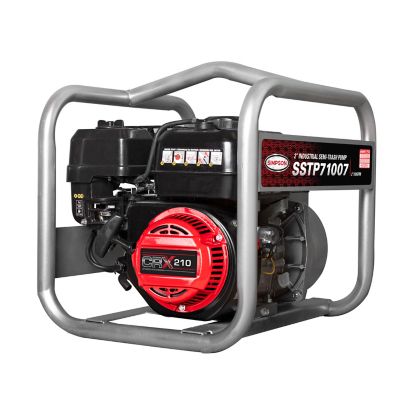
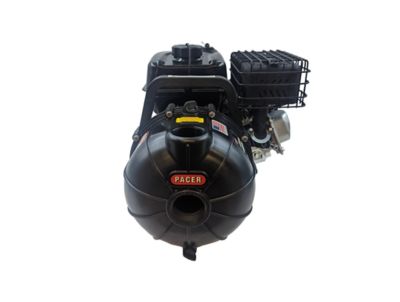
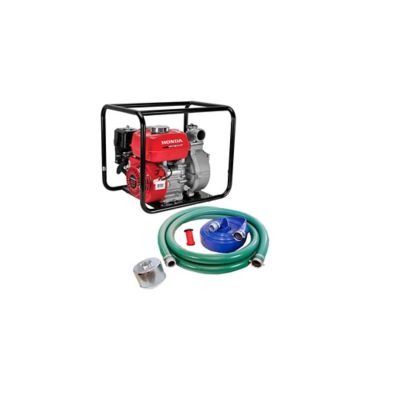
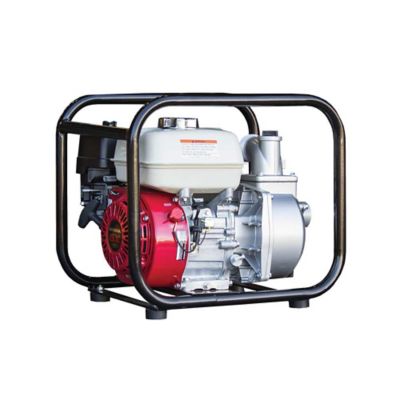
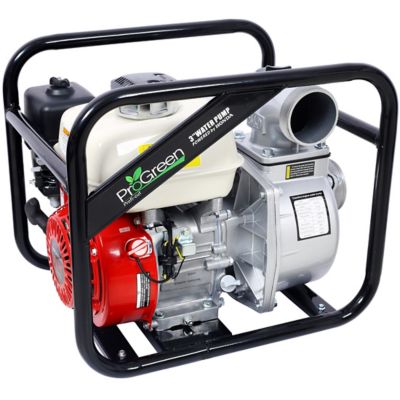
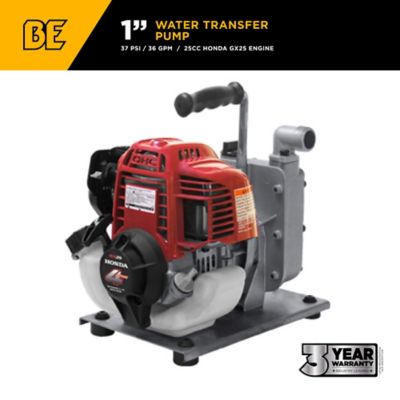
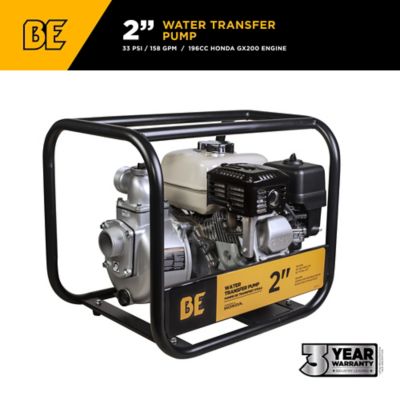
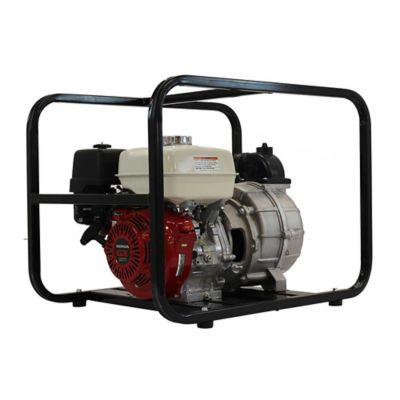
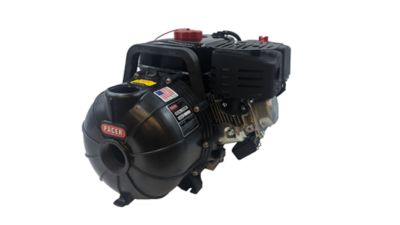
A gas-powered water transfer pump is a portable, gasoline-driven unit that moves water from one location to another without needing an electrical outlet. That makes it a practical fit for work out by a pond, across a pasture or at a jobsite where running an extension cord is not an option. These pumps can serve farm owners, ranchers, contractors and property owners handling jobs such as transferring water between tanks, draining an excavation or supplying an irrigation system. Most gas-powered transfer pumps use a centrifugal design, with an engine driving an impeller that moves water through the pump housing and into a discharge hose. The right match depends on the water being moved, the amount needed and the distance it has to travel. Clear-water pumps are intended for water with little or no suspended debris. Semi-trash pumps can handle certain small solids within their stated limits, while trash pumps are built for more demanding debris-handling work. Those labels are not interchangeable, and a pump’s maximum solids size matters more than a broad description of its intended job. Flow rate, measured in gallons per minute, or GPM, describes how much water a pump can move over time. Smaller units may move tens of gallons per minute, while larger transfer pumps can move several hundred under suitable conditions. A higher flow rating can shorten a tank-filling or drainage job, but the maximum number does not tell the whole story. Water output generally drops as lift, hose length and resistance increase. Maximum flow and maximum head are separate limits, not performance figures a pump delivers at the same time. A high-volume transfer pump also is not automatically the right choice for sprinklers or other equipment that needs substantial pressure. Comparing gas-powered models with other
Portable Water Pumps helps put power source, portability and operating needs in perspective. For a remote watering setup or a worksite without electrical service, the ability to carry the engine and pump together can be a real advantage.
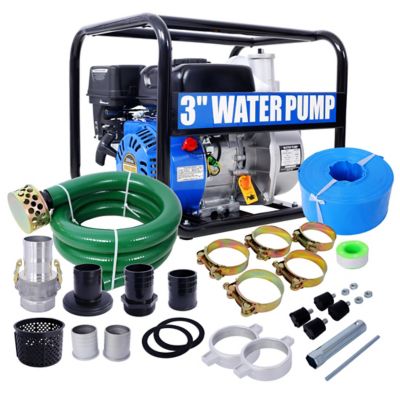
Hose fit and site layout have a big say in how well a water transfer pump performs once it leaves the truck bed. Inlet and outlet diameters determine the connection size, but matching diameter alone is not enough; thread type, adapters, couplings and gasket fit also need to line up. Larger ports can support greater flow, though the complete setup still has to match the pump’s ratings. A reinforced, non-collapsible suction hose belongs on the intake side because the vacuum created during pumping can flatten an ordinary discharge hose. On the outlet side, the hose needs the appropriate pressure rating and enough reach to deliver water where it belongs. A lay-flat discharge hose can be convenient to roll up and haul, while other hose constructions may better suit repeated routing around equipment or rough ground. Long hose runs, tight bends and unnecessary fittings add resistance, so two setups attached to the same pump can produce noticeably different results. Suction lift is another important measurement: it is the vertical distance from the water surface to the pump, not simply the length of the intake hose. Keeping that distance within the manufacturer’s limit helps the pump establish and maintain flow. An intake strainer matched to the pump helps keep oversized debris out, and positioning it above a muddy bottom reduces the sediment drawn into the system. Construction matters, too. Aluminum pump housings can help keep carrying weight manageable, while cast-iron components may appear in designs intended for heavier service. A steel frame offers carrying points and helps shield the engine and pump during transport. The housing, impeller, seals and gaskets must all suit the liquid being transferred. A pump rated for ordinary water should not be assumed suitable for saltwater, fertilizer mixtures, fuel or other chemicals. For livestock watering or any drinking-water application, the pump, hoses and fittings need ratings appropriate to that purpose. Handle placement, overall weight and access to service points also matter when one person is moving equipment between a shed, a trailer and the water source.
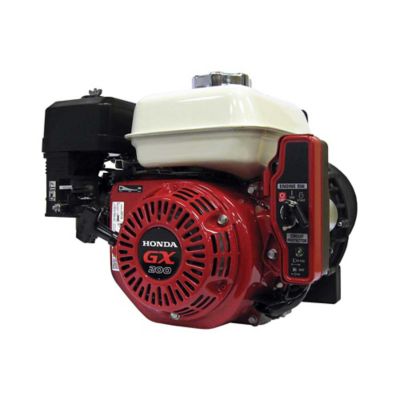
The engine side deserves just as much attention as the water-moving side. Engine displacement or horsepower provides useful context, but pump performance ratings are the better starting point for matching equipment to a task. A larger engine does not automatically make every tank transfer or irrigation job easier. Fuel tank capacity, expected run time, starting method and the accessibility of oil-fill and drain points all affect day-to-day operation. For someone moving water around a small acreage, manageable weight and straightforward connections may matter most; for a contractor handling repeated drainage work, flow under the expected lift and hose conditions may carry more weight. Most centrifugal gas-powered pumps require water in the pump housing before startup, including many models described as self-priming. That term generally means the pump can clear air from the suction line after the housing has been filled as directed, not that it can start completely dry. Running without water can damage seals and other components. Tight suction-side connections also matter because an air leak can interrupt priming even when no water is visibly dripping. Routine care includes checking engine oil, maintaining the air filter, inspecting hoses and gaskets, and clearing the intake strainer. After work with sediment-bearing water, flushing and draining the pump as directed helps limit buildup inside the housing. Storage requirements for the fuel system vary, so the engine manual is the right reference for longer breaks between jobs. Gas engines belong outdoors, away from doors, windows and air intakes; they must never operate inside a barn, garage, basement or other enclosed space because exhaust contains carbon monoxide. A stable operating spot, secure hoses and a discharge location that will not undermine soil or send water onto neighboring property are part of a workable setup. With pump capacity, water compatibility and hose connections matched to the job, gas-powered water transfer pumps can take much of the hauling out of moving water across a property.