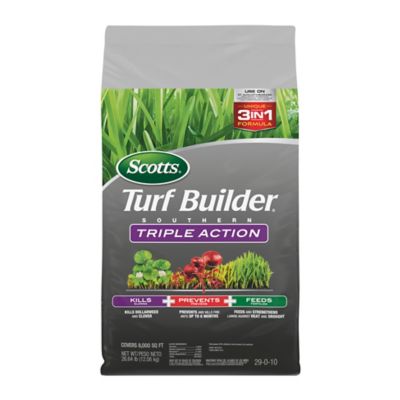
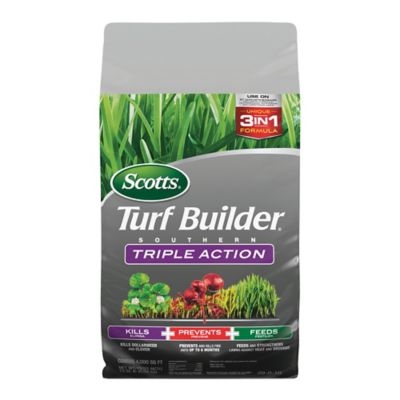
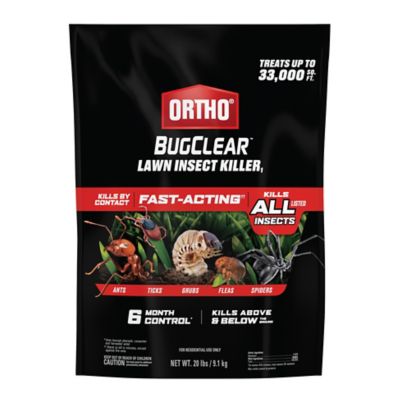
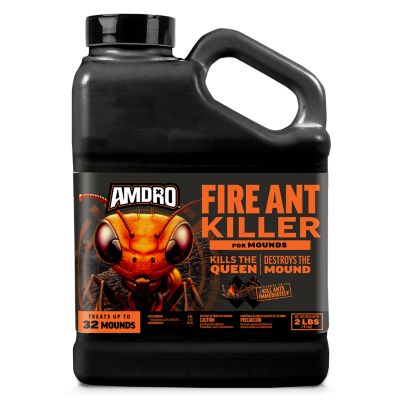
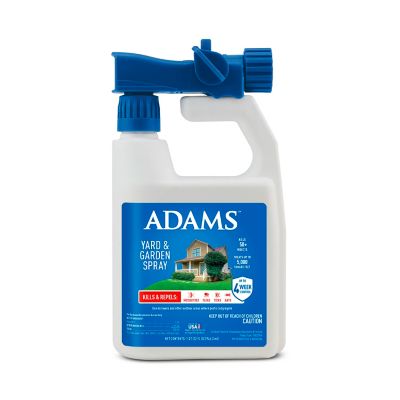
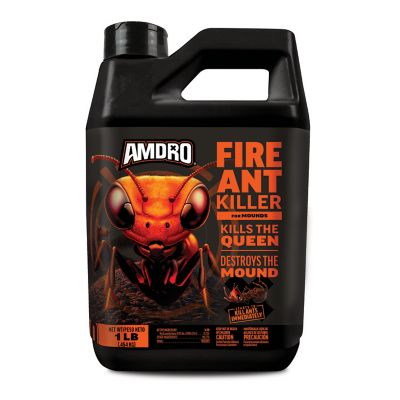
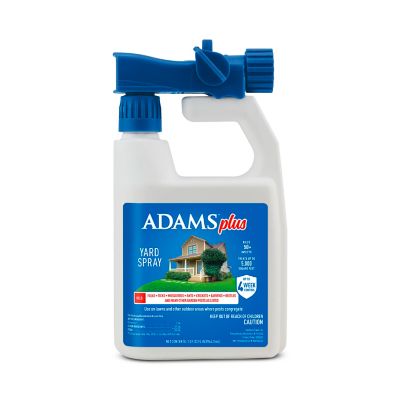
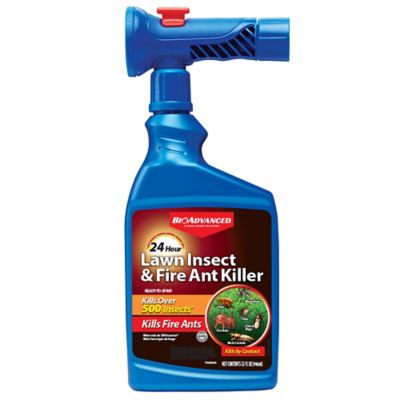
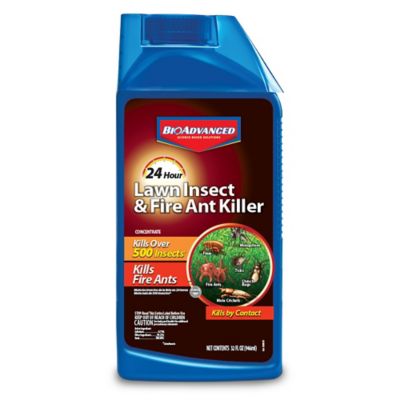
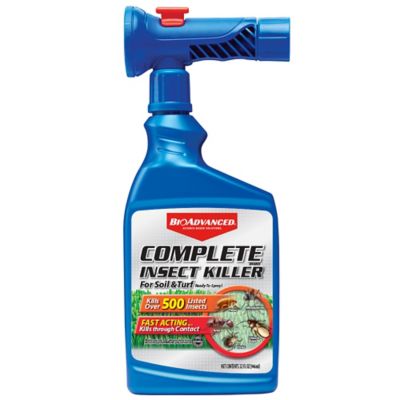
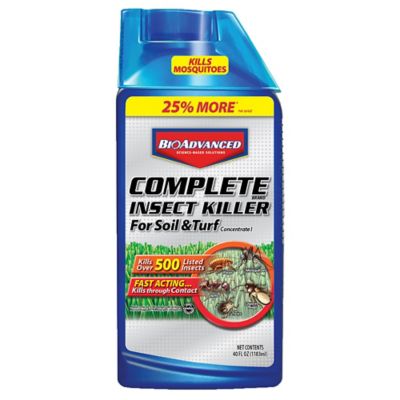
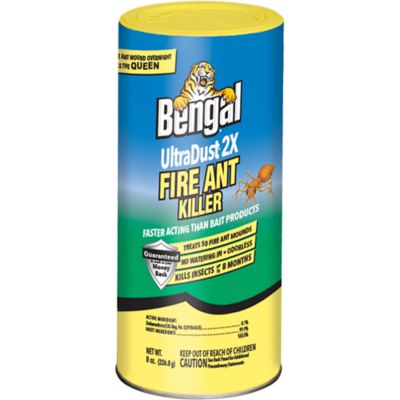
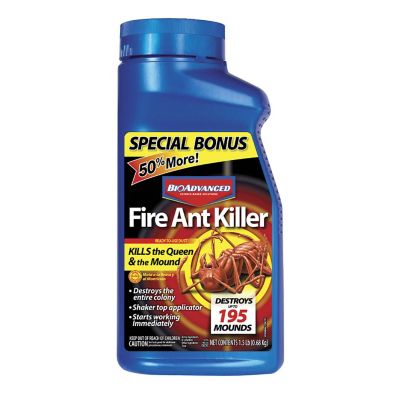
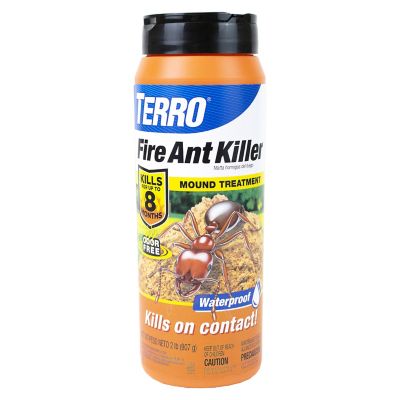
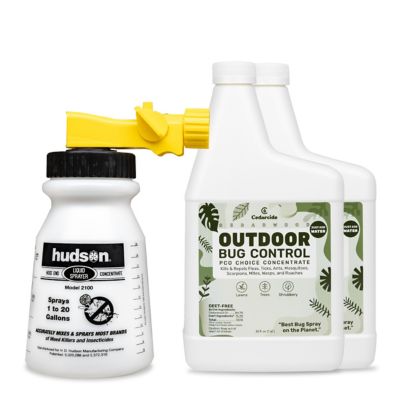
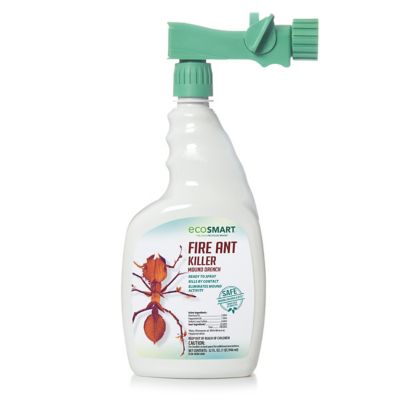
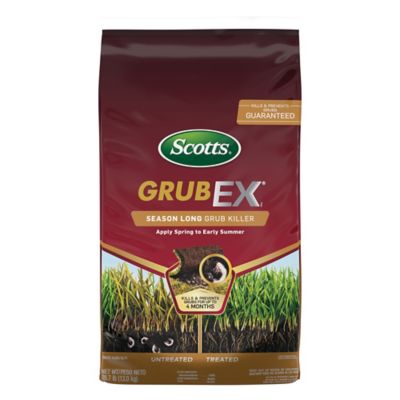
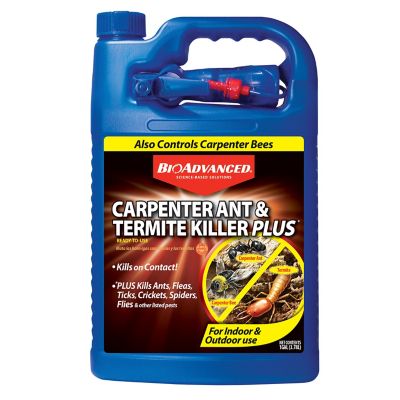
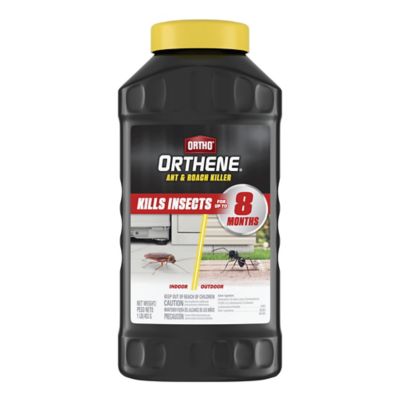
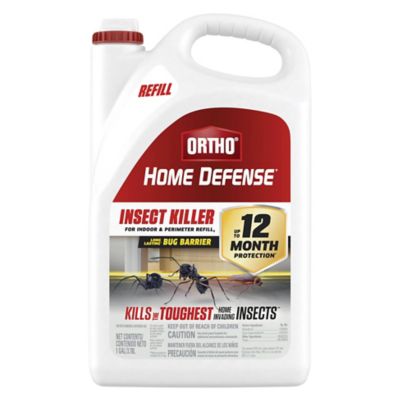
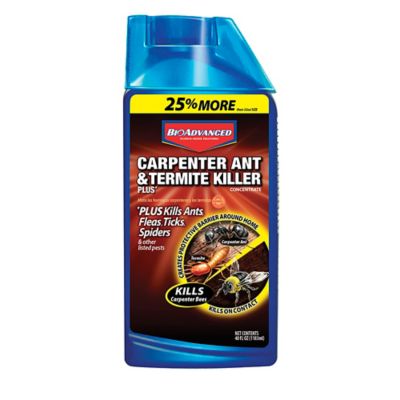
Fire ant mound treatments are made for homeowners, ranchers, gardeners, and anyone trying to keep biting ants out of the places where people, pets, and livestock spend time. A mound can look like nothing more than a loose patch of soil in the grass, but underneath, fire ants may be working through a deep network of tunnels. Treating the visible mound helps reach ants near the surface and can reduce activity around patios, driveways, play areas, garden edges, fence lines, animal pens, and other high-traffic spots. When choosing a treatment, start by considering how many mounds are present and how large the area is. A ready-to-use spot treatment can be a practical choice for a few isolated mounds, while a broadcast lawn treatment may make more sense when small mounds are scattered across a pasture, yard, or larger open space. Granules are often easy to measure and spread, while liquid concentrates or ready-to-use liquids can be useful when you prefer to drench a mound directly. Always read the product label before purchase and application, since directions, approved sites, application rates, watering instructions, and waiting periods can vary. If you are comparing options for several kinds of ants around the house, browse
Ant Control Products to find treatments suited to other ant activity as well.
For the best results, apply a fire ant mound treatment when ants are likely to be close to the surface, commonly during the cooler parts of the day such as early morning or late evening. Mild outdoor temperatures can make it easier to treat active mounds, while very hot, dry conditions may drive ants deeper into the soil. Pick a calm, dry stretch when rain is not expected soon, and check the label for any weather-related restrictions. For granular products, directions commonly call for spreading the recommended amount over the mound and across a surrounding perimeter, rather than placing all of the material in one small pile. A treatment area extending about three feet around the mound is often recommended on labels because fire ant activity can reach beyond the visible peak. Some granules work best when watered in gently after application; where the label calls for it, use the stated amount of water and apply it slowly so the treatment can soak into the mound instead of washing soil away or sending ants scattering. A low-pressure watering can or gentle hose setting is generally easier to control than a forceful spray. Liquid mound drenches also need careful, even application so the solution reaches the mound and surrounding soil. Do not guess at rates or substitute household liquids, and do not mix treatments unless the label specifically allows it. If the yard has several mounds, mark treated areas with a small flag or other visible marker, especially when grass is tall or the ground is busy with chores.
Safety matters just as much as coverage. Keep children, dogs, cats, poultry, and other animals away from treated areas for the full period stated on the label, and do not allow anyone to walk, play, dig, or graze there until the treatment has dried or the label says it is safe. Wear the protective clothing and equipment listed in the directions, avoid breathing dust from granules, and wash hands after handling any treatment. Store unused material in its original, closed container in a dry place away from feed, seed, food, and animal supplies. Mound treatments are handy for a homeowner keeping a path clear, a parent protecting a backyard play space, or a livestock owner tending the ground around gates and waterers. They can also make a useful practical gift for a new homeowner, weekend gardener, acreage owner, or relative who takes pride in a clean, comfortable yard; just make sure the treatment fits the intended use and that the recipient can follow the label. Fire ant activity may shift as weather changes, so inspect familiar trouble spots during warmer stretches and after rain, then treat new mounds according to label directions. A mound that disappears from view is not always the end of the colony, and fresh activity may show up nearby. Regular checks around sunny edges, disturbed soil, mulch beds, fence posts, and outdoor seating areas can help catch problems before a small mound turns into a painful surprise under a boot or bare foot.