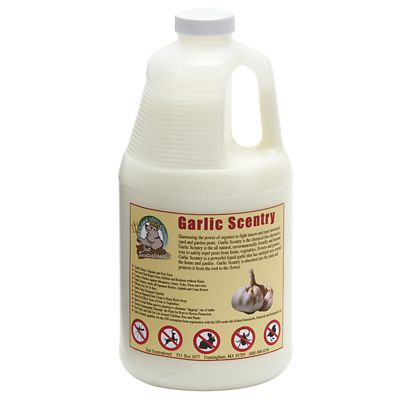
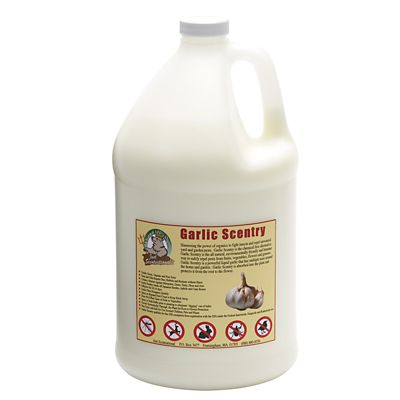
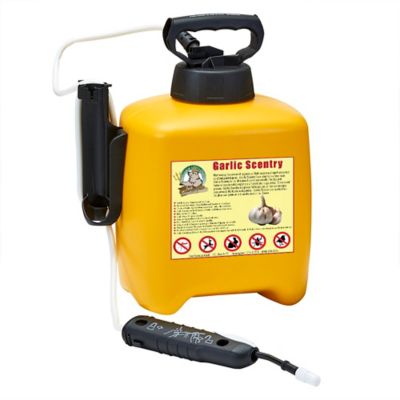
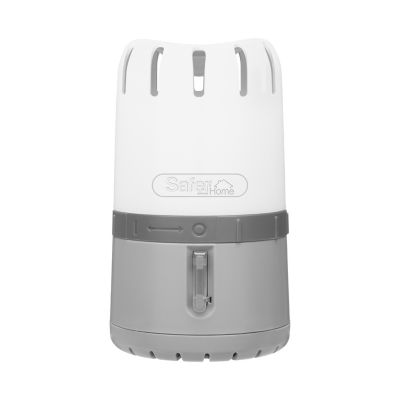
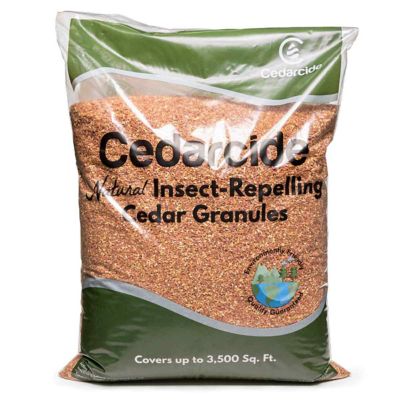
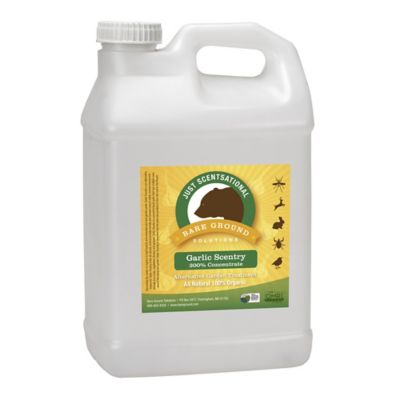
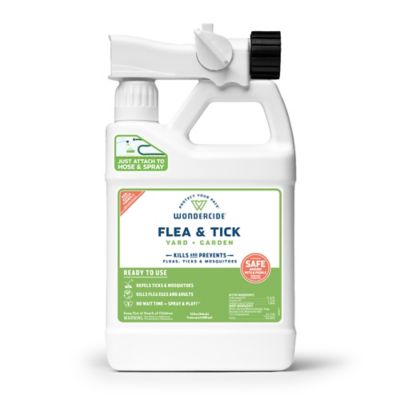
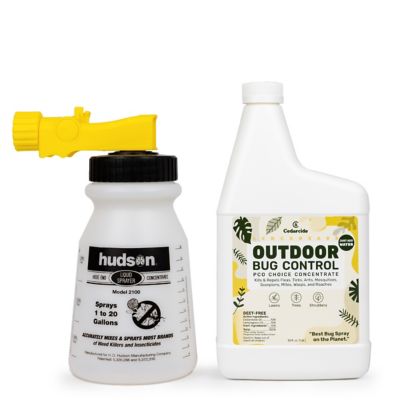
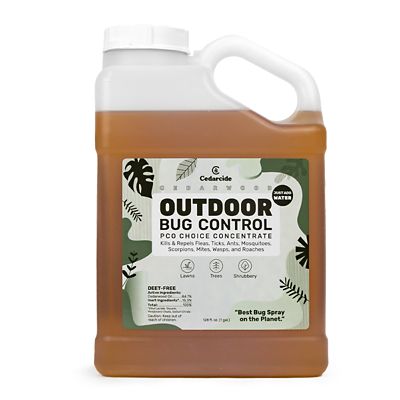
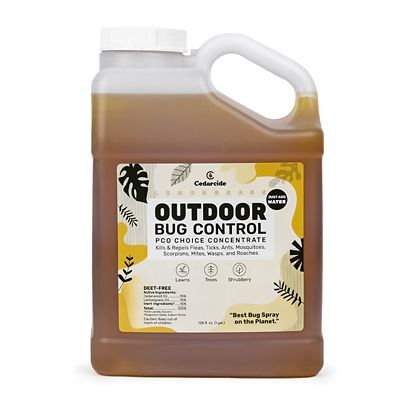
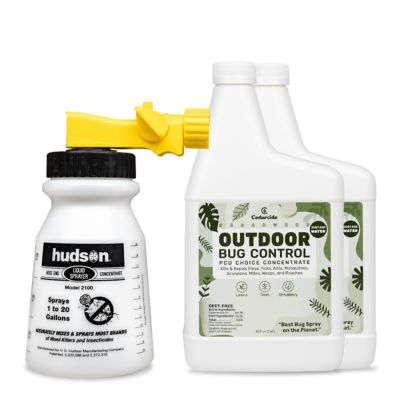
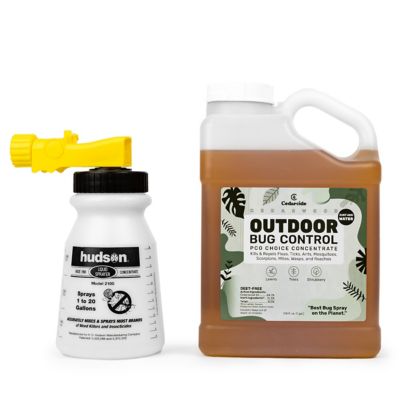
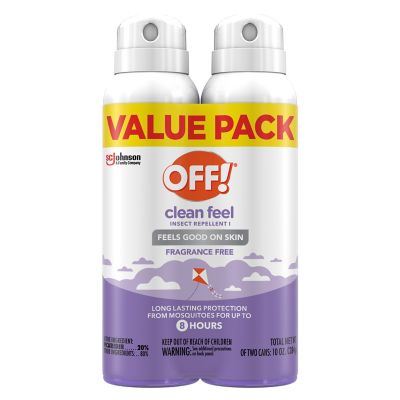
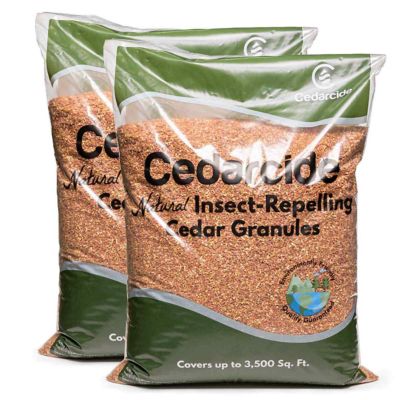
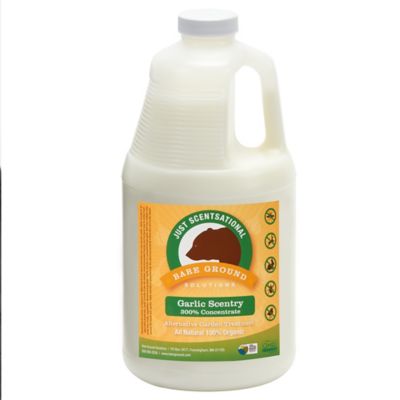
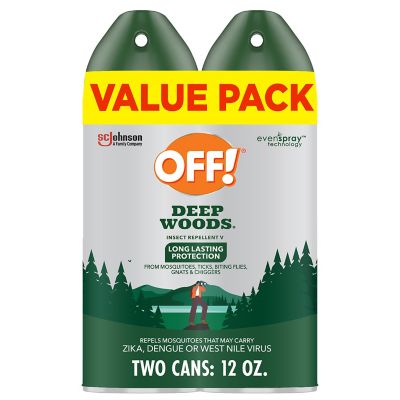
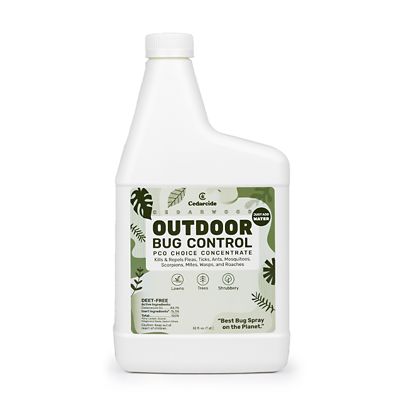
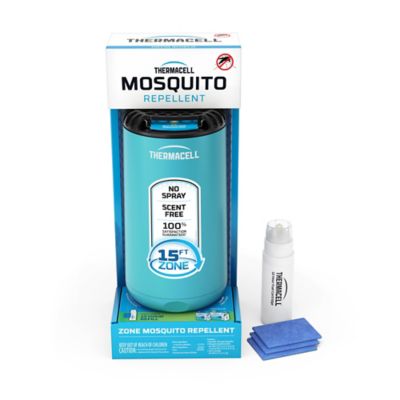
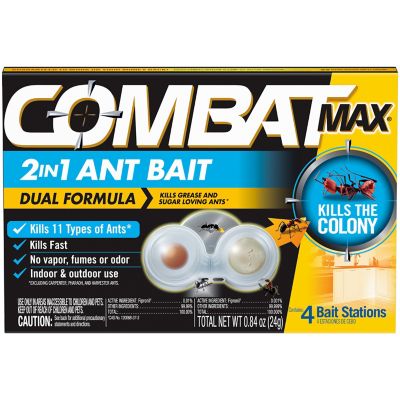
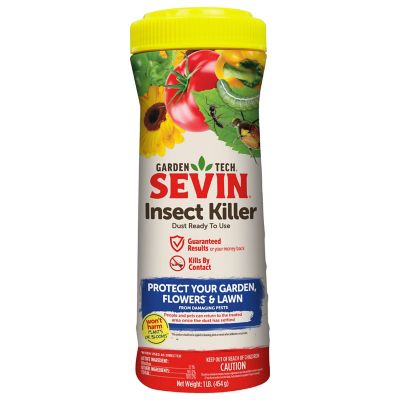
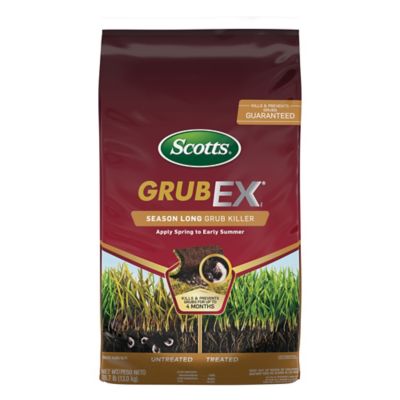
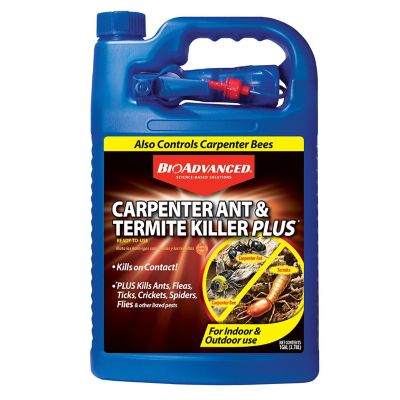
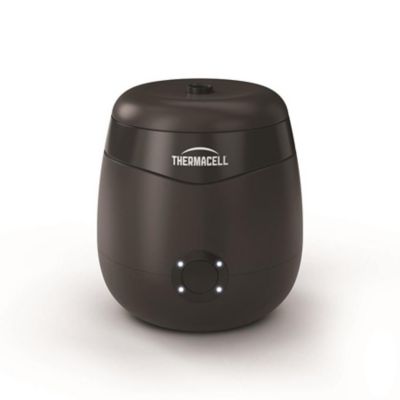
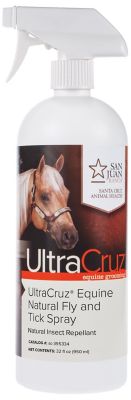
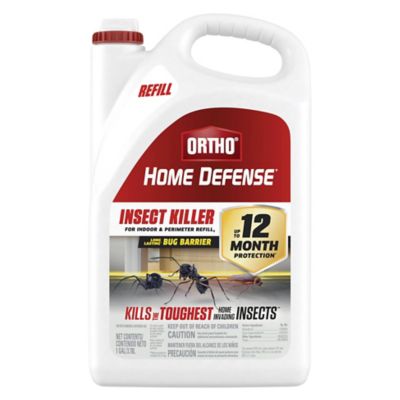
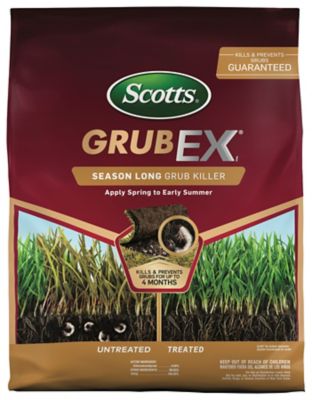
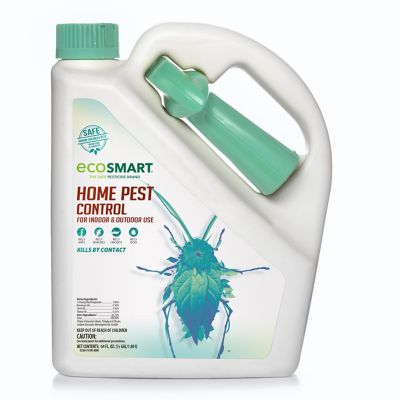
Yard insect repellents help discourage mosquitoes and other labeled pests from spending time around outdoor living spaces. The broader yard pest-control category also includes treatments that kill insects on contact, control pests on treated surfaces or interrupt mosquito development before adults emerge. Those differences matter when choosing something for a patio, a stretch of lawn or the grassy edges of a rural property. A repellent meant for the area around a seating spot serves a different purpose than a lawn treatment labeled for fleas and ticks, and neither necessarily addresses mosquito larvae in standing water. Hose-end sprays, ready-to-spray liquids, concentrates and granules offer different ways to cover an outdoor area. A hose-end applicator can suit a larger lawn when its connection fits the garden hose, while a handheld spray may make more sense for a smaller labeled treatment area. Concentrates require measuring and mixing according to the label, along with a compatible sprayer. Granules provide another application format, although their target pests, placement and watering requirements vary. For shoppers comparing liquid formats,
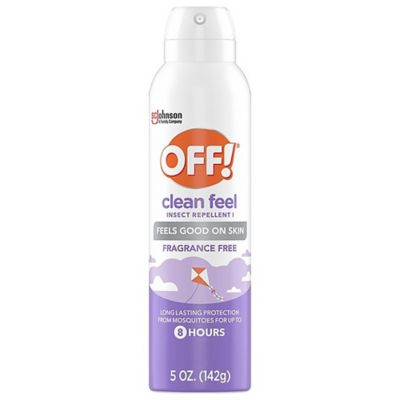
Insect Repellent Sprays offers a related category to explore, with the intended application site remaining an important distinction. A spray labeled for skin or clothing is not interchangeable with a yard treatment. The right match depends on the pest, the space and how that space gets enjoyed, whether that means supper on the porch, children playing on the lawn or a dog making its rounds along the fence. Coverage figures also deserve a close look: the size of the container alone does not tell how much ground a treatment covers. The application rate, dilution instructions and labeled square footage give a clearer picture of how a format fits a small backyard versus a broad lawn. Claims about how long an application lasts belong to the individual label, rather than the category as a whole.
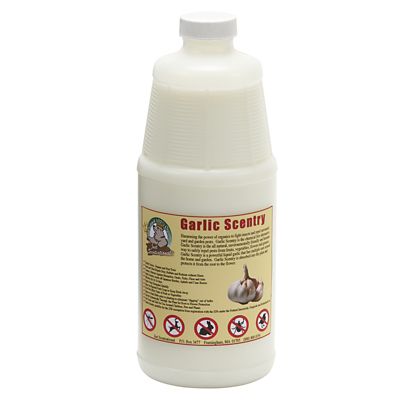
Ingredients and intended use help separate yard insect repellents that might otherwise look much alike on the shelf. Some formulas contain plant-derived oils, while others contain conventional pesticide ingredients; either type can have restrictions involving people, animals, plants and application sites. A familiar scent or a plant-based ingredient does not establish that a treatment is suitable around pets, children or food-growing areas. The label identifies the pests it targets, where application is permitted and what precautions apply. That detail is especially useful on properties where the lawn sits next to a vegetable patch, a chicken run, a horse paddock or a pond. A lawn-and-landscape treatment should not be assumed suitable for a pasture, animal pen, edible crop or animal itself. Likewise, directions for dogs do not establish suitability for cats, poultry or livestock. Around homes with animals, the practical considerations include feed pans, water bowls, toys, bedding and access to treated ground. Some applications require people and pets to remain out of an area until the spray has dried or another stated reentry condition has been met. Flowering plants and water features bring additional considerations because certain insecticides can harm pollinators, fish or other aquatic life. Mosquito larval treatments have a separate role: some are labeled for particular standing-water settings and work against immature mosquitoes rather than repelling flying adults. They are not a substitute for an adult mosquito treatment when that is the intended purpose, and permission for one water setting does not extend to every pond, trough or container. Around a porch where folks gather after chores, a clearly defined treatment area may be more useful than broad application across the property. Along a lawn edge frequented by pets, the target pest and the permitted site matter more than the strength of a scent. Matching those details keeps the purchase tied to a real need rather than a broad promise about keeping every bug away.
Application equipment, storage needs and day-to-day upkeep also shape how well a yard insect repellent fits the property. Hose-end fittings need a sound connection to limit leaks, and adjustable sprayer handles should be manageable for the person doing the work. A handheld bottle can be easier to carry around a compact seating area, while a tank sprayer brings considerations such as filled weight, strap fit, hose reach and nozzle control. Compatibility matters, too: sprayer tanks, seals and other components need to suit the formula, and equipment care should follow both the treatment label and the applicator’s directions. Clearly marked measuring tools help with concentrate preparation, but kitchen utensils and food containers do not belong in pesticide mixing or storage. Keeping treatments in their original labeled containers preserves the directions and helps prevent mix-ups. Storage requirements vary, with secure placement away from children, animals, food and feed being an important part of choosing a practical storage spot. Any leftover mixture, empty container or rinse water needs handling according to the label and local requirements, not disposal into a drain or onto an unapproved area. Ease of upkeep matters just as much as the application itself. A nozzle that needs cleaning, a leaking hose connection or a sprayer with worn seals can complicate the next treatment. Yard conditions also affect expectations: tall grass, dense brush and water-holding clutter can provide pest habitat even when a treatment is part of the routine. Emptying unnecessary water containers, maintaining lawn edges and keeping window and porch screens in good shape can support broader pest management without turning every outdoor surface into a treatment site. No yard repellent creates a permanent barrier around an entire property. For a small place with a porch swing or an acreage with several outdoor gathering spots, the most useful choice is one whose labeled purpose, coverage, application method and care requirements fit the way the ground is actually maintained and enjoyed.