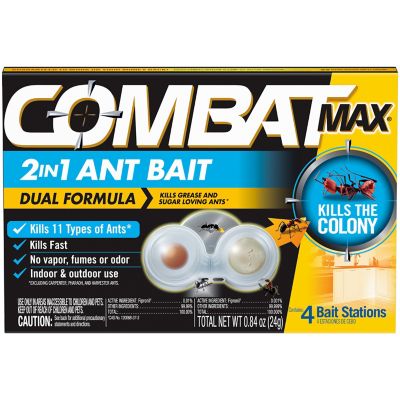
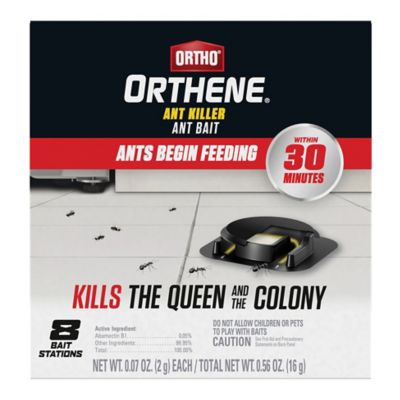
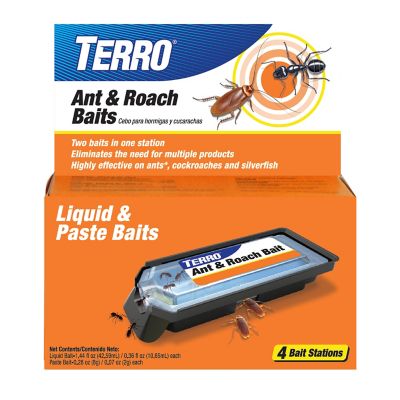
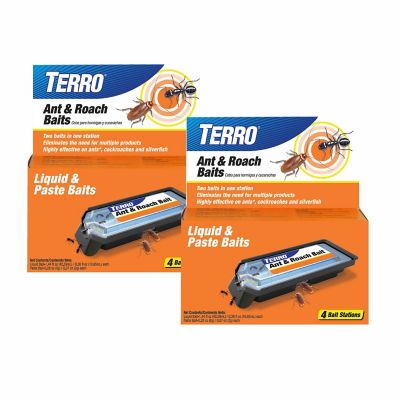
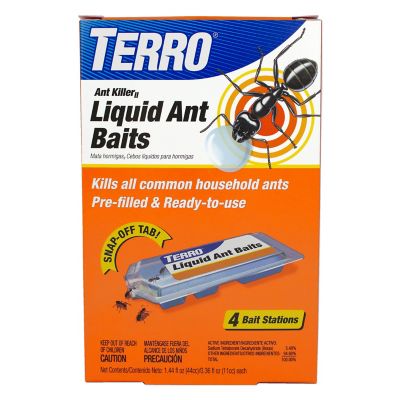
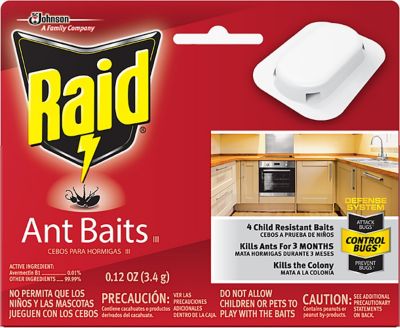
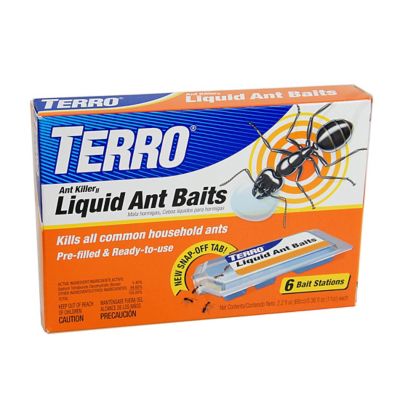
Ant bait stations for sugar ants combine a sweet food attractant with a slow-acting insecticide, giving foraging ants a place to feed and carry bait back to the colony. That delayed action matters: the goal is to reach ants beyond the ones walking across the floor, including colony members that receive food from workers. “Sugar ant” is a common name for several kinds of small, sweet-seeking ants, not a single species, so the pests listed on the label matter more than the nickname. A trail beside the coffee maker, around a syrup bottle or along a pantry baseboard can point to ants searching for sugary food. Liquid and gel bait stations contain that food source within a housing rather than requiring an exposed application. Some formulas contain borax; others contain different active ingredients, and the label explains their intended sites and target ants. Sweet bait is not the right match for every ant or every feeding preference, which is why a station’s formulation deserves as much attention as its shape. For a household kitchen, a farm office or a workshop break area, enclosed bait can offer a contained approach to a familiar nuisance. Unlike a contact spray aimed at visible ants, colony-targeting bait depends on workers remaining active long enough to share the food. More ants may gather at a station after they find it, and that increase does not necessarily mean the bait is failing. Results take time and depend on the species, colony size, competing food sources and particular formula. A line of ants disappearing into a wall gap also does not reveal how large the colony is or whether several nests are involved. Claims about control time should be read alongside the full directions rather than treated as a promise that every trail will disappear on the same schedule. A suitable station matches both the target ants and the application site.
Station design makes a difference when space is tight or the location needs extra care. Prefilled ant bait stations keep preparation simple, while refillable designs require a compatible bait and the filling method specified by the manufacturer. Liquid formulas flow within a reservoir, while gels have a thicker consistency; neither format is automatically the right choice for every infestation. Housings may be plastic or metal, with openings that allow ants to enter and feed. Some designs provide a visible reservoir, making it easier to check the bait level without opening the housing. Others conceal the contents, so inspection and replacement depend on the package directions. A low-profile shape can fit along a narrow edge near a baseboard, while a broader base can help a station sit steadily on an approved surface. Construction, seams and closures matter because the housing needs to contain the bait throughout its labeled service life. An enclosed shell does not mean a station cannot leak if it is tipped, squeezed or damaged. Orientation requirements are especially important for liquid bait, and the opening method should not involve cutting or puncturing anything beyond what the directions specify. In a busy farmhouse, practical fit also means keeping treatment away from food preparation surfaces, stored feed and places where a boot, broom or chair leg could knock it loose. Homes with children or animals need particular attention to placement. Tamper-resistant construction is not the same as childproof or pet-safe, and every station must remain inaccessible to children, pets and other animals as the label requires. A station small enough to tuck beside a cabinet may still be within reach of a curious cat or a puppy’s nose. Likewise, an indoor household label does not automatically permit treatment in a coop, stall or feed room. The right housing supports careful placement; it does not replace it. Dimensions, closure design and permitted locations help narrow the choice to something that fits the space and the household routine.
Care and replacement needs are part of choosing ant bait stations for sugar ants, especially when a trail returns to the same cabinet corner or utility-room doorway. A station with bait remaining inside may still need replacement if the contents dry out, become contaminated or reach the end of the labeled service interval. Refillable designs need the recommended amount of the specified bait, not a homemade mixture or a different pesticide poured into the reservoir. For sealed stations, replacement rather than opening or topping off may be the only permitted option. Routine checks can reveal an empty reservoir, a cracked housing or a station that has shifted away from its intended position. Keeping the surrounding area free of sticky spills, crumbs and accessible food gives ants fewer competing food sources. A syrup drip under a bottle or a few crumbs beneath a toaster can draw foragers elsewhere, even when a bait station is close by. Strong cleaners and repellent insecticides near a station can interfere with ant feeding, so combining treatments requires attention to both product labels. Spraying the workers gathering at the bait can also work against the colony-sharing action the bait is meant to support. Where trails extend beyond the house,
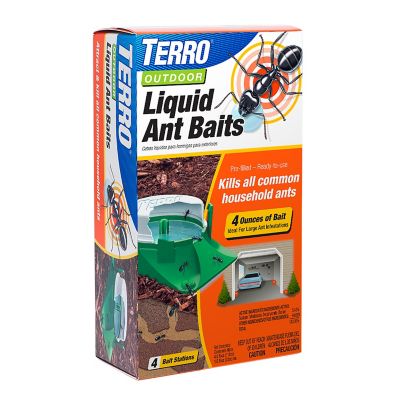
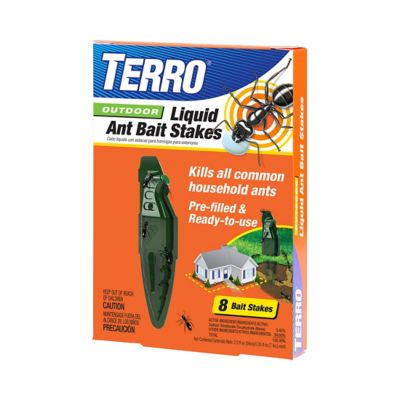
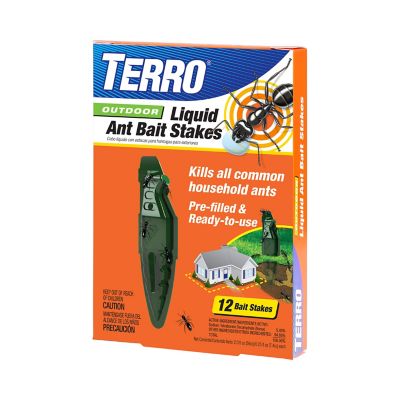
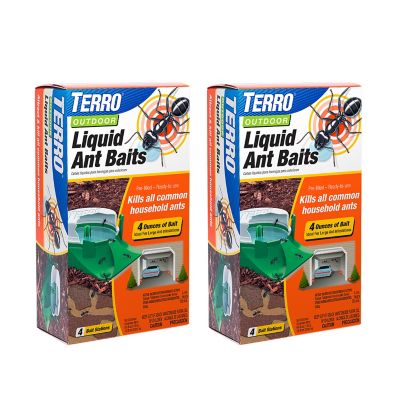
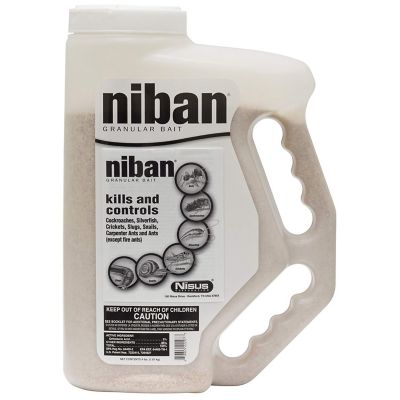
Ant Bait for Outdoor Use provides another category to consider, with the application site and target pest still guiding the choice. Outdoor stations may have different housings, anchoring methods and placement requirements than indoor designs. Indoor and outdoor permissions are not interchangeable, even when two stations look much alike. Storage and disposal matter, too: pesticide bait belongs in its original labeled packaging, away from food, feed, children and animals, with empty containers handled according to the directions. For recurring activity, a station that is easy to inspect and maintain can fit more smoothly into everyday chores. The useful features are straightforward: a suitable sweet bait, a housing that fits the permitted location and clear directions for checking, replacing or refilling it.