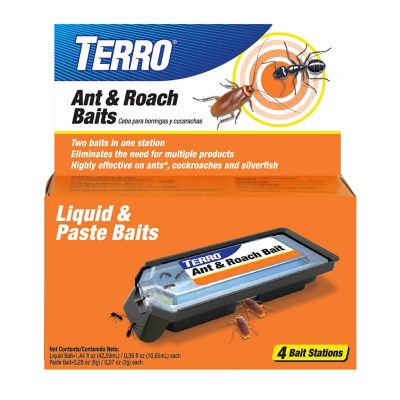
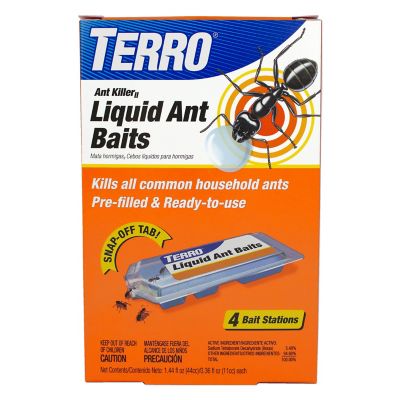
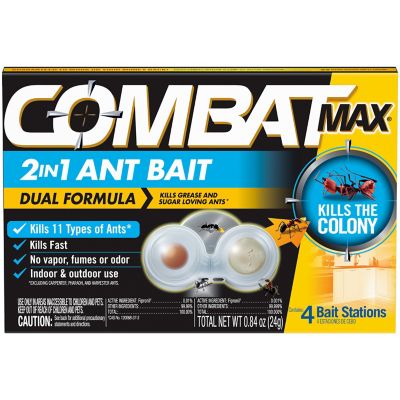
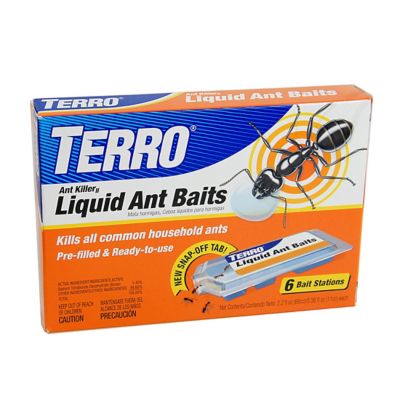
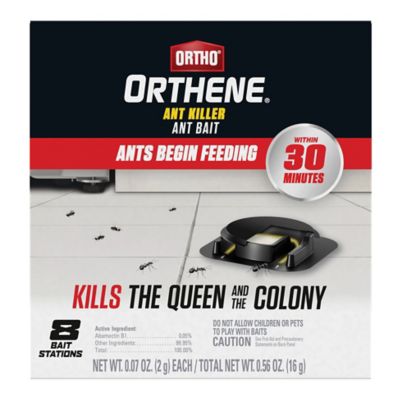
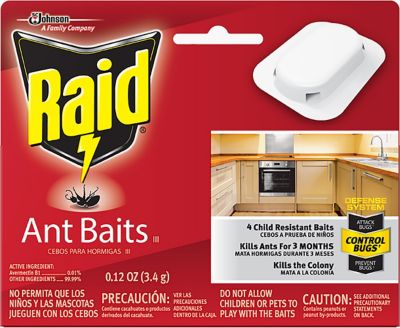
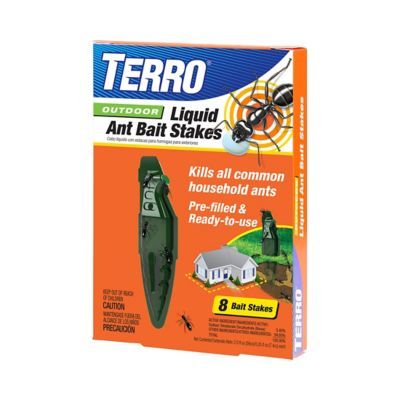
Ant bait stations for home use offer a contained way to tackle the ant trails that turn up along a kitchen baseboard, behind a trash can, or beside a pantry door. Instead of only killing the workers in sight, these stations hold a food-based bait with an insecticide that acts slowly enough for feeding ants to return to the nest. Depending on the formula and ant species, workers can share that bait with other colony members, helping control ants beyond the ones walking across the floor, including the queen. That colony-focused action is what sets bait stations apart from a spray that kills ants on contact. Results depend on the ants accepting the bait, finding enough of it, and carrying it back, so a busy trail does not disappear all at once. Activity around a station may even increase at first as workers discover the food source. Liquid, gel, and solid bait formats give households different ways to match the ants’ feeding habits and the space where they travel. Sweet liquid baits can appeal to sugar-feeding household ants, while other formulas offer protein or fat-based attractants. Feeding preferences can vary by species and change within a colony, making the target-ant information on the label more useful than choosing by package appearance alone. Some household formulas contain borax or other borate ingredients; others contain different insecticides, each with its own directions and precautions. Odorous house ants and pavement ants are among the household pests that some stations target, but not every bait works for every ant. Large ants near damaged wood or ants associated with outdoor mounds may call for a different labeled treatment and a closer look at the source. For homeowners and renters dealing with repeated trails rather than a lone stray ant, enclosed bait stations provide a way to keep bait in a defined location while workers continue their trips between the food source and nest. They are a practical household pest-control option, but an enclosed housing does not make the contents harmless to people or animals.
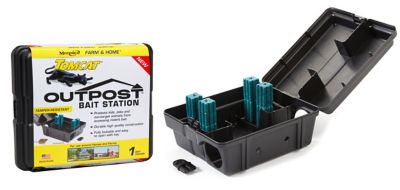
The station’s shape, housing material, and bait format all matter when fitting ant control into a lived-in home. Molded plastic housings are common, with entry openings that let ants reach the bait inside. Low-profile designs can fit beside baseboards or beneath an appliance edge without taking up much floor space, provided those locations meet the label directions. A clear viewing area can make it easier to check the bait supply without opening the housing, while an opaque enclosure keeps the contents out of sight. Liquid reservoirs need a stable resting spot and the orientation specified on the package to help limit leaks. Gel and solid bait stations have their own handling requirements, so the format alone does not determine where a station belongs or how long it will remain effective. Some stations arrive ready to place; others require an opening or activation step. Single-use and refillable designs also have different care requirements, and a sealed station should not be opened or refilled unless its instructions allow it. For a kitchen with a narrow gap behind the refrigerator, a compact footprint may matter more than a larger bait capacity. In a mudroom where boots, a broom, and a pet food bin share the same corner, placement needs to account for everyday foot traffic as well as the ant trail. A housing should stay intact, sit securely, and remain clear of areas where it could be kicked, crushed, or mistaken for something else. Child-resistant features, when stated on the label, are worth considering in a busy household, but they do not mean childproof or pet-safe. Stations still belong out of reach of children and animals, away from food-contact surfaces, and only in locations the label permits. The label also explains whether the station is intended for indoor placement, outdoor placement, or both. A household kitchen station is not automatically suitable for a barn, animal enclosure, or feed-storage area simply because ants are present there.
Placement and upkeep help determine whether ants encounter the bait before finding another meal. Common household travel routes include baseboard edges, gaps around plumbing, spaces behind appliances, and the sides of door or window frames. A station near an active route, in a permitted and inaccessible location, gives workers a chance to find the bait without putting it in the middle of the room. Under-sink placement may suit some labels, but plumbing leaks, stored cleaning supplies, and access by children all affect whether that spot makes sense. Pantry and cabinet placement likewise depends on the directions, with bait kept away from food, dishes, and preparation surfaces. Spraying insecticide or applying strongly scented cleaners beside a station can interfere with feeding or disrupt the trail, so baiting works better when the treatment area is not competing with a repellent. That does not mean leaving crumbs and spills around the house. Wiping up syrup, keeping sugar in closed containers, emptying trash, and storing pet food in a tightly closed bin reduce competing food sources. The distinction is between cleaning up the things that draw ants indoors and disturbing the workers feeding at the station. Those workers need time to return to the colony, rather than being killed beside the bait. Checks at the interval stated on the label help reveal an empty reservoir, dried bait, a leak, or housing damage; replacement timing varies with the formula, feeding activity, and directions rather than following one fixed schedule. When trails extend beyond a doorway or foundation edge,
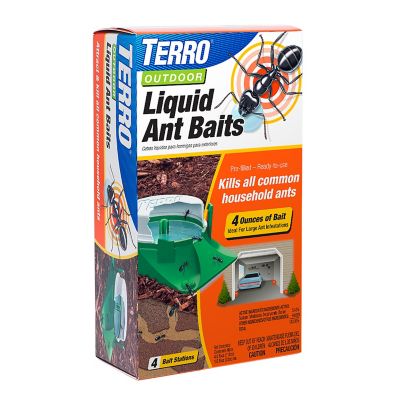
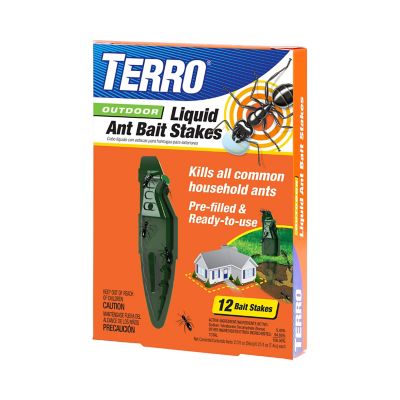
Ant Bait for Outdoor Use offers another category to consider for locations that require an outdoor-labeled treatment. Sealing small entry gaps and addressing leaks can support household ant control, though bait cannot repair damaged wood or solve every source of an infestation. Persistent activity, uncertain ant identification, or signs of structural damage are reasons to bring in a pest-control professional. The right household station fits the ant species, the placement area, and the daily routines of the people and animals living there.