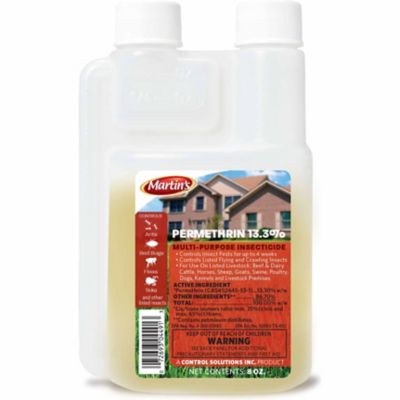
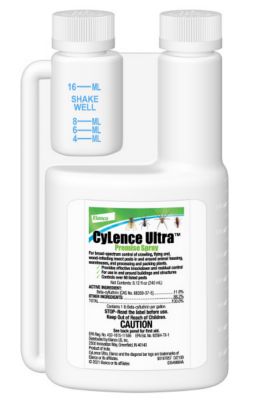
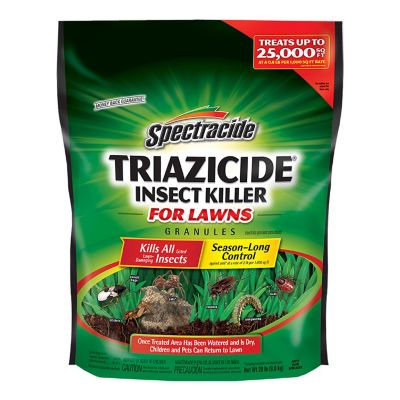
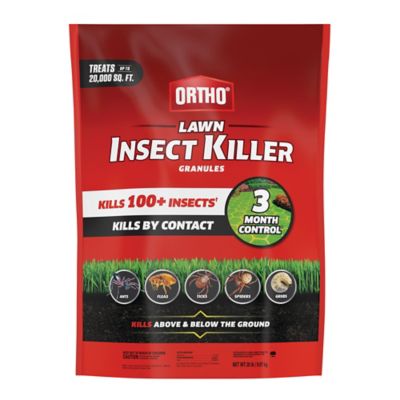
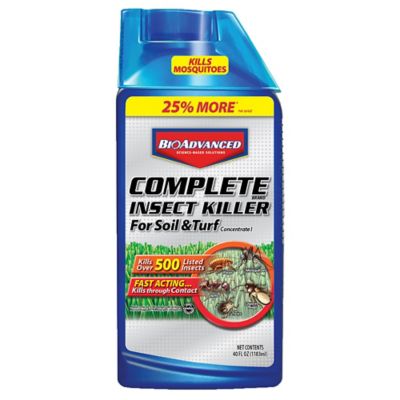
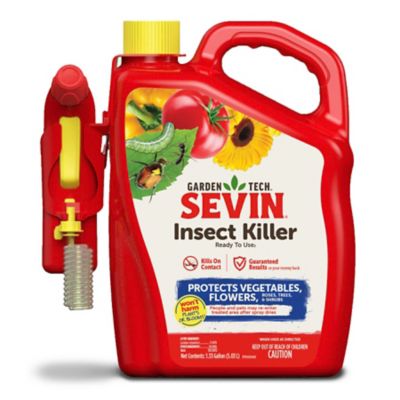
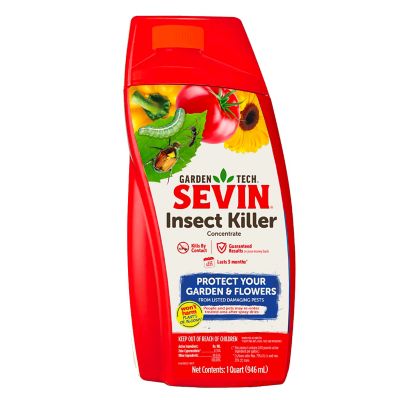
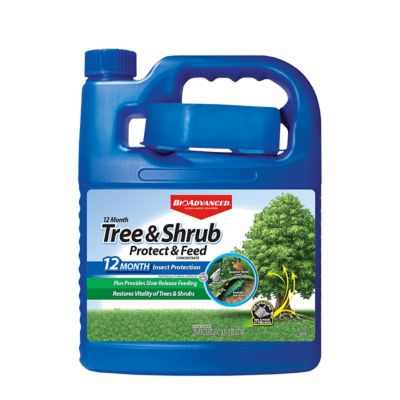
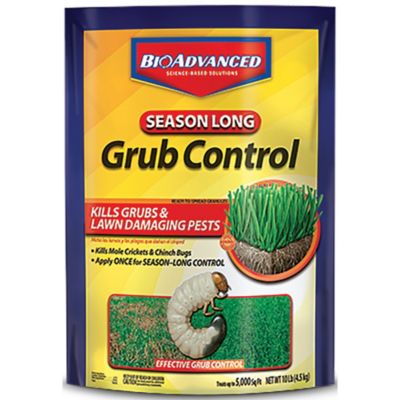
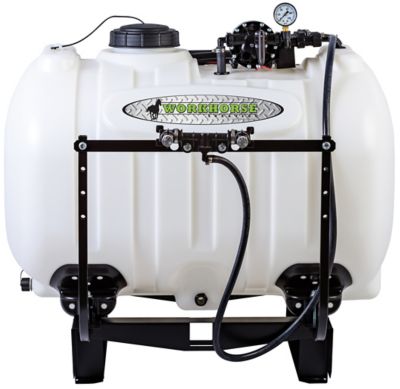
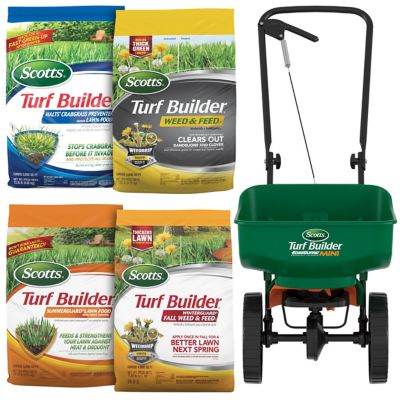
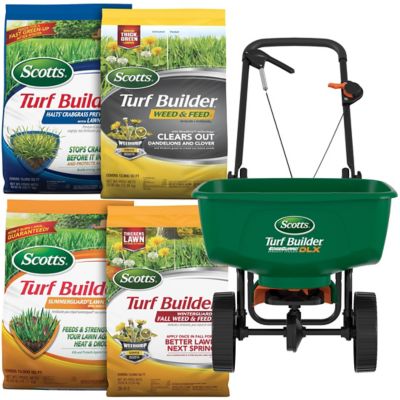
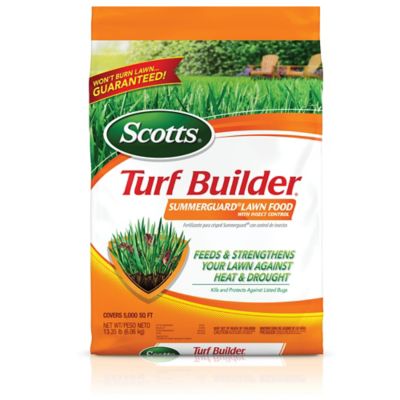
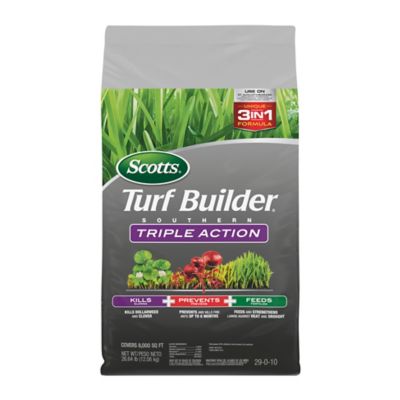
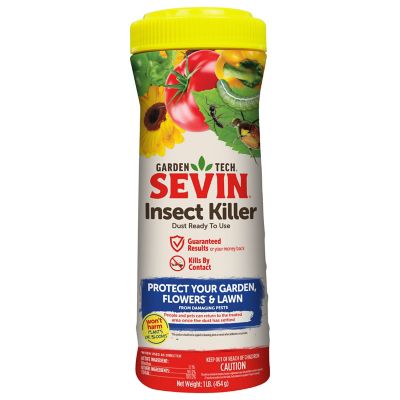
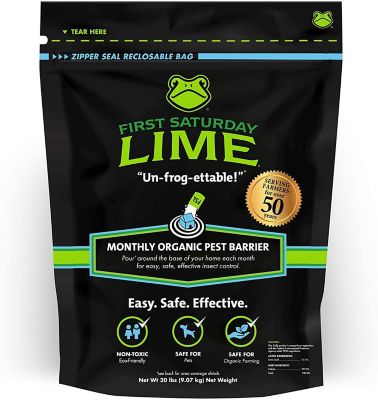
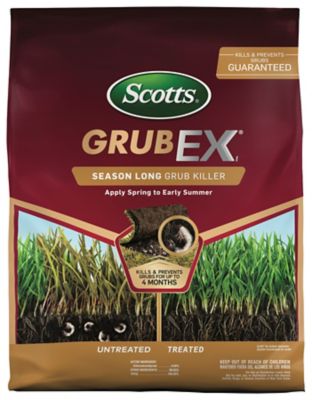
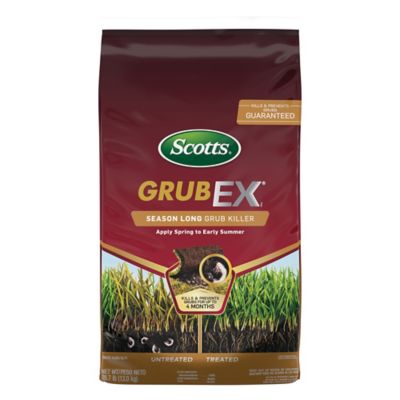
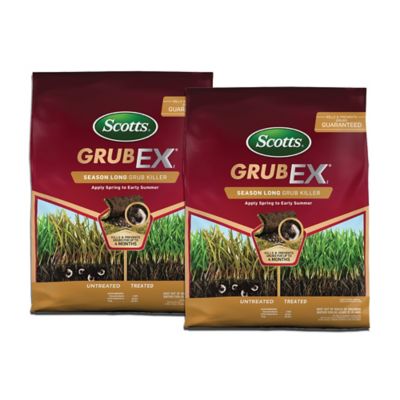
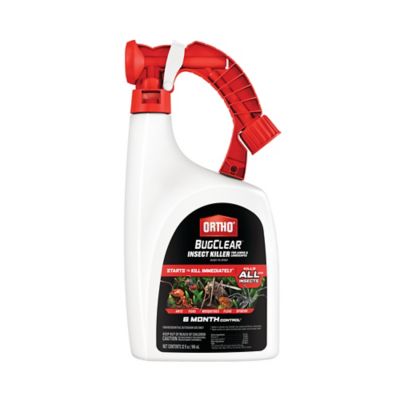
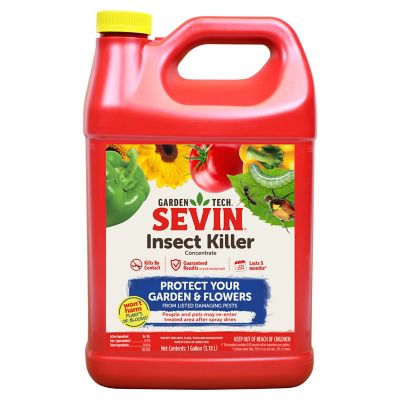
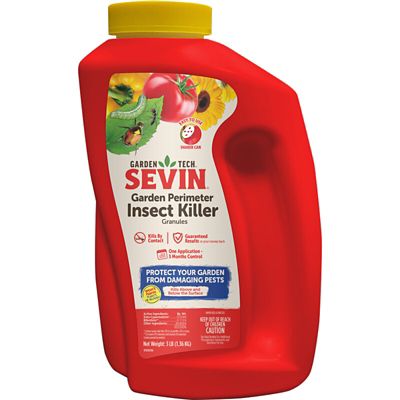
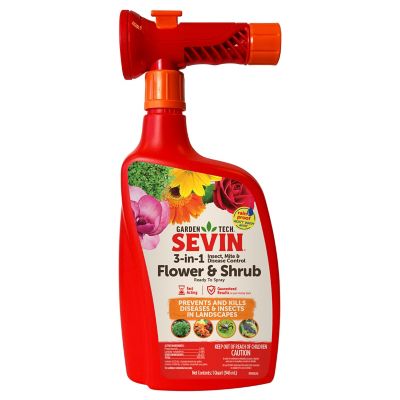
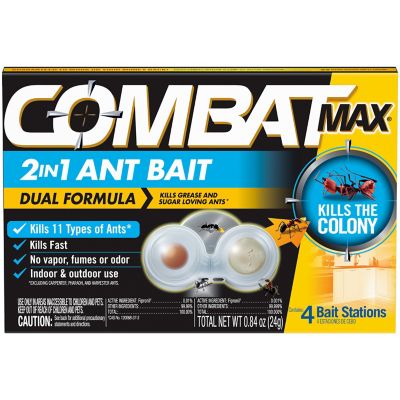
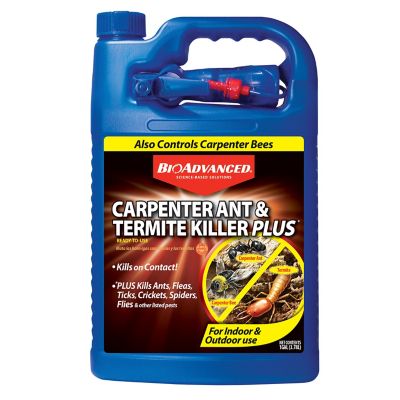
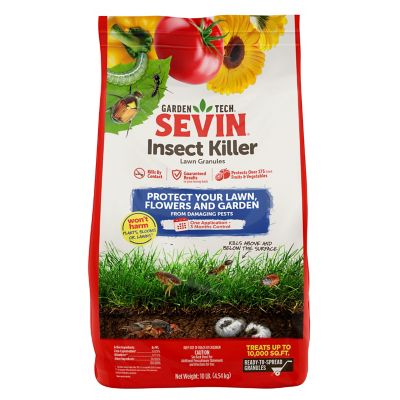
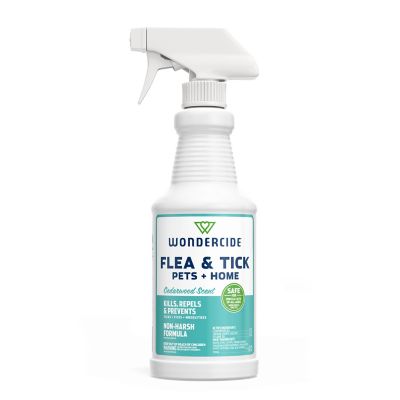
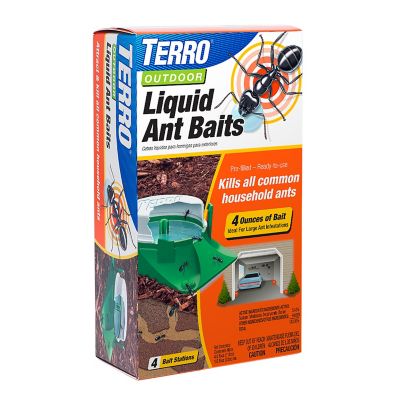
Lawn insecticides help control common outdoor pests that can make a yard uncomfortable, unsightly or unhealthy. Depending on the formula, these treatments may target ants, chinch bugs, billbugs, beetles, fleas, ticks, sod webworms, mosquitoes or the grub stage of certain beetles. A lawn can look green and well kept while pests work below the surface, leaving thin patches, chewed grass blades, raised soil, small mounds or yellowing areas behind. Families often use lawn insecticides around play areas, pets’ outdoor spaces, fence lines, gardens and the parts of the yard where people gather. They can also be useful for acreage owners, landlords, groundskeepers and anyone caring for a lawn that sees steady foot traffic. Start by identifying the pest as closely as possible, since not every insecticide works on every insect or life stage. Ants on a walkway may call for a different treatment than grubs beneath the turf, while fleas and ticks often require attention to shaded, damp areas where pets and wildlife pass through. Look over the product label for the listed pests, approved application sites and the size of area it treats. Coverage matters, especially on broad lawns, and buying enough product for the job helps prevent uneven treatment. Granular lawn insecticides are spread across the grass with a broadcast or drop spreader and are commonly watered into the soil after application. They can be a practical choice for treating larger areas and may reach pests living at the soil surface or below ground. Liquid insecticides are available as ready-to-use sprays, hose-end applications or concentrates that must be measured and diluted according to label directions. Sprays can be handy for treating lawn edges, ornamental areas and broad sections of grass, though the application method and permitted use vary by formula. A calm, dry stretch of weather usually makes outdoor application easier, while heavy rain soon after treatment may move product away from the intended area. During cooler weather, insect activity can slow, but some pests or developing larvae may remain in the soil, under leaf litter or in protected spots, so follow the label rather than relying on the temperature alone.
Before applying any lawn insecticide, mow and water the lawn according to the label, and remove toys, pet dishes, bird feeders and other items from the treatment area. Read the entire label from front to back, including directions for mixing, application rates, watering, storage and disposal. The label is the best source for knowing whether a treatment is intended for lawns, garden borders, landscape plants or other outdoor surfaces. Wear the recommended protective clothing and keep children, pets and livestock away from the area during application and until the product has dried or been watered in as directed. Avoid spraying ponds, streams, drainage ditches, wells and other water sources unless the label specifically permits that use. Take care around flowering plants, vegetable gardens and pollinator-friendly areas, because some insecticides can harm beneficial insects when they are exposed. Applying only the amount needed for the measured lawn helps reduce waste and makes it easier to get even coverage. For a small yard, a hand spreader or ready-to-use spray may offer better control than mixing a large batch. For a wide rural lawn, a calibrated broadcast spreader can cover ground more efficiently, but walk at a steady pace and make overlapping passes as directed to avoid stripes, skips or concentrated spots. Keep pets from tracking treated granules into the house, and wash hands, footwear and reusable equipment after the work is finished. People who prefer a spray-based approach can also browse
Lawn Care Spray options for products and application styles suited to outdoor maintenance. A simple notebook or phone photo can help track where and when a treatment was used, which pests were present and whether the lawn improved. That record becomes especially useful when caring for the same property through changing weather, or when more than one person shares yard duties.
Good lawn insect control is usually part of a broader routine rather than a one-time fix. Keep grass at the recommended mowing height for its variety, sharpen mower blades so the cut is clean, and avoid removing more than a third of the blade at once. Correct watering encourages deeper roots, while overwatering can create the damp conditions that attract certain pests and weaken turf. Rake heavy layers of leaves and clippings from the lawn, especially in shaded areas, and repair bare patches when growing conditions are favorable. Check beneath loose turf, along sunny fence lines, near woodpiles and around the edges of patios or outbuildings, where insects often find shelter. If pets spend time outdoors, inspect them regularly and ask a veterinarian about a complete flea and tick prevention plan; lawn insecticide alone does not replace animal care or indoor cleaning. Likewise, a treatment may reduce nuisance insects without solving the source of a recurring infestation, such as standing water, neglected mulch, damaged turf or gaps around a building. As the weather cools, it is a good time to clear leaves, put away unused application equipment and store lawn insecticides in their original labeled containers, out of reach of children, pets and livestock and away from feed, seed and water supplies. When warmer conditions return, inspect the grass early for thinning, chewed blades, insect activity and signs of grubs before damage spreads. Whether the yard is a small patch beside the house, a long run along the driveway or open ground around a country property, choosing a lawn insecticide that matches the pest, measuring the area carefully and following every label direction can make outdoor upkeep more manageable and help keep the grass ready for the seasons ahead.