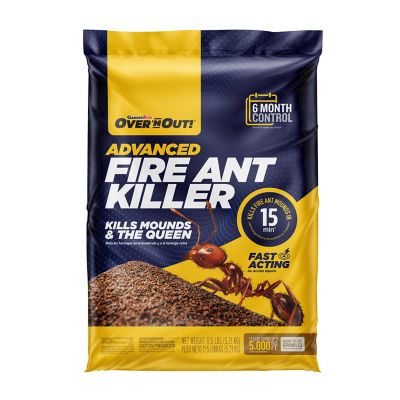
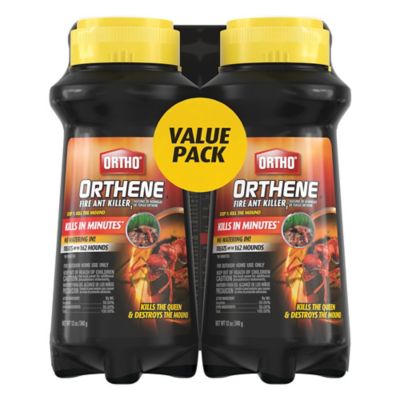
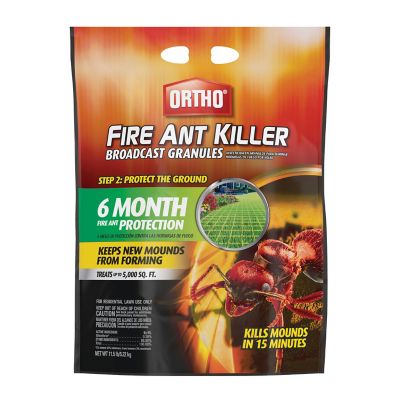
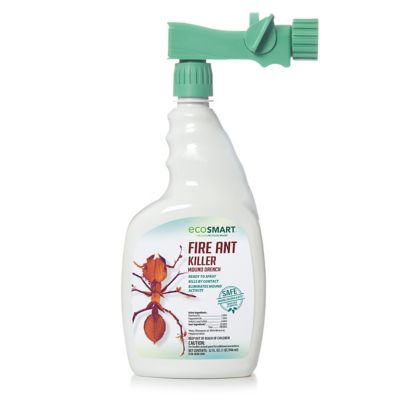
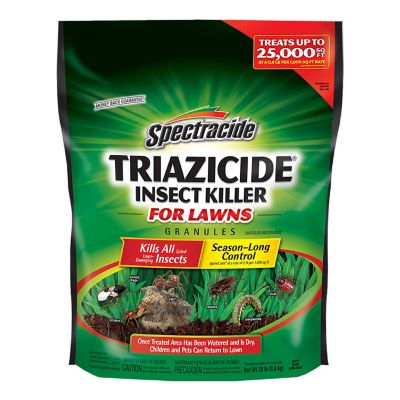
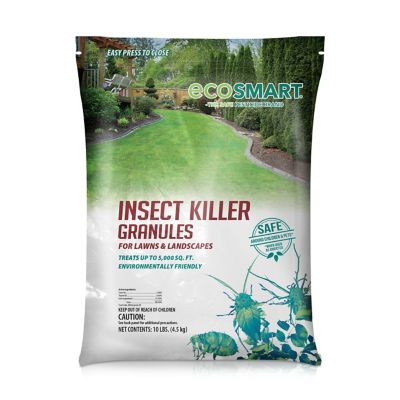
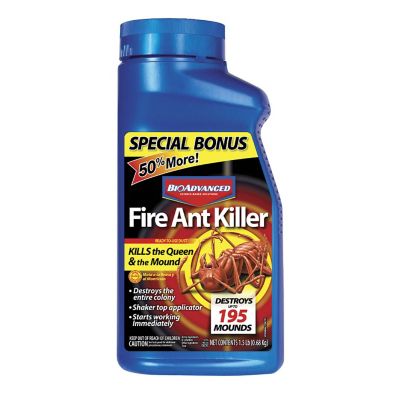
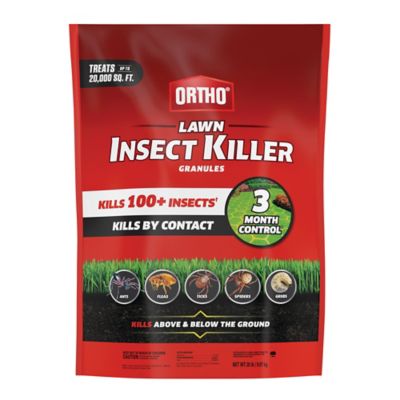
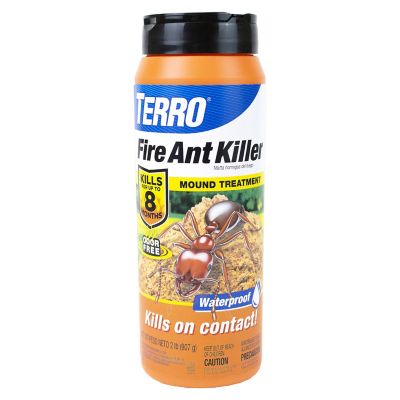
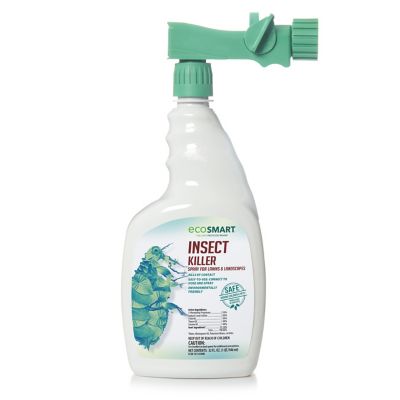
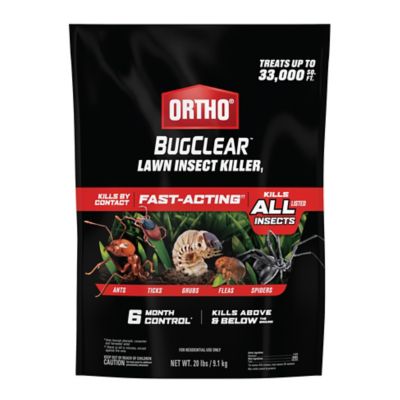
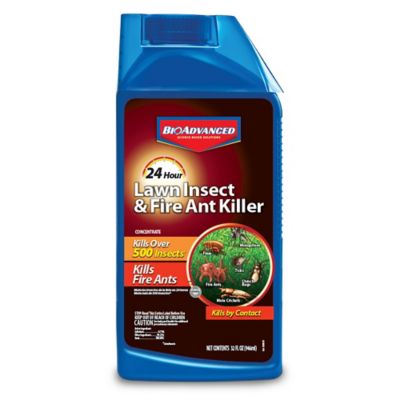
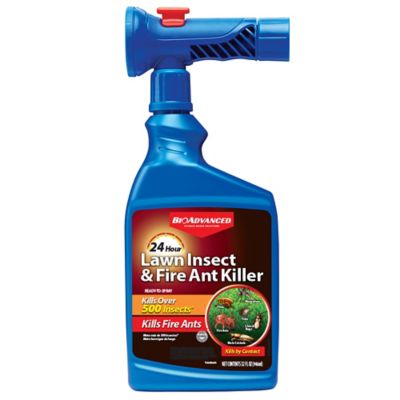
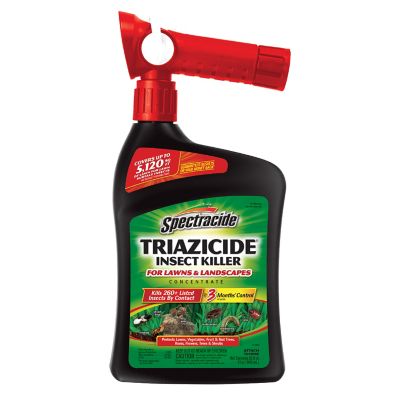
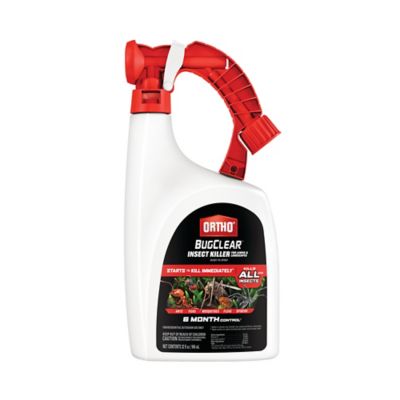
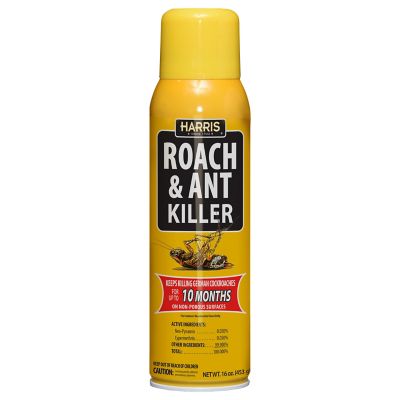
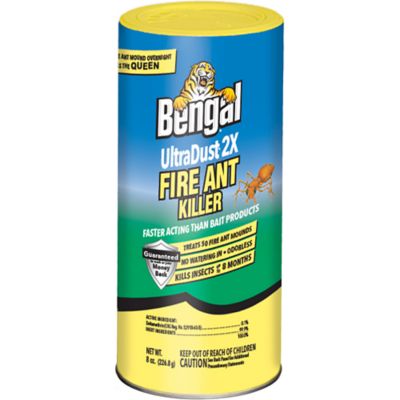
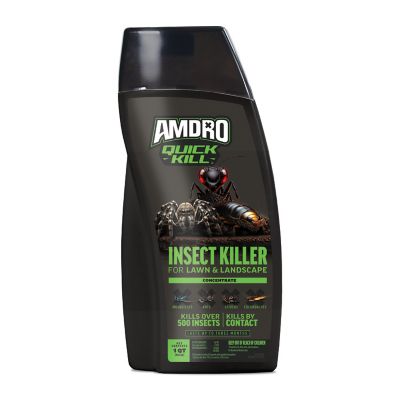
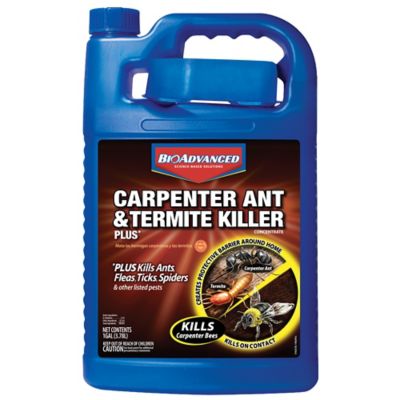
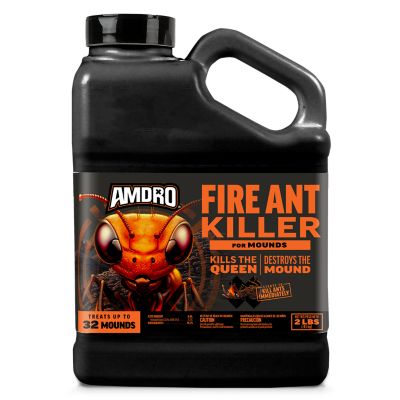
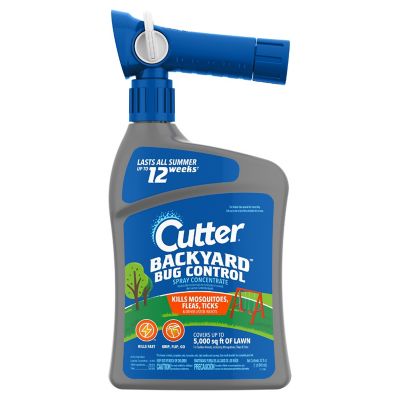
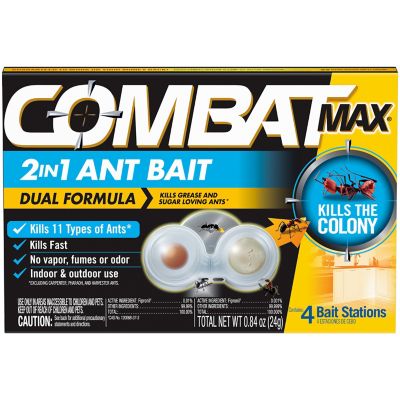
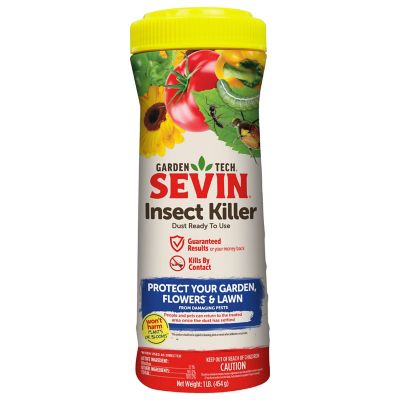
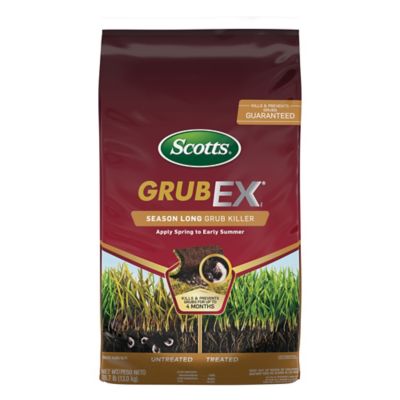
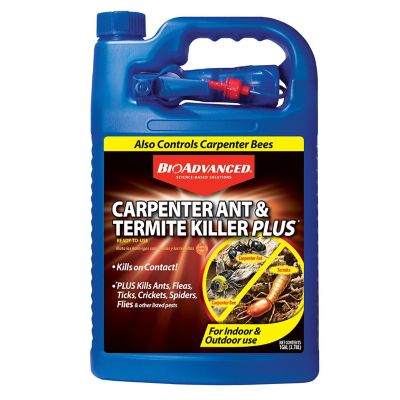
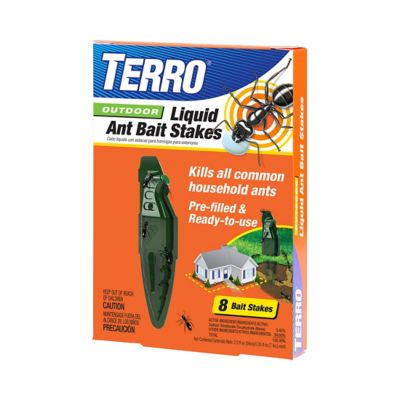
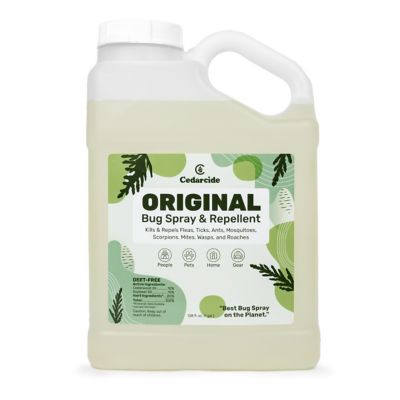
Ant killers for lawns help manage ants in turf, around nesting mounds, and along labeled outdoor areas where ant activity gets in the way of everyday life. That might mean a mound beside the porch steps, trails crossing a backyard gathering spot, or fire ants near a stretch of grass where the kids play. The best ant killer for a lawn depends on the ant species, the size of the treatment area, and whether the goal is control of exposed ants or treatment that reaches the colony. Granular treatments, liquid sprays, and ant baits serve different purposes, even when their packaging looks similar. Contact insecticides kill ants that encounter the treatment, while baits combine an insecticide with food that foraging ants carry back to the nest. Some baits can reach colony members that never come above ground, though results take time and depend on the ants accepting the bait. Granular does not automatically mean bait: Some granules release their active ingredient after application and any required watering, rather than attracting feeding ants. Liquid lawn treatments may suit broader coverage or certain spot applications, depending on their labels. Mound treatments focus on a visible nesting area, while broadcast treatments cover a measured section of lawn. These distinctions matter when comparing ant control for a small fenced backyard with treatment for the grass around a farmhouse. A product labeled for fire ants is not automatically intended for every other ant, and a general lawn insect treatment may have different directions for different pests. Ants also play a role in the soil, so a few wandering workers do not necessarily call for treating the entire yard. Where stings, repeated mounds, or heavy trails are the concern, matching the treatment to the pest and location gives the purchase a clear purpose instead of relying on a broad claim on the front of the bag.
A good fit starts with the lawn itself. Treatment labels identify permitted application sites, target pests, application rates, and any restrictions involving particular grasses or nearby plantings. A lawn beside a vegetable patch, an orchard row, or a livestock enclosure has different boundaries to consider than an isolated patch of turf. Products intended for residential lawns are not automatically suitable for pastures, feed areas, edible crops, or animal housing. That distinction is especially important on properties where the yard blends into working ground without a fence between them. Coverage information helps connect package size with the actual square footage that needs attention; the size of the whole property is less useful than the size of the labeled treatment area. Granules may suit a lawn spreader, while liquids may come in ready-to-spray formats or concentrates that require measuring and compatible application equipment. A hose-end setup can make sense where a hose reaches comfortably, while a spot-treatment format may better match scattered mounds. Neither format is inherently stronger simply because it looks more concentrated or comes in a larger container. The active ingredient, labeled rate, application method, and target pest determine its role. Watering requirements also deserve attention because some lawn insecticides need water to move the treatment into place, while certain baits depend on remaining dry during application. Directions can differ sharply between those categories, making assumptions from a previous purchase a poor fit. For yards with both open grass and tight spaces around walkways, the permitted application pattern matters as much as the delivery format. A treatment intended for turf may not belong on the porch, against the house, or across a paved driveway. Clear site directions help keep lawn care separate from structural pest control and keep the treatment where its label permits it.
Results and handling requirements are another part of choosing ant killers for lawns. Fast action against visible workers is different from colony control, and a reduction in surface activity does not always mean the nest is gone. Baits generally require ants to feed and share the material, so their expected timing differs from that of a contact treatment. Some lawn insecticides offer residual control for a labeled period, but that period varies by product, pest, and application conditions; no single duration applies to every lawn treatment. Reapplication intervals and maximum application limits matter just as much as the first treatment rate. More material is not a shortcut to better results, and overlapping treatments can exceed label limits. For homes with children, dogs, chickens, or other animals nearby, access restrictions are a practical consideration before any application. Some labels require people and pets to remain off the area until a spray has dried or until watering and other specified conditions are complete. Those directions are product-specific, and an outdoor label does not mean unrestricted access immediately after treatment. Water bowls, feeders, play equipment, drainage routes, and nearby ponds also affect whether a treatment fits the space. Many insecticides can affect organisms beyond ants, so label precautions for pollinators, aquatic life, and other wildlife deserve a close look. Original packaging keeps directions, first-aid information, and storage requirements together, while a secure storage location helps separate lawn treatments from feed, seed, food, and animal supplies. For households managing more than one kind of ant problem, comparing lawn treatments with the broader category of
Ant Control Products helps distinguish turf applications from options intended for other labeled locations. A yard with one troublesome mound does not necessarily need the same approach as a lawn with activity across several areas. The right match comes down to a clearly identified pest, a permitted treatment site, manageable application equipment, and directions that fit how the property functions every day.