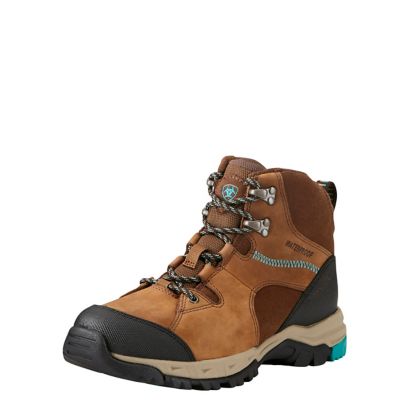
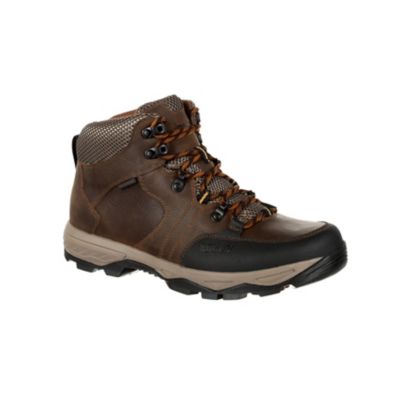
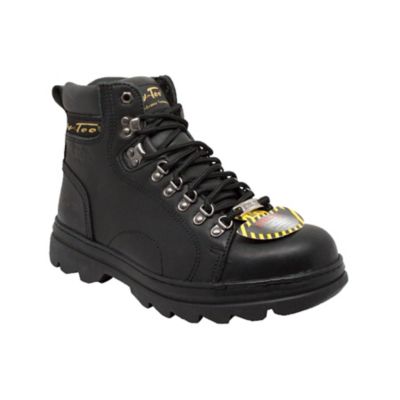
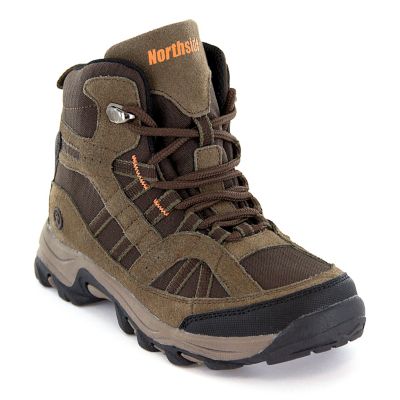
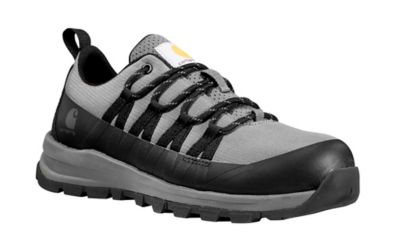
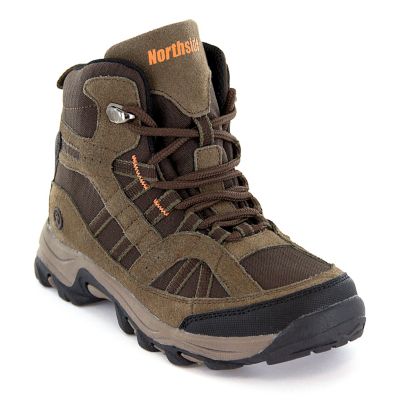
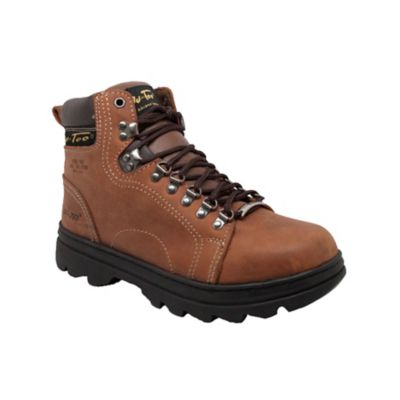
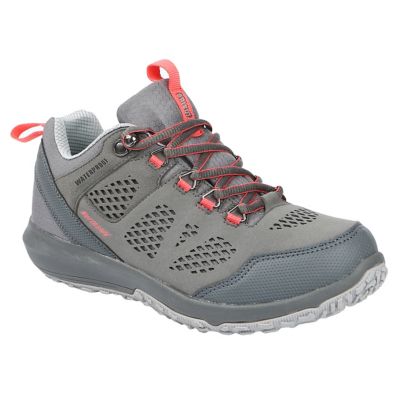
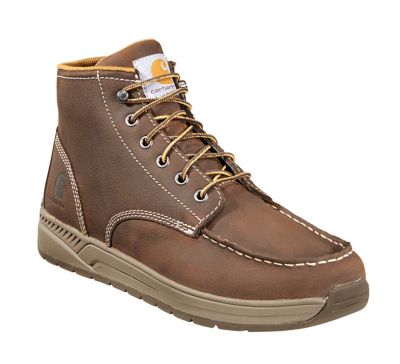
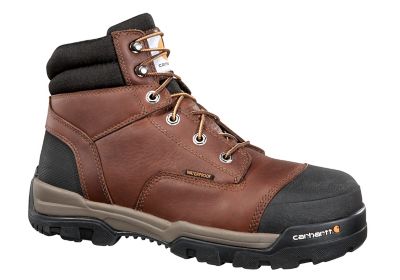
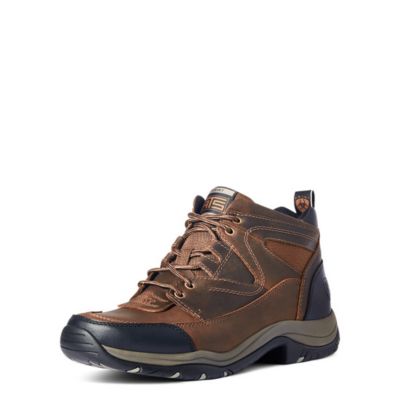
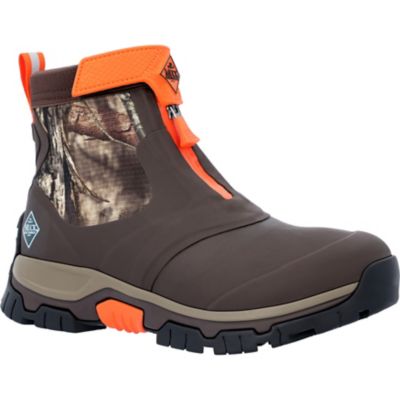
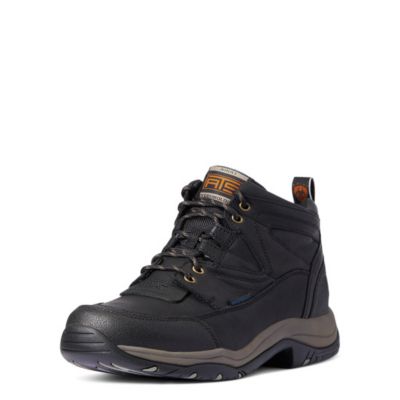
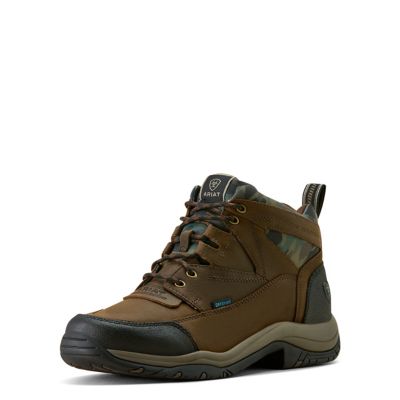
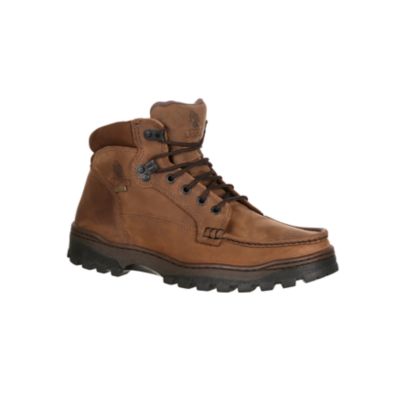
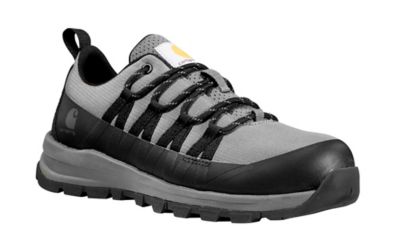
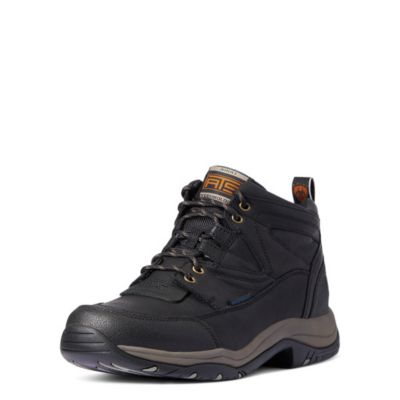
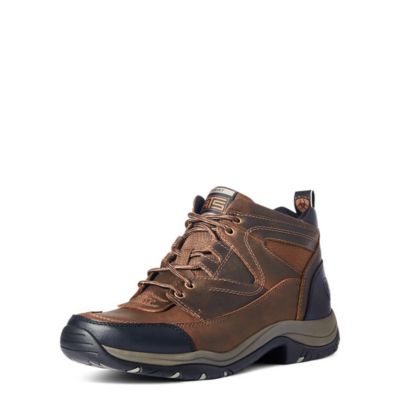
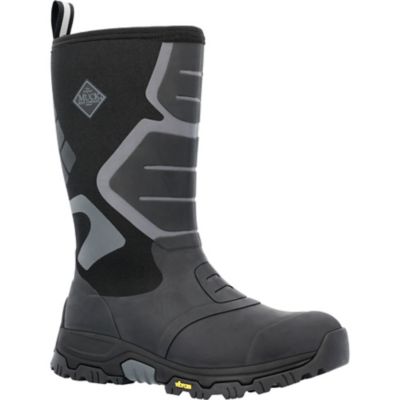
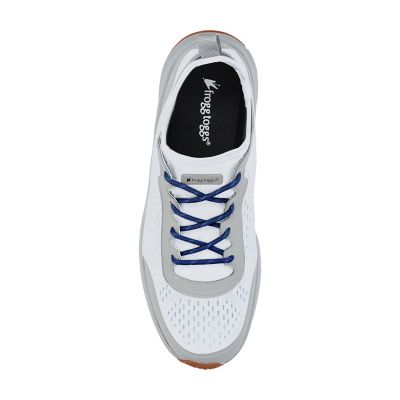
Durable hiking shoes are built for the kind of miles that take you beyond a smooth sidewalk and onto rocky paths, loose gravel, muddy ground and uneven backcountry trails. They are a practical choice for hikers who want dependable foot protection without the bulk of a tall backpacking boot, and they fit right in for everything from weekend trail walks to long days checking fence lines, hunting camps or wooded property. A sturdy pair can help keep your feet comfortable when the trail turns rough, while a well-designed sole gives you better footing on dirt, roots and stone. When comparing options, start with the terrain you use most. Smooth dirt trails may call for a lighter, more flexible shoe, while steep or rocky routes benefit from a firmer build, deeper lugs and extra support through the heel and midfoot. Look closely at the outsole pattern, too. Deep, widely spaced lugs can help shed mud and bite into soft ground, while a flatter, closely patterned tread may feel smoother on packed paths and hard surfaces. Rubber compound matters for long-term wear, especially if your hikes include sharp rock, gravel roads or stretches of pavement between trailheads. For added traction and a hard-wearing outsole, browse
Hiking Shoes With Vibram Soles. A durable hiking shoe should also protect against everyday trail hazards. Reinforced toe caps help guard against roots and rocks, while sturdy heel counters can help keep your foot from sliding around inside the shoe. Some hikers prefer a low-cut design for a free, athletic feel, while others choose a mid-height shoe for more coverage and a little extra ankle support on uneven ground. Neither style is best for every person or trail; the right choice depends on how much support you like, how much gear you carry and how often you travel across rough ground.
Fit is every bit as important as construction. Even the toughest hiking shoe will not feel dependable if your toes are crowded, your heel lifts with every step or pressure builds across the top of your foot. Try shoes on with the socks you plan to wear on the trail, preferably later in the day when feet have had time to swell. Leave enough room for your toes to spread and move downhill without bumping the front of the shoe, but avoid so much extra space that your foot slides forward. Hikers with wide feet may appreciate a roomier toe box, while people with narrow feet often need a more secure lacing system to reduce movement. Walk up and down an incline if possible, bend at the forefoot and pay attention to any hot spots around the heel, arch or little toes. A small rub in the house can become a sore spot several miles into a hike. Cushioning is another personal choice. Plush foam can take some sting out of long days on hard ground, while a firmer platform may provide a steadier feel when carrying a daypack. If you spend time on wet trails, look for water-resistant or waterproof construction and a gusseted tongue that helps keep rain and trail debris out. Waterproof shoes can be handy during damp fall walks, morning hikes through wet grass and muddy trips near creeks, though they may feel warmer than more breathable mesh styles. Mesh and textile uppers often dry faster and allow more airflow during warm-weather hikes, while leather or leather-blend uppers can offer a sturdy feel and may hold up well with regular cleaning and conditioning. Good hiking shoes make a useful gift for a new trail walker, an outdoorsy family member, a college student exploring local parks or anyone who spends weekends working and playing outside. A gift receipt or exchange option is helpful because foot shape and fit are personal, even when the recipient already knows the kind of terrain they enjoy.
Taking care of durable hiking shoes helps protect the investment and keeps them ready for the next outing. After a muddy hike, knock off loose dirt before it dries into the seams and tread. Use a soft brush, lukewarm water and mild soap when deeper cleaning is needed, then let the shoes air-dry away from a heater, woodstove or direct high heat that can damage adhesives and cause materials to shrink. Remove the insoles to help moisture escape, and keep an extra pair of socks in your pack so damp feet do not turn a good hike into an uncomfortable one. Check the outsole from time to time for smooth patches, missing lugs or cracking, and look over the stitching, eyelets and heel lining for signs of wear. Many lightweight trail shoes may last roughly 300 to 400 miles, but actual life depends on body weight, pack load, walking style, terrain, weather and how often the shoes are used on pavement. Heavy, rocky routes can wear down tread faster than soft woodland paths, and a shoe used for daily chores may reach the end of its useful life sooner than one saved for occasional hikes. Replace footwear when the tread no longer grips confidently, the cushioning feels flat, the sole begins separating or the upper can no longer hold your foot securely. Before heading out during warmer days or the cooler months, make sure your laces are in good shape, your socks fit comfortably and your shoes match the ground ahead. The best durable hiking shoes are the ones that feel secure from the first mile through the last, protect your feet from common trail hazards and give you enough comfort and traction to keep enjoying the path long after the scenery changes.