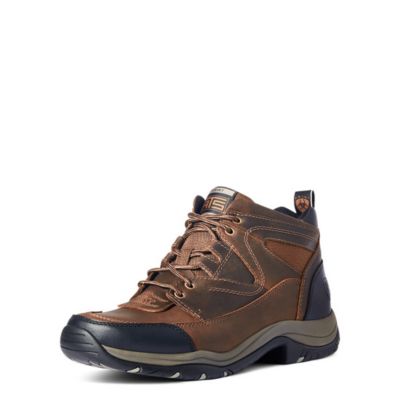
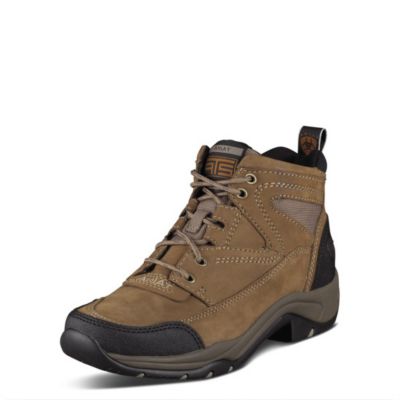
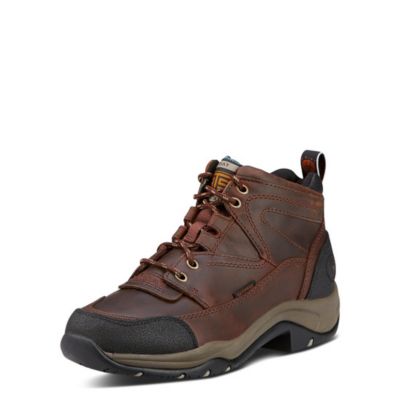
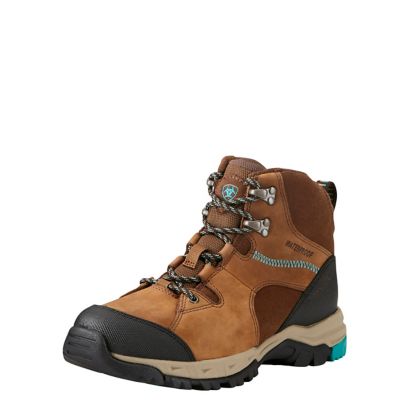
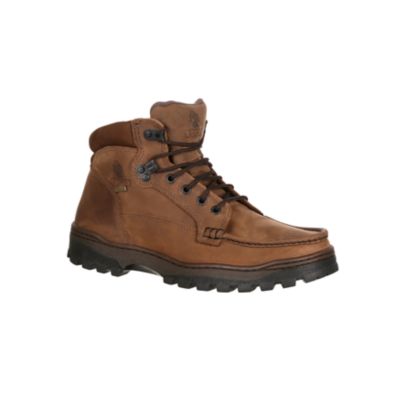
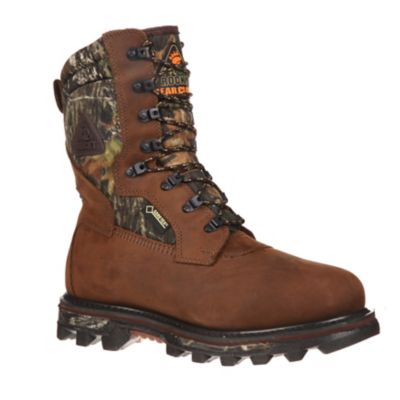
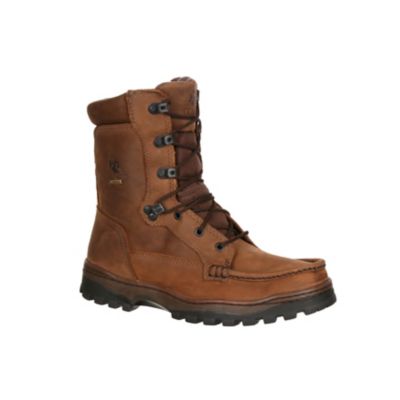
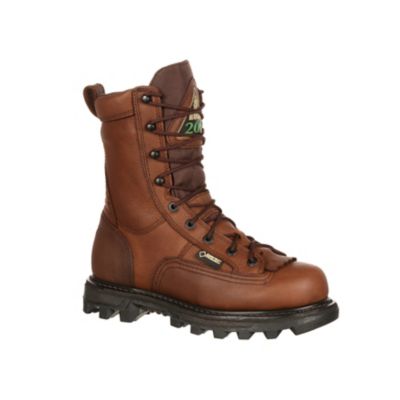
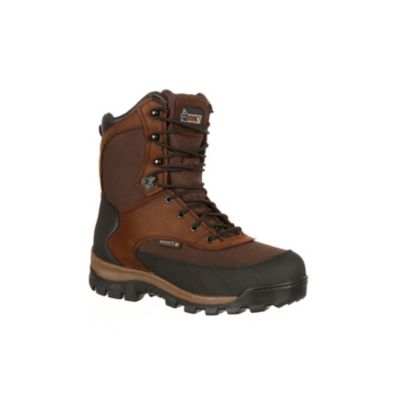
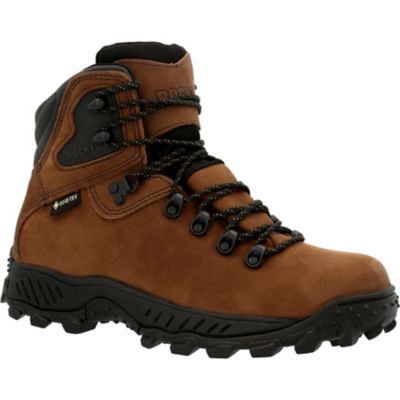
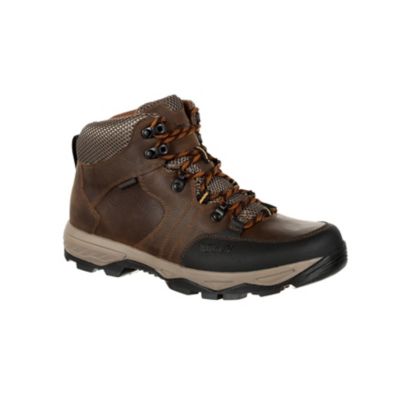
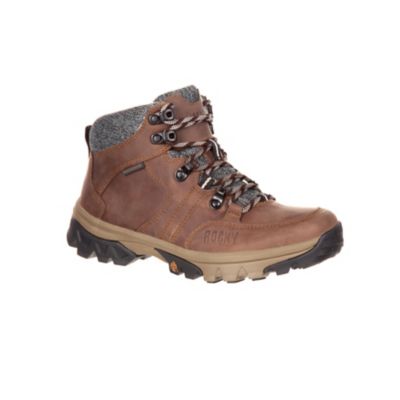
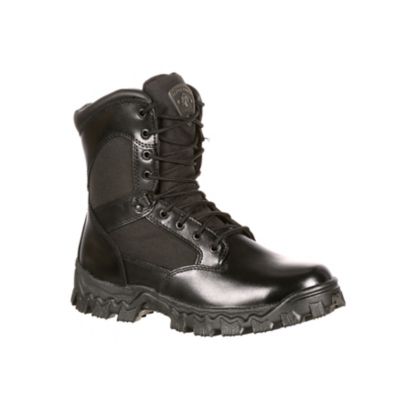
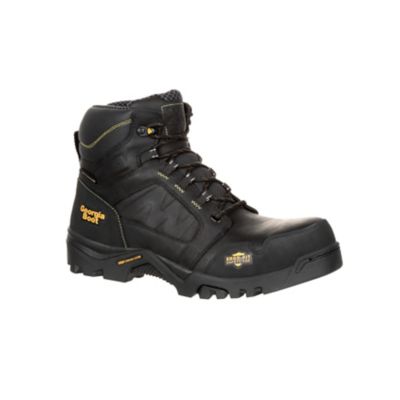
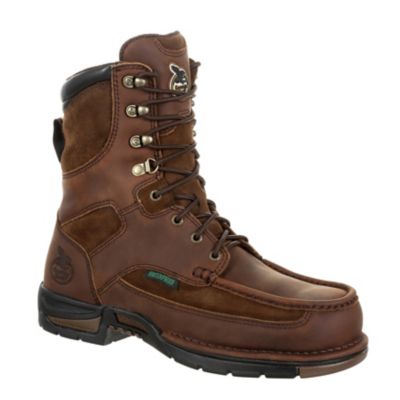
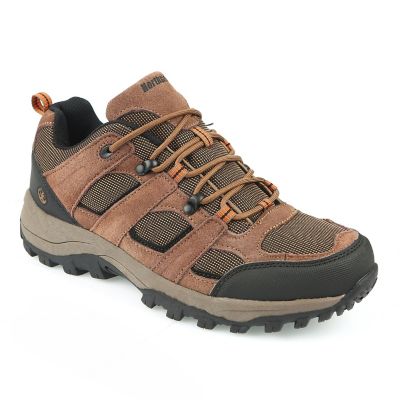
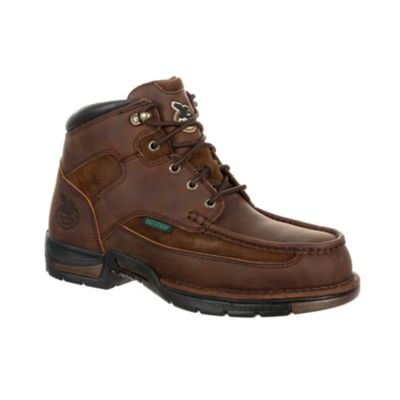
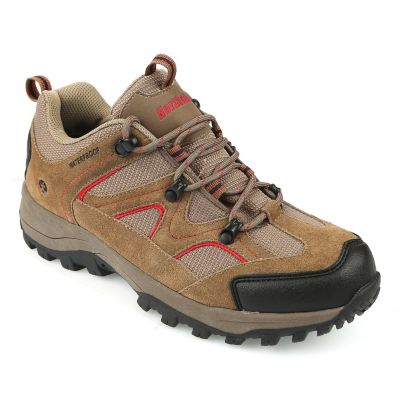
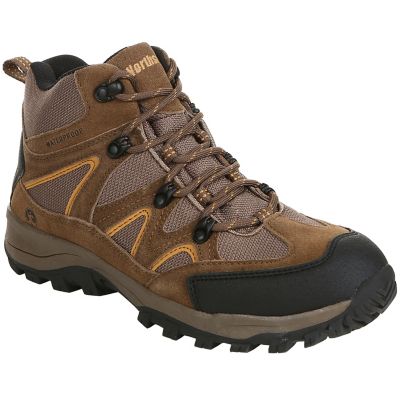
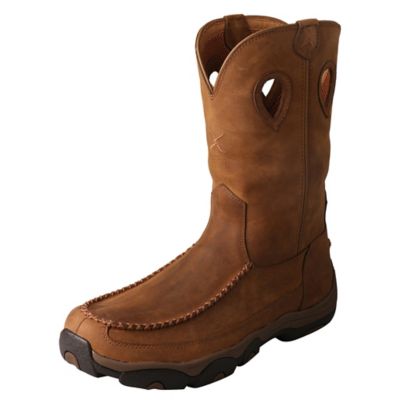
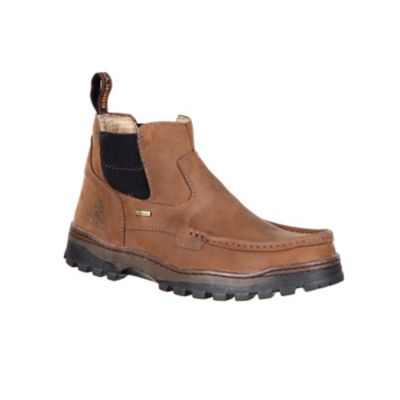
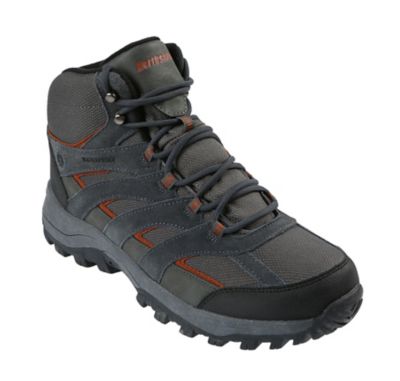
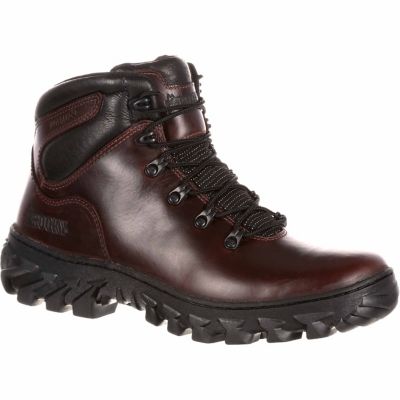
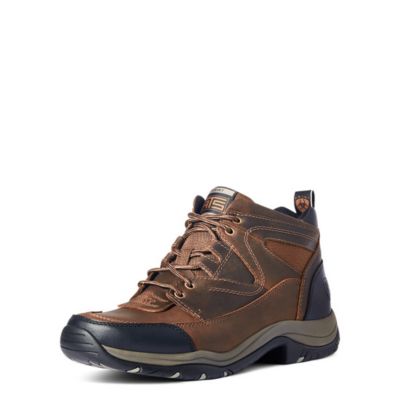
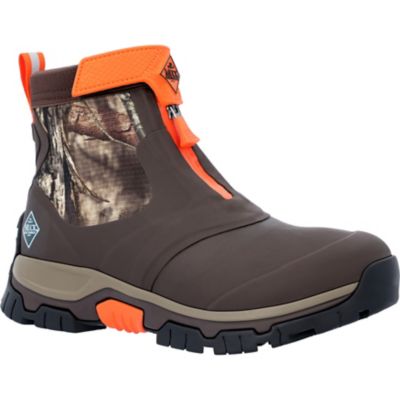
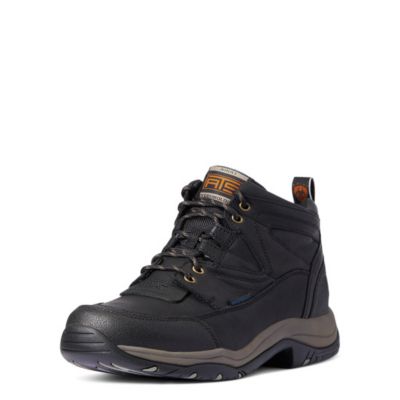
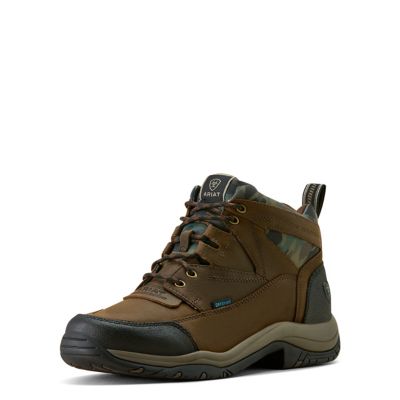
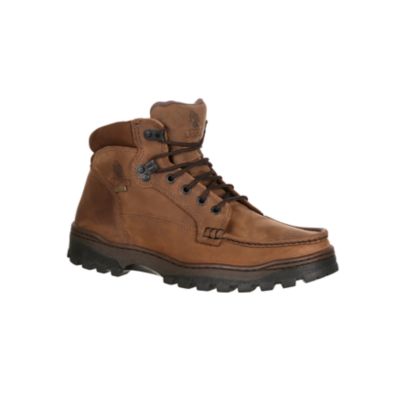
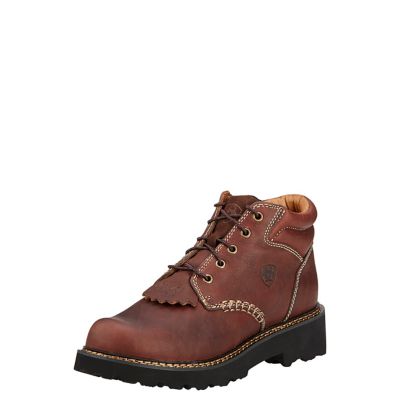
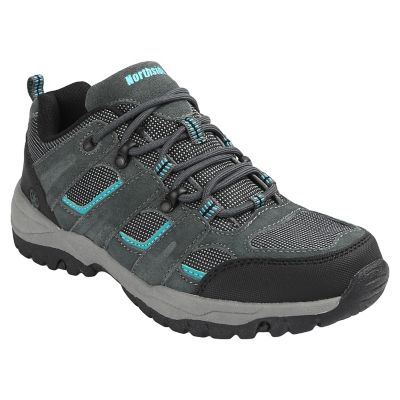
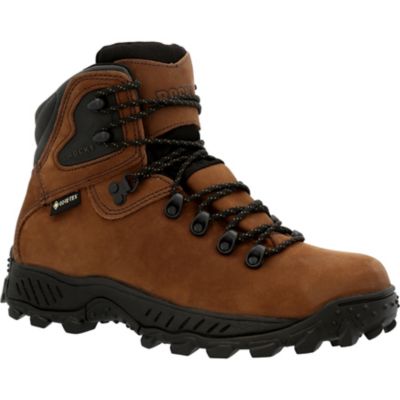
Shoes for hiking can make a long walk on the trail feel steady and comfortable instead of leaving your feet sore before you reach the overlook. The right pair depends on where you plan to walk, how far you usually go, and what kind of support feels natural underfoot. For easy nature paths, packed dirt, gravel lanes, and short walks around the farm, a lightweight hiking shoe may be all you need. These styles often feel more flexible than a tall boot, while still giving you better traction and protection than a regular sneaker. If you spend time on rocky ground, uneven slopes, or trails with loose gravel, look for a sturdy outsole with deep, well-spaced lugs to help bite into the surface. A firm heel counter can help keep your foot from sliding around, and a supportive midsole may take some of the sting out of roots, stones, and hard-packed ground. For wet grass, muddy paths, creek crossings, and damp weather, water-resistant or waterproof materials can help keep your socks drier. Keep in mind that waterproof shoes may feel warmer and less airy than mesh styles, so breathable uppers can be a better choice for warm-weather walks or fast-paced hikes. During the cooler months, leave enough room for comfortable hiking socks without making the shoe loose. A snug heel and midfoot with room for your toes is a good starting point; your toes should not press against the front when walking downhill.
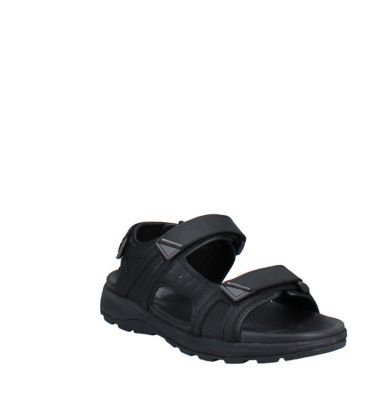
Hiking shoes generally fall into a few useful categories, and understanding the differences can make shopping easier. Traditional hiking shoes offer cushioning, structure, and underfoot protection for everyday trails and rougher terrain. They are a dependable pick for day hikers, landowners checking fence lines, campers walking from the truck to the site, and anyone who spends hours on their feet outdoors. Lightweight trail shoes are made for quicker walks and warm conditions, with flexible construction that helps your feet move naturally. They can work well on maintained paths, rolling hills, and mixed surfaces where a heavy boot would feel like more shoe than you need. Minimalist or barefoot-style hiking shoes take that flexible feel even further. Many have a zero-drop sole, meaning the heel and forefoot sit at the same level, along with a wide toe box that lets the toes spread out. That design may appeal to experienced walkers who prefer a close-to-the-ground feel and natural foot movement, especially on light nature walks, flat dirt paths, casual outings, or gym cross-training. Minimalist styles usually provide less cushion and rock protection than traditional hiking shoes, so they may not be the best match for sharp stones, steep mountain trails, or heavy loads. Sandal-style footwear can be handy for warm-weather walks, camp chores, and water-friendly outings; browse
Mens Sandals For Hiking for another option when airflow matters. Whatever the style, pay attention to the outsole, upper material, insole, and overall flexibility. A shoe that bends a little at the forefoot but does not fold completely in half often gives a useful balance of movement and support.
Fit matters just as much as the tread. Try hiking shoes on later in the day, when feet have had time to swell, and wear the socks you expect to use on the trail. Walk across a hard floor, step up and down, and pay attention to any rubbing at the heel, ankle, arch, or little toe. On a downhill step, your toes should stay clear of the front of the shoe. If they slide forward, the pair may be too loose through the heel or too short in the toe. If your feet feel squeezed across the ball of the foot, a wider size or a roomier toe box may be more comfortable than simply sizing up. Break in a new pair with short walks before taking it on an all-day outing. That simple step can reveal a hot spot while you are still close to home, rather than halfway down a wooded trail. Hiking shoes also make thoughtful gifts for someone who enjoys camping, walking the dog, visiting state parks, hunting property, or exploring back roads on foot. They are especially useful for a new hiker building a basic outdoor setup, a student heading off for weekend adventures, or a family member who spends free time working and walking outside. Think about the recipient’s usual terrain and habits: a flexible, breathable pair suits easy summer paths, while a more protective shoe with firm traction may be better for rocky ground and changing conditions. With a comfortable fit and the right level of support, shoes for hiking can move easily from a morning trail walk to chores around the homestead, a campsite stroll, or an evening loop through the woods.