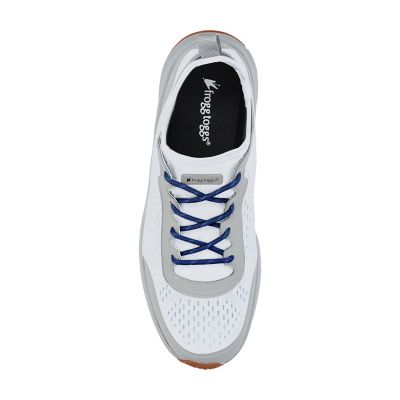
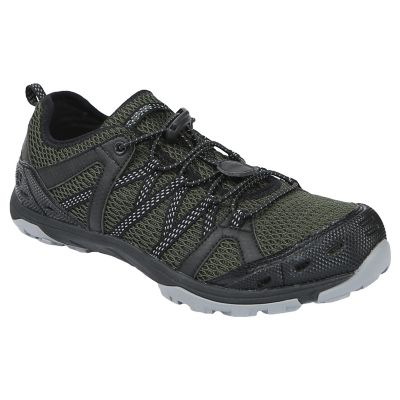
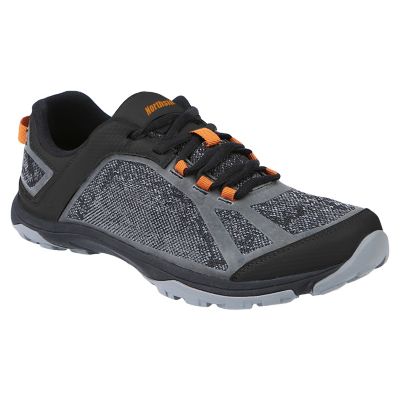
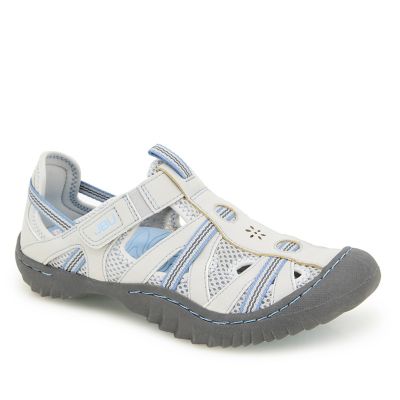
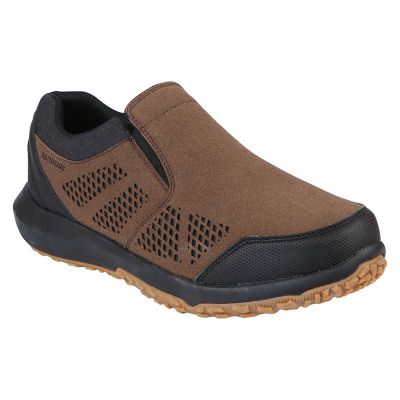
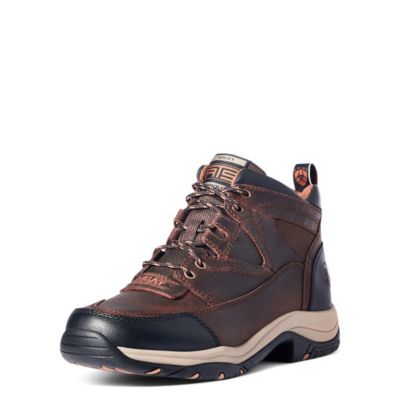
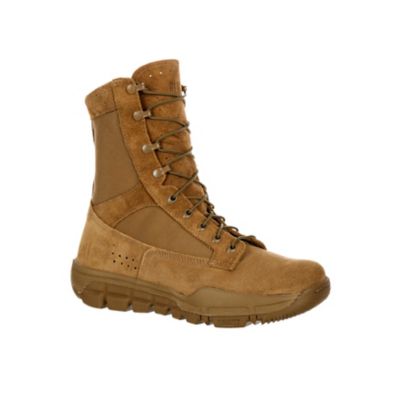
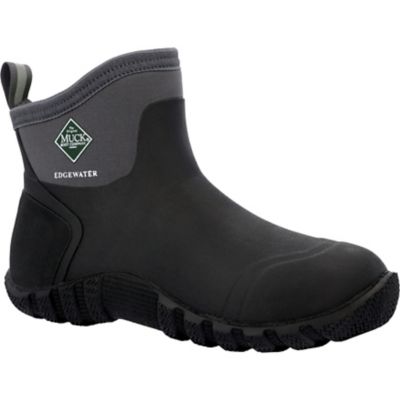
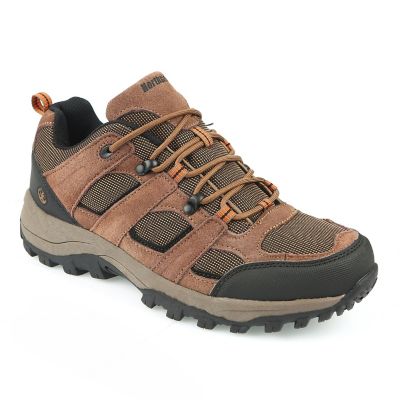
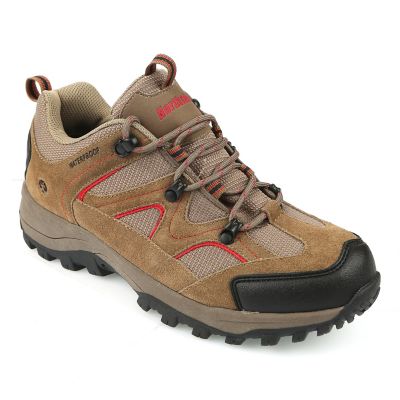
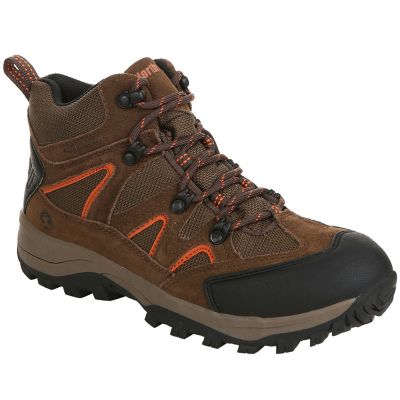
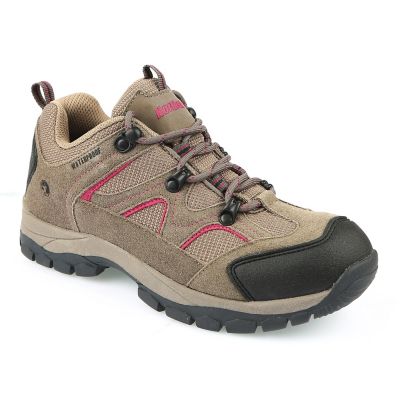
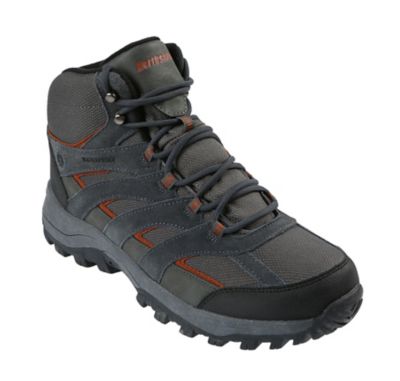
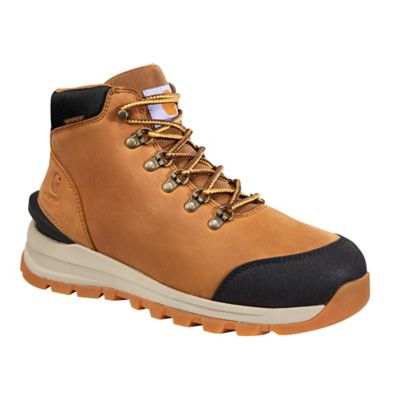
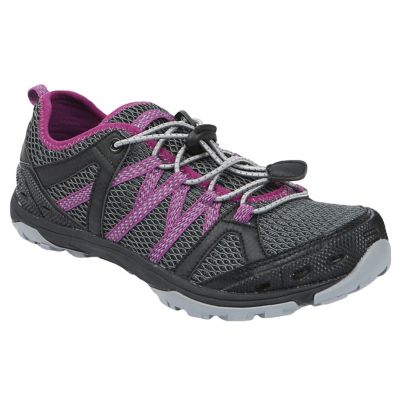
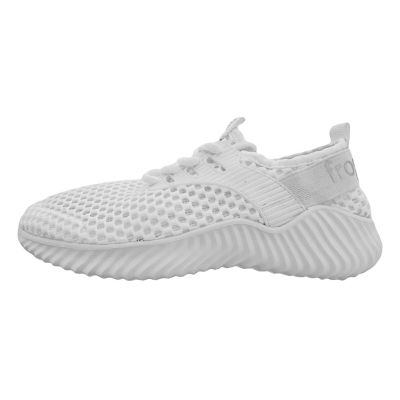
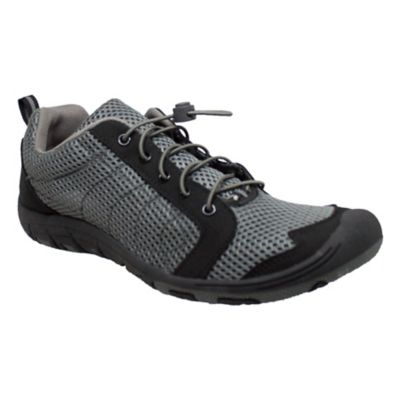
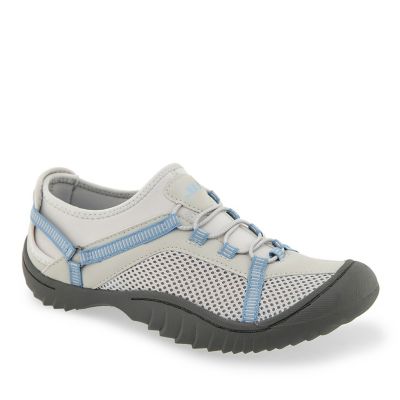
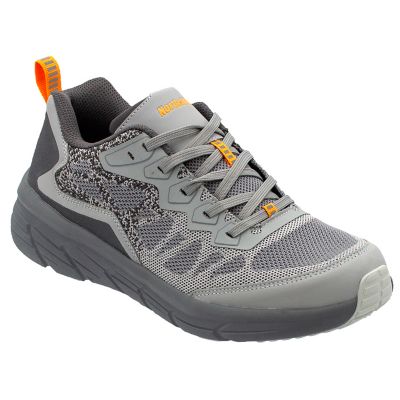
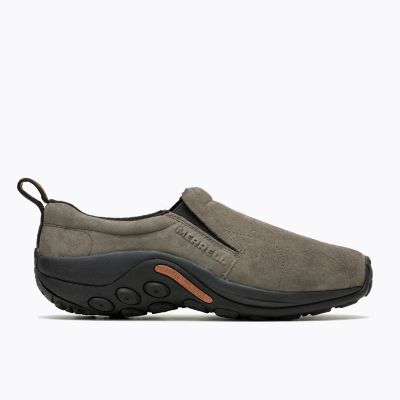
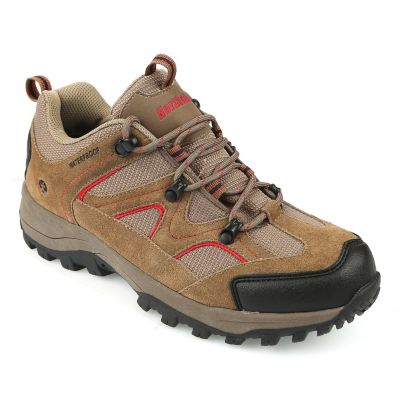
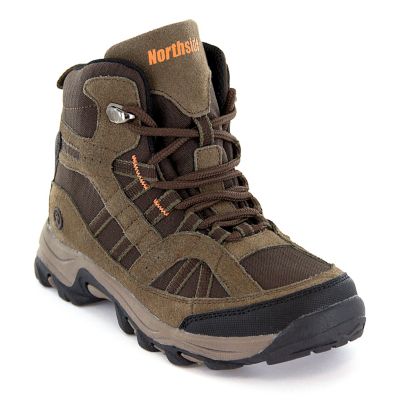
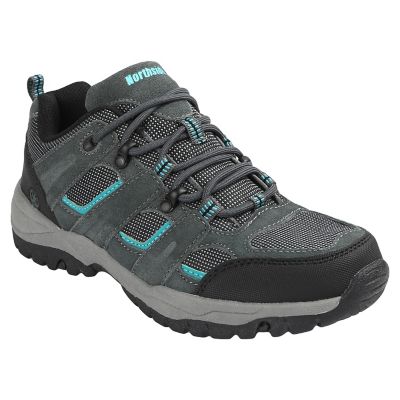
Quick drying hiking shoes are a handy choice for hikers, campers, anglers, hunters, travelers, and anyone who spends time on wet trails but does not want to carry the weight of a full boot. These shoes are usually made with lightweight synthetic mesh, woven fabric, ripstop panels, or other breathable materials that allow air to move around the foot. Many do not have a waterproof membrane, and that is part of the reason they can dry faster after a splash, stream crossing, rain shower, or sweaty afternoon on the trail. Water can pass through rather than staying trapped inside, while moisture and heat escape through the upper. Some designs also include drainage openings near the toe or along the sole to help water run out when the shoes are fully soaked. They are especially useful on warm-weather hikes, amphibious trails, canoe trips, creekside paths, and muddy routes where keeping feet perfectly dry is less realistic than getting them dry again quickly. A pair can also be useful during the cooler months when a damp trail, melting frost, or steady drizzle makes conditions sloppy but a heavy, insulated boot feels like too much. For cold, sustained rain or snow, however, a waterproof shoe or boot with more insulation may offer better protection. Shoppers comparing styles can browse
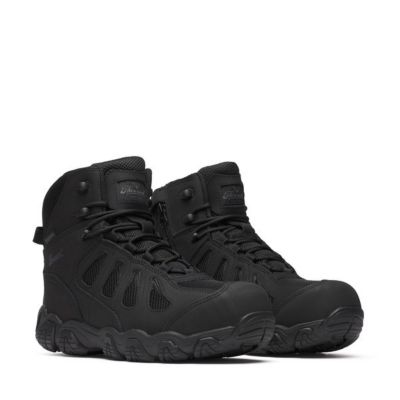
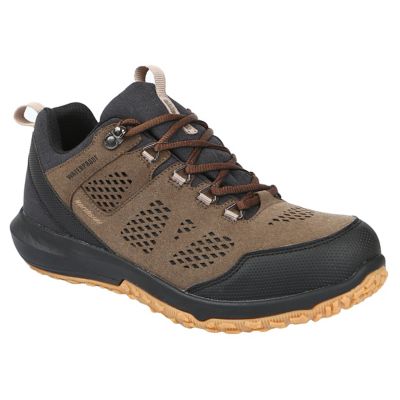
Lightweight Waterproof Hiking Boots when sealed coverage matters more than rapid drainage and airflow.
When choosing quick drying hiking shoes, start with the kind of ground underfoot and the way you plan to use them. A low-cut shoe or trail runner is often comfortable for day hikes, travel, camp chores, and packed paths, while a higher, more supportive design may feel steadier on rocky ground or when carrying a loaded pack. Look for a sole with tread suited to the terrain: shallow, closely spaced lugs work well on maintained paths and hard ground, while deeper lugs can help bite into loose dirt, mud, and uneven slopes. A firm heel counter and secure lacing or adjustable straps help keep the foot from sliding when the trail tilts downhill. A roomy toe box gives toes space to spread, especially after several miles, but the heel should stay snug without pinching. Try shoes on with the socks you expect to wear, preferably later in the day when feet have naturally swelled a little. Leave enough room in front of the longest toe to avoid bumping on descents, and walk around to check for rubbing at the heel, ankle, tongue, and seams. Breathable mesh can feel noticeably cooler than leather or sealed synthetics, which is helpful when the sun is high or the pace picks up. The tradeoff is that mesh will not block fine sand, cold wind, or standing water as well as a closed, waterproof upper. Insoles matter, too. A removable footbed makes it easier to air out the shoe, replace a worn insole, or use an insert that fits your arch and stride. For stream crossings, drainage ports and a water-resistant insole can shorten drying time, but they do not eliminate the need to pour out gravel and wring out wet socks.
Quick drying hiking shoes are also a practical gift for someone who enjoys weekend camping, walking the dog on back roads, visiting national parks, working around a farm, or keeping a pair in the truck for unexpected muddy conditions. They make a thoughtful choice for a new hiker because they are generally lighter and less cumbersome than traditional boots, and they can move easily from a trail to a campsite or roadside stop. A seasoned outdoorsman may appreciate them as a second pair for wet crossings, warm hikes, or trips where shoes need to dry overnight. To get the best performance, pair them with moisture-wicking socks and bring an extra pair when the route includes creeks or persistent rain. After a wet outing, remove the insoles, loosen the laces, shake out grit, and rinse away mud with clean water if needed. Let the shoes dry in a breezy, shaded spot rather than placing them directly against a heater, woodstove, or hot vehicle vent, since intense heat can weaken adhesives and stiffen synthetic materials. Stuffing them loosely with newspaper or a dry cloth can help pull moisture from the inside, but replace the paper as it becomes damp. Check the tread and seams from time to time, particularly if the shoes are used on gravel, sharp rock, or rough farm roads. Quick drying does not mean indestructible, and a lightweight upper may show wear sooner than a heavy leather boot. Still, for hikers who value airflow, easy movement, and a faster recovery after getting wet, the right pair can keep a soggy crossing from turning into an all-day nuisance. During changing weather, they are easy to pack alongside warmer layers, rain gear, and a more protective shoe, giving you a flexible option for everything from a short woodland walk to a long day following a creek through the hills.