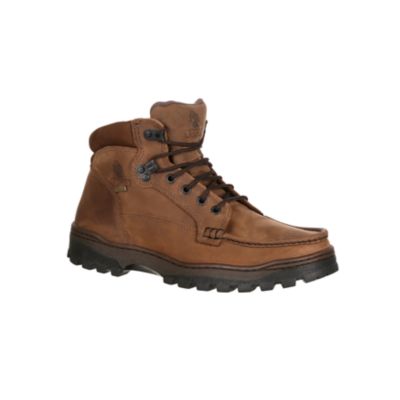
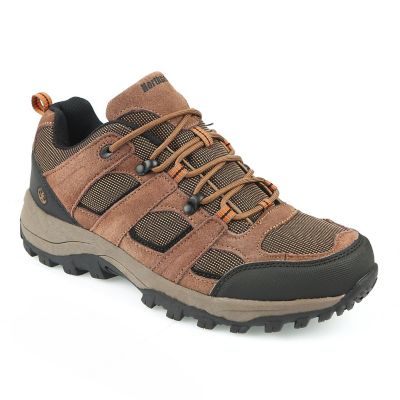
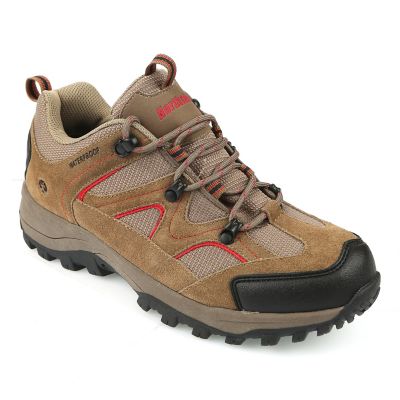
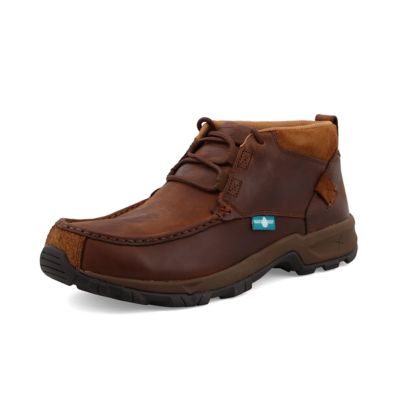
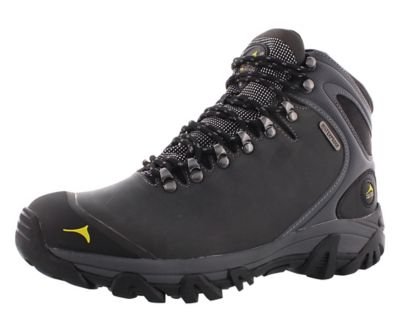
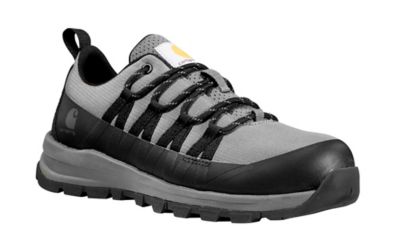
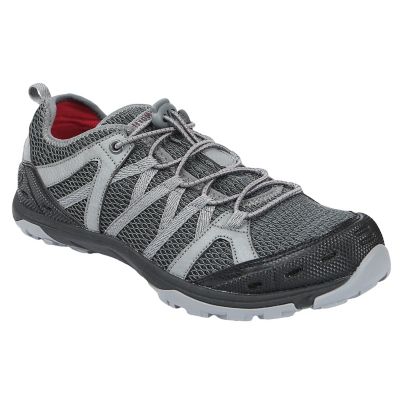
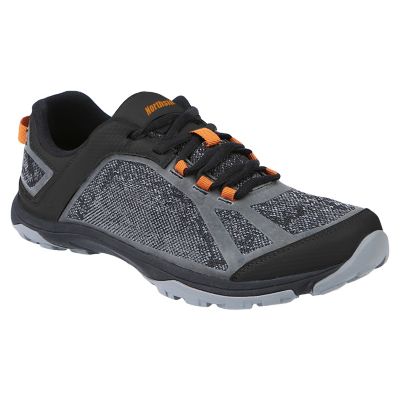
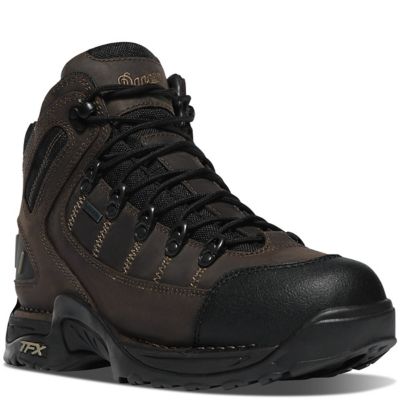
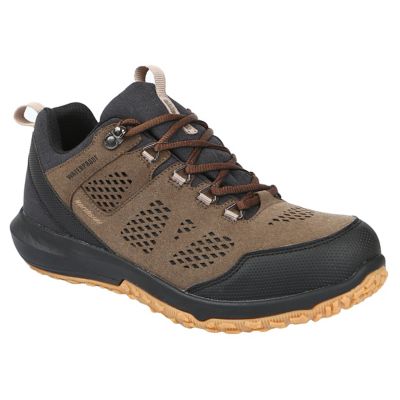
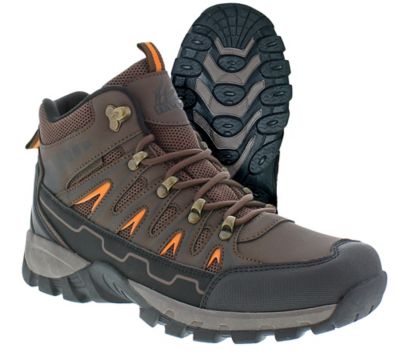
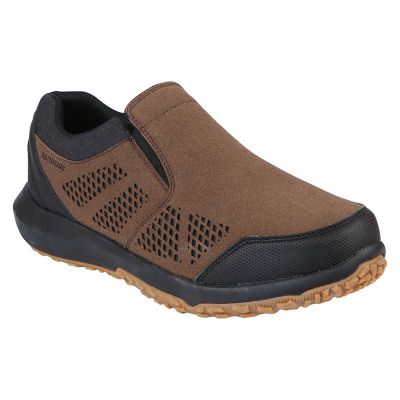
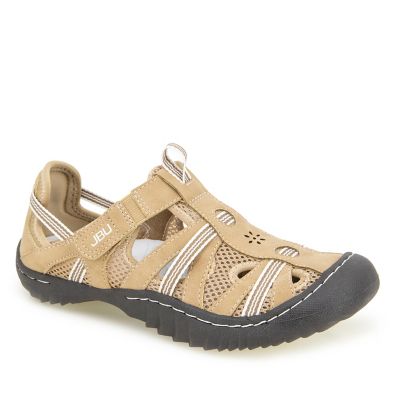
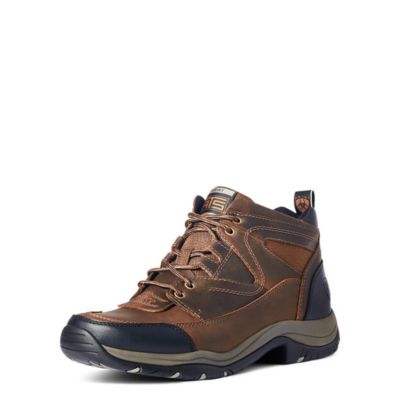
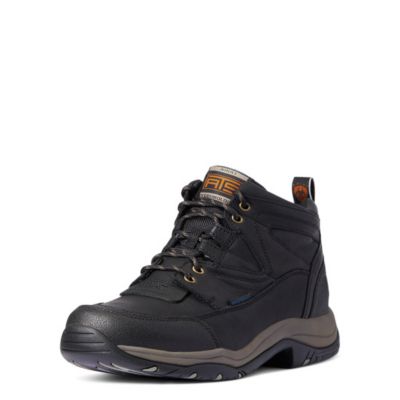
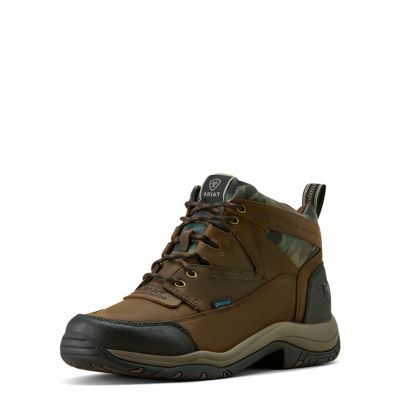
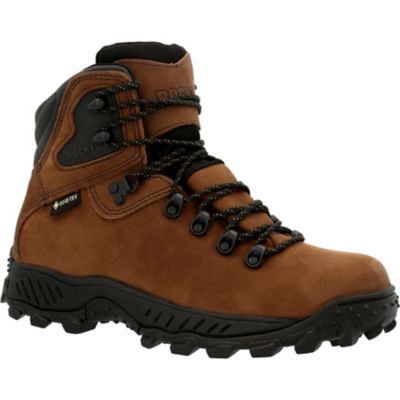
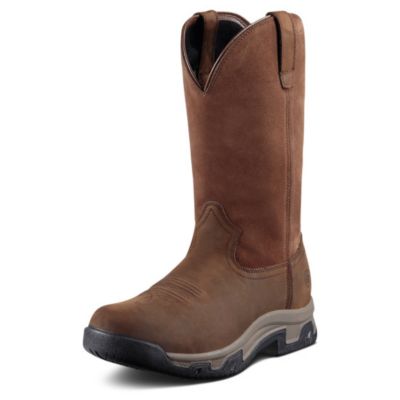
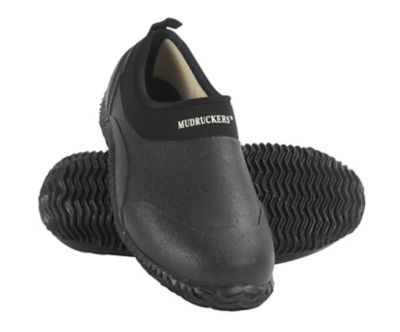
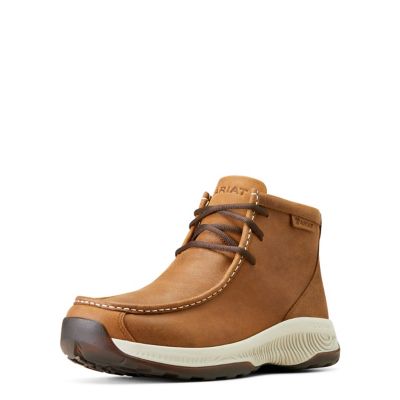
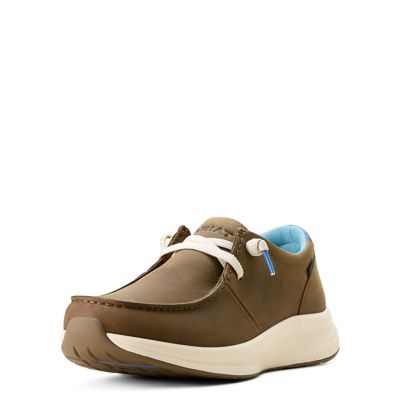
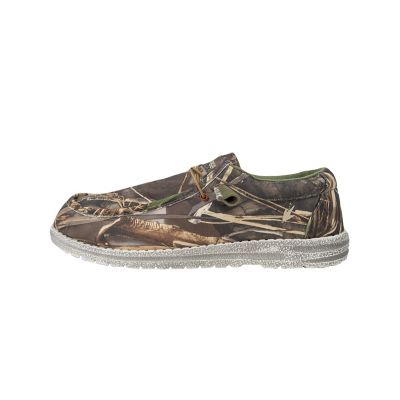
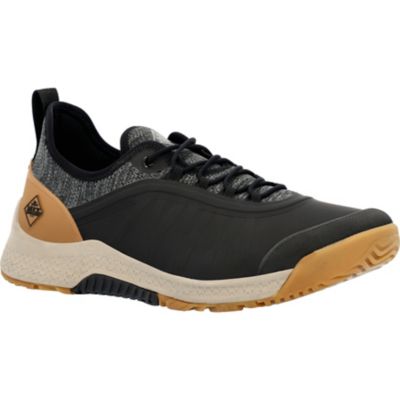
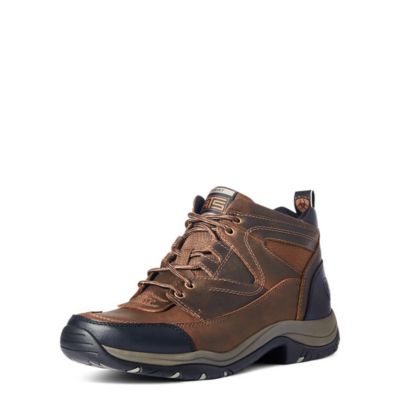
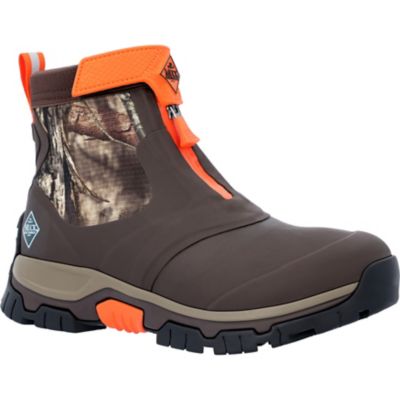
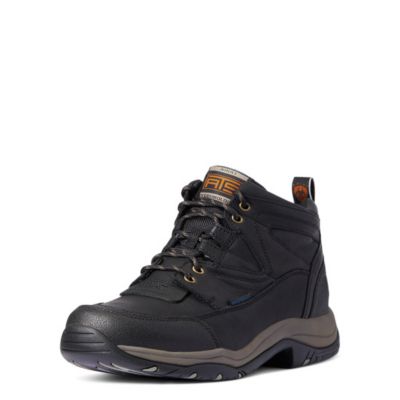
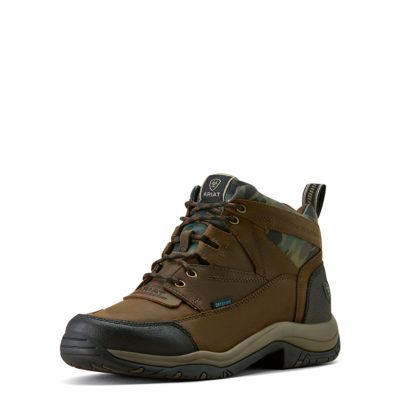
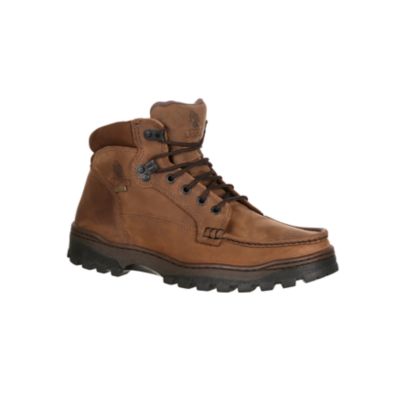
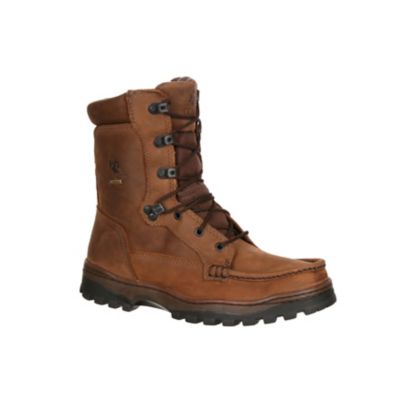
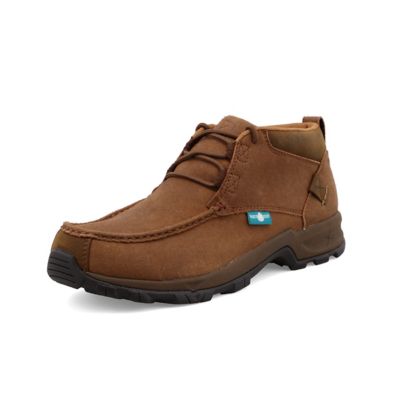
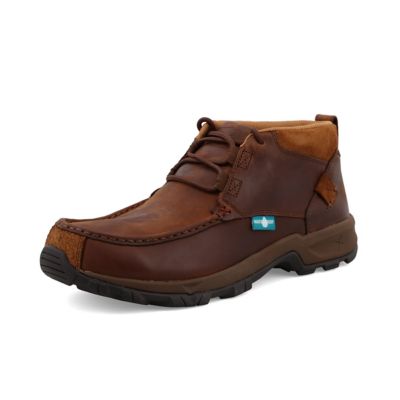
Men’s breathable hiking shoes are a solid choice for trail walks, farm chores, day hikes and everyday outdoor wear when you want more airflow than a heavy boot can provide. They are especially handy during warmer stretches and the mild days that can roll through the cooler months, helping feet feel less clammy on long stretches of dirt, gravel or packed grass. A breathable shoe generally uses an open-weave mesh, ventilated textile or lightweight synthetic upper to let heat escape while keeping the shoe from feeling bulky. Good designs often add ripstop panels or abrasion-resistant overlays around the toes, heel and sides. That combination matters because plain mesh can feel airy but may not hold up well against brush, rocks and rough trail edges, while too much solid material can make a shoe hot and stiff. For casual paths and well-kept trails, a flexible, lightweight upper may be all you need. If your route includes uneven ground, loose gravel or steep switchbacks, look for added structure through the midfoot and a snug heel that helps keep your foot from sliding inside the shoe. Breathable hiking shoes can make a thoughtful gift for a dad, husband, son, brother or friend who spends weekends outdoors, walks the dog on back roads, travels with a daypack or likes having one dependable pair for both town and trail. They also make sense for anyone who prefers the feel of a sneaker but needs more grip, protection and support than an ordinary athletic shoe can offer.
The biggest decision is often choosing airflow or weather protection based on where and when you plan to wear the shoes. Non-waterproof mesh and textile uppers usually provide the best ventilation and tend to dry faster after a splash, damp grass crossing or sweaty climb. They are a practical fit for dry trails, warm conditions and active days when comfort depends on moving air around the foot. Waterproof membranes can be useful in steady rain, wet leaves and shallow puddles, but they may hold in more body heat and can take longer to dry if water gets over the collar. For many hikers, a non-waterproof shoe paired with wool or synthetic moisture-wicking socks is the more comfortable all-around option, especially when the forecast is mixed and the trail is not expected to stay soaked. Pay attention to the tongue and collar, too. A padded collar can help block grit and cushion the ankle area, while a gusseted tongue helps keep small stones out. Fit should leave a little room in front of the toes, since feet can swell during a long walk and toes need space when heading downhill. Try shoes on with the socks you normally wear for hiking, and check that your heel stays planted without tightening the laces until they pinch. A shoe that feels fine for a quick trip around the store can feel very different after several miles, so comfort, secure lacing and a smooth interior are worth treating as essentials rather than extras. If warm-weather outings include river days, camp chores or easy walks where maximum airflow is the priority, you can also compare them with
Men's Breathable Sandals for a more open option.
Traction is just as important as ventilation once the trail turns rough. Check the rubber outsole for a lug pattern suited to your usual ground. Lugs around 4 to 5 millimeters deep can offer a useful balance for loose dirt, dry rock, gravel and rolling woodland paths, while a shallower pattern may feel smoother on pavement but give up bite in mud or on steep ground. Widely spaced lugs can shed dirt more readily, and a firm toe bumper helps protect against the odd root or rock. For rocky trails and technical sections, look for a stable sole that resists twisting without making the shoe feel like a board. For a daily hiker that will see sidewalks, store runs and short trails, moderate flexibility may be more comfortable. Consider the total weight as well: lighter shoes can make a noticeable difference over a full day, but a little added structure can pay off when carrying a pack or crossing uneven terrain. After use, knock off dried mud, remove the insoles and let the shoes air out away from direct heat, which can damage adhesives and stiffen materials. If the shoes get soaked, stuff them loosely with newspaper or a dry cloth and give them plenty of time to dry before the next outing. Rotate socks, keep an eye on worn tread and replace footwear when the outsole is smooth, the midsole feels compressed or the upper no longer holds your foot securely. With the right balance of airflow, fit, support and grip, men’s breathable hiking shoes can carry you comfortably from a gravel lane at dawn to a shaded trail after lunch and through plenty of everyday miles in between.