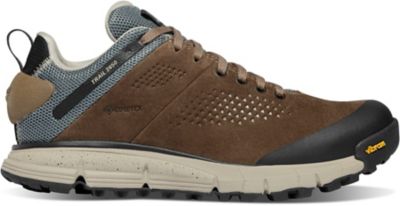
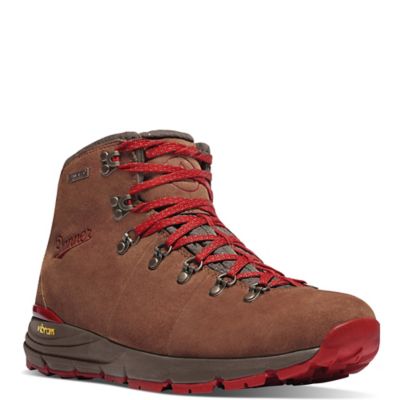
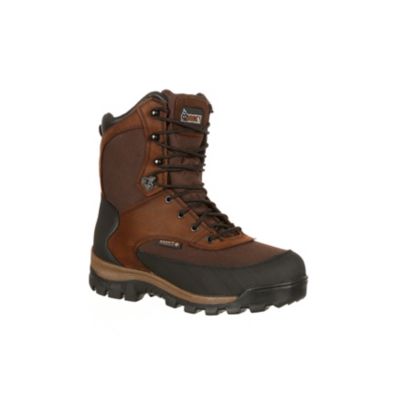
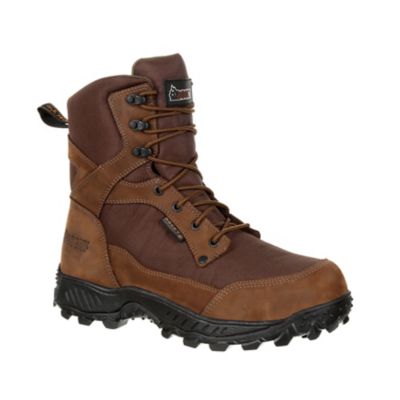
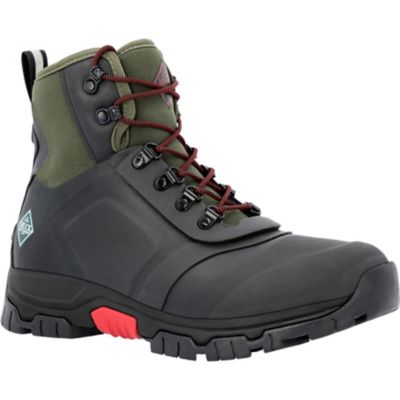
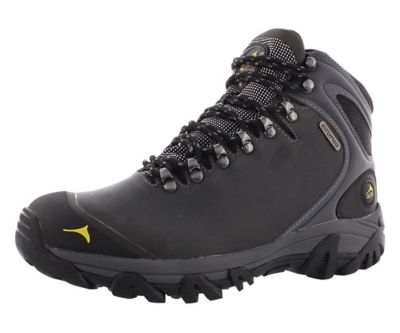
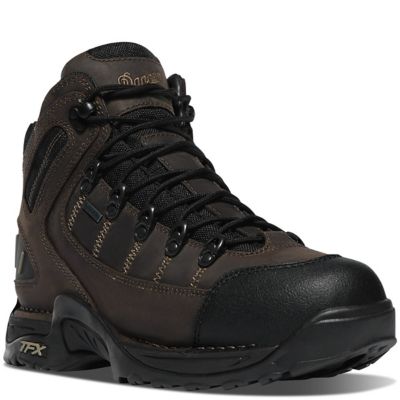
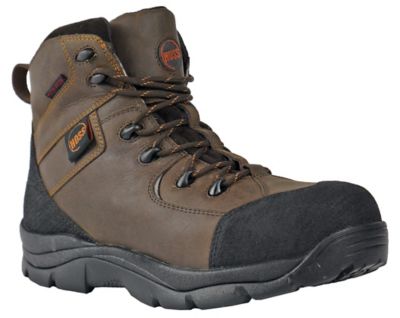
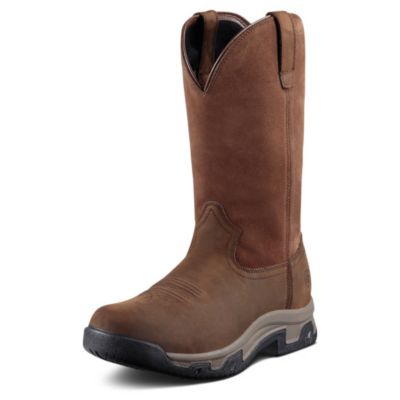
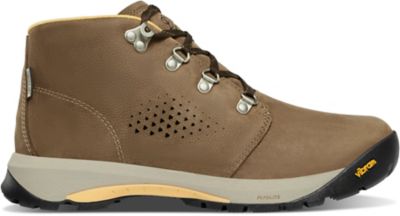
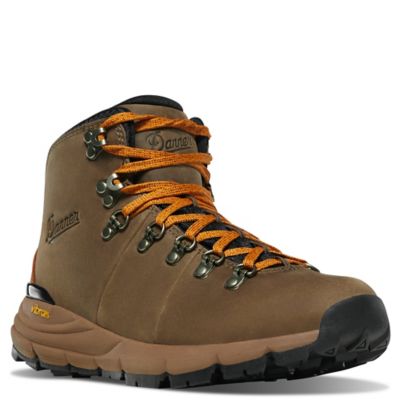
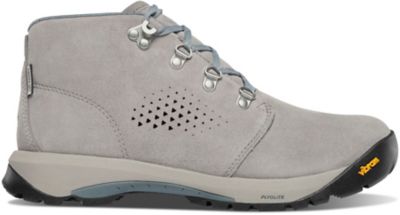
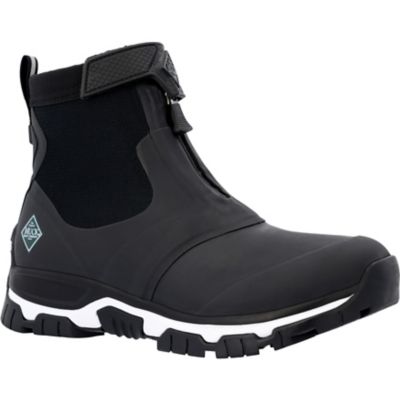
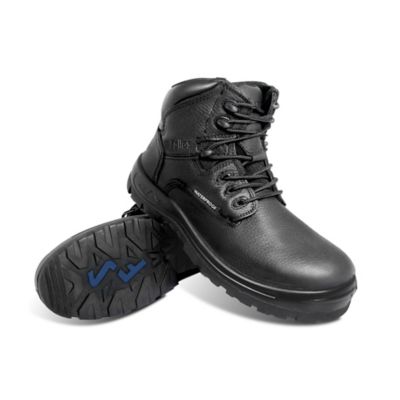
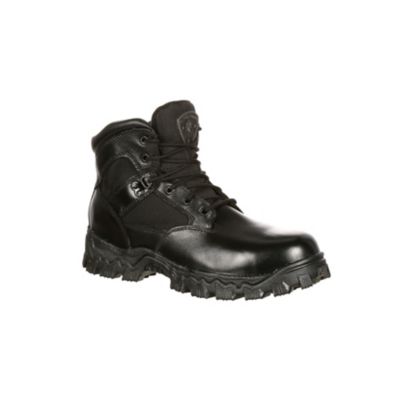
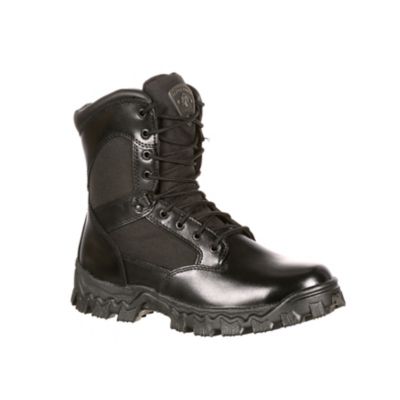
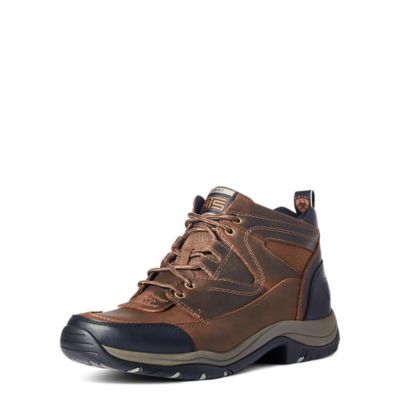
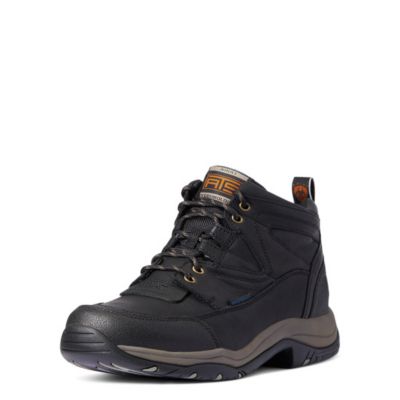
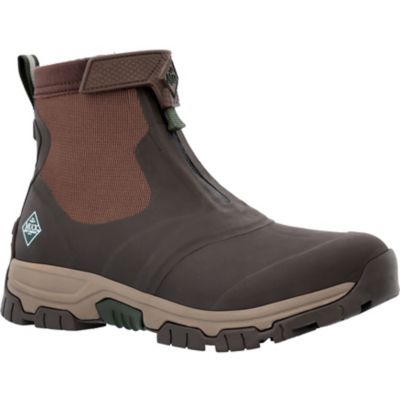
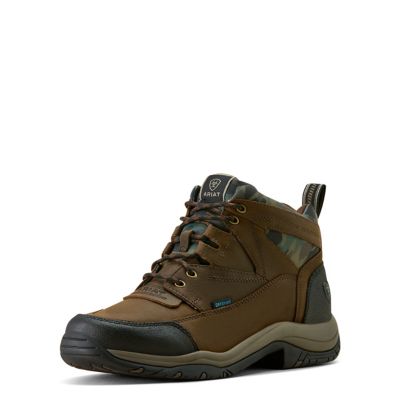
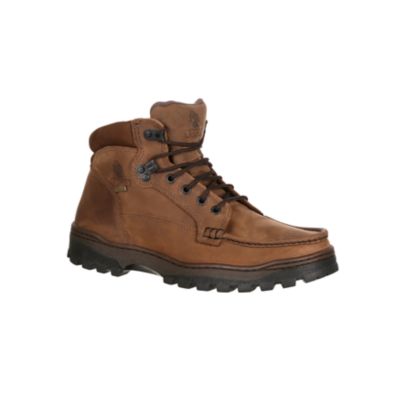
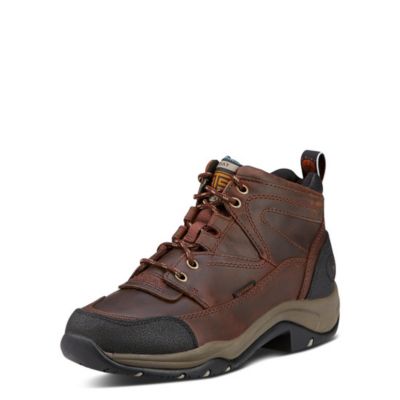
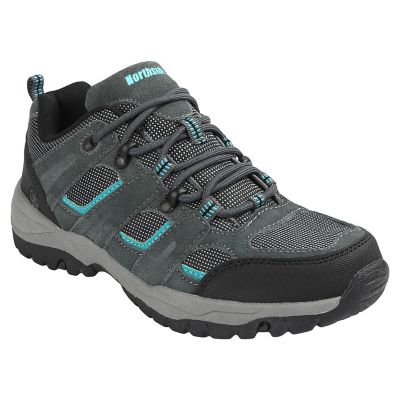
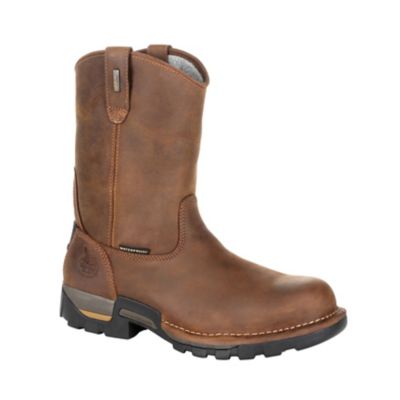
Lightweight waterproof hiking boots combine lower-weight construction with protection against rain, wet grass and shallow splashes, making them a practical choice for day hikes and walks over uneven ground. They suit people who want more coverage than a low-cut hiking shoe without the heft of a boot built for carrying a heavy pack across rugged country. On a trail that runs from gravel to creekside mud, that balance can make a difference in how comfortable each mile feels. Many designs pair woven nylon or polyester panels with synthetic overlays, while others include leather or suede around areas that take more rubbing. Fabric panels can help keep weight down, and reinforced sections around the toe and heel help handle contact with rocks, roots and brush. Waterproof protection may come from an internal membrane, sealed construction or a combination of features, depending on the boot. A water-repellent outer finish helps moisture bead on the surface, but that finish alone is not the same as a waterproof barrier. A gusseted tongue, attached along its sides, can also help keep splashes and trail grit from entering through the lace opening. Breathable waterproof materials allow some moisture vapor to escape, though no boot can prevent sweaty feet during hard uphill walking. Water can still enter over the collar, so waterproof hiking boots are not a substitute for footwear meant for standing in deep water. Underfoot, foam cushioning softens repeated steps, while the shape and firmness of the midsole influence how the boot feels on uneven surfaces. Some designs include a shank or protective plate to reduce the pressure of sharp rocks beneath the foot. Lightweight does not mean the same weight across every style or size, and listed weights are most helpful when the size and whether the measurement covers one boot or a pair are clear. Construction, cushioning and coverage matter alongside the number on the scale.
Fit makes the biggest difference when a short walk turns into an afternoon on the trail. Lightweight waterproof hiking boots should hold the heel and midfoot comfortably while leaving enough space for toes to spread and move without hitting the front on a descent. A little heel movement may occur, but repeated slipping can lead to rubbing, especially when the path tilts uphill. Width matters just as much as length: tightness across the forefoot can feel worse after several miles, and extra length is not always a good answer for feet that need a wider fit. The socks worn for hiking affect that fit, too. Wool-blend or synthetic hiking socks help move moisture away from the skin, and their thickness changes the amount of room inside the boot. Feet can swell with activity, so a fit that feels barely roomy at the start may become cramped later. Lacing systems allow tension to vary between the forefoot and ankle, while padded tongues and collars help soften contact around those areas. A higher collar offers added coverage against brush and loose trail debris, but collar height alone does not determine stability or prevent ankle injuries. Sole construction, foot placement and the weight of a pack also play a part. Rubber outsoles with spaced lugs help grip loose dirt and shed mud, while broader contact areas can feel steadier on firm paths. Wet roots and smooth rock still call for careful footing; no tread pattern removes the chance of slipping. For a walk around a lake, a trail through wooded acreage or a few miles to a fishing spot, flexible cushioning may feel comfortable and easygoing. Longer routes with rocky footing or a loaded pack may call for a firmer platform and more underfoot protection. Hiking boots can also work well for recreational walks along field edges, but waterproof construction does not establish safety-toe, puncture-resistance or other protection required for certain jobs.
Keeping lightweight waterproof hiking boots in good shape starts with clearing away the grit that wears at fabric, stitching and leather. Mud packed into the outsole can reduce traction, and dried dirt left around flex points can rub against the upper each time the foot bends. A soft brush and a damp cloth are often enough for routine cleanup, with the maker’s care directions guiding any deeper cleaning or treatment. Leather sections may need a compatible conditioner, while fabric and synthetic materials can call for a different approach. Waterproof membranes do not make every cleaner or waterproofing treatment suitable, and heavy coatings can interfere with breathability. When boots are damp inside, removing the insoles and loosening the laces helps air reach more of the lining. Drying at room temperature, away from a heater, fire or direct high heat, helps protect adhesives and materials. Clean, fully dry boots store better than a pair put away with mud on the soles and moisture trapped inside. Over time, the tread, lace hardware, seams and areas that bend near the toes are worth watching for wear. A worn outer finish may need a compatible water-repellent treatment, but a surface treatment cannot repair a damaged waterproof barrier. These details matter whether the boots come out for regular weekend hikes or occasional walks to a favorite overlook. They can also make a thoughtful gift for someone who enjoys trail walks, camping or exploring nearby public land, especially when their shoe size, preferred width and usual walking conditions are known. For shoppers comparing a boot’s higher coverage with a lower-cut option,
Lightweight Hiking Shoes offer another style to consider for groomed paths and lighter outings. The best match comes down to the ground underfoot, the distance ahead and how the footwear fits—not simply how light it feels in the hand. Comfortable heel hold, useful toe room, suitable traction and care that fits everyday routines all help make waterproof hiking footwear ready for the next stretch of trail.