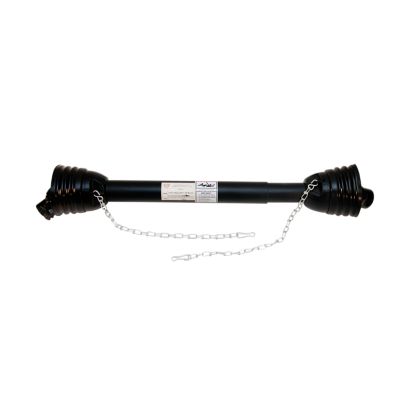
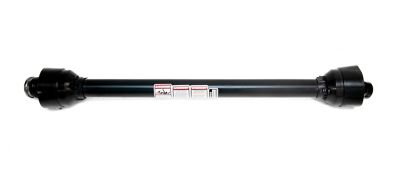
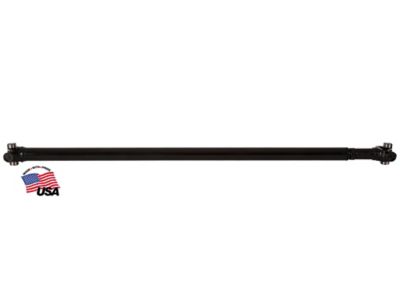
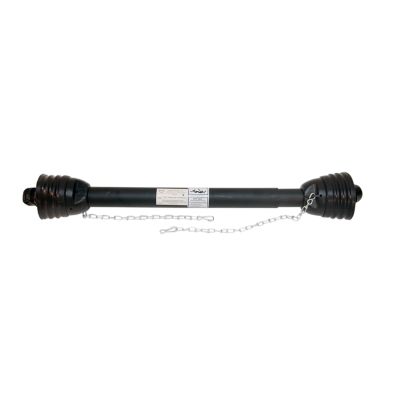
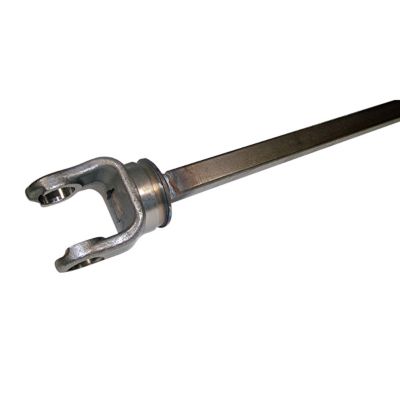
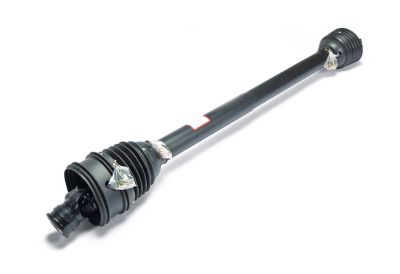
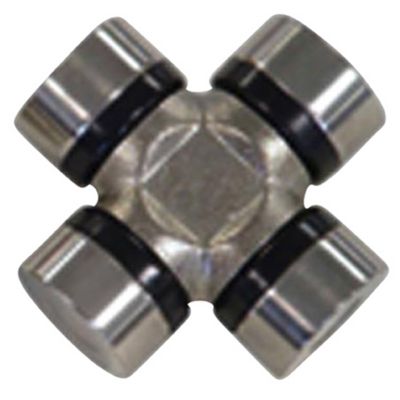
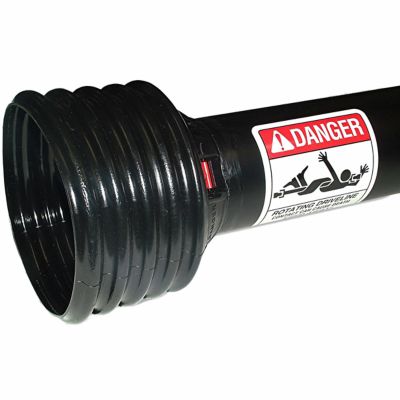
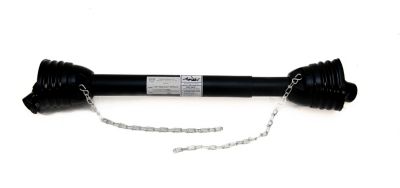
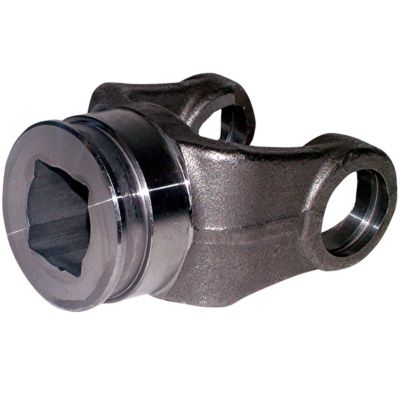
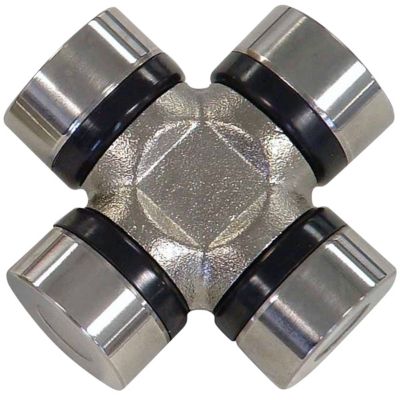
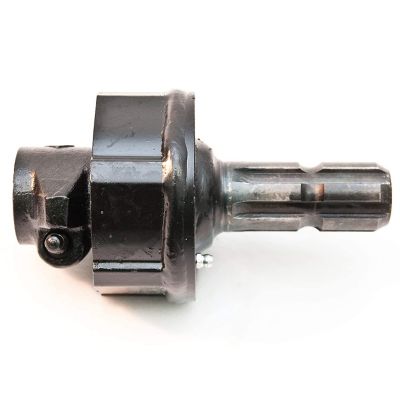
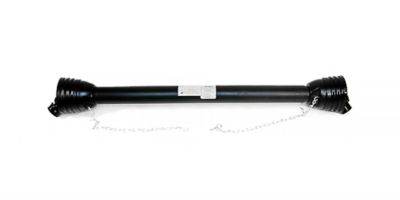
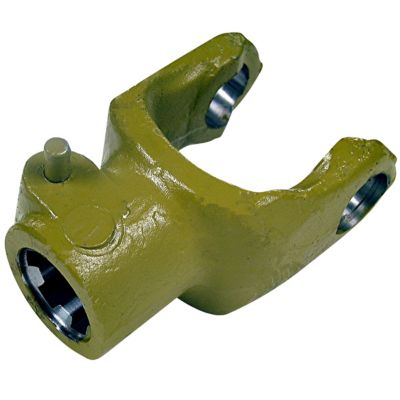
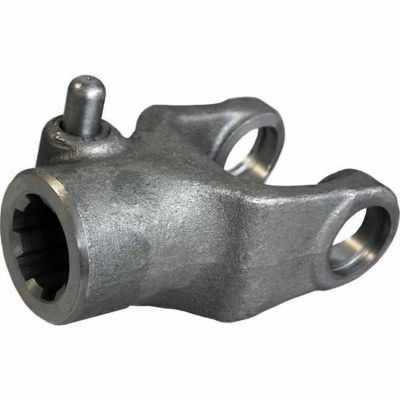
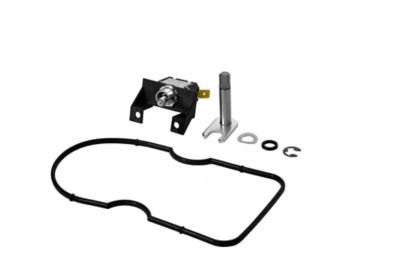
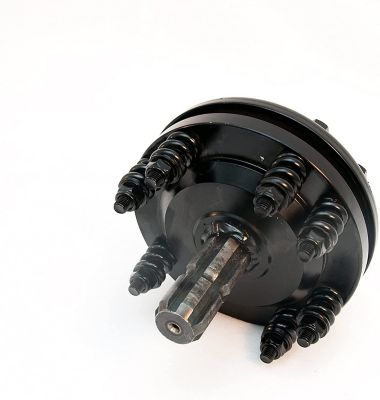
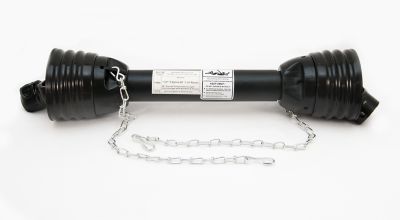
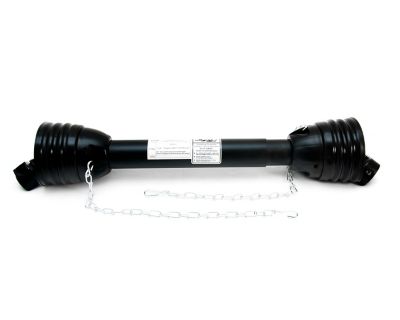
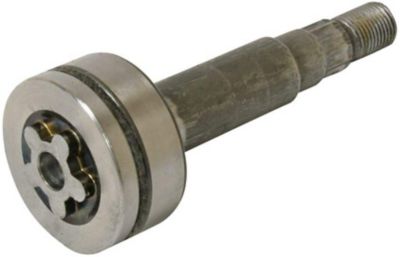
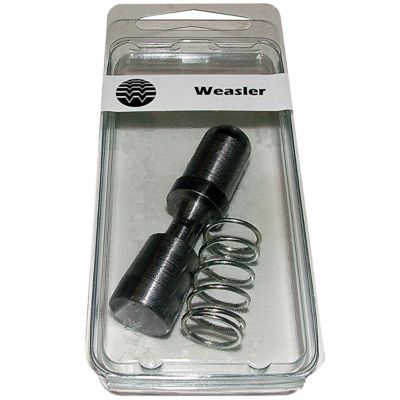
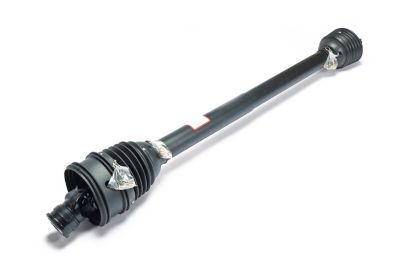
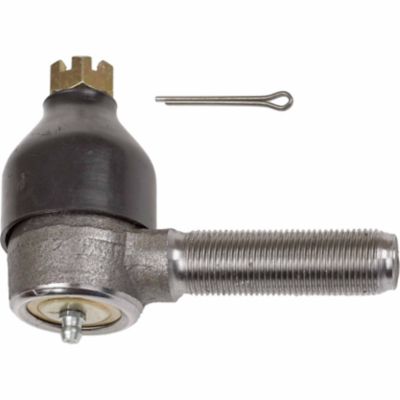
Driveshaft parts help carry rotating power from a vehicle’s transmission or transfer case to its differential, allowing the axle to turn the wheels while the suspension moves over uneven ground. On a pickup headed down a gravel lane or a work vehicle hauling equipment across a property, those connections have to handle torque without binding or creating excessive vibration. The main components include universal joints, slip yokes, end yokes, flanges, and, on many two-piece driveshafts, center support bearings. Each has a different job, so finding the right replacement starts with identifying the connection that needs attention rather than treating every driveline noise as the same problem. Universal joints, often called U-joints, let connected shafts transmit power at an angle. Their bearing caps fit into the yokes, allowing the driveline to accommodate movement between the transmission and axle. A slip yoke or another sliding spline connection allows the assembly’s effective length to change as the suspension travels. End yokes and flanges provide attachment points at the axle, transmission, or transfer case, depending on the drivetrain’s layout. Center support bearings, also called carrier bearings, support the intermediate section of a multi-piece driveshaft; their surrounding mounts help control movement and isolate vibration. Seals at sliding connections help keep lubricant contained, while retaining rings, straps, and bolts hold the appropriate components in place. Not every drivetrain includes all these parts, and similar-looking connections can have very different dimensions. Farmers, ranchers, property owners, mechanics, and folks who maintain their own trucks may all need these components when keeping working equipment in service. The same broad principles of rotating power transfer also apply to agricultural drivelines, but a tractor’s power take-off shaft and a road vehicle’s driveshaft have different connection requirements. Parts intended for one application should never be assumed to fit the other simply because both assemblies have yokes and universal joints.
Fit matters down to the details that are easy to miss across a shop counter. For a vehicle application, the year, make, model, transmission, drivetrain configuration, and front or rear shaft location help narrow the choices. Wheelbase and axle configuration can matter, too, especially where a vehicle has more than one possible driveshaft arrangement. Existing component measurements and the manufacturer’s specifications provide another layer of confirmation. With U-joints, bearing cap diameter, overall span, and retaining ring location are key dimensions; some applications have different cap sizes or spans across the same joint. A joint series identifies a particular dimensional family, not a universal fit for every truck in a similar size range. Slip yokes need the correct spline count, spline dimensions, engagement length, and seal surface diameter, along with the right connection for the mating joint. Flanges require matching bolt patterns, pilot dimensions, and mounting arrangements. A center support bearing must match the shaft diameter and its mounting location, including the bracket arrangement where applicable. These details matter whether the job involves a daily work pickup or a vehicle that spends much of its time carrying fencing supplies between pastures. Material and construction also play a role in how a part handles its intended workload. Steel is common in yokes and joint components because these connections carry substantial twisting forces. Hardened bearing surfaces help resist wear, while suitable seals help keep grease in and grit out. Some complete shaft assemblies incorporate aluminum tubing, but material alone does not establish compatibility or load capacity. The application’s torque, rotational speed, working angles, and manufacturer ratings remain important. Agricultural PTO components also need the correct driveline series, tractor and implement connections, operating length, and shielding arrangement. A heavier-looking component is not automatically a better match, and a part that bolts into place may still have the wrong operating clearance or movement range. Matching the whole assembly helps protect neighboring components as well as the replacement itself.
Long service life depends on proper fit, suitable lubrication, and attention to the conditions around the driveline. Dust from a field entrance, grit along a gravel road, and debris around working equipment can challenge seals and bearing surfaces. Greaseable U-joints have fittings for scheduled lubrication, while sealed designs generally do not require routine greasing; the correct care depends on the component manufacturer’s directions. Lubricant type and service interval matter, and adding grease does not repair a worn bearing or a damaged seal. Sliding splines also need the care specified for their design so they can move freely without developing excessive play. During routine maintenance, torn seals, displaced retaining rings, missing hardware, damaged tubing, and deteriorated support-bearing rubber all deserve attention. A clunk when shifting between forward and reverse, a squeak that changes with road speed, or a vibration under load can point toward driveline trouble, but those symptoms can also come from other vehicle systems. Diagnosis helps avoid replacing a sound joint while overlooking a loose mount, tire problem, or worn axle component. Driveshaft balance, joint alignment, and operating angles affect smooth operation, making professional evaluation worthwhile when vibration persists or shaft damage is present. Repairs involving shaft tubing, welding, or balancing generally call for driveline shop equipment rather than a bench vise and guesswork. Inspection and service belong on equipment that is shut down and secured against movement; tractor PTO work also requires complete disengagement and properly installed guards before operation resumes. For machinery with a different power-transfer layout,
Motor Shafts relate to the rotating shaft at the motor rather than serving as interchangeable vehicle driveshaft components. Keeping those roles straight makes it easier to identify the right part family. Whether the task is maintaining a truck that pulls a livestock trailer or servicing a tractor implement driveline, the goal stays practical: compatible connections, controlled movement, and smooth power transfer that suit the equipment’s actual work.