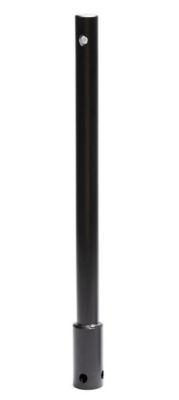
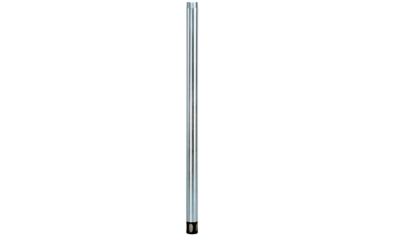
A shaft extension adds length to an existing shaft without replacing the entire shaft. In a golf club, a shaft extension fits inside the butt end beneath the grip, making the club longer to help match a player’s height, posture and swing. That can make sense when an otherwise suitable set feels too short, especially for a taller player who finds themselves bending farther over the ball than a comfortable stance allows. Height alone does not determine club length, though. Arm length, wrist-to-floor measurement, address position and how the club moves through impact all play a part in the fit. Golf shaft extensions may be made from steel, graphite or other purpose-built materials, with the right choice depending on the construction and dimensions of the original shaft. The outside diameter of the inserted section must match the shaft’s internal opening, while the upper portion needs to support the grip properly. A snug, correctly bonded connection matters more than simply adding the desired number of inches. Each extension also has a limit on how much length it can safely add, so a longer piece does not mean every bit of it can remain above the original shaft. Extending a club changes more than its overall measurement: it can affect swing weight, balance, feel and the way the shaft responds during a swing. A small adjustment may help a player settle into a more natural setup, while too much added length can make consistent contact harder. The grip generally comes off for installation, and the finished club needs a properly fitted grip once the extension is secured and the adhesive has cured. For a golfer who likes the feel of an existing set, the appeal is keeping familiar clubheads and shafts while addressing a length mismatch. A club fitter can help determine whether an extension is suitable or whether a different shaft would better suit the player’s needs.
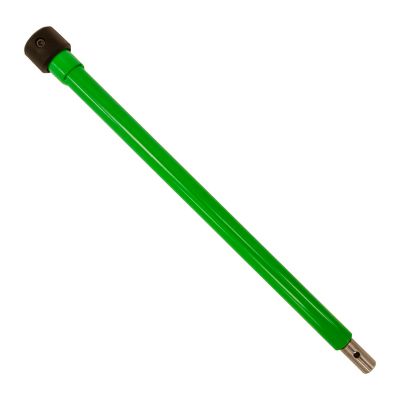
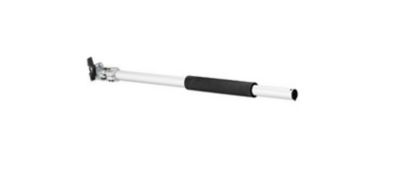
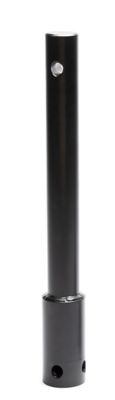
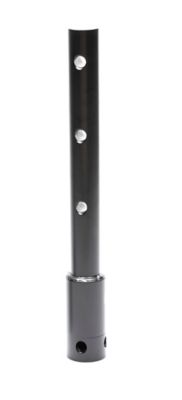
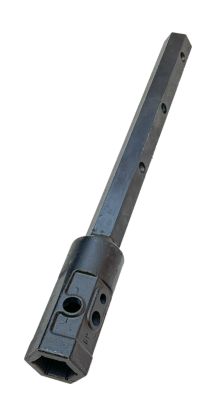
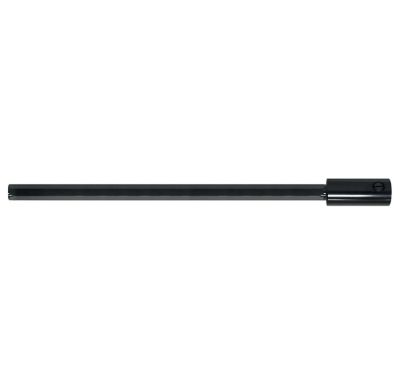
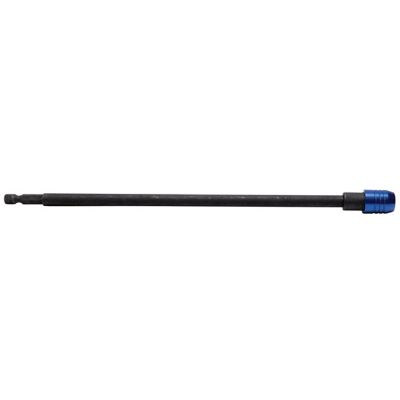
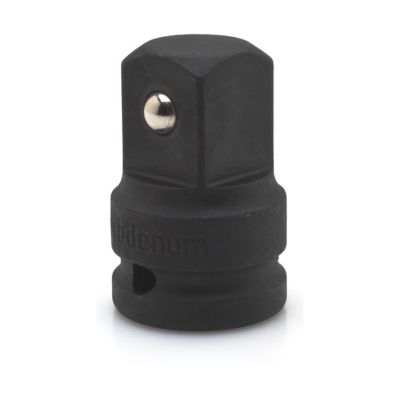
The same name also applies to mechanical shaft extensions, which add reach between compatible parts in equipment rather than changing the fit of a golf club. Around a farm shop, repair bench or equipment shed, shaft length can determine whether a drive component reaches its connection with the proper engagement. These applications call for a different set of measurements and ratings. Shaft diameter, overall extension length, insertion depth and connection style all matter, along with the space surrounding the assembly. A keyed connection depends on the correct key and keyway dimensions; a splined connection depends on the matching spline pattern; and a threaded connection depends on the specified thread diameter, pitch and direction. Two parts that look close on the bench may still be incompatible once those details come into play. An extension also differs from an adapter: its main job is to add length, while an adapter changes the connection between parts, although some designs perform both functions. Steel construction is common in mechanical applications because the connection may need to transmit rotational force and withstand repeated loading. Material specifications, surface treatments and protection against corrosion become important where a shaft encounters moisture, dirt or shop chemicals. Even a substantial-looking extension needs to match the equipment’s intended load, speed and direction of rotation. Added length can increase leverage on bearings and other supports, and a connection that sits farther out may require additional clearance or support specified by the equipment manufacturer. Proper alignment helps prevent vibration, uneven wear and stress at the connection. An extension should not compensate for a bent shaft, a failing bearing or a mounting arrangement that puts connected parts out of line. For equipment owners and mechanics, the best fit comes from matching the complete connection and operating requirements, not just the shaft diameter. Whether the job involves a stationary drive assembly or another compatible machine, manufacturer-approved applications and intact guarding remain central to a sound installation.
Care and installation requirements depend on which kind of shaft extension the job calls for, but clean mating surfaces and sound connections matter across the board. On a golf club, old adhesive, loose material or damage inside the shaft can interfere with the bond. The extension and adhesive need to suit the shaft material, and the joint needs its full specified curing time before play. Cracks near the grip end, a grip that begins to turn or a new clicking sensation deserve attention rather than another round of swings. On mechanical equipment, dirt packed into a keyway or damaged threads can prevent proper seating even when the nominal measurements match. Fasteners, retaining features and lubrication requirements should follow the equipment instructions, since not every connection calls for the same treatment. Power isolation and a complete stop are essential before any inspection or adjustment near a rotating assembly. Once installed, an extension should leave the equipment’s guards, supports and clearances functioning as intended. New vibration, movement at the joint or unusual wear can point to a fit or alignment problem that needs correction before more work continues. Storage matters, too: keeping uninstalled extensions dry and protecting their connection surfaces helps prevent corrosion and nicks that can interfere with assembly later. Clear measurements and the original equipment specifications are handy when comparing options, particularly when several similar-looking shaft sizes share space on the shop bench. For reaching a recessed nut or bolt,
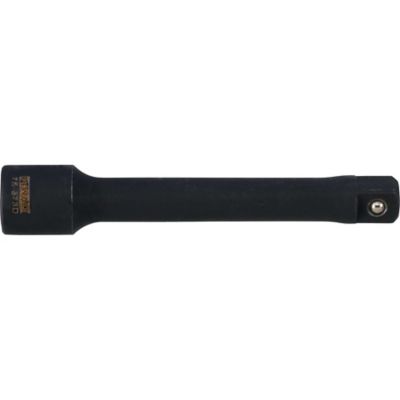
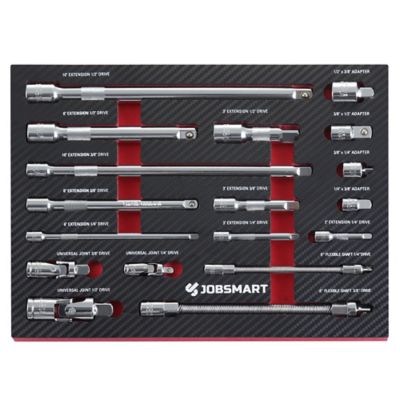
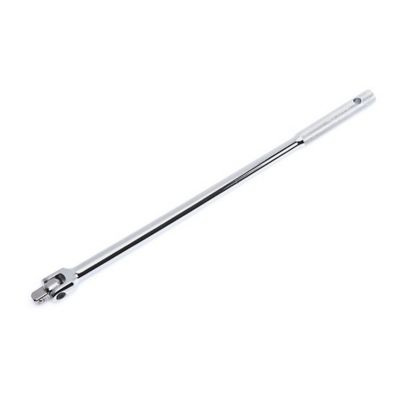
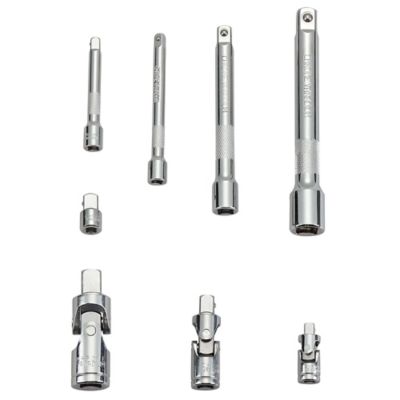
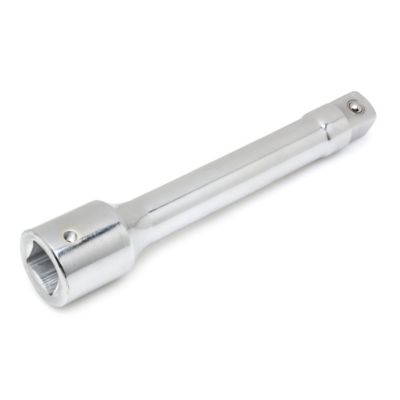
Socket Extension Bars serve a different purpose, adding reach between a socket and a compatible drive tool rather than lengthening a golf club or machine shaft. Keeping those functions separate makes it easier to choose the right type of extension for the task. From adjusting a familiar club to connecting compatible equipment components, the goal stays straightforward: the needed reach, the right fit and a connection suited to the work.