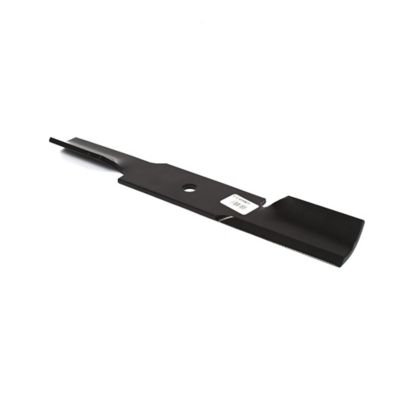
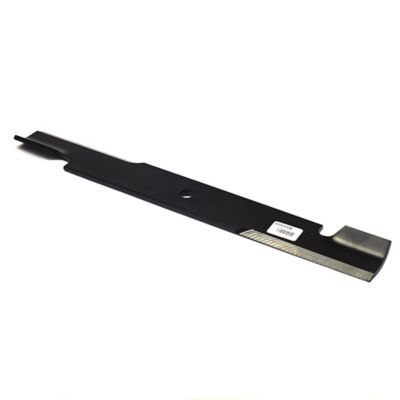
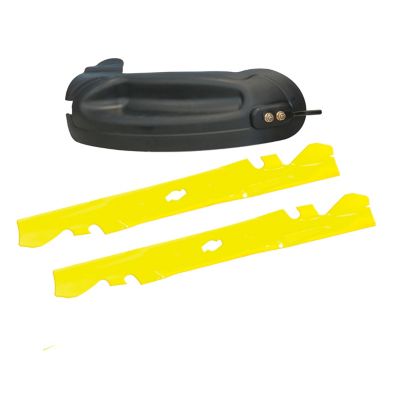
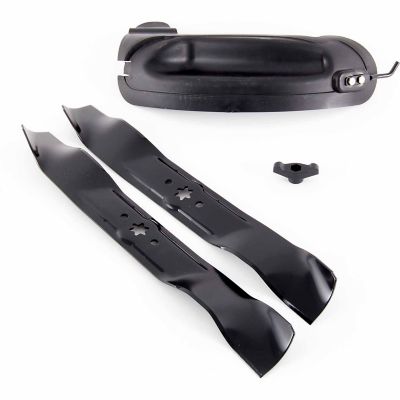
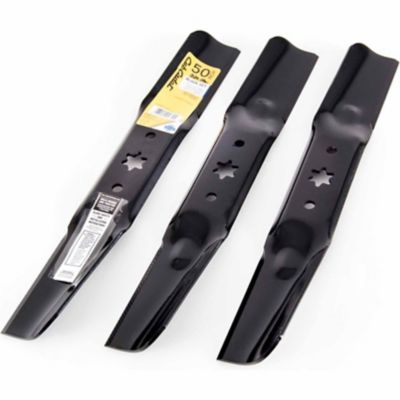
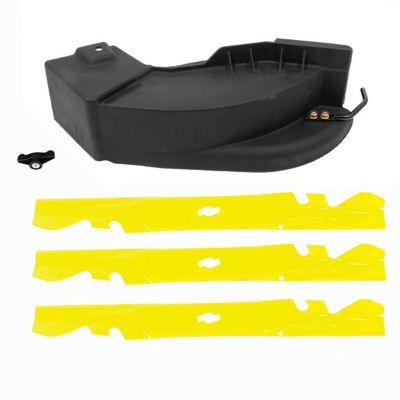
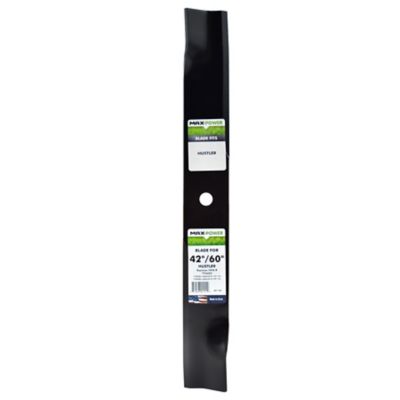
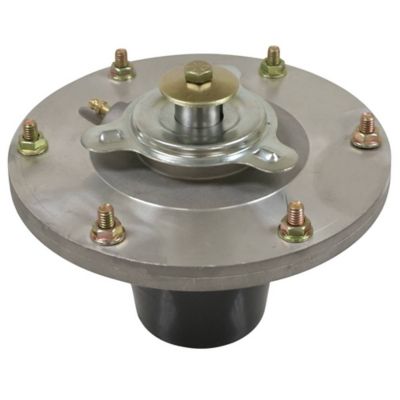
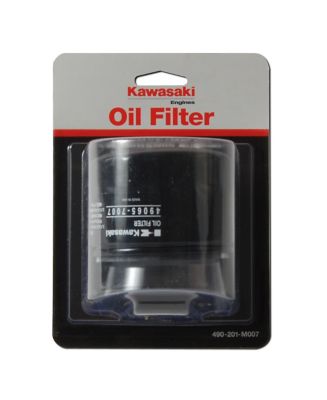
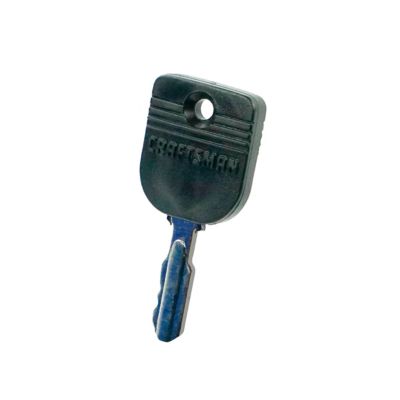
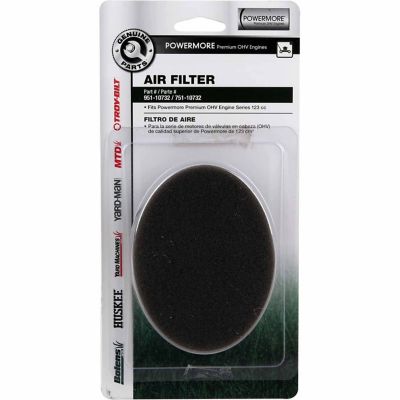
Ferris mower parts are replacement components for the cutting deck, engine, drive system, controls, and other assemblies on compatible mowers. Their job is straightforward: keep the machine’s systems working together so grass gets cut evenly and the mower handles as its manufacturer intended. For someone mowing around a farmhouse, maintaining a larger homeplace, or running a lawn care crew, the right replacement starts with the machine itself. Model and serial numbers matter because mowers that look alike can have different deck arrangements, mounting points, drive components, or engine specifications. Deck width alone does not establish fit, and a familiar-looking part is not enough to confirm a match. The mower’s parts diagram and owner’s manual provide the reference for identifying the correct component and understanding where it belongs. Engine maintenance components may also require the engine model and identification information rather than only the mower’s model number. That distinction matters when similar mower configurations have different engines. Within the broader category, cutting components, belts, pulleys, bearings, filters, and electrical components serve very different purposes, so each has its own fit requirements. A blade must match the specified dimensions, mounting arrangement, and deck application. A belt needs the correct profile and length for its routing, while a filter needs the proper connection, dimensions, and operating specifications for the system it serves. Even a small difference can affect clearance, alignment, or operation. For equipment that spends its working hours circling trees, following fence lines, and covering open stretches of lawn, correct compatibility matters more than a close visual resemblance. Replacement decisions should account for the complete assembly, including related hardware and any manufacturer-specified part revisions. Clear identification keeps the focus on parts intended for the mower, rather than components that merely appear close enough. It also helps distinguish a routine service component from a larger assembly, so the scope of the repair stays tied to the machine’s actual needs. Those details are worth having on hand before comparing replacement options.
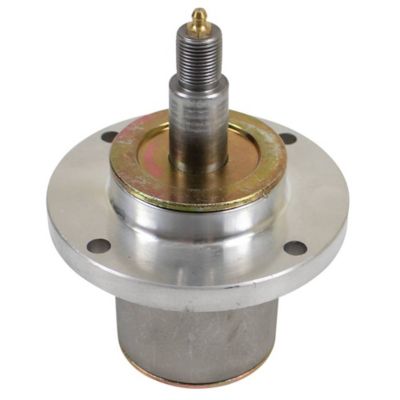
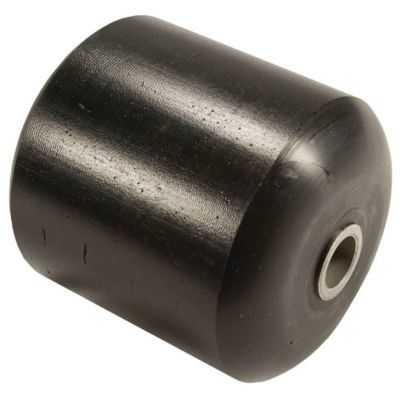
Materials and construction tell another part of the story, though they only make sense alongside the mower’s specifications. Mower blades commonly rely on steel selected and treated for cutting service, with shape, thickness, lift, and balance all affecting how they work within a particular deck. A blade intended for one cutting arrangement should not be treated as interchangeable with another simply because both fit through the same center opening. Belt construction can include reinforced rubber compounds and internal cords that carry load while flexing around pulleys. The belt’s cross section and routing requirements are just as important as its overall length, especially where multiple pulleys and tensioning components work together. Bearings, spindle assemblies, and pulleys depend on correct dimensions, alignment, and mounting surfaces to support smooth rotation. Seals and protective shields help limit contamination where specified, but they do not replace the care outlined for the assembly. Filters have a different role: their media, sealing surfaces, and flow characteristics must suit the engine or hydraulic system involved. Electrical replacement components bring their own considerations, including connector shape, terminal layout, mounting position, and the specified electrical rating. These are working parts, not just matching shapes. Service life depends on the application, installation, operating conditions, and ongoing maintenance rather than material alone. Grass packed beneath a deck can interfere with discharge, and buildup around moving assemblies can make inspection harder. Dust and debris can also collect near filters and cooling passages. Manufacturer-directed cleaning, lubrication, and service intervals help address those everyday demands without turning maintenance into guesswork. After a mower encounters an obstruction, visible damage is not the only concern; alignment and connected components may also need attention. Unusual vibration, uneven cutting, or a change in drive response can have several causes, so a replacement part should follow a sound diagnosis rather than an assumption. Repairs involving blades, stored belt tension, electrical connections, or hydraulic systems also call for the safety precautions specified for the machine.
The way a mower earns its keep helps shape which replacement-part details deserve attention. A homeowner tending a few acres may put emphasis on straightforward upkeep and keeping a familiar machine in service. A grounds crew may need consistent cutting performance across long routes, while a small landscaping business may track maintenance across several mowers with different configurations. Around a farmyard, mowing often means open grass interrupted by gates, buildings, trees, and narrow passages, with frequent changes in direction. Those working conditions make the relationship between cutting, steering, and drive components especially important, although the correct replacement still comes back to the mower’s documented specifications. A part that suits a neighboring machine is not automatically the right match for yours. Clear equipment records are helpful when several machines share a shed: the mower model, serial number, engine information, and relevant service history give each repair a definite starting point. For households or crews maintaining another make as well, the separate
Grasshopper Mower Parts page keeps that search distinct; compatibility should never be assumed across makes. Care between repairs matters, too. Parts waiting for installation benefit from clean, dry storage, protected cutting edges, and packaging that keeps identification information with the component. Rubber components and seals should be stored according to their manufacturer’s recommendations, away from conditions that can harm the material. During service, the condition of mating surfaces, fasteners, and related assemblies can affect how a replacement performs once the mower returns to work. Tightening specifications, blade balance requirements, and lubrication directions belong to the particular machine and component, not a one-size-fits-all rule. For Ferris mower parts, the most useful comparison is therefore a practical one: confirmed fit, suitable construction, the intended function, and the maintenance the assembly requires. Keeping those details together supports sensible repairs, whether the job is routine engine service or attention to a deck assembly that no longer runs smoothly. The goal is a mower ready for its assigned work, with the right components supporting each pass across the grass.