Mower parts help keep everyday cutting jobs on track, whether the route covers a wide front yard, the grass around a barn, or several properties before sundown. A mower works as a connected system: the engine supplies power, belts carry it where it needs to go, and the deck turns that power into an even cut. When one component wears down, the effects can show up somewhere else, from ragged grass tips to vibration through the seat. Replacement parts serve different purposes, so the best match starts with the machine rather than appearance alone. Model numbers, serial numbers, deck width, and engine information can all matter, especially when similar-looking mowers have different configurations. A part that looks right on the workbench may still have the wrong mounting pattern, shaft size, or electrical connection. For homeowners keeping a few acres neat, that attention to fit helps avoid a second round of repairs when the grass is already getting tall. For grounds crews and lawn care operators, it also helps keep routine maintenance from stretching into a longer interruption. Parts intended for the engine, cutting deck, steering controls, or drive system each have their own operating demands, and compatibility information should line up with the mower’s documentation. Even within the same general mower style, changes between production runs can affect the replacement needed. The part number on an existing component can provide a helpful reference, though it is worth checking against the machine’s specifications in case an earlier repair introduced a mismatch. That matters on a mower that has changed hands or spent years handling everything from open lawns to tight passes around fence corners. A good fit supports the way the machine was built to work, without depending on makeshift spacers, altered brackets, or connections that do not belong. It also makes the next service job more straightforward, with components that line up as expected and specifications that remain consistent with the equipment.
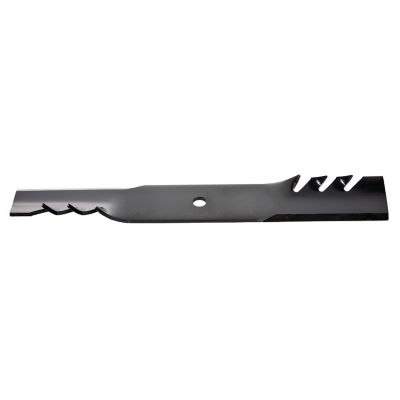
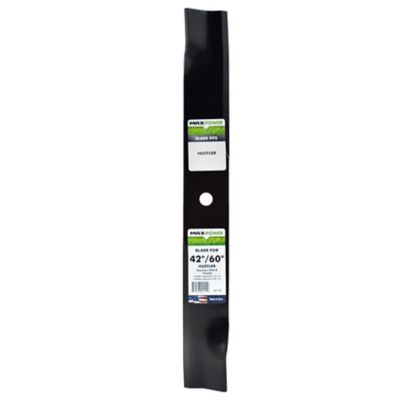
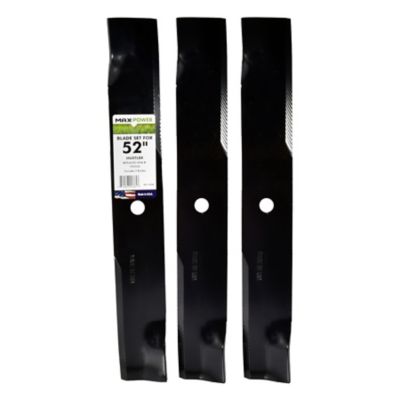
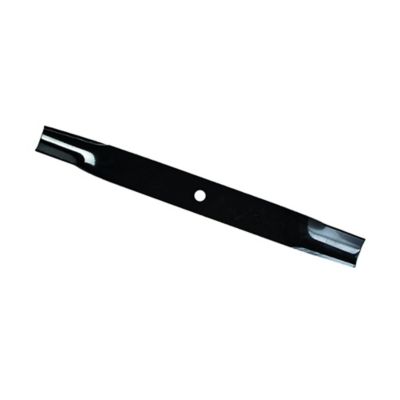
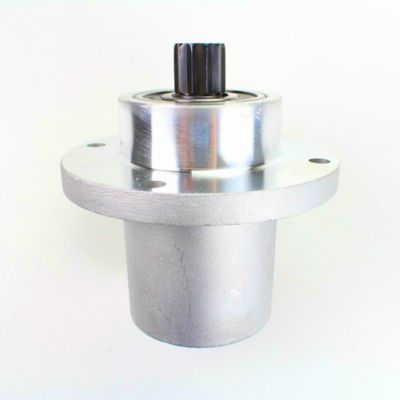
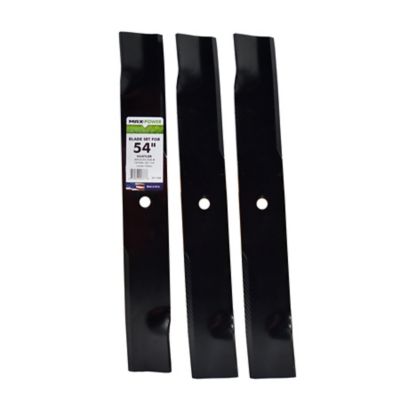
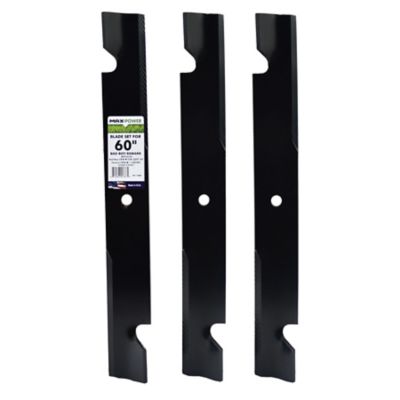
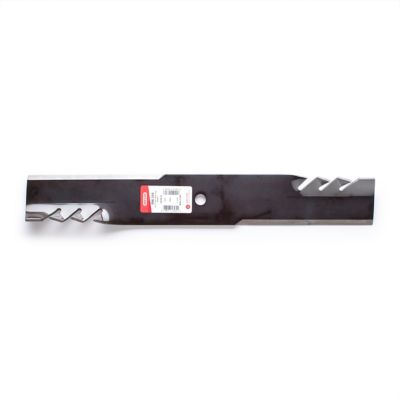
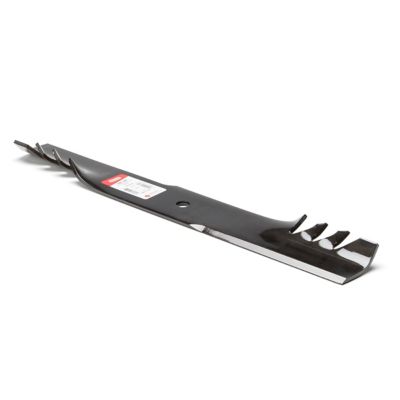
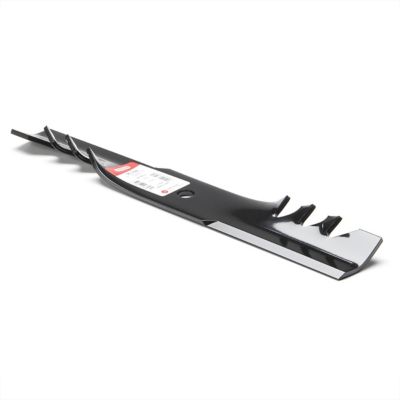
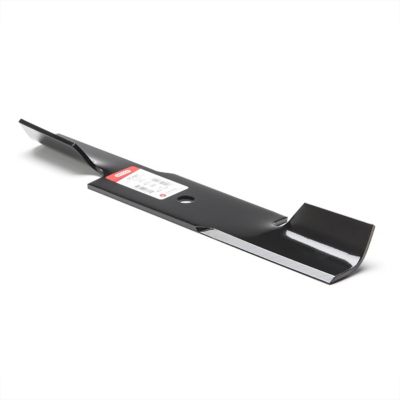
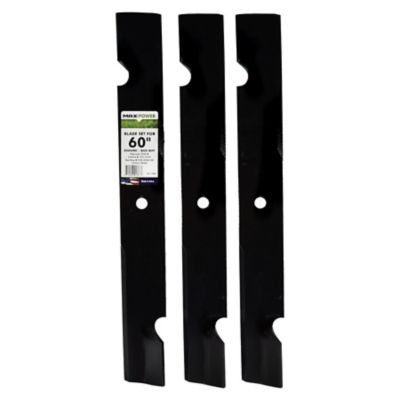
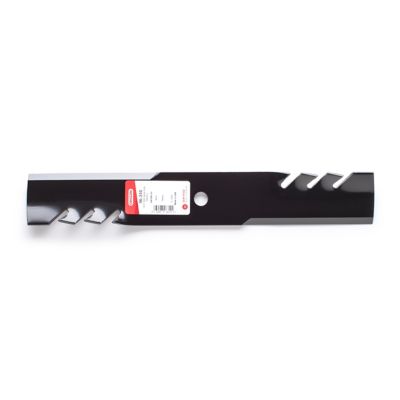
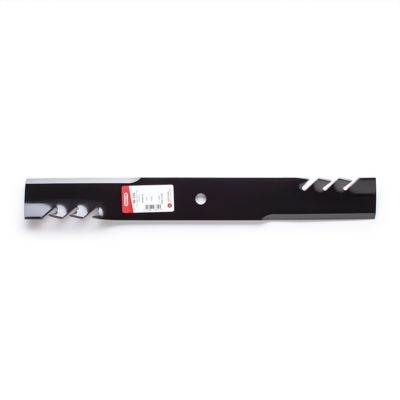
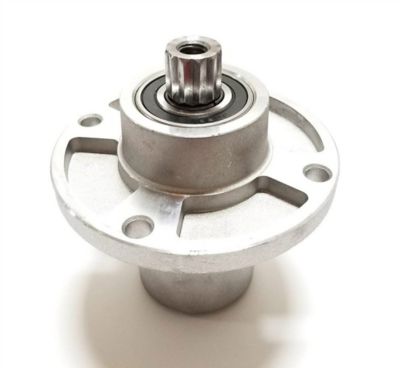
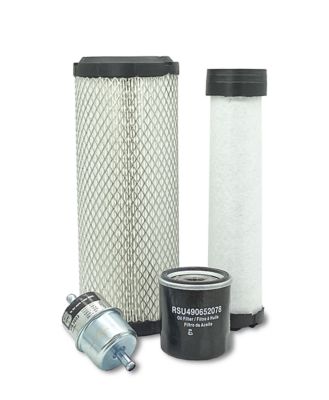
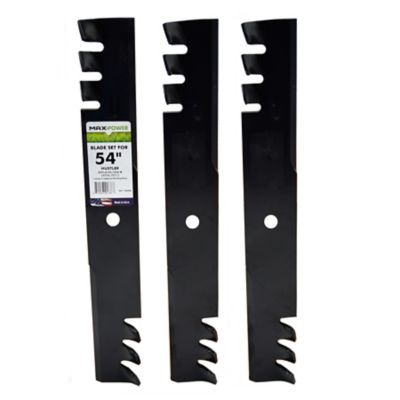
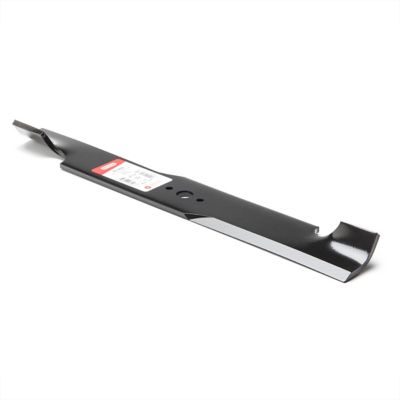
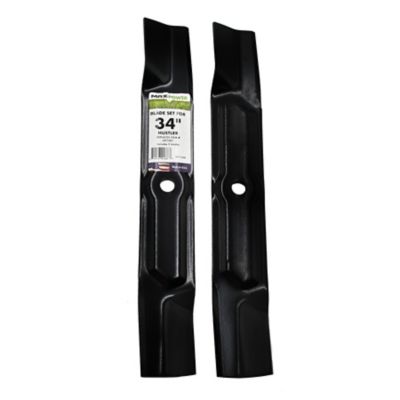
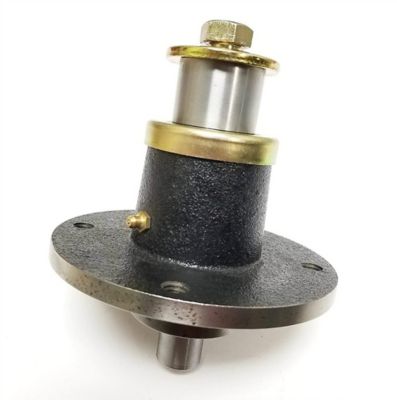
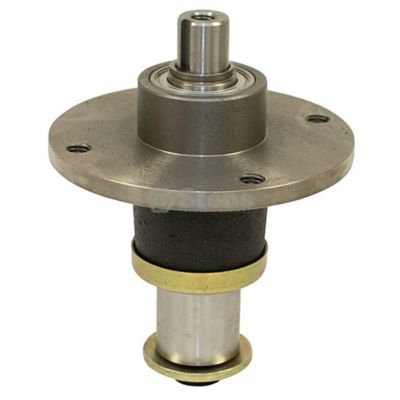
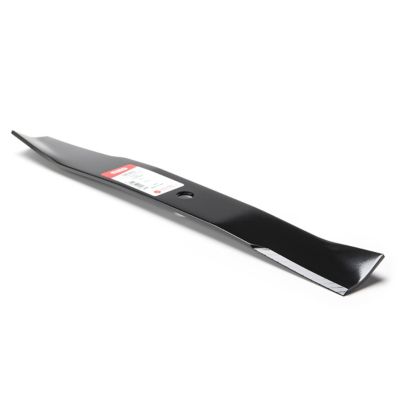
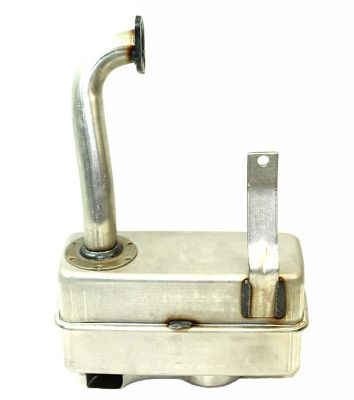
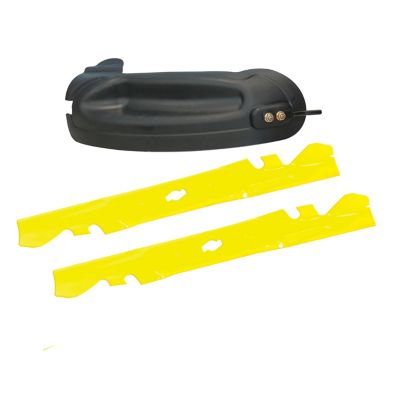
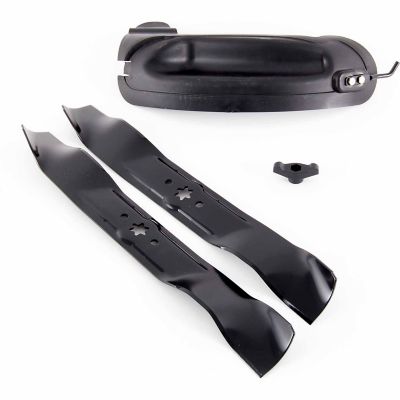
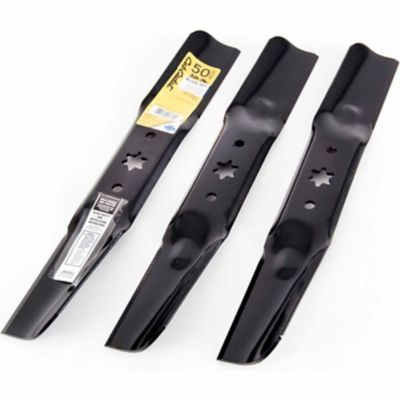
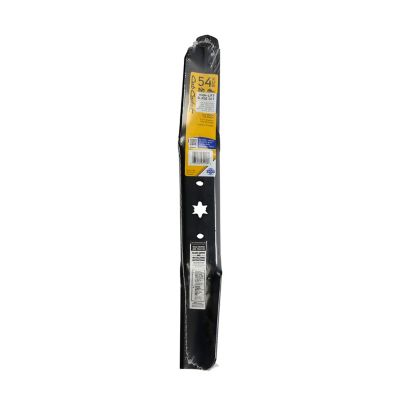
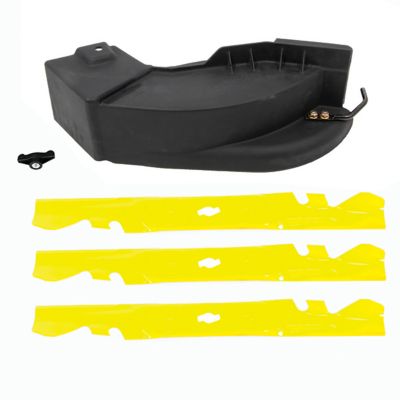
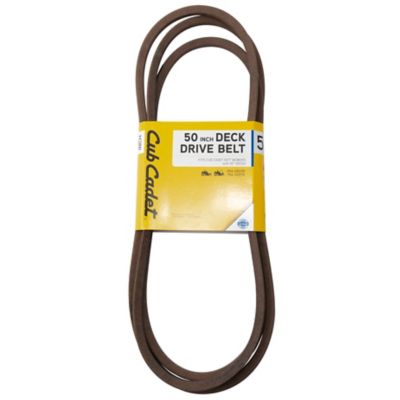
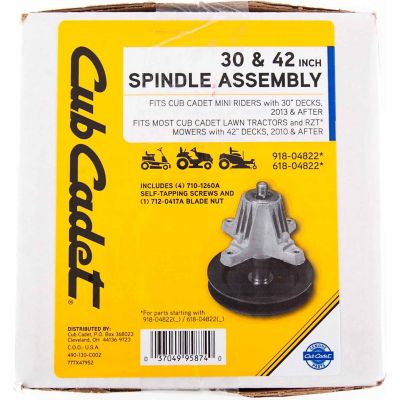
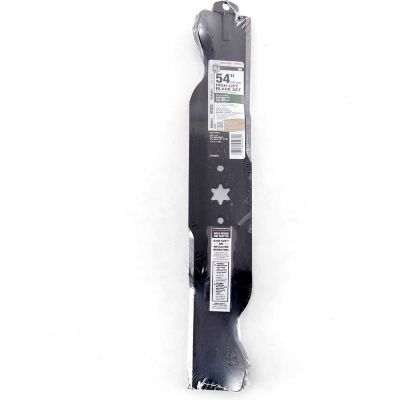
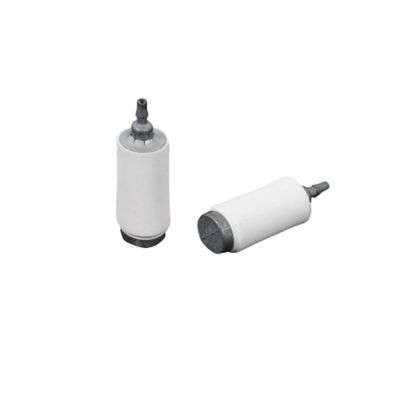
Materials and construction matter because mowing puts steady stress on components, even across ground that looks smooth from the porch. Cutting parts encounter abrasive dust and tough stems, while moving assemblies deal with heat, rotation, and repeated changes in load. Steel cutting components need the specified shape, thickness, and mounting dimensions, not simply a heavier appearance. Blade length is only part of the fit; the center opening, offset, and lift profile also affect clearance and airflow beneath the deck. Different blade designs suit different cutting setups, and a mower arranged to discharge clippings may call for something different from one equipped for mulching or collection. Belts deserve the same attention to detail. Their width, length, profile, and internal reinforcement affect how they sit in pulleys and transfer power, particularly when the mower is working through thicker growth. Bearings, seals, and spindle assemblies help support smooth rotation, while wheels and tires influence traction, steering response, and the mower’s stance on the lawn. Tire size and pressure can affect deck position, so an uneven cut does not always point straight to the blades. Engine service parts have their own fit requirements, including filter dimensions, sealing surfaces, and specifications tied to the engine rather than just the mower model. Electrical components also need matching ratings and connections, especially around starting circuits and safety systems. These details become practical out in the yard: dusty stretches beside a gravel lane can load an air filter faster, and frequent turns around trees put different demands on tires and moving joints than straight passes across an open lawn. Intended use should stay within the mower’s limits, too. Lawn mowing equipment is not a substitute for machinery meant to clear woody brush or rough pasture. Parts selected for the proper application support consistent operation, but they cannot change the machine’s clearance, slope limits, or cutting capacity. Matching the component to both the equipment and its regular workload is more useful than judging by size or finish alone.
Care between mowing jobs has a lot to do with how long replacement parts last. Grass packed beneath a deck can hold moisture against metal, and debris around cooling areas can interfere with airflow. A mower that finishes the day coated in damp clippings needs attention before it sits in a shed, especially as cooler weather brings heavier dew and longer gaps between cuts. Cleaning methods should follow the equipment manual, since forcing water into bearings, seals, or electrical connections can create trouble instead of preventing it. The same goes for lubrication: some points require scheduled grease, while other assemblies are sealed and should not be treated the same way. Safe service starts with the engine off, the key removed, moving parts stopped, and the machine secured according to its instructions. Cutting components require particular care because a sharp edge can cause injury even when nothing is turning. Correct tightening specifications matter when parts go back together, and blade balance matters alongside sharpness. A fresh edge will not solve a bent blade or a worn spindle, just as a new belt will not correct a damaged pulley or a tensioning problem. Looking at connected components helps address the cause of wear rather than only its most visible result. For households with several mowing machines or crews maintaining different equipment, keeping model details and service records separate can prevent mix-ups; the related
Grasshopper Mower Parts page offers another place to browse by equipment family. Before a longer storage stretch, the mower’s maintenance schedule remains the best reference for engine service, battery care, fuel handling, and protection from moisture. A dry parking spot and a clear record of completed work make it easier to know what needs attention when mowing picks up again. Whether the job is a tidy strip along the driveway or a full afternoon circling outbuildings, well-matched parts and steady care help the mower stay ready for the work it was built to handle.