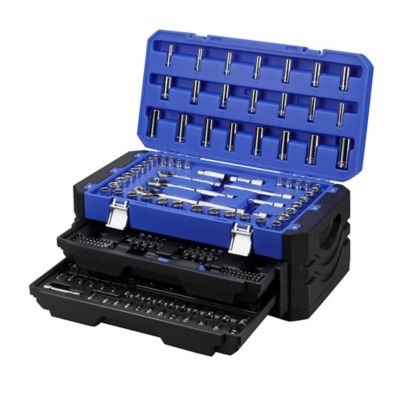
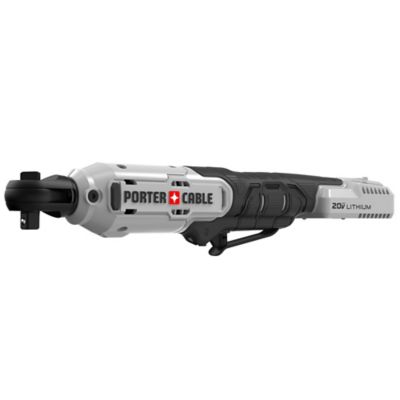
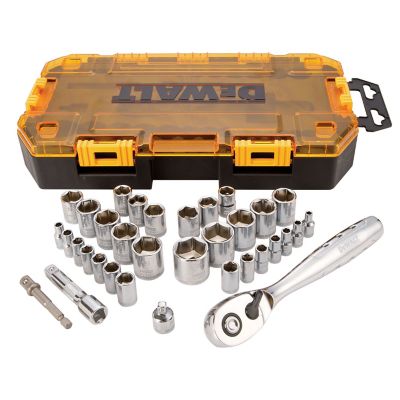
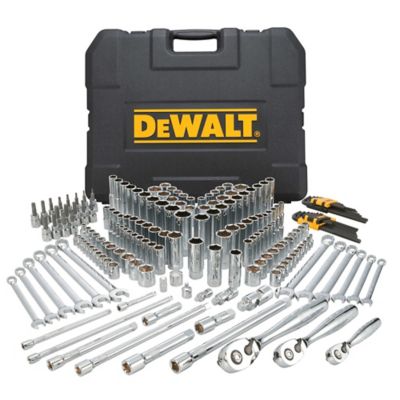
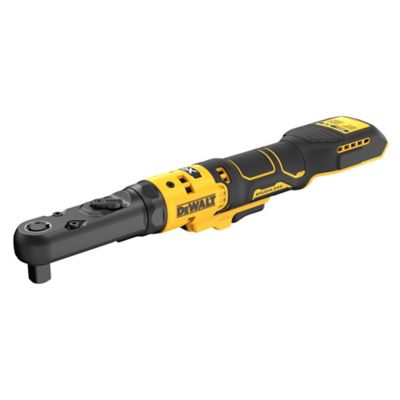
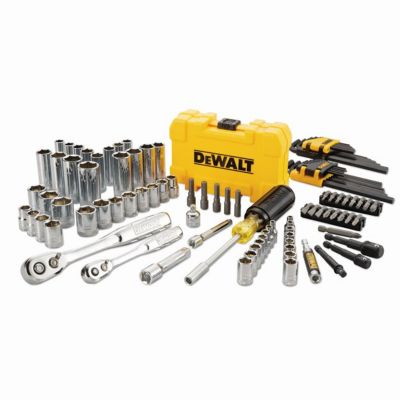
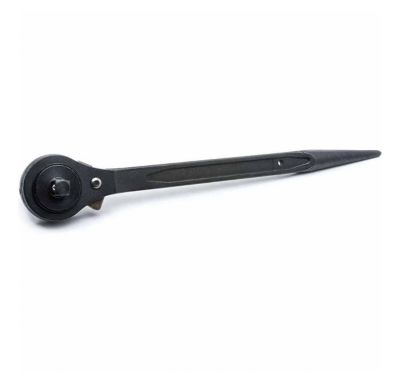
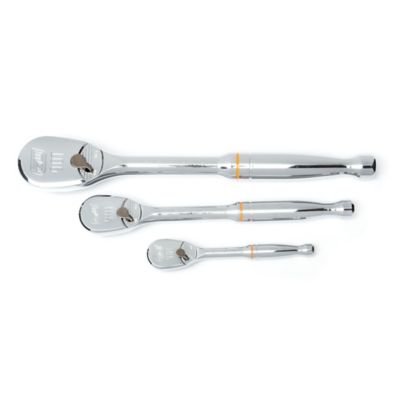
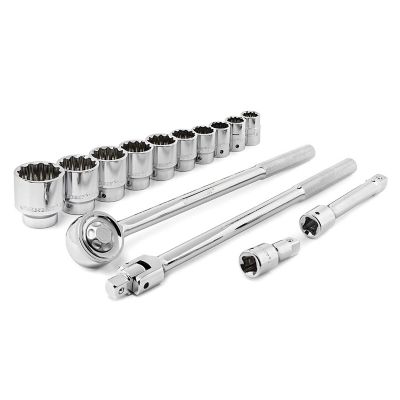
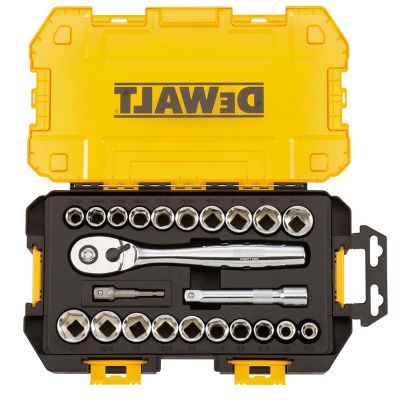
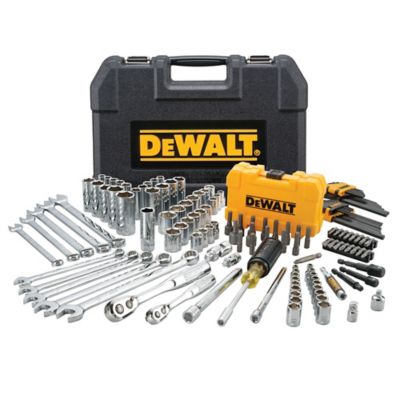
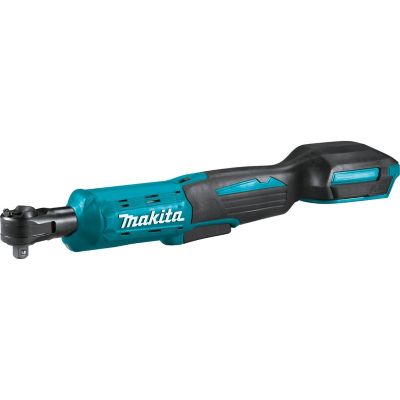
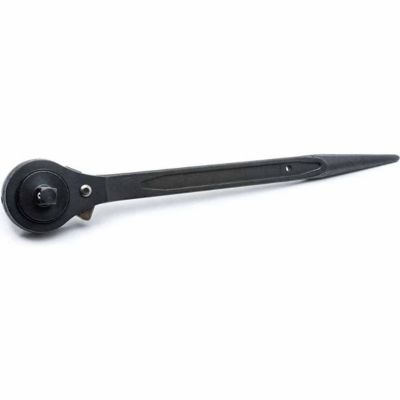
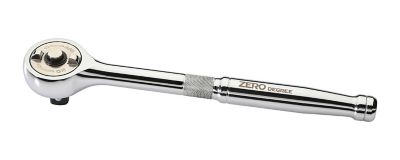
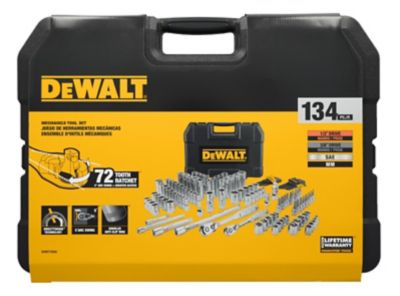
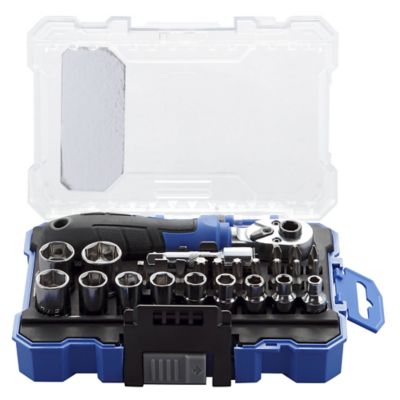
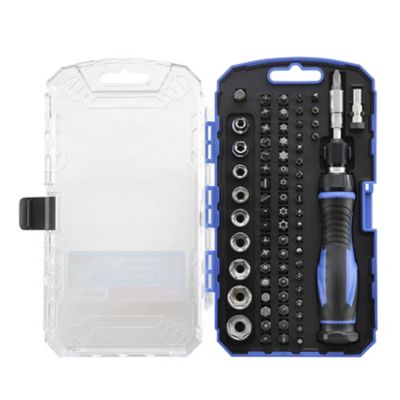
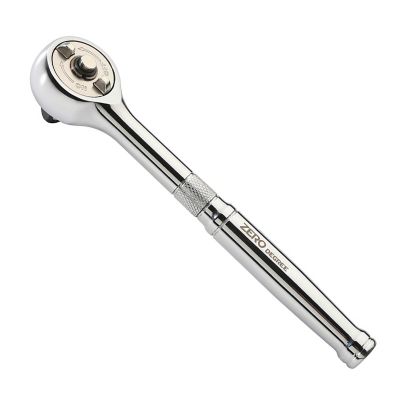
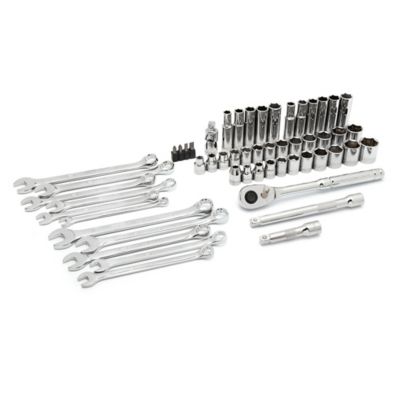
Drive ratchets are handy, hardworking tools for turning nuts and bolts without lifting the socket after every short pull. Inside the ratchet head, a geared mechanism lets the handle turn fasteners in one direction while spinning freely in the other, making it easier to work in tight spaces and keep a steady rhythm. They earn their place in a farm shop, home garage, utility trailer, toolbox, or truck because one good ratchet can handle everything from routine equipment upkeep to weekend repairs around the house. Use a drive ratchet with matching sockets to tighten or loosen fasteners on lawn and garden equipment, trailers, vehicles, fencing hardware, implements, shelving, furniture, and general machinery. Drive size is one of the first details to consider. A 1/4-inch drive ratchet is compact and well suited to smaller fasteners, light-duty repairs, small engines, interior vehicle work, and areas where there is little room to swing a handle. A 3/8-inch drive is a versatile middle ground for many household, automotive, and maintenance jobs, with enough strength for everyday repairs while staying comfortable in your hand. A 1/2-inch drive is built for larger sockets and heavier work, including stubborn fasteners, suspension components, trailer repairs, equipment maintenance, and large bolts that call for more leverage. Match the drive size to the sockets you already own when possible, or choose a setup that fits the kinds of jobs you tackle most often. A compact ratchet may be all that is needed for light repairs, while a larger handle can make demanding work easier when paired with the right socket and sensible technique. For a broader selection of matching tools and sockets, browse
Ratchet Sets to build a more complete setup for the shop or toolbox.
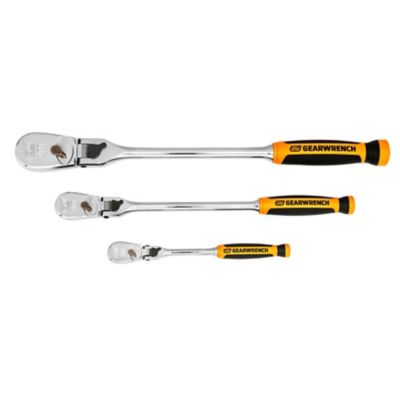
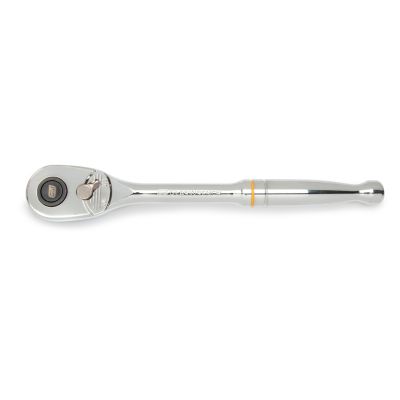
The ratchet head and handle design matter just as much as the drive size. Tooth count describes how many positions the internal gear provides during a full turn. A higher tooth count allows the ratchet to engage with smaller handle movements, which is especially useful when a frame rail, engine part, wall, or other obstruction leaves only a narrow swing. In an open area, nearly any tooth count can get the job done, but in a crowded engine compartment or beneath a vehicle, the ability to make short, controlled strokes can save time and a fair bit of knuckle skin. A flex-head ratchet swivels at the head, helping the socket approach a fastener from a more useful angle. That extra movement can make a real difference when a bolt sits behind a bracket or along the side of a machine. A stubby ratchet has a shorter handle for cramped locations where a standard handle will not fit, making it useful for small repairs, roadside tool kits, and work around compact equipment. Keep in mind that shorter handles generally provide less leverage, so they are best used where access is the main challenge rather than for breaking loose heavily tightened fasteners. A quick-release button makes socket changes faster by releasing the socket with a press, while a secure socket retainer helps keep the socket in place as you reach around a part or work overhead. Look for a comfortable grip and a handle that feels solid without being awkwardly bulky. Smooth direction controls are helpful when switching between loosening and tightening, particularly when wearing gloves or working in dim light. If a job calls for high torque, use a breaker bar to loosen stubborn fasteners before switching to a ratchet for faster removal, and use a torque wrench when the manufacturer specifies an exact tightening value. Ratchets are designed for turning, not for striking, prying, or adding a cheater pipe, and using them outside their intended purpose can damage the mechanism or cause an injury.
A drive ratchet makes a practical addition to a first toolbox, a useful gift for someone moving into a new home, and a welcome upgrade for anyone who spends weekends maintaining a truck, tractor, mower, ATV, trailer, or workshop project. It is also a thoughtful choice for a new driver learning basic vehicle care, a college student setting up a small repair kit, or a family member who likes fixing things instead of calling for help. When choosing one as a gift, consider the recipient’s typical work and the sockets they already have. Someone who handles bicycles, small engines, or household repairs may get plenty of use from a 1/4-inch or 3/8-inch drive, while a person maintaining farm equipment or doing heavier automotive work may prefer the strength and larger socket range of a 1/2-inch drive. A compact model can ride in a pickup’s emergency kit without taking up much room, while a full-size handle is more comfortable for regular shop work. After using a ratchet, wipe away dirt, grease, and moisture before putting it back in the box. Keep sockets seated straight on the fastener, use the correct size to reduce slipping, and store the tool somewhere dry, especially in an unheated barn or outbuilding where temperature changes can encourage condensation. During the warmer part of the year, drive ratchets are useful for getting trailers, gates, mowers, and outdoor equipment ready for steady work; as cooler weather settles in, they help with vehicle upkeep, shop projects, and repairs that keep the homestead running. With the right drive size, reach, tooth count, and head style, a drive ratchet becomes one of those dependable tools that earns its spot through years of everyday use.