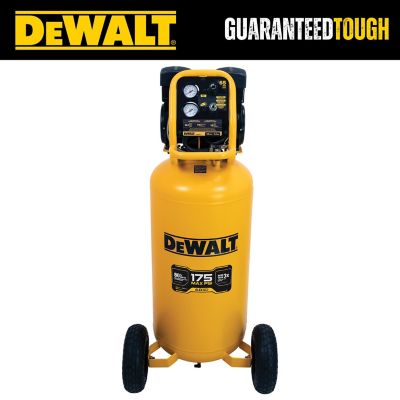
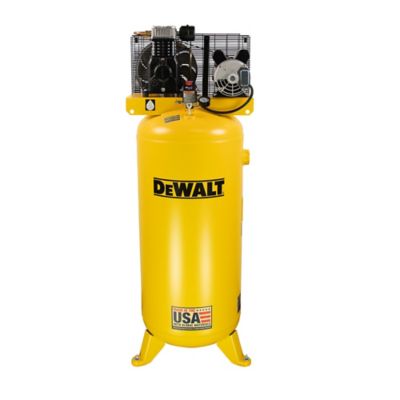
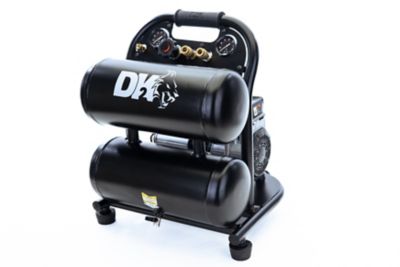
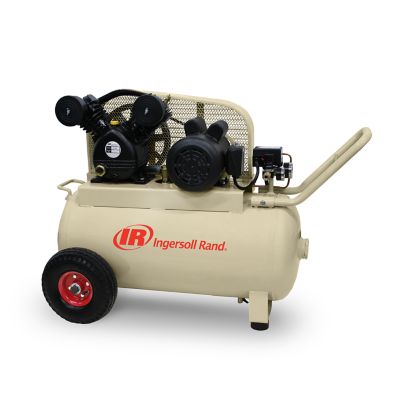
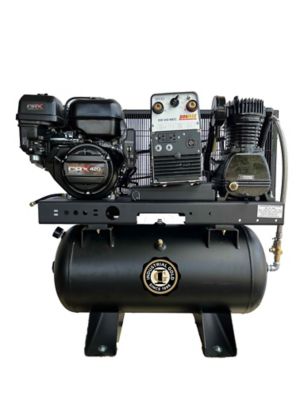
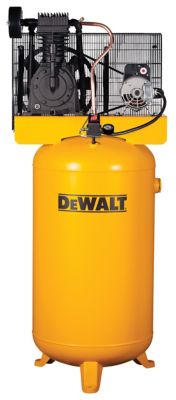
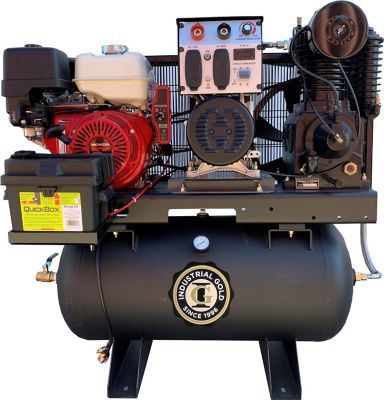
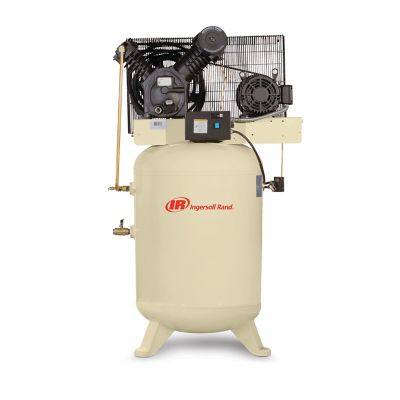
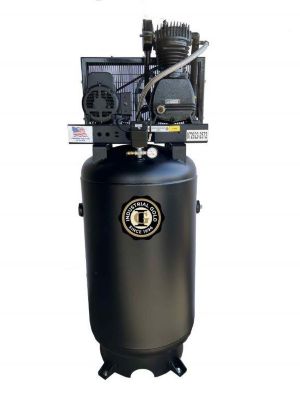
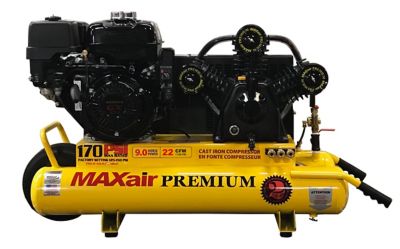
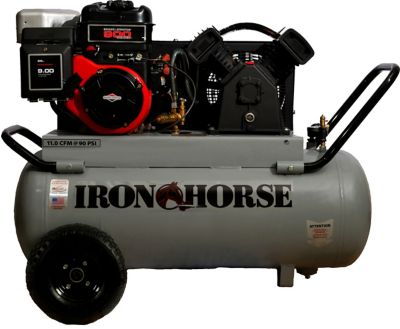
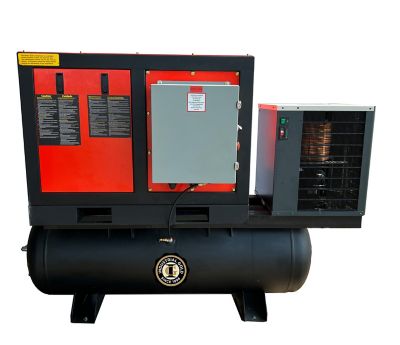
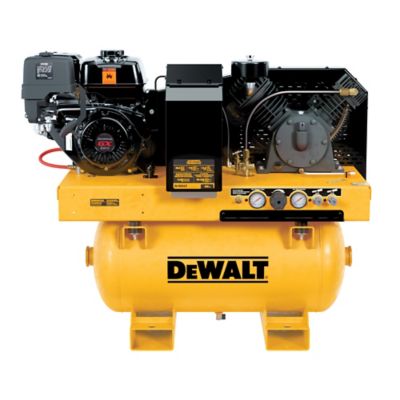
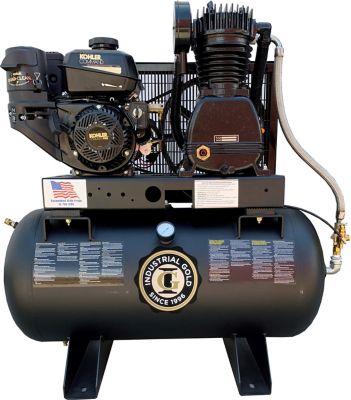
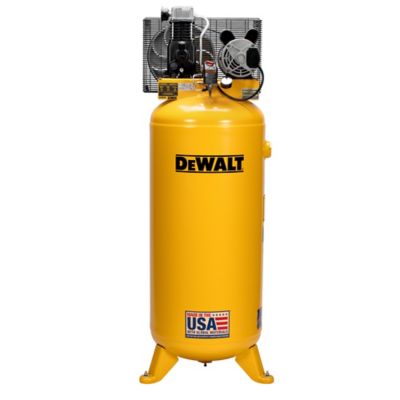
A drill air compressor supplies the compressed air that runs a pneumatic drill, making it part of a shop setup rather than the drilling tool itself. The term can also describe an air drill or a drill-driven attachment, but those categories do different jobs. A pneumatic drill connects to an air hose and turns a bit with an air motor; a compressor builds and stores the air that motor needs. A drill-driven liquid transfer pump is not a substitute for an air compressor, and an attachment meant for inflation may not supply enough airflow to run an air tool. For farm shops, equipment sheds, and home garages, the most important match is between the drill’s air requirements and the compressor’s delivered output. Airflow is measured in cubic feet per minute, or CFM, while pressure is measured in pounds per square inch, or PSI. Both matter: a compressor must deliver enough CFM at the drill’s specified operating pressure, not simply reach a high maximum tank pressure. Many shop air tools operate around 90 PSI, but requirements vary by drill design and workload, so the tool’s specifications take precedence over a general rule. For example, a drill requiring 4 CFM at 90 PSI needs a compressor that can deliver at least that airflow at that pressure. A rating of 5 CFM at 90 PSI provides some headroom, though longer drilling sessions may call for more capacity and a suitable duty cycle. Some tool ratings describe average consumption during intermittent operation rather than continuous air demand. That distinction matters when a quick hole in a gate bracket turns into a bench full of parts waiting to be drilled. Matching a pneumatic drill with a
good air compressor starts with those working requirements, followed by the space, power source, and amount of drilling the setup needs to handle.
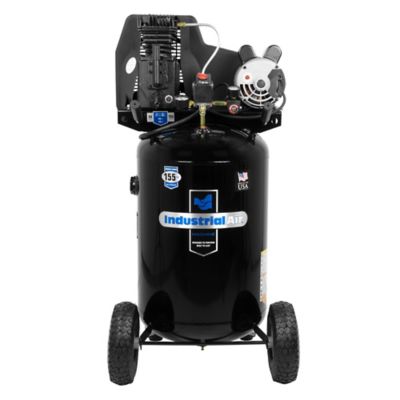
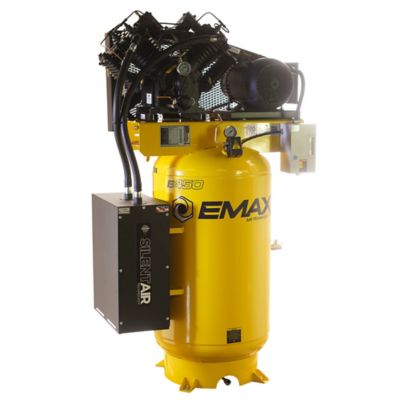
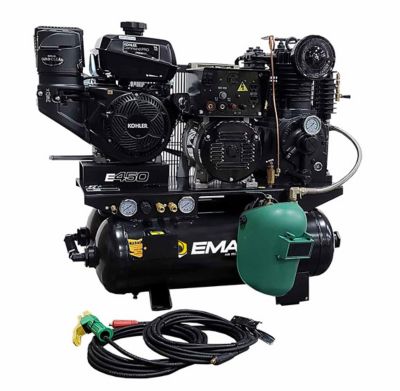
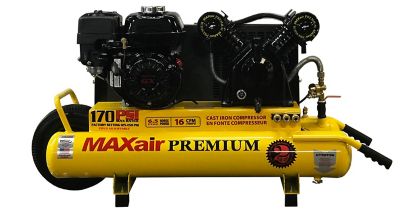
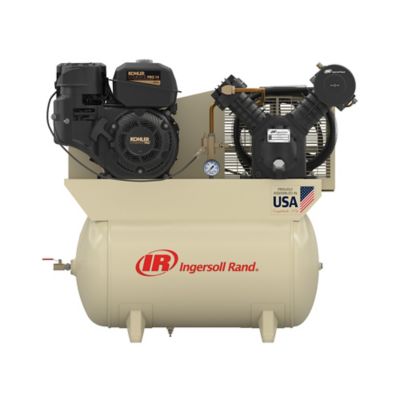
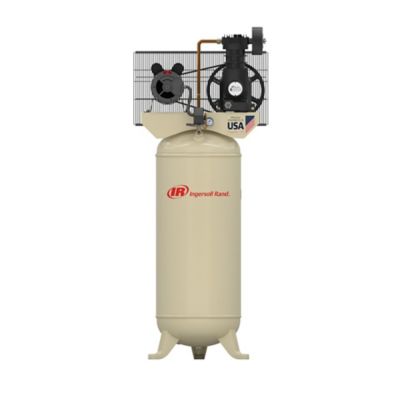
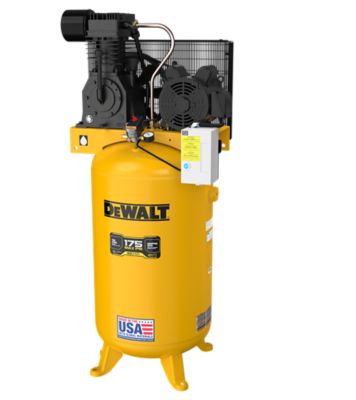
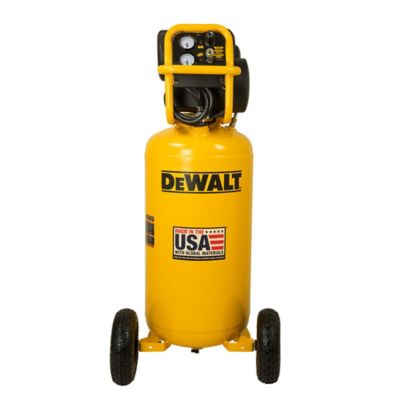
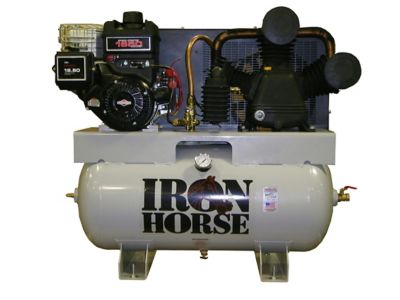
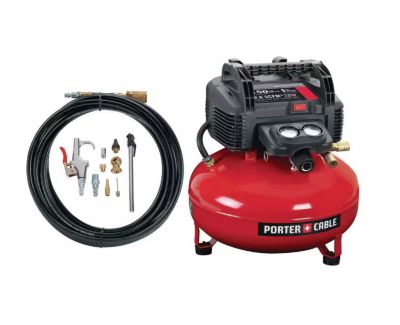
Compressor tank size affects how much stored air is on hand, but gallons alone do not determine whether a compressor can keep a drill turning under load. A small tank can support brief drilling tasks when the pump’s output and recovery time suit the work. A larger tank provides a bigger reserve and can lengthen the interval before pressure falls enough to trigger the pump, but it cannot make up for a pump that delivers less air than the tool consumes over a sustained run. Repeated holes in steel brackets, larger bits, and extended trigger time put different demands on a system than occasional holes in thin sheet metal. The compressor’s duty cycle also matters because it describes how much running time the machine is designed to handle within a stated period. Portable compressors suit shops where the air supply moves between a workbench and equipment parked nearby, while stationary designs make sense for a dedicated work area with regular air-tool traffic. Handles, wheel size, overall weight, and a stable stance all affect how manageable a portable setup feels on a shop floor. Tank construction, protective frames, and guarded moving parts deserve attention alongside motor and pump specifications. Pump designs may include cast-iron components or aluminum housings, with differences in weight, service needs, and operating characteristics. Oil-lubricated pumps require oil checks and service at the manufacturer’s intervals; oil-free pumps remove that particular maintenance task but still need routine attention. Electric compressors need a power supply that matches their voltage and circuit requirements, while engine-driven equipment belongs outdoors, well away from doors, windows, and vents because of exhaust. Noise ratings and the placement of the compressor can make a noticeable difference in a busy shop, too. A setup intended for short repair jobs has different demands than one feeding a drill through long stretches of fabrication, especially when another air tool might be running from the same supply.
The connections between the compressor and drill deserve as much attention as the machines at either end. Hose inside diameter, hose length, fittings, and couplers all affect airflow, and a long, narrow hose can leave a drill short of pressure while it is running. Compatible thread sizes and matching coupler styles help the system fit together, while adequate flow ratings help prevent restrictions. Rubber, PVC, and hybrid air hoses offer different balances of flexibility, weight, and resistance to abrasion; the right choice depends on whether the hose stays beside a bench or travels across a working shop. Hose, fittings, and accessories need pressure ratings appropriate for the system, with routing that keeps them clear of sharp edges, moving equipment, and walking paths. A regulator controls delivery pressure, and checking pressure with the tool running helps reveal losses that a resting gauge reading may miss. Moisture management matters as well. Compressed air can carry water into hoses and tools, so tank drainage and suitable filtration are part of routine care. Some pneumatic drills require air-tool oil, while others have different lubrication requirements; the drill’s manual determines what belongs in the air supply. Draining the tank as directed, checking hoses for cracks, and addressing leaking connections help keep the setup ready for the next repair. On the drill itself, chuck capacity determines which bit shanks fit, while speed range, reversing capability, and grip shape influence the work it can handle comfortably. Drilling a pilot hole in a metal panel calls for a different bit and operating speed than making a larger hole through a hardwood board. A steady air supply supports consistent operation, but the bit, workpiece support, and drilling technique still matter. Eye protection, hearing protection, and securely clamped work belong with the setup. For landowners, mechanics, and folks who spend time building and fixing things, a well-matched compressor and pneumatic drill can serve across many everyday shop tasks without turning every job into a wait for the tank to catch up.