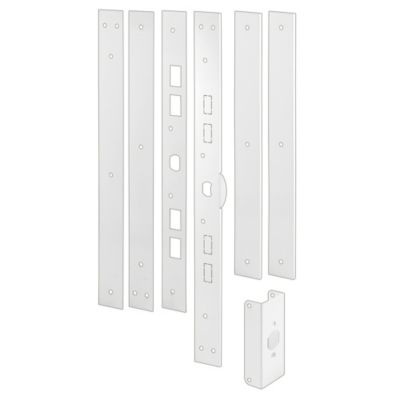
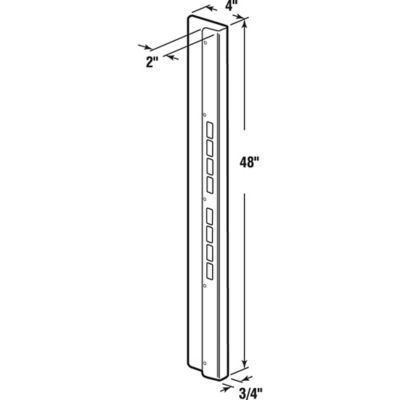
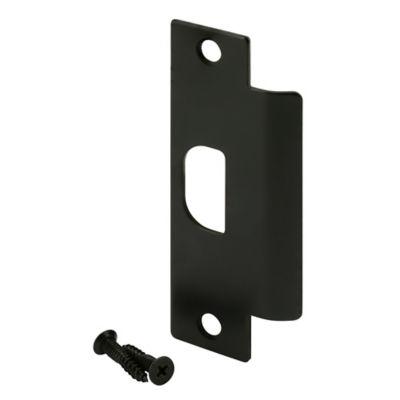
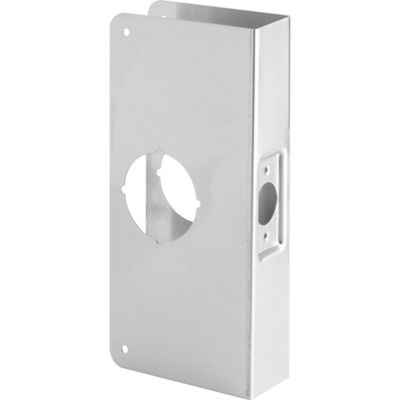
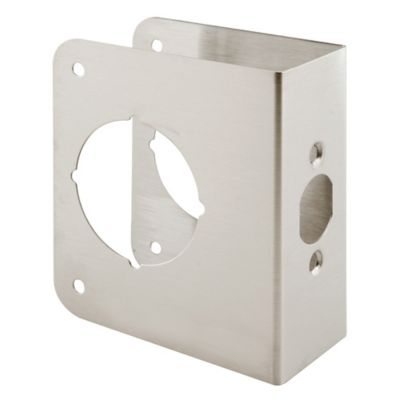
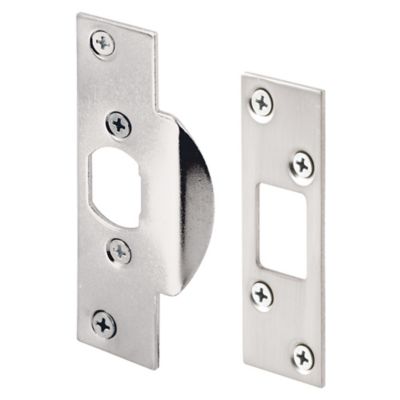
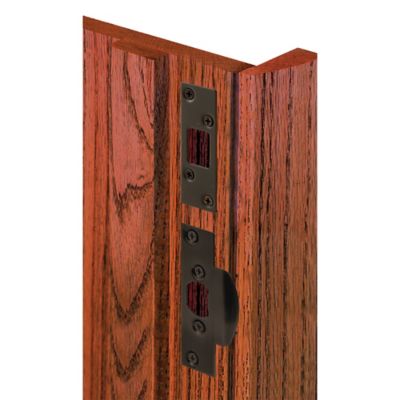
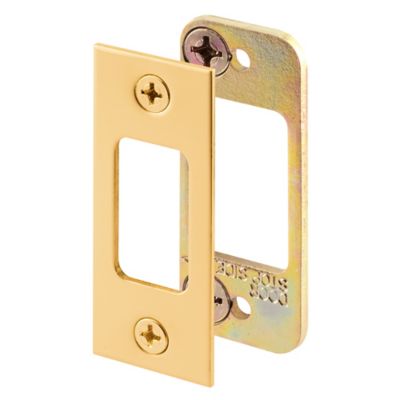
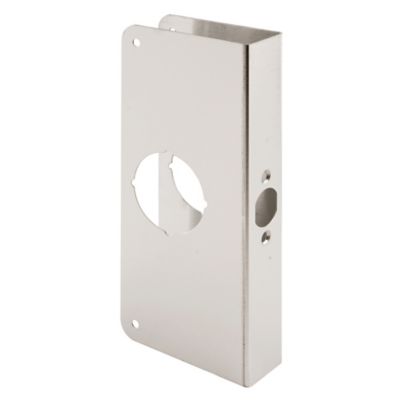
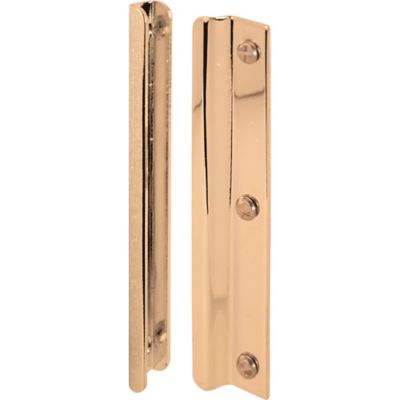
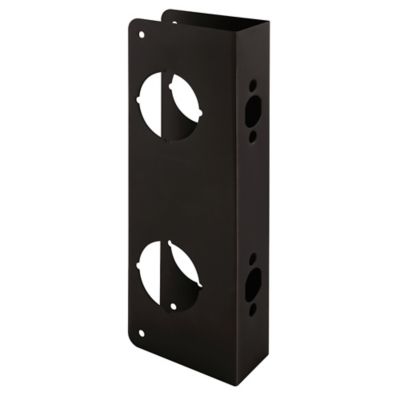
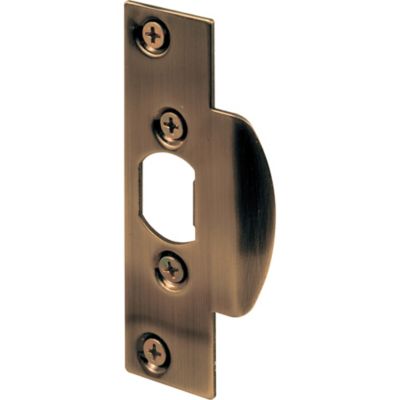
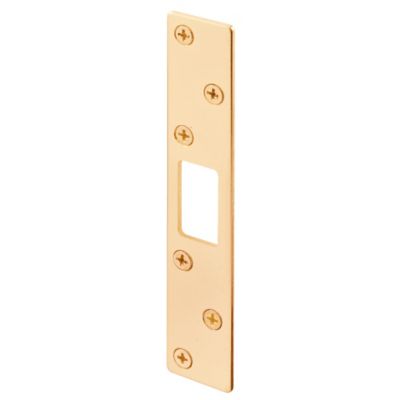
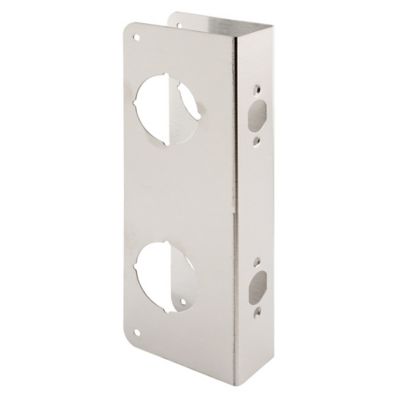
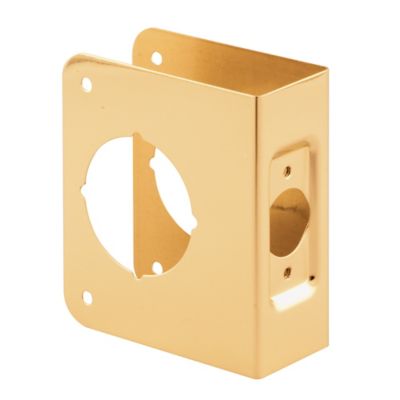
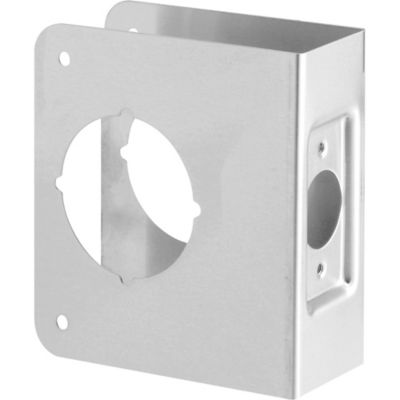
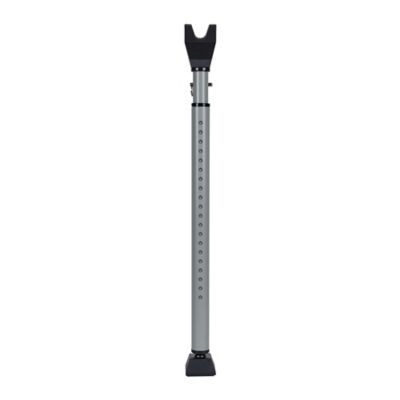
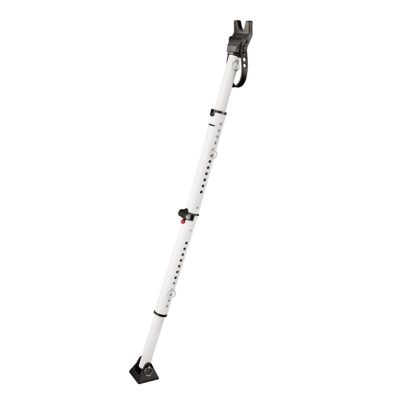
Door jamb reinforcement kits strengthen the parts of an entryway that hold the latch, deadbolt, and, in some designs, the hinges. Most center on steel plates or shields that spread force across a larger section of the frame instead of leaving a small strike plate and a few short screws to carry the load. Longer fasteners connect that hardware to the solid framing behind the jamb, helping the entry assembly resist splitting and separation during an attempted forced entry. The jamb is the upright part of the frame beside the door, while the framing studs sit behind it; that distinction matters because a strong connection needs more than a grip in thin trim or damaged wood. For a farmhouse front entrance, a side door near the driveway, or a walk-through entry to a detached shop, reinforcement adds support where everyday locks meet the frame. It does not make an entrance break-in proof, and its performance depends on the door, frame, locks, fasteners, and installation working together. Kit contents vary: some focus on the lock side with an extended strike plate, while broader sets may include a jamb shield, door-edge guards, and hinge reinforcement. A door-edge guard wraps around the lock area to help limit splitting there, while hinge reinforcement supports another connection between the door and frame. These components address different weak points, so a kit meant for latch-area repair is not necessarily the same as one intended to reinforce both sides of an entrance. Homeowners looking after a house and outbuildings, rental property owners, and folks responsible for a small business entrance may all have a reason to consider this hardware. The practical appeal is straightforward: reinforcing a sound door assembly can add resistance at vulnerable connections without necessarily replacing the entire entrance. Keeping an existing lock may also be possible, provided the reinforcement matches its dimensions and leaves the latch and deadbolt free to operate.
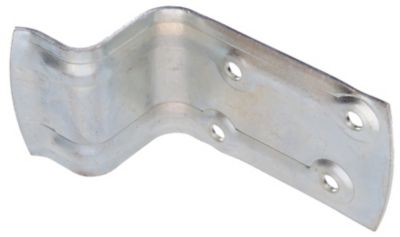
Materials and fit make a big difference in how door jamb reinforcement kits perform once the door closes. Steel is common because it provides stiffness and strength in a relatively slim profile, but thickness, plate shape, screw placement, and coverage all affect the finished assembly. A thicker shield is not automatically a better fit if the space between the door edge and jamb is tight. Hardware that rubs, crowds the weatherstripping, or keeps the door from seating fully can interfere with locking and daily operation. Relevant measurements include door thickness, the clearance around the door, hinge dimensions, and the distance between the latch and deadbolt. Openings in a jamb shield need to line up with the existing locks, and the deadbolt needs enough room to extend fully into its receiving pocket. Door-edge wraps also need compatible lock-bore locations and backset, which is the distance from the edge of the door to the center of the lock opening. Wood, steel, and fiberglass doors can have different construction beneath the surface, so compatibility should come from the hardware specifications rather than appearance alone. The same goes for wood and metal frames, inswing and outswing entrances, and single doors versus paired doors. Many reinforcement systems include screws around 3 inches long, but the right fastener length depends on the kit design and the distance to sound structural framing. Length alone does not establish a secure connection; screw type, placement, and the material receiving the threads matter, too. For shoppers comparing lock-side coverage,
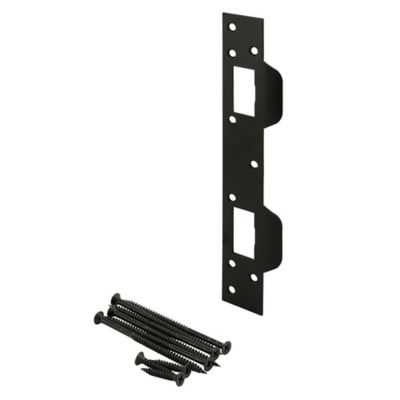
Door Frame Reinforcement Plates offer a related hardware category to consider alongside multi-component kits. Plate length and hole pattern help distinguish a small repair plate from a longer shield that spreads force over more of the jamb. Finish is another practical consideration. Coatings can help protect steel surfaces from corrosion, while a finish that coordinates with nearby hinges and lock hardware keeps the entrance looking put together. Smooth edges and properly seated screw heads help reinforcement stay out of the way during ordinary use.
The condition of the entrance determines whether reinforcement is a sensible upgrade or only one part of a larger repair. On a sound frame, a kit can support the lock and hinge connections before damage occurs. Around a cracked strike pocket, a repair-style plate may bridge a limited area of damage if its fasteners can reach solid material and the manufacturer permits that application. It cannot restore rotten framing, straighten a badly shifted opening, or turn loose fragments of wood into a dependable anchor. A door that drags across the threshold, a jamb that moves when the latch catches, or screws that spin without tightening can point to problems that need attention beyond added metal. Professional assessment makes sense when damage extends behind the jamb, the door no longer sits square, or the opening is part of a rated fire-door assembly. For an attached garage entrance, for example, hardware changes must preserve any required fire rating and closing function. Rental properties and business entrances can also have rules governing alterations, access, and emergency exit operation. Reinforcement should support security without making it harder for occupants to leave. Day to day, a well-matched kit should allow the door to shut and lock without lifting the handle, leaning a shoulder against the slab, or forcing the key. That matters at a busy side entrance when someone has feed bags in hand or is heading out to check the livestock. Care is generally centered on keeping the hardware clean, checking for loose fasteners, and watching for rubbing, damaged finishes, corrosion, or new cracks around attachment points. Cleaning methods should suit the finish, and lubricant belongs only where the lock or hardware manufacturer recommends it. Repeatedly tightening screws against a poorly supported jamb can pull it out of alignment, so recurring looseness deserves a closer look rather than more force. With compatible components and a sound base, door jamb reinforcement kits provide focused support for entrances that need to keep doing their everyday job: closing smoothly, holding the lock securely, and standing up to repeated use.