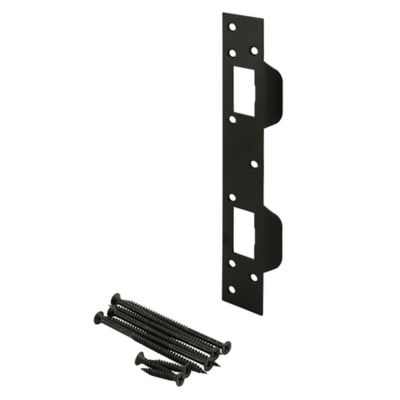
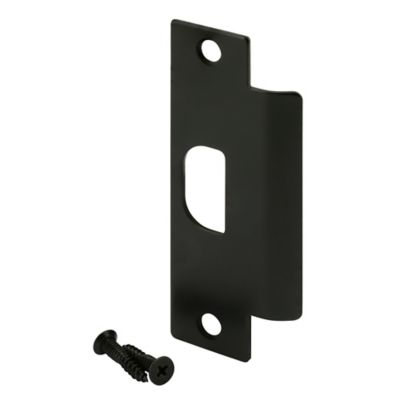
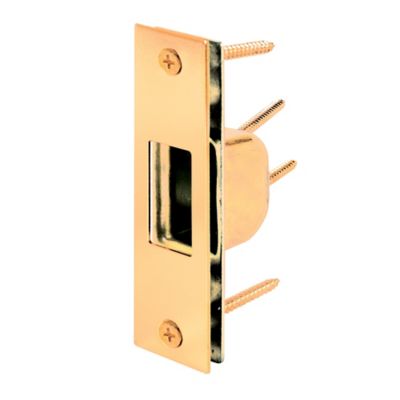
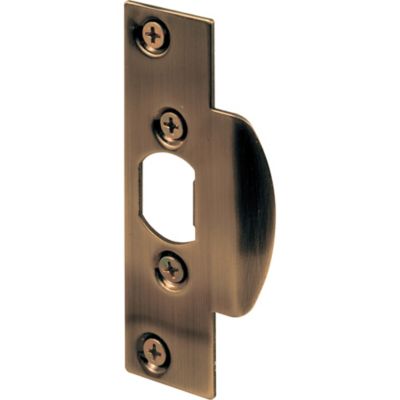
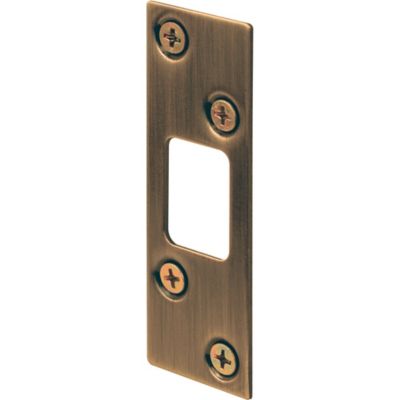
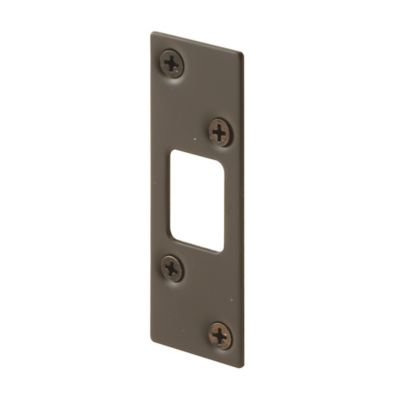
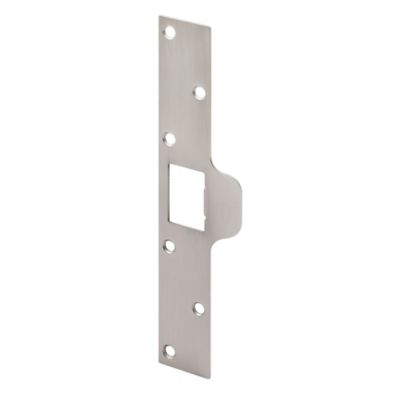
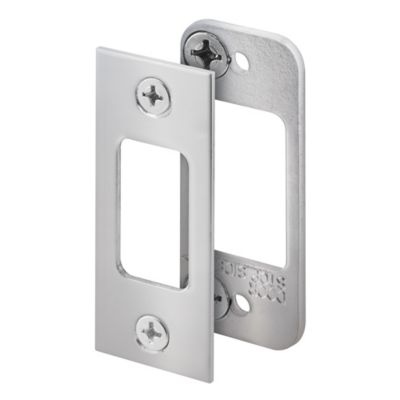
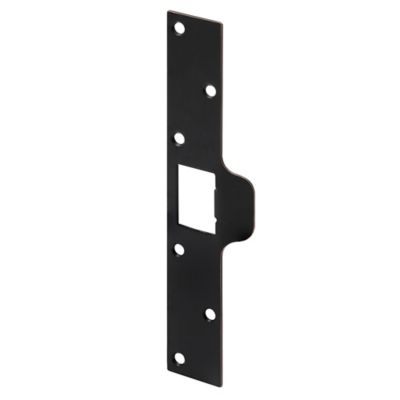
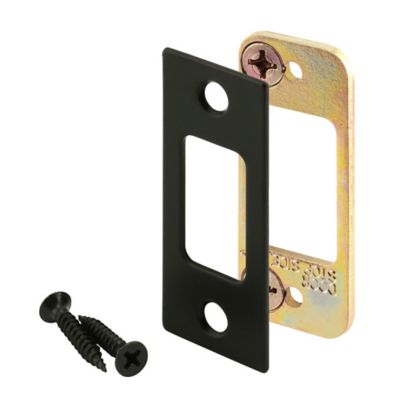
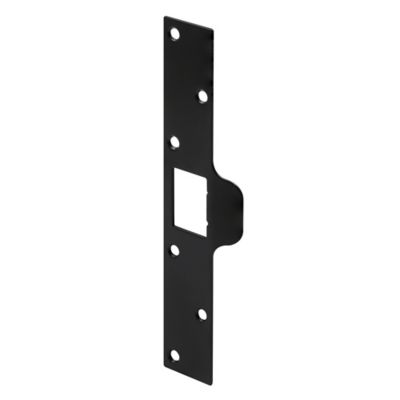
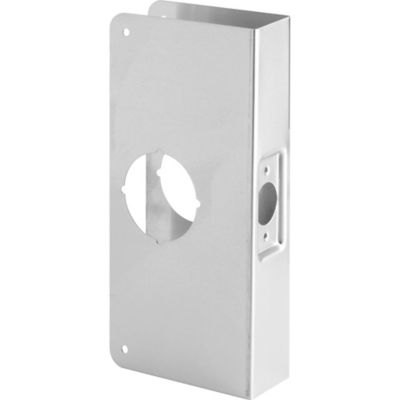
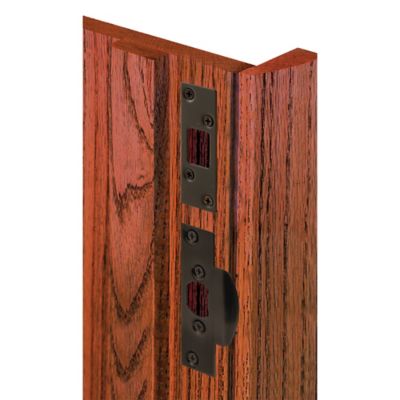
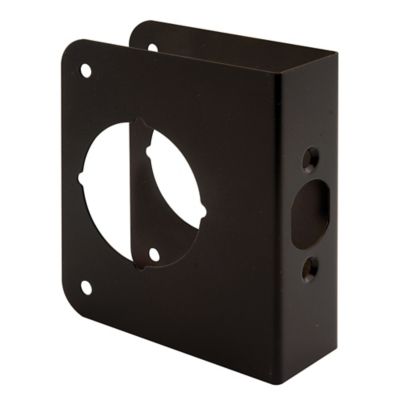
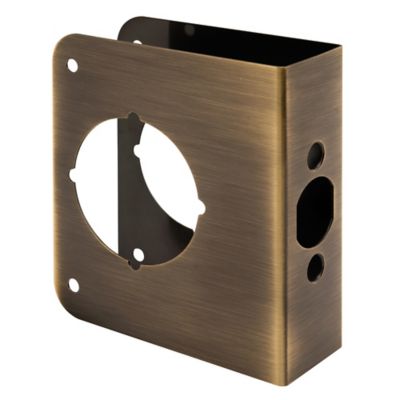
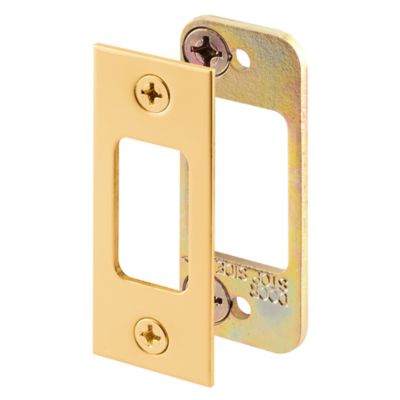
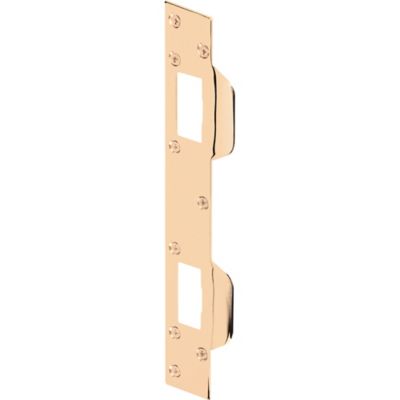
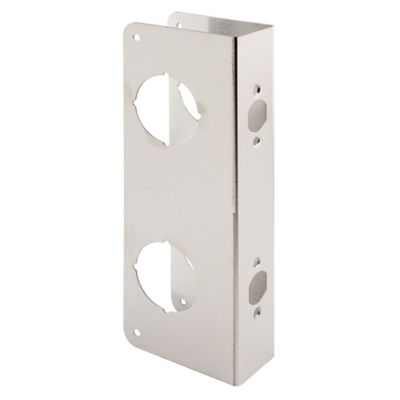
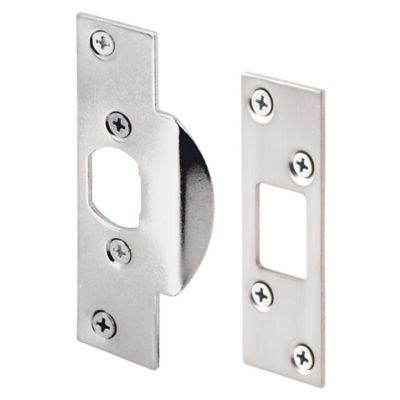
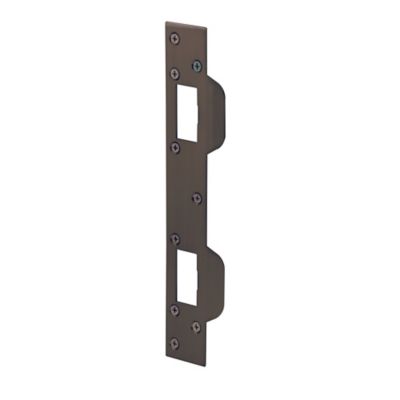
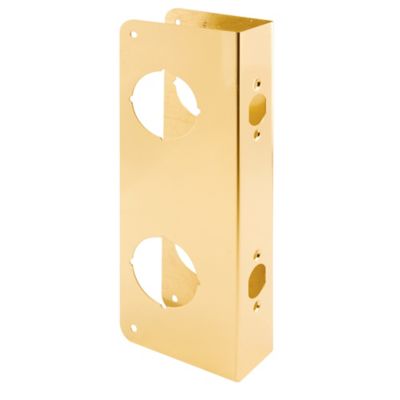
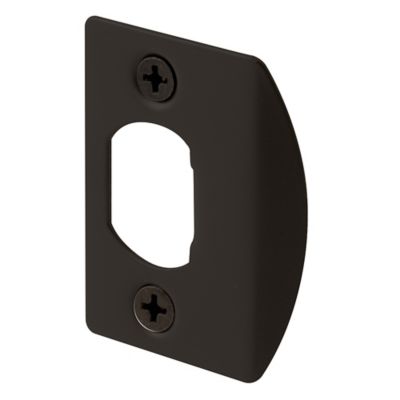
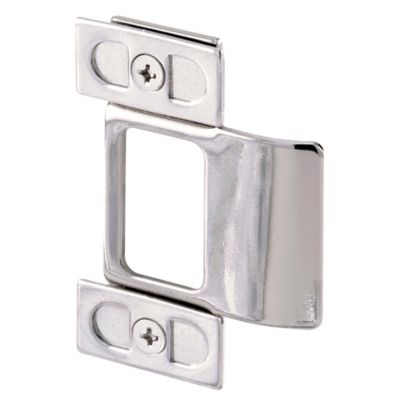
Reinforced door strike plates add a stronger line of defense at one of the most important points on an entry door: the area where the latch or deadbolt meets the door frame. A standard strike plate may be little more than a small piece of metal held in place with short screws, while a heavy-duty strike plate is built to spread force across a wider section of the jamb. Many reinforced door strike plates are made from thick steel and feature multiple screw holes, helping distribute pressure instead of letting all the strain land on one or two fasteners. Extended designs may run several inches along the door frame so they can support both the latch and deadbolt areas at the same time. Some styles also use longer screws, often around 3 inches or more, to reach through the trim and jamb and bite into the structural wood framing behind it. That deeper connection is important because a strong metal plate cannot do its best work if it is fastened only to thin trim or a split, worn door jamb. Whether you are tightening up the back door of a farmhouse, improving a garage entry, replacing hardware on a rental property or giving an older home a little more peace of mind, reinforced door strike plates are a practical upgrade for many swinging exterior doors. They can also be useful on sheds, workshops, barns with enclosed storage rooms and other outbuildings where a solid door and dependable hardware help protect tools, feed, equipment and household supplies. For related hardware and standard replacement options, browse
Door Strike Plates to compare styles for different door and lock setups.
Before choosing a reinforced door strike plate, take a close look at the existing door, frame and lock hardware. Measure the length and width of the current plate, note the spacing between the latch and deadbolt, and check how far the edge of each lock sits from the door frame. A replacement plate needs to line up with the latch bolt and deadbolt openings so the door closes smoothly without rubbing, binding or leaving the bolt only partly engaged. Extended strike plates can cover more of the jamb, but they still need enough room for surrounding trim, weatherstripping and nearby hinges. Pay attention to the type of door and frame as well. Solid wood, hollow metal and composite doors can use different hardware, while wood jambs offer different fastening opportunities than metal frames. Look for plates with enough screw holes to spread the load and fasteners long enough to reach sound structural framing. If the original screw holes are loose, cracked or stripped, the repair may call for filling and relocating the holes so the new screws can hold firmly. A plate that includes heavy-duty screws is convenient, but always check the length against the thickness of the trim and jamb; the goal is to reach the wall framing without striking wiring, plumbing or other hidden obstacles. In some installations, the rough opening or framing may not be positioned where a long screw can safely go, and an experienced carpenter or locksmith can help identify the best fastening method. The plate should sit flat against a properly aligned jamb, with no rocking or raised edges that keep the door from sealing. If the door has sagged, the hinges are loose or the frame is badly damaged, correct those issues before relying on a new strike plate. A reinforced plate is a useful part of a complete door setup, but it works alongside a sound door, properly adjusted hinges, a quality latch or deadbolt and a frame that is in good condition.
These door security upgrades suit homeowners who want to improve an older entry without replacing the entire door assembly, as well as landlords, property managers, contractors and anyone maintaining a country home or working property. They can make a thoughtful housewarming gift for someone moving into a first home, settling into a farmhouse or fixing up a hunting cabin, especially when paired with other practical maintenance supplies. During the warmer part of the year, many folks have the doors open while moving equipment, cleaning out a shop or finishing outdoor projects, making it a good time to inspect loose hardware and worn jambs before cooler weather sets in. As the seasons turn and evenings arrive earlier, a sturdy, well-fitted strike plate can be one small part of preparing side doors, mudroom entries and attached garages for daily use. Installation usually involves removing the existing plate, checking the fit, marking the new screw locations, predrilling when needed and driving the fasteners straight into solid framing. Work slowly around painted trim and older wood, since forcing a screw into a dry or split jamb can create more damage than it prevents. After installation, test the door with the handle, latch and deadbolt several times. The latch should slide cleanly into the opening, the deadbolt should extend fully without pressure, and the door should close tightly enough for the weather seal to do its job. On a farm or rural property, it is also smart to look for rust, grit, swelling wood and seasonal shifting around exterior doors, since moisture and temperature changes can affect alignment. Choose corrosion-resistant hardware for damp locations, covered porches and buildings exposed to blowing rain, and keep the plate clean so the lock remains easy to operate. With the right size, solid fastening and careful alignment, reinforced door strike plates can provide a durable improvement to everyday door security while helping extend the useful life of the door and frame already in place.