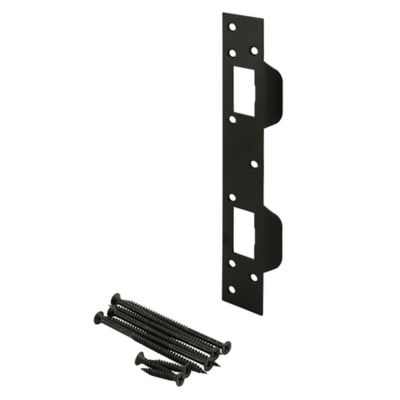
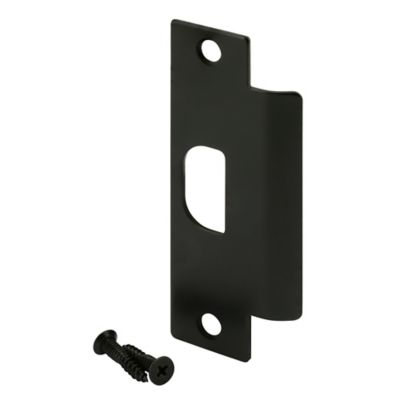
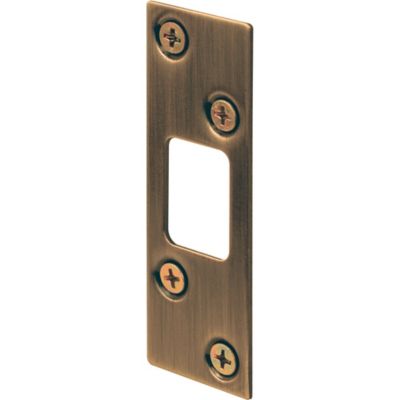
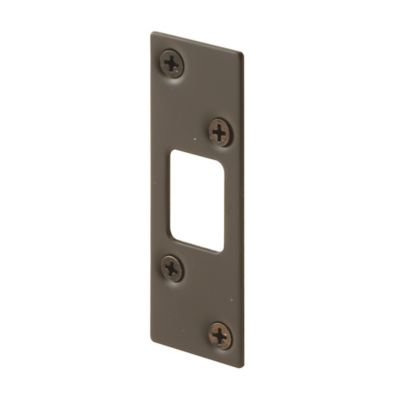
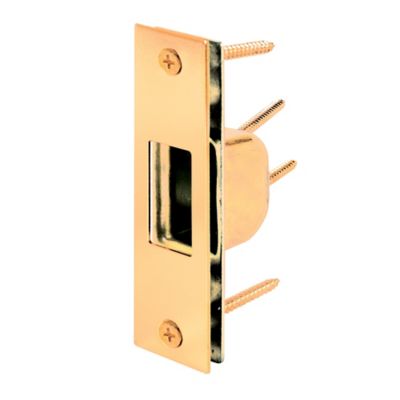
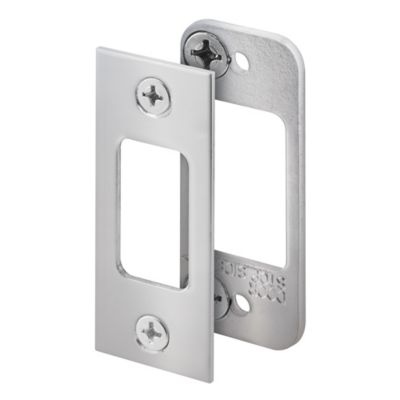
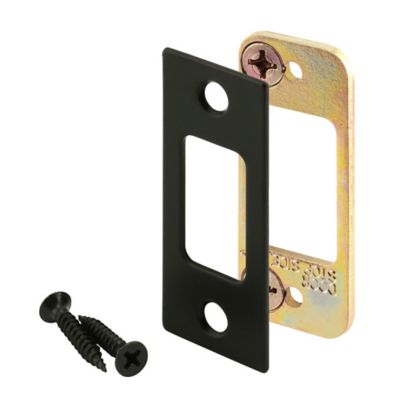
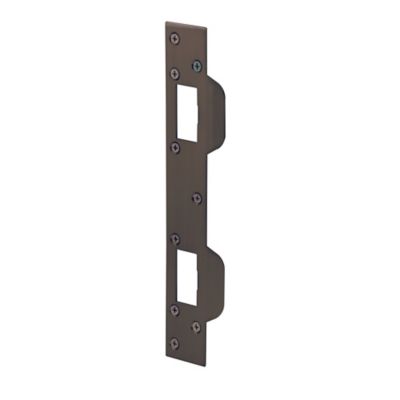
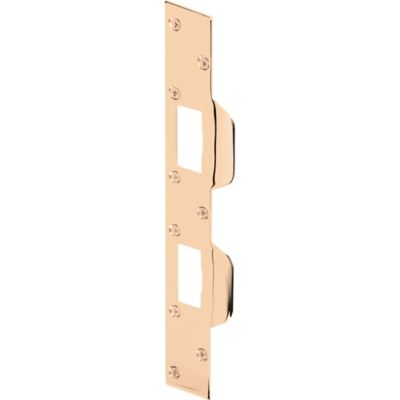
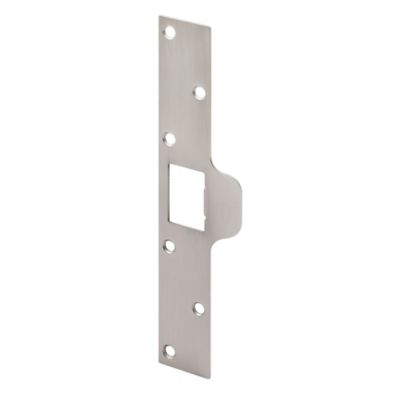
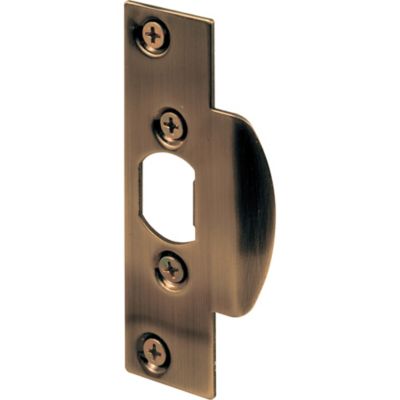
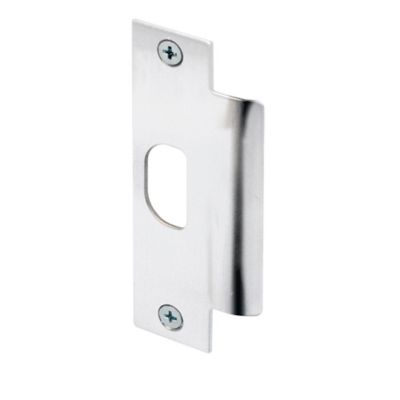
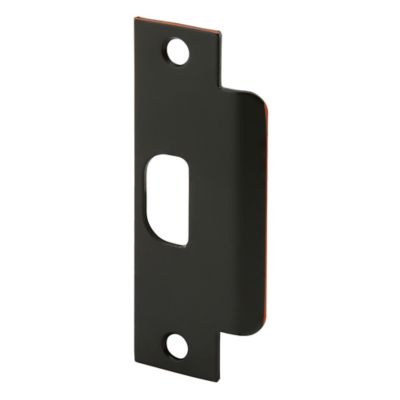
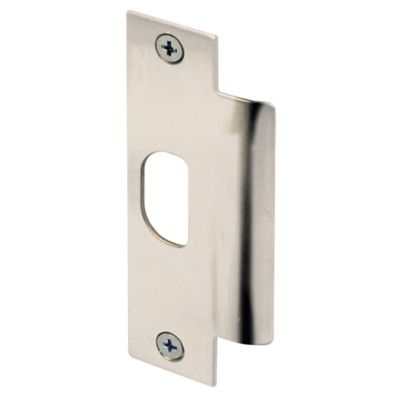
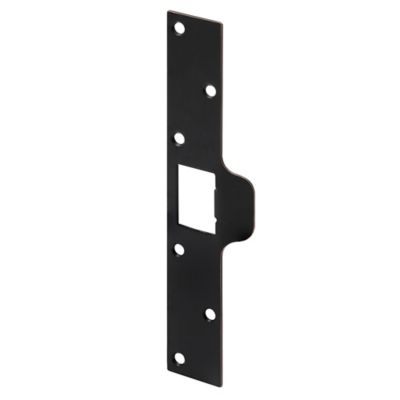
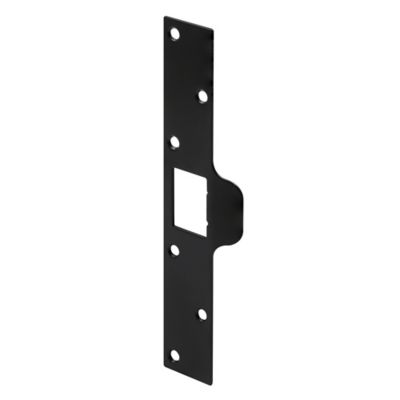
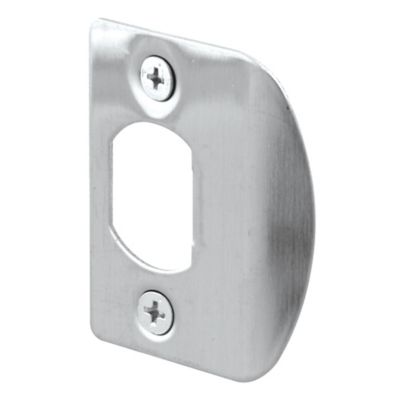
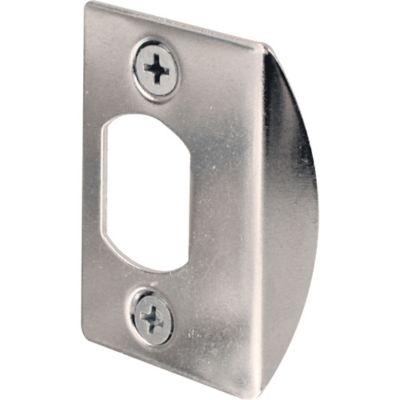
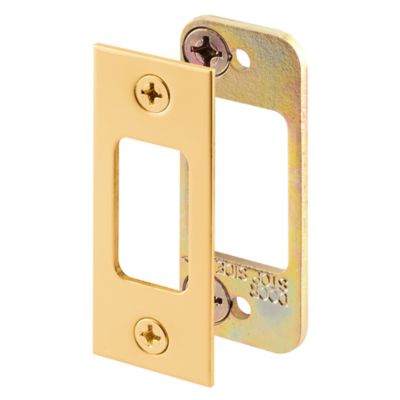
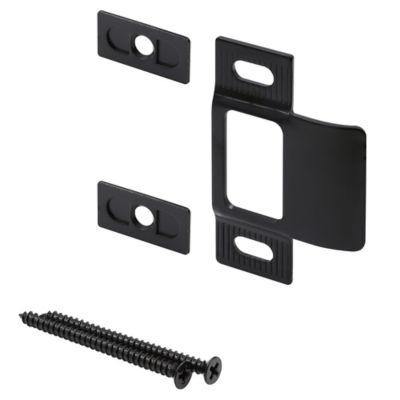
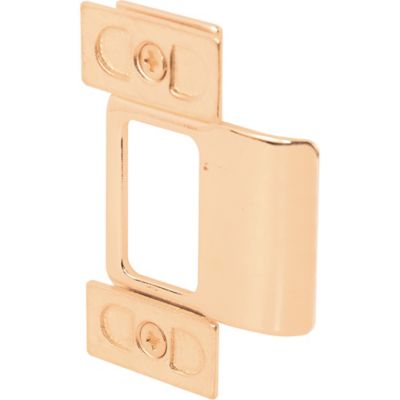
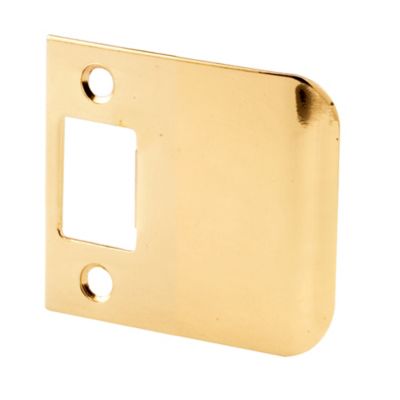
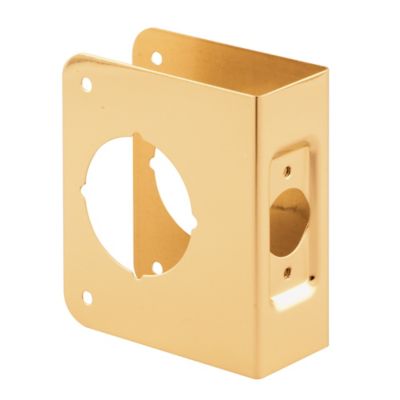
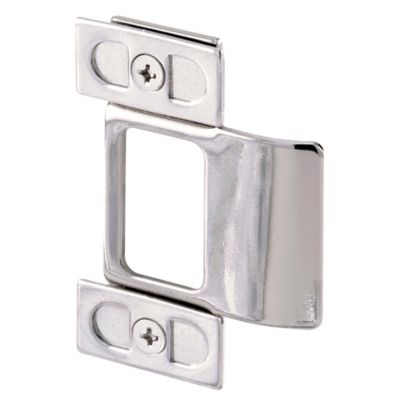
Heavy duty door strike plates add strength where a door latch and deadbolt meet the frame. On many doors, the latch hardware is solid enough, but the thin section of jamb around the strike is the part most likely to crack, split or pull loose under force. A reinforced strike plate helps spread that force over a wider area and gives the latch or deadbolt a more secure place to seat. That makes these plates a practical choice for exterior doors, shop doors, barn entries, garage access doors, storage buildings and other openings where a little extra toughness matters. They can be especially useful on older homes, rental properties, outbuildings and high-use doors that see muddy boots, work gloves, pets, children and plenty of daily traffic. Standard strike plates often use short screws that hold only in the jamb material, while many heavy duty designs are made to work with longer screws that pass through the jamb and anchor into the structural wall stud behind it. When installed correctly, those fasteners help tie the strike to the frame instead of relying on a thin strip of wood alone. Look for heavy-gauge steel or stainless steel construction, clean screw-hole placement and a finish that suits the door hardware already in place. A coated or corrosion-resistant finish can be a smart pick for damp entryways, porch doors and buildings exposed to changing weather. If you are comparing the wider selection of
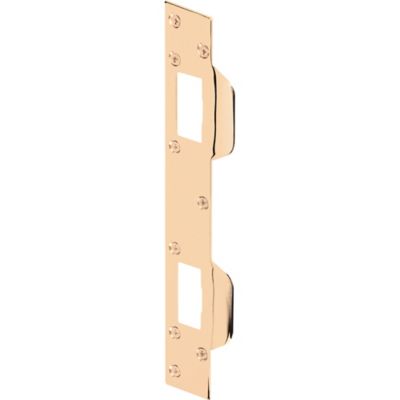
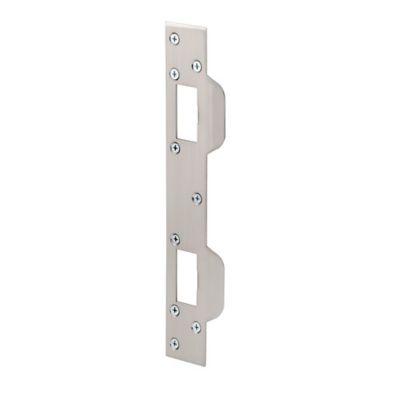
Door Strike Plates, consider whether the opening uses a deadbolt, a knob or lever latch, or both. A single strike is made for one locking point, while a combination or wraparound plate can cover the latch and deadbolt areas together. Extra-long plates may measure roughly 7 to 11 inches or more, giving them a broader footprint across the jamb and helping distribute impact over a larger section of the frame.
Fit matters just as much as thickness. Before choosing a replacement, check the distance between the latch and deadbolt, the shape and size of the existing cutouts, the backset of the lock and the thickness of the door jamb. Some strike plates are designed for a single deadbolt, while others have separate openings for a latch and deadbolt. A wraparound style may also reinforce the edge of the jamb around the lock area, which can be helpful on a door that has seen years of use or a previous repair. Pay attention to the door’s swing and the way the latch enters the plate; the plate needs to sit flush enough for the door to close without rubbing, binding or leaving the bolt only partly engaged. During installation, remove the old plate and inspect the wood underneath. Soft, cracked or damaged jamb material may need repair before a new plate can do its job. Hold the replacement in position, mark the screw locations and make sure the latch and deadbolt line up with the openings. Pilot holes help keep longer screws from splitting the frame, particularly in dry or aged lumber. Use the fasteners recommended for the plate, and when the design calls for long screws, drive them through the jamb and into the wall stud rather than stopping in the trim. A stud finder, small drill bit, sharp screwdriver or drill driver and a level are usually enough for the work, though a chisel may be needed if the new plate has a different shape or footprint. Tighten the screws firmly without stripping the heads or pulling the plate out of alignment. Once installed, test the door several times from both sides. The latch should extend fully, the deadbolt should throw smoothly and the door should close without forcing the handle. If the lock has to be lifted, pushed or pulled to line up, the hinges, frame or strike position may also need attention.
Heavy duty door strike plates are useful for homeowners improving an entry door, landlords refreshing a rental between occupants, small business owners securing a back room, and anyone maintaining a workshop, equipment shed or farm building. They also make a sensible addition to a practical home-improvement gift for someone settling into an older house, fixing up a hunting cabin or getting a new garage organized. A reinforced plate does not replace a quality lock, solid hinges, a sound door or properly installed framing, but it can be an important part of a stronger door assembly. For exterior openings, pair the plate with hardware suited to the conditions around the building. A door under a porch may have different needs than one exposed to blowing rain, dust or livestock areas, where grit can work into the latch and moisture can encourage rust. In cooler months, swelling wood and shifting frames can affect alignment, so it is worth checking that the bolt still reaches its full depth and that the screws remain snug. As the weather warms, regular use and changes in humidity can bring out the same issues, especially on doors that lead to unheated sheds or garages. Keep the latch opening free of packed dirt, paint and wood splinters, and avoid forcing a lock that does not line up. Choosing the right plate length, metal gauge, finish, opening layout and screw pattern helps turn a simple hardware replacement into a durable improvement that stands up to everyday chores, busy households and the rough-and-ready use common around a working property.