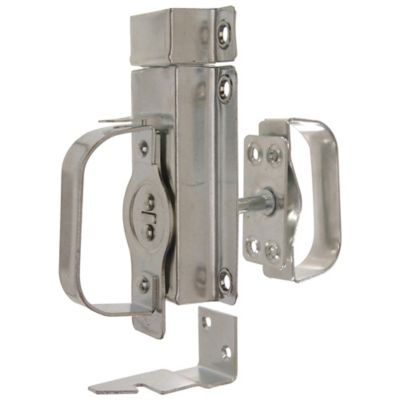
Exterior door security products help add practical layers of protection to the places where your home, barn office, workshop, or other outbuildings meet the outdoors. A strong exterior door is only as dependable as the hardware and framing around it, so many homeowners start with the basics: a sturdy deadbolt, a properly fitted latch, reinforced strike plates, and hinges secured into solid framing. When the existing screws are short, longer exterior-rated screws—often 3-inch screws, when appropriate for the door and wall construction—can help anchor the strike plate and hinge leaves more securely to the wood framing behind the jamb. Take care to choose screws that fit the hardware and do not extend into wiring, plumbing, masonry, or other hidden materials. Reinforcement plates, door wrap shields, and jamb-strengthening hardware can spread force over a wider area and help protect the wood surrounding a latch or deadbolt. These additions are useful on front doors that see daily traffic, back doors near a driveway or pasture, and side entrances that may be tucked out of sight. Before buying, measure the door thickness, backset, hinge layout, jamb width, and available clearance. Check whether the door swings inward or outward, and make sure the hardware is rated for exterior use and suitable for the material of the door. A good fit matters more than a heavy-looking piece of hardware that binds, leaves gaps, or keeps the door from closing cleanly.
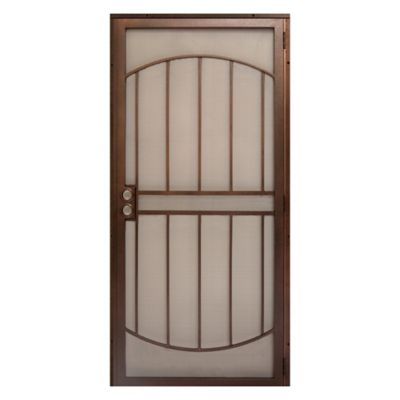
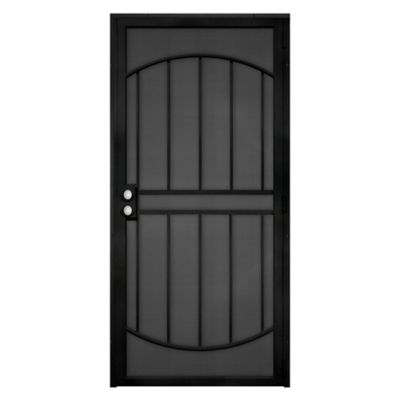
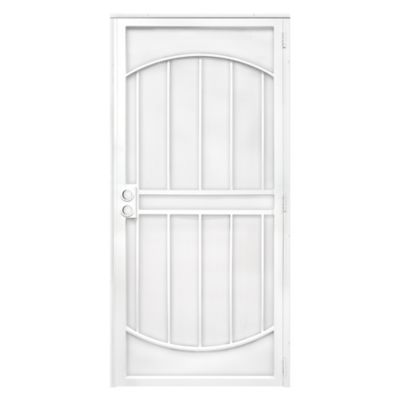
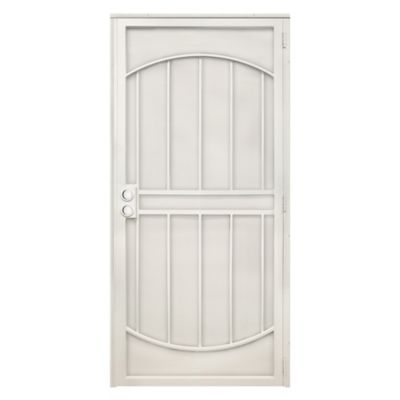
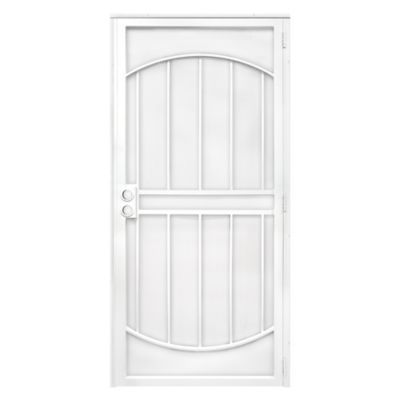
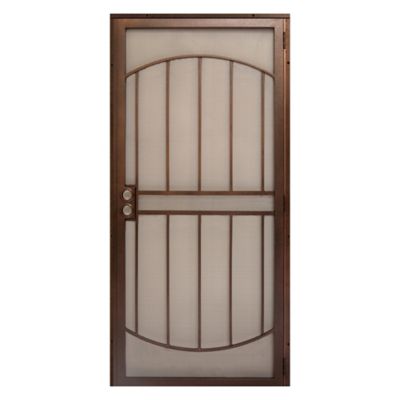
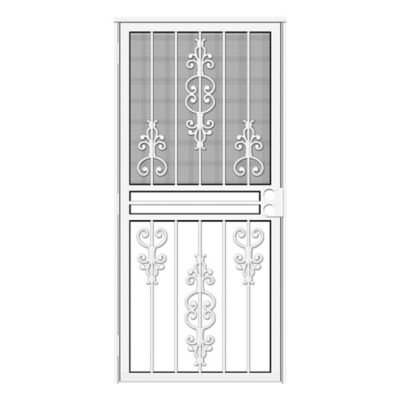
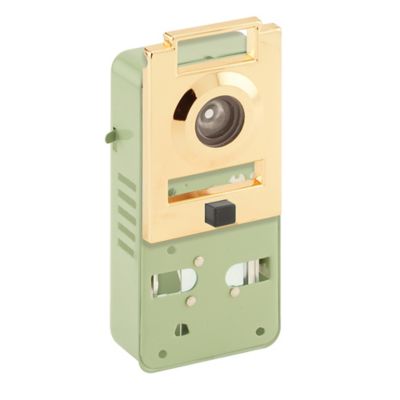
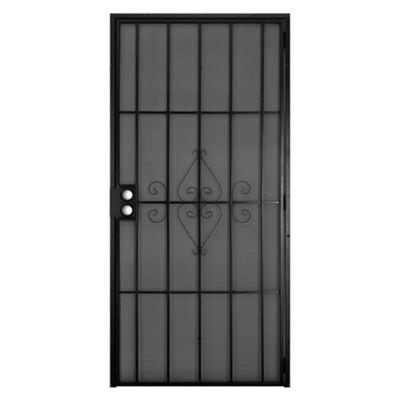
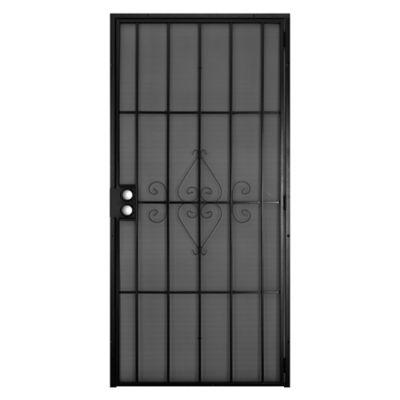
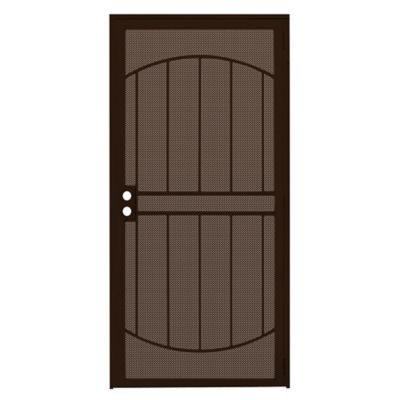
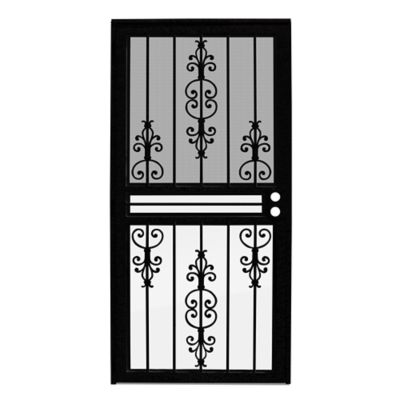
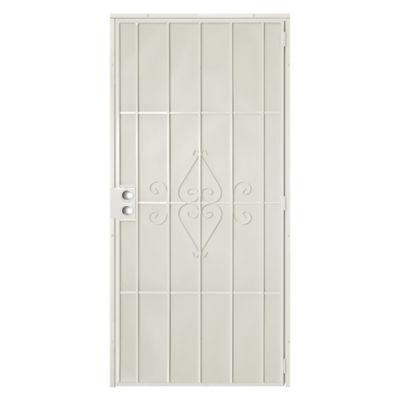
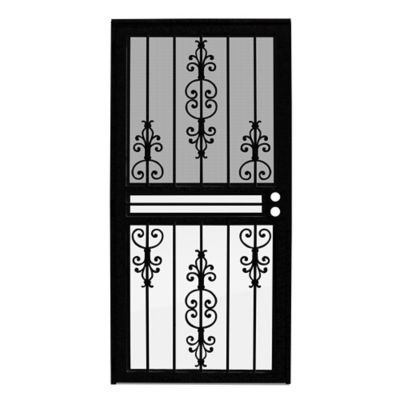
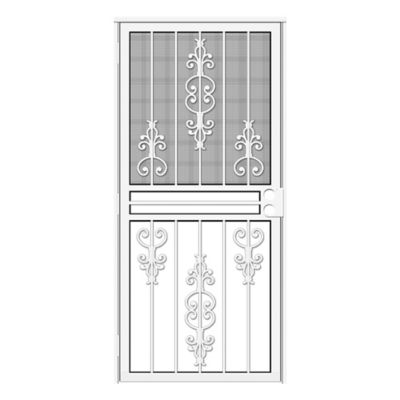
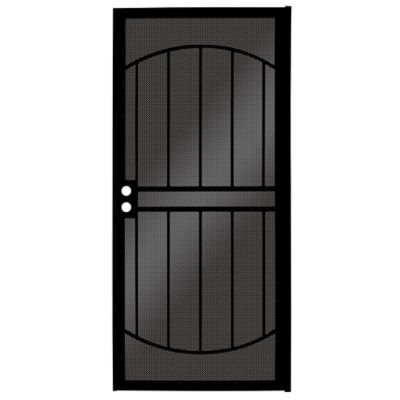
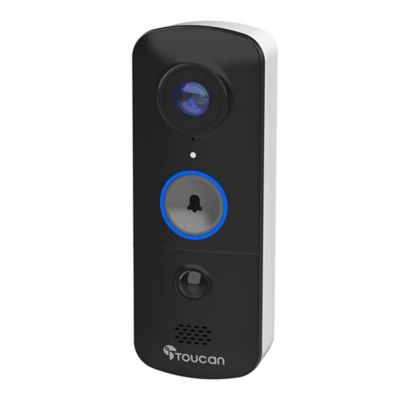
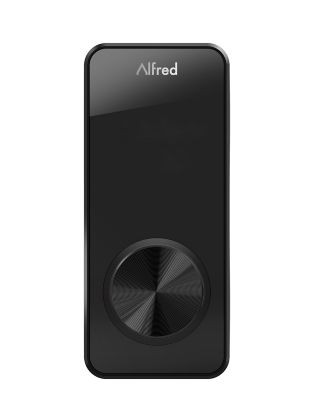
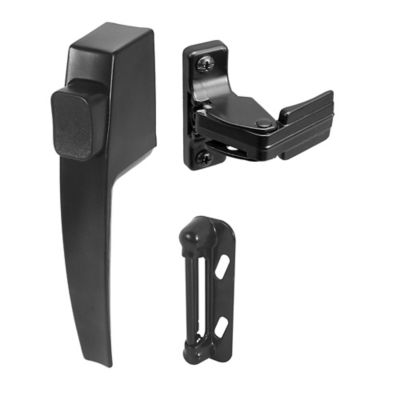
Visibility is another important part of exterior door security. Wide-angle viewers, door viewers, motion-activated lights, and video doorbells can help you identify visitors, deliveries, or activity outside without opening the door. A clear view is especially helpful on a rural property, where a gate, driveway, or porch may sit a fair distance from the house. Place lighting so it covers the approach to the door without shining directly into the viewer or camera, and keep lenses, windows, and porch fixtures free of dust, cobwebs, and glare. If a security device uses batteries, Wi-Fi, or an app, consider how it will perform in the cooler months and whether the signal reaches the entryway. Storm doors and screen doors can also provide a useful extra layer between the living space and the outdoors, giving you ventilation, daylight, and another locking point. For related replacement parts and entryway upkeep, explore
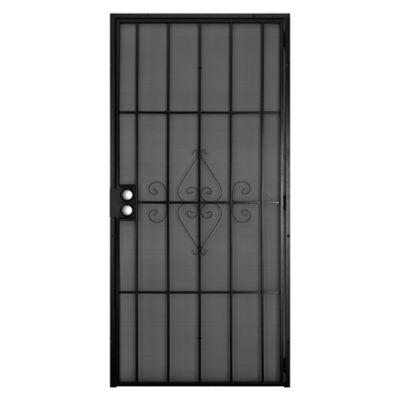
Storm Door Hardware. Security screen doors, heavy-duty hinges, closer hardware, and dependable latches are worth considering for porches, mudrooms, and busy entrances where the door gets opened dozens of times a day. Families may appreciate being able to see and speak with a visitor before unlocking the main door, while older relatives, new homeowners, and anyone living alone may value the added peace of mind. These items can make a practical housewarming gift, especially for someone moving into an older home with loose hardware, worn weatherstripping, or an entry door that has seen years of hard use.
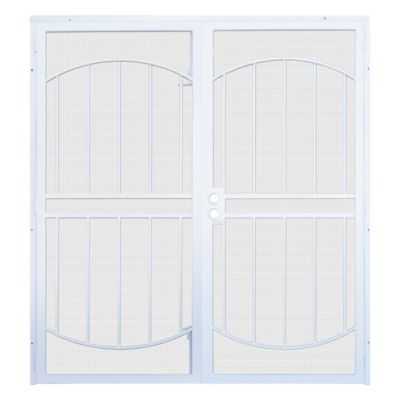
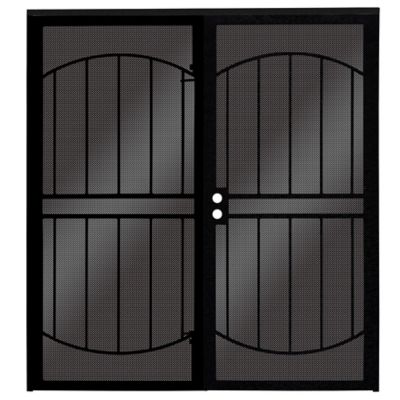
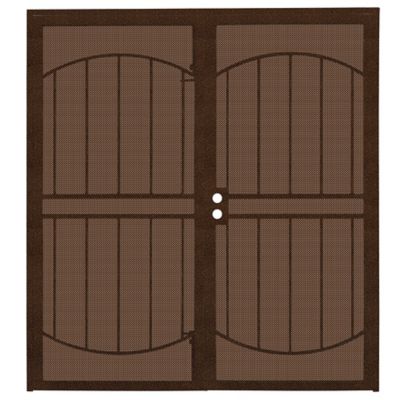
Different door styles call for different security solutions. Sliding glass doors need attention to the track, rollers, latch, and the gap between the moving panel and the frame. A properly sized track bar can help prevent the panel from sliding open, while anti-lift devices can help keep it from being raised out of the track. Keep the track clean and inspect it for wear, since a door that does not sit squarely may be easier to force and may not latch fully. French and double doors often have more than one moving panel, so look for secure top-and-bottom flush bolts, properly aligned strike points, and hardware that keeps both panels firmly closed. For an outswing door, hinge security and tamper-resistant hinge pins deserve extra attention because the hinges are exposed on the outside. A floor-mounted door barricade or another interior blocking device may be useful when you want added resistance at a ground-level entry, but it should never prevent household members from leaving quickly during a fire or other emergency. Test every lock and reinforcement after installation, including with the door closed against its weather seal, and keep a clear path to the entry. During warmer weather, inspect doors after humidity and settling have changed the fit; during cooler months, check that swelling, shrinking, or ice near the threshold has not stopped the latch from engaging. The best setup combines sound framing, correctly installed hardware, good visibility, working lights, and everyday habits such as locking doors, securing secondary entrances, and keeping spare keys in a safe place.