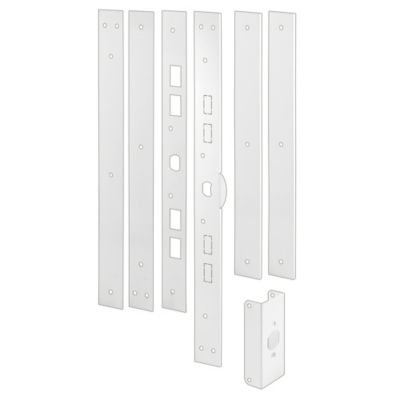
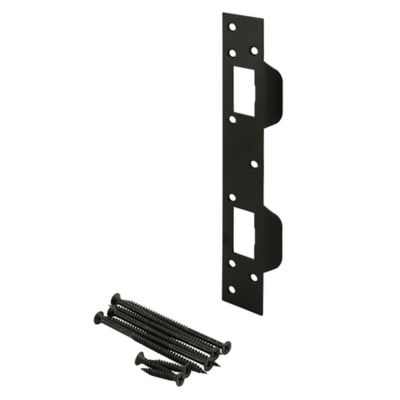
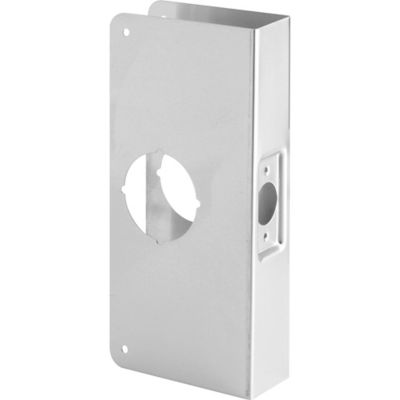
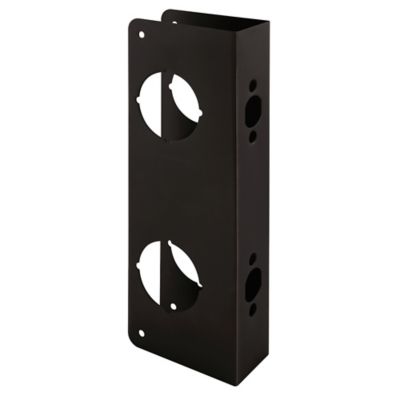
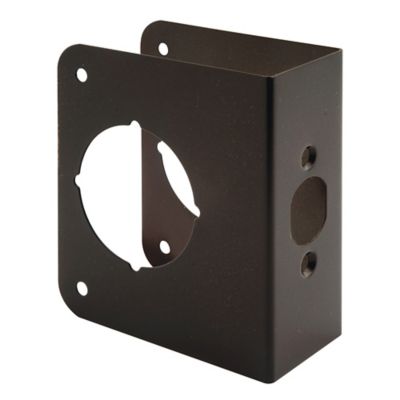
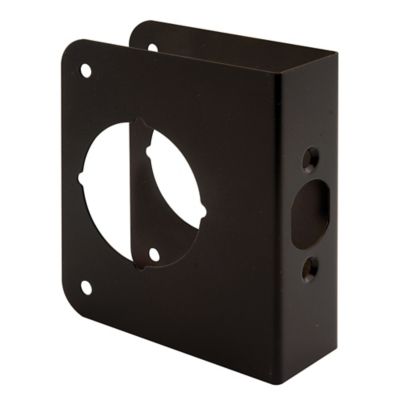
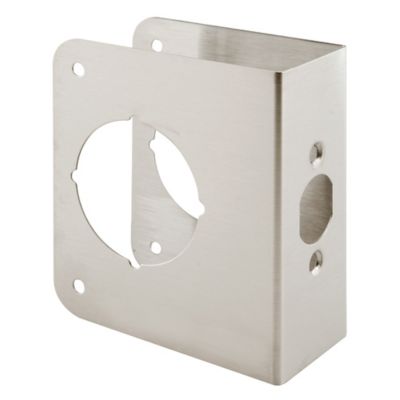
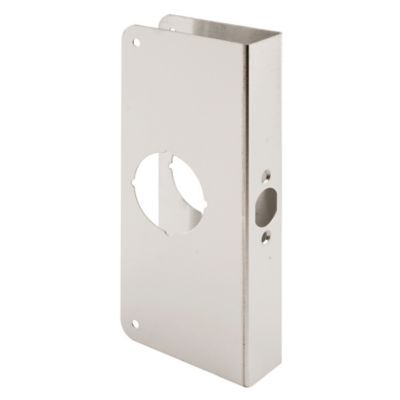
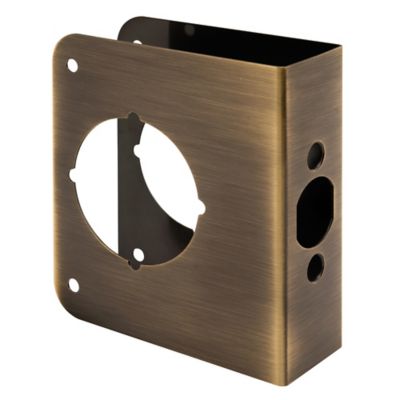
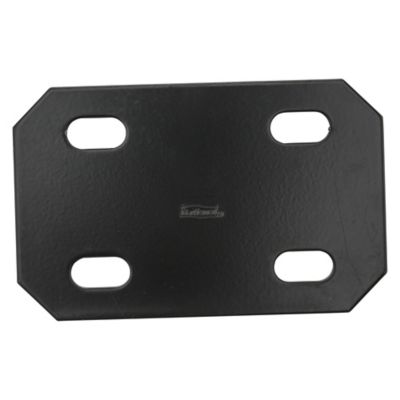
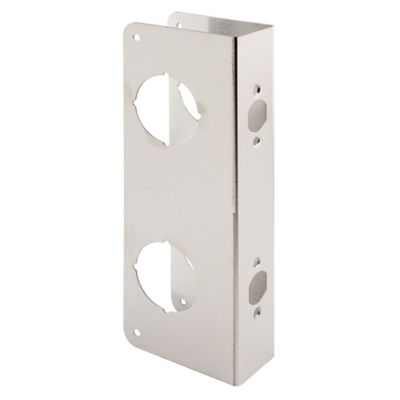
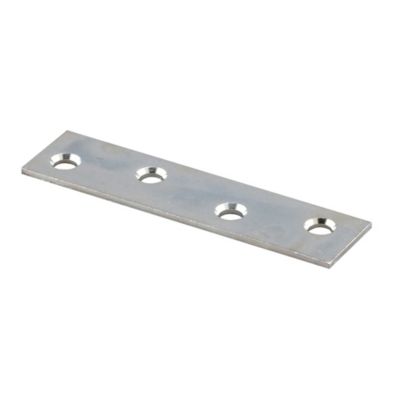
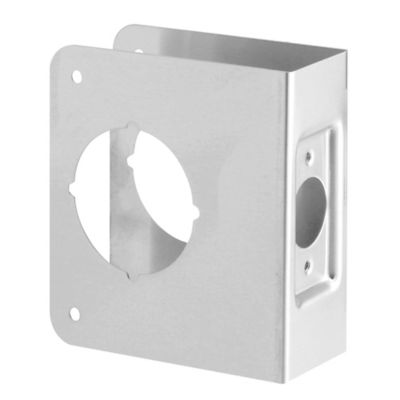
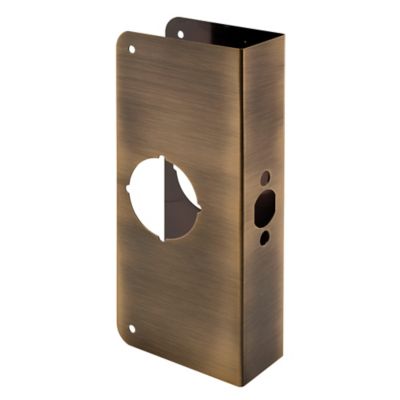
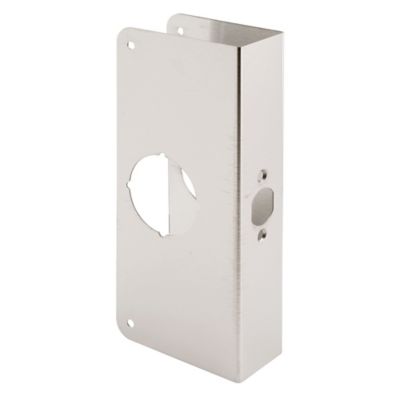
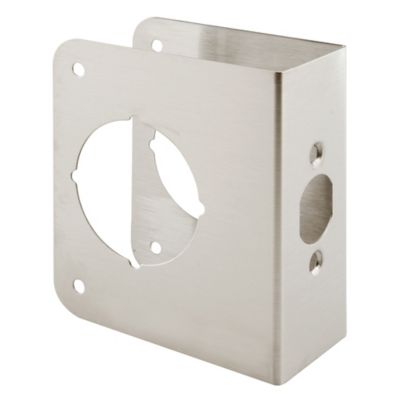
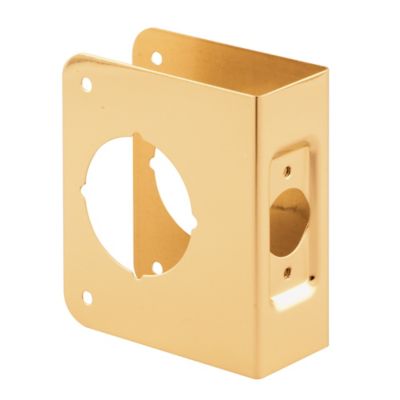
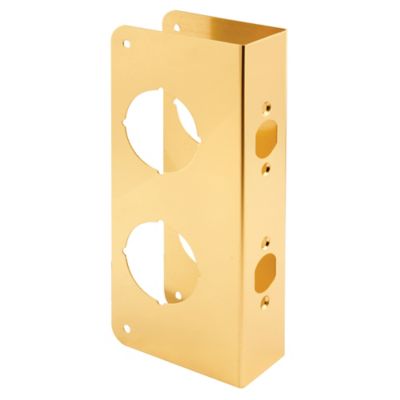
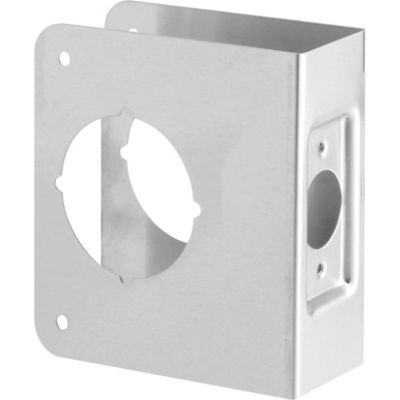
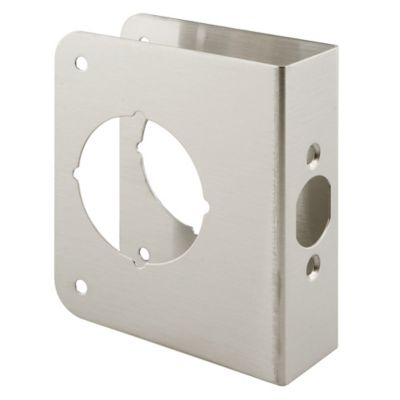
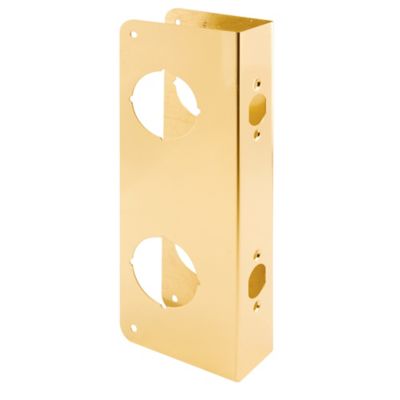
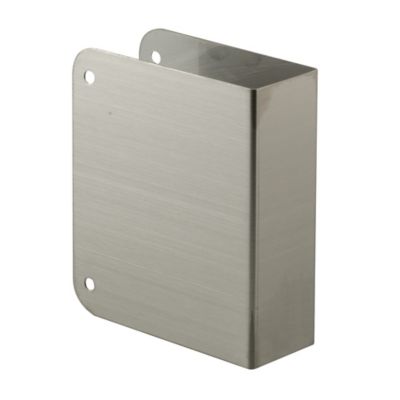
Door frame reinforcement plates are a practical way to strengthen one of the most vulnerable parts of an entry door. A standard wood door frame can look sturdy while still relying on a relatively small area around the latch and deadbolt to hold against force. A long jamb reinforcement plate helps spread that pressure over a broader section of the frame and into the surrounding wall structure, making it useful for front doors, back doors, garage entries, shop doors, basement entrances and other access points around a home, barn office or outbuilding. These plates are commonly made from heavy-gauge steel and may cover the lock area, hinge side or a longer stretch of the door jamb. Some designs focus on the latch and deadbolt openings, while others extend several inches or more to reinforce cracked, split or worn wood. When comparing options, start with the condition and construction of the existing frame. A plate can help cover old damage and add strength, but severely rotted wood, loose framing or a door that no longer sits square may need repair before any reinforcement hardware is installed. Check the door material, the frame width, the position of the knob and deadbolt, and the amount of room between the trim and the wall. A replacement or upgrade may also be a good time to look at
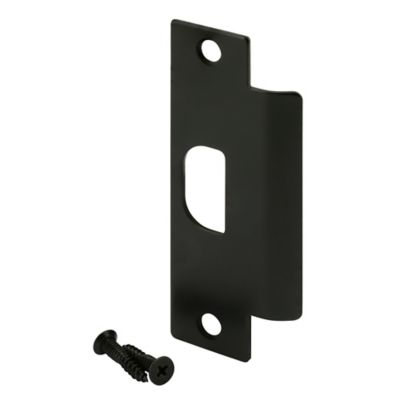
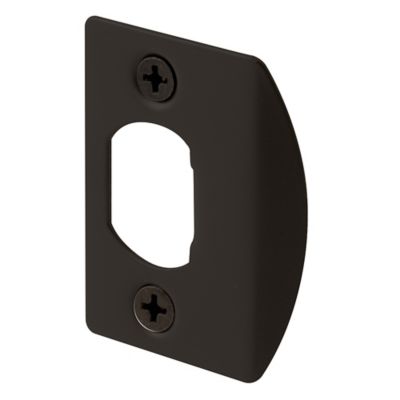
Heavy Duty Door Strike Plates for a focused reinforcement around the latch and lock area. Selecting hardware that matches the door setup helps prevent interference with the latch, weatherstripping or door sweep, while a finish that suits the existing hardware keeps the entry looking neat instead of patched together.
Installation details matter just as much as the thickness of the steel. Many reinforcement plates are designed to be secured with long screws that pass through the door jamb, trim and shims before anchoring into the wood framing behind the wall. Short screws that only bite into the thin jamb or molding may not provide the same holding power, so use the fasteners recommended for the hardware and verify their length against the actual construction of the doorway. The strongest location for a screw is solid framing, such as the wall stud beside the opening, rather than a hollow section or a gap hidden behind the trim. Before drilling, close the door and check that the frame is straight, the latch enters the strike cleanly and the deadbolt extends without binding. Mark the screw locations carefully, especially when several holes run close together, and use a drill bit suited to the material so the wood does not split. Some surface-mounted plates sit directly over the jamb and can be installed with basic hand tools, while thicker or wider designs may require shallow mortising so the plate rests flush. Take care around wiring, plumbing and other hidden utilities, particularly when working near an exterior wall, garage or finished basement. On an older farmhouse or a heavily used shop door, a little patience during layout can make the difference between a clean fit and a door that rubs every time it closes. If the frame is badly damaged, the door is unusually heavy or the opening has shifted, a qualified carpenter or experienced hardware installer can help determine whether the surrounding framing needs attention first. Reinforcement hardware is intended to work with a solid door, properly aligned hinges, dependable locks and a sound frame; it is not a substitute for correcting a structural problem.
These products are useful for homeowners improving security at a main entrance, landlords preparing a rental property, caretakers maintaining a rural residence or anyone repairing an entry that has seen years of hard use. A back door near a gravel drive may get opened dozens of times a day, while a shop or storage building can experience seasonal changes in temperature and humidity that leave wood frames swollen, dried out or loosened around the fasteners. Cooler weather also tends to bring more time spent indoors, making it a sensible season for checking doors, hinges, weather seals and lock areas before winter winds arrive. Reinforcement plates can be especially helpful when replacing a worn strike area, covering splintered wood around an old lockset or adding support to a door that needs more than a basic latch repair. Hinge-side guards and door-edge plates may be worth considering when the frame or door itself shows weakness on those areas, while longer jamb shields offer broader coverage for a doorway that has cracks extending above or below the lock zone. For a housewarming, home-repair basket or gift for a family member fixing up an older property, this type of hardware is a useful choice because it supports a real maintenance project rather than taking up shelf space. Measure first, compare the plate dimensions with the existing lock layout, and pay attention to whether the design is intended for a right-hand, left-hand or universal installation. With the right fit and solid attachment into the framing, a door frame reinforcement plate can give an aging entry a cleaner repair, stronger lock area and added peace of mind through changing seasons.