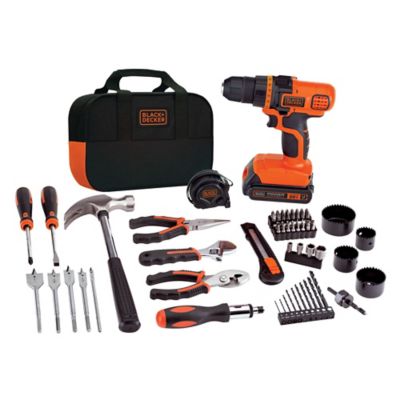
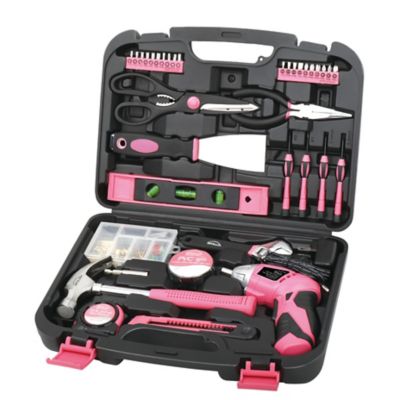
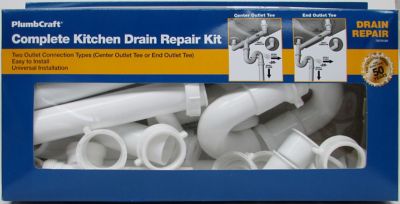
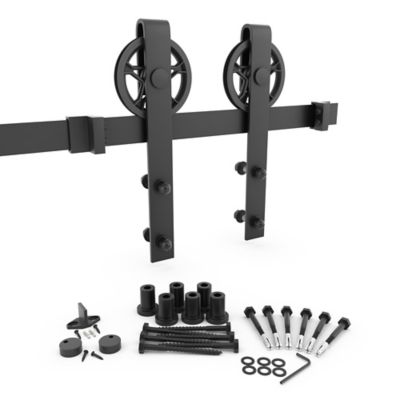
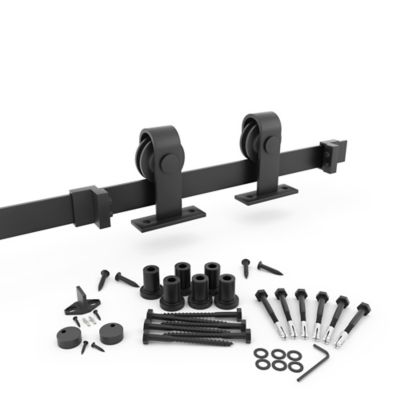
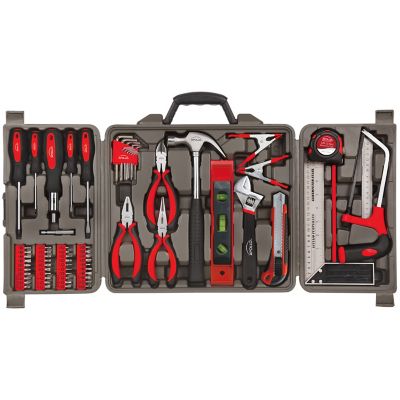
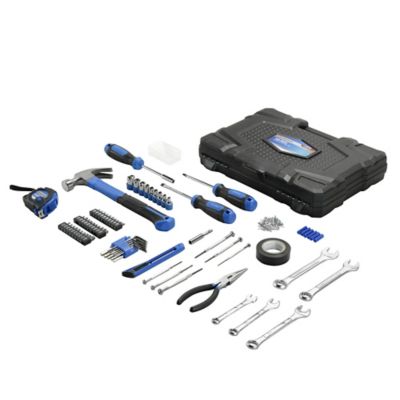
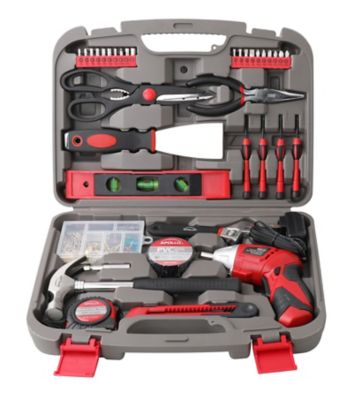
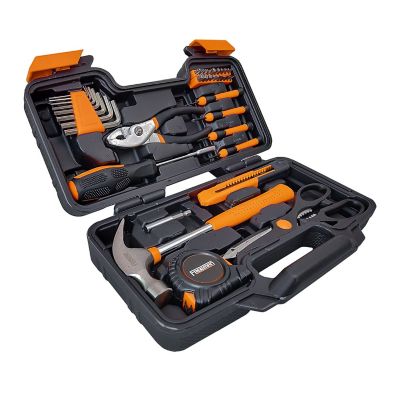
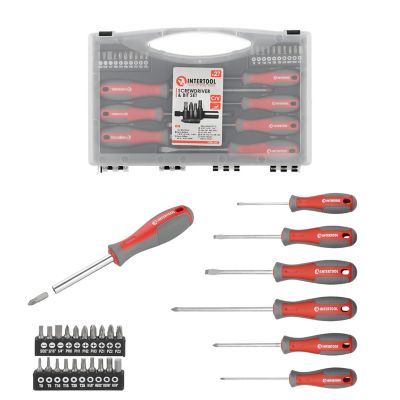
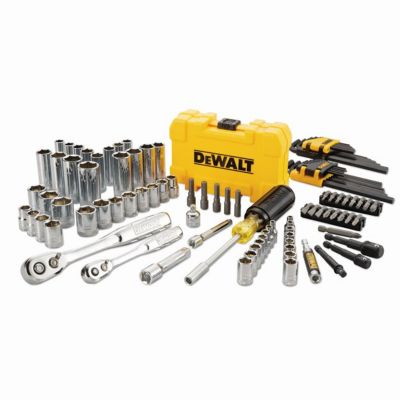
Home improvement kits bring a handy collection of tools and supplies together for the small fixes, upkeep jobs, and bigger do-it-yourself projects that come with owning a home, cabin, workshop, garage, or rental property. A basic home repair kit is a practical choice for everyday maintenance, especially in an apartment or first home where a full workshop may not fit. These kits commonly include a claw hammer, tape measure, utility knife, adjustable wrench, slip-joint pliers, a selection of screwdrivers, and assorted bits for different fasteners. That mix can handle hanging a picture, tightening loose cabinet hardware, assembling furniture, replacing a door handle, or making a quick adjustment to a gate latch. Look for sturdy handles, clear size markings, comfortable grips, and a case or organizer that keeps small pieces from rolling under a workbench. A compact set can make a thoughtful housewarming, graduation, wedding, or first-apartment gift because it gives the recipient useful tools before an unexpected repair comes along. For a homeowner who already has the basics, a kit built around a particular task can fill a gap in the toolbox. Extra driver bits, specialty pliers, levels, clamps, fastener assortments, and storage solutions are all useful additions for someone who enjoys keeping a place in good shape. Before choosing a kit, consider how often it will be used, where it will be stored, and whether the jobs are light household repairs or more demanding work on lumber, fencing, outbuildings, and fixtures. A homeowner who mostly tightens screws and hangs shelves may prefer a smaller hand-tool set, while someone working on a barn, shed, workshop, or ongoing renovation may get more value from a larger collection with tougher construction and a wider range of sizes.
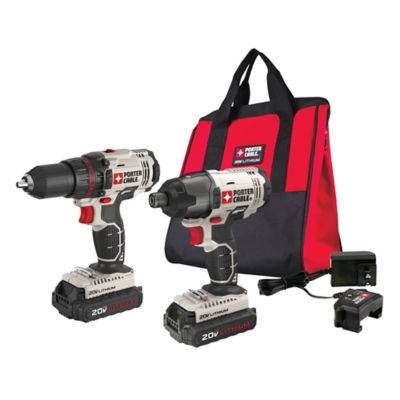
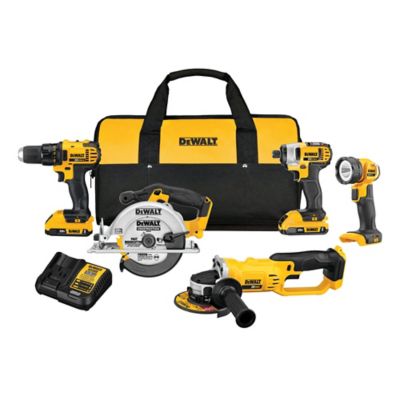
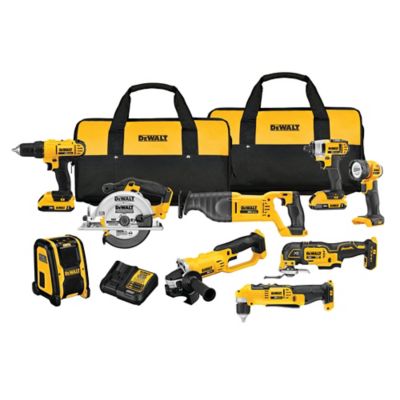
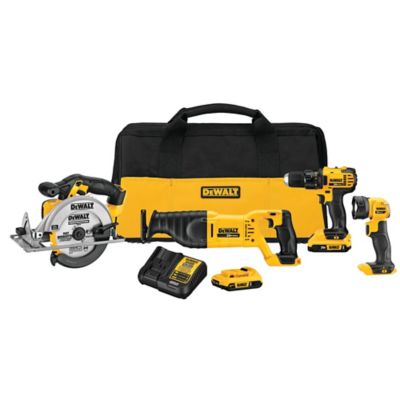
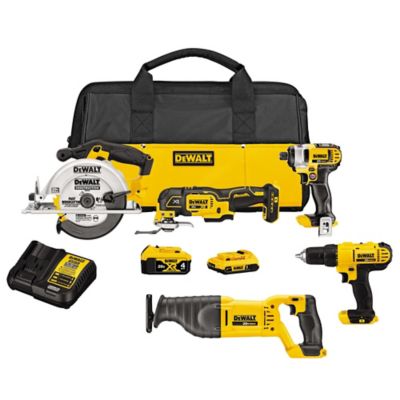
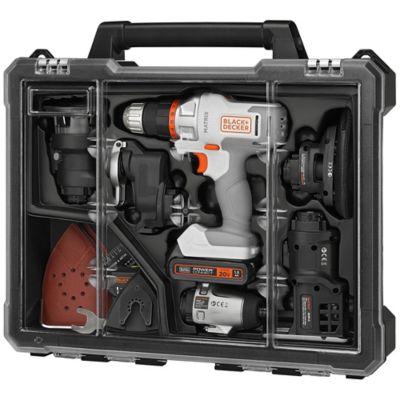
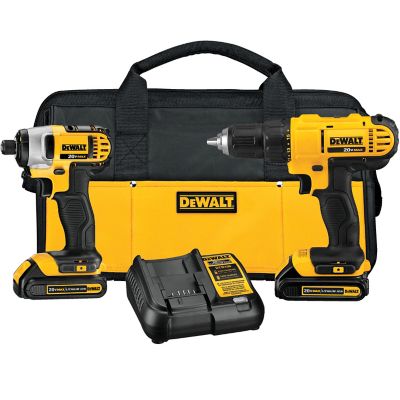
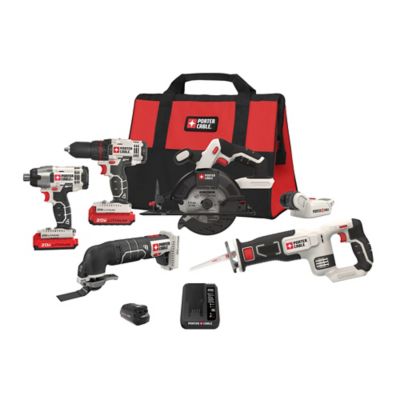
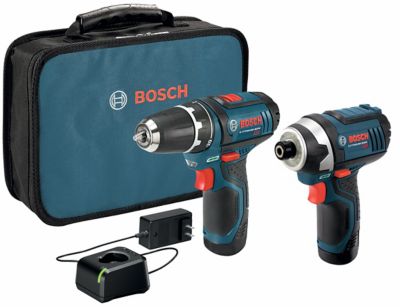
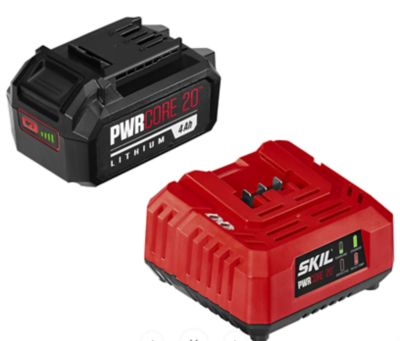
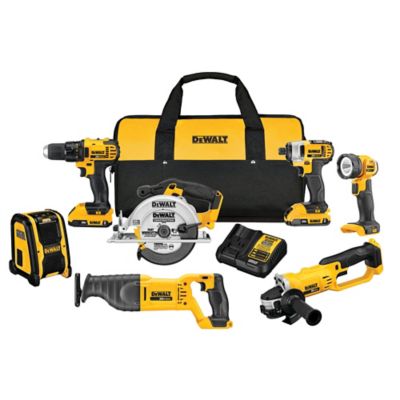
For intermediate do-it-yourselfers and experienced makers, home improvement kits may center on cordless power tools and the jobs they make easier. A useful power-tool package can include a drill/driver, impact driver, charger, rechargeable lithium-ion batteries, and saws suited to cutting lumber, trim, plywood, or other common building materials. A circular saw is handy for straight cuts, while a reciprocating saw can help with demolition, pruning larger branches, or cutting through worn materials during a remodel. The best kit depends on the kind of work at hand, since a person building shelves has different needs from someone repairing a deck, framing a partition, or putting up a run of fence. Check the battery system, charging time, included accessories, tool weight, and the comfort of the grip. Batteries and chargers that work across several tools can save space and make it easier to move from the garage to the backyard without hunting for a cord or outlet. For heavier work, pay attention to power, speed settings, torque, blade changes, and the availability of replacement blades, bits, and other consumables. Safety gear matters just as much as the tool itself; eye protection, hearing protection, work gloves, dust masks, and sturdy footwear should be part of the plan whenever cutting, drilling, sanding, or tearing out old material. Those shopping for a capable gift for a new homeowner, handy relative, farm caretaker, or weekend builder may find a coordinated kit especially useful because the tools are selected to work together. For more job-focused options, browse
Construction Tool Kits for collections suited to framing, repair, installation, and general building tasks. A little planning before purchase can prevent a common frustration: opening the case and finding the main tool ready to go, but no proper bit, blade, battery, or accessory for the first job.
Some home improvement kits focus less on cutting and fastening and more on protecting a home from moisture, drafts, pests, and changing weather. Weatherproofing and insulation kits can be useful around doors, windows, utility openings, crawl spaces, garages, workshops, and other areas where air or water may find a way inside. Sealing supplies can help close small gaps, while insulation materials may improve comfort in living spaces, outbuildings, and work areas when temperatures swing from warm afternoons to cooler nights. Specialty kits may also be designed for pest-blocking, spray-foam application, patching, or exterior repairs. Read the coverage information carefully and match the kit to the surface and location; a product made for a narrow crack is not automatically the right choice for a large opening, and exterior materials need to stand up to sun, rain, wind, and seasonal movement. Larger project kits for patio covers, carports, or other outdoor structures can be a practical way to organize a building project, but always check measurements, foundation needs, local building requirements, property rules, and permits before getting started. During the warmer part of the year, many homeowners use these kits to finish outdoor repairs, improve a porch or shed, or prepare a garage and workshop for regular use. As the weather turns cooler, sealing drafts, protecting exposed pipes, and improving insulation can make indoor spaces more comfortable and help preserve stored tools, feed, equipment, and household goods. Keep the work area clean and dry, follow the included directions, and use the recommended protective equipment, particularly when working with expanding foam, adhesives, sealants, dust, or demolition debris. Whether the goal is a quick repair, a more organized toolbox, or a larger improvement around the property, the right home improvement kit helps put the needed pieces in one place and makes the job feel more manageable from the first measurement to the final cleanup.