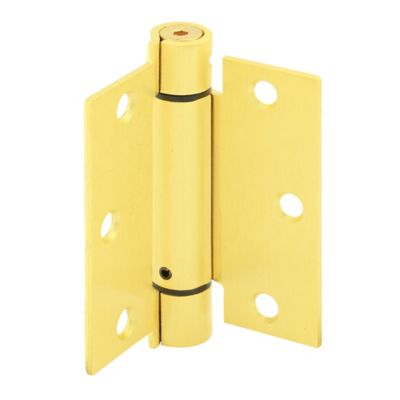
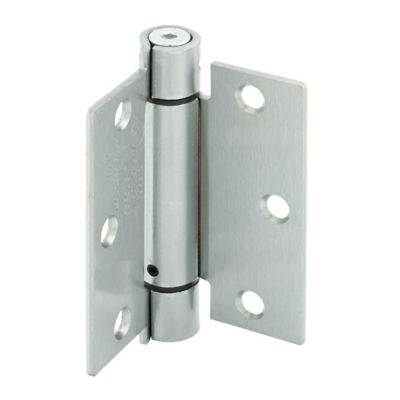
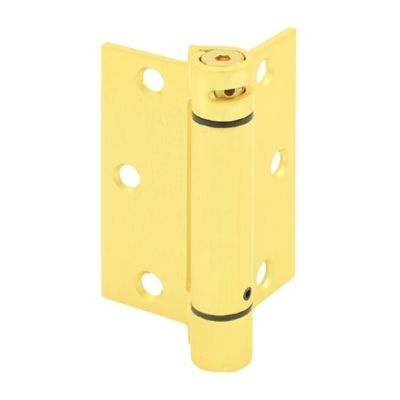
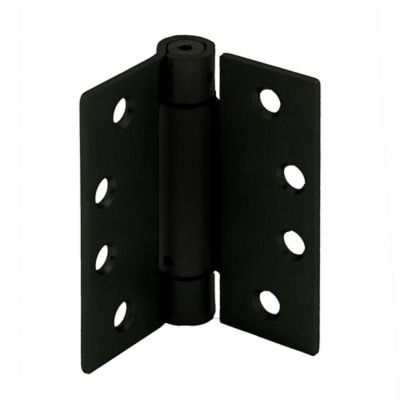
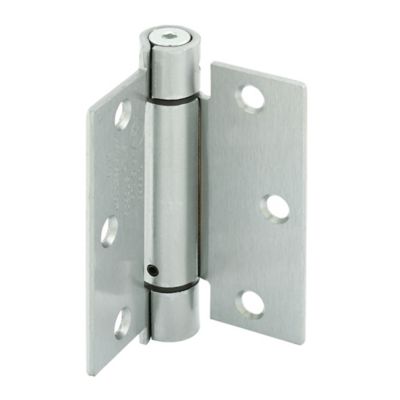
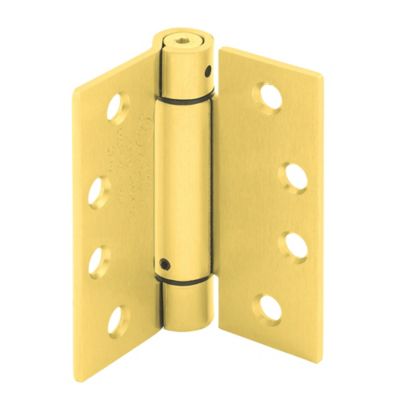
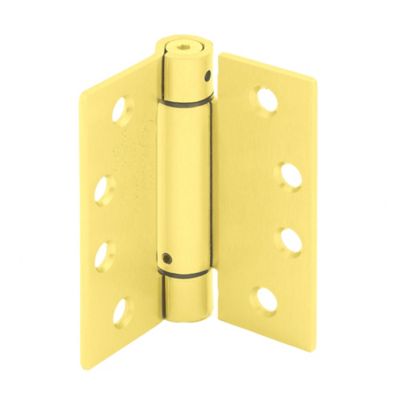
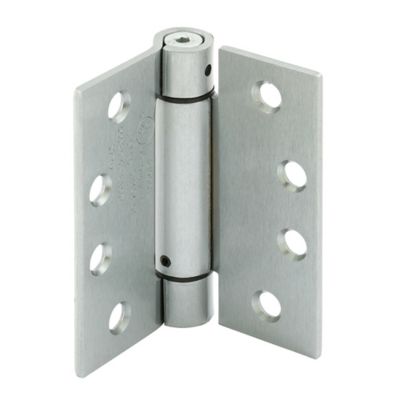
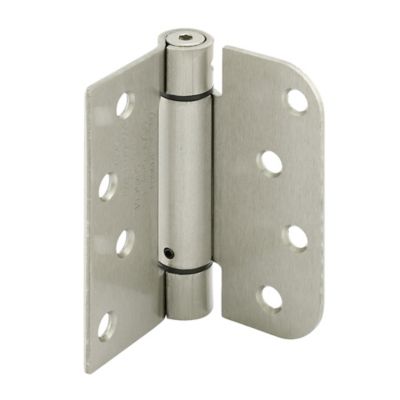
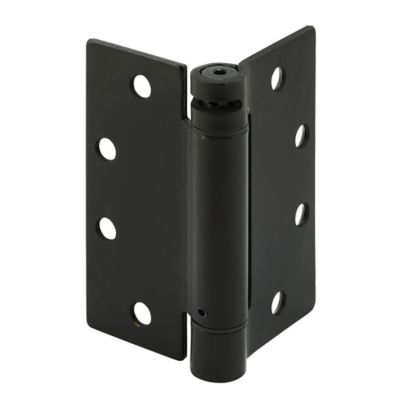
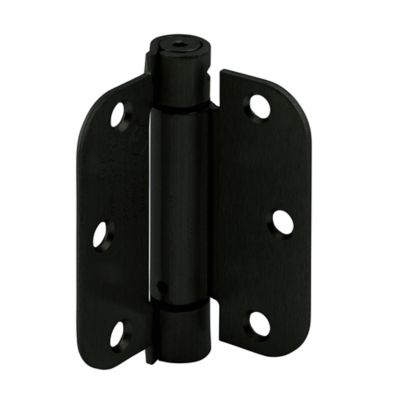
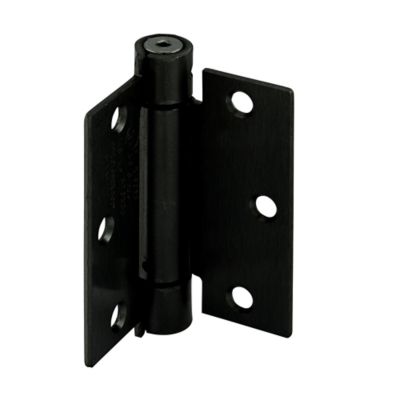
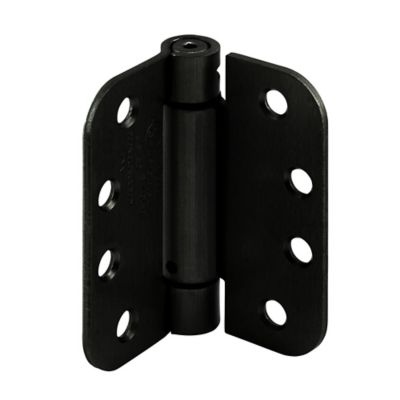
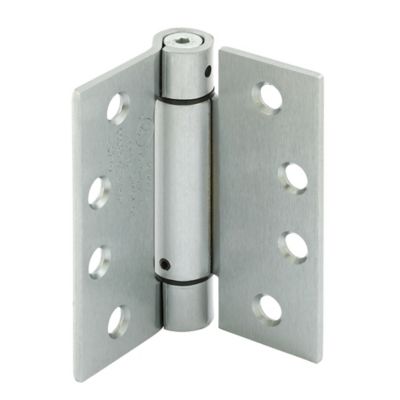
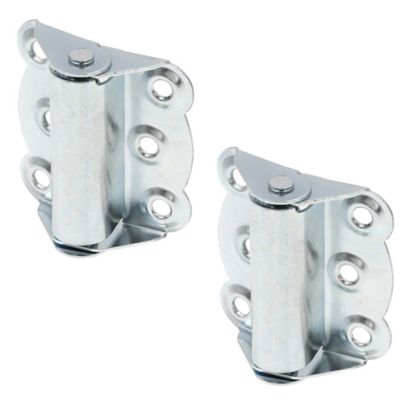
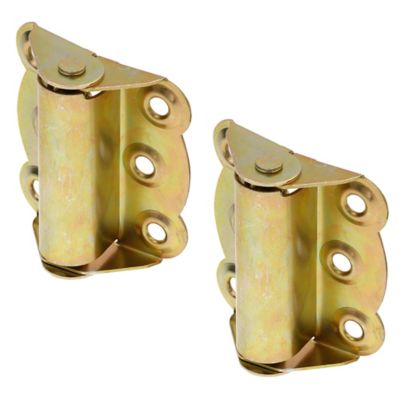
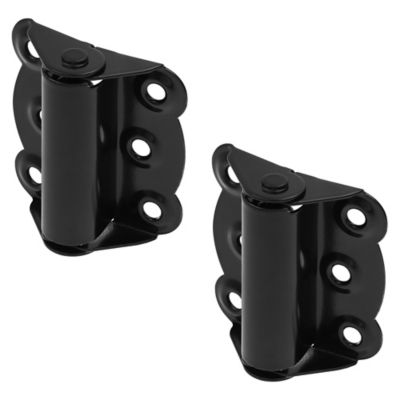
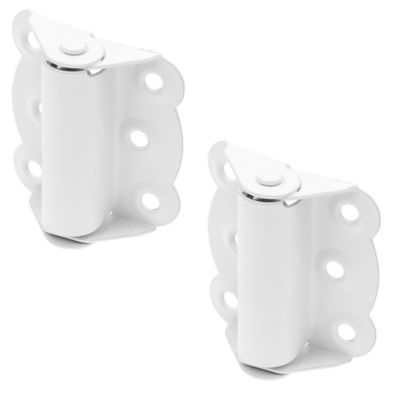
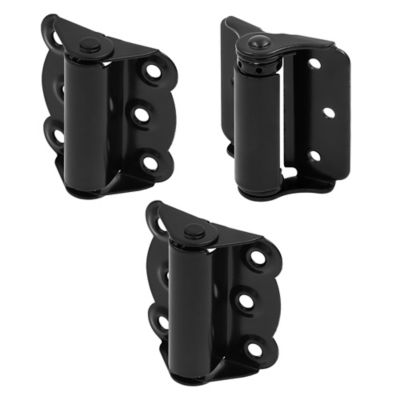
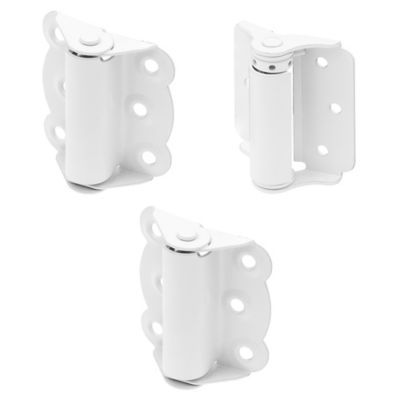
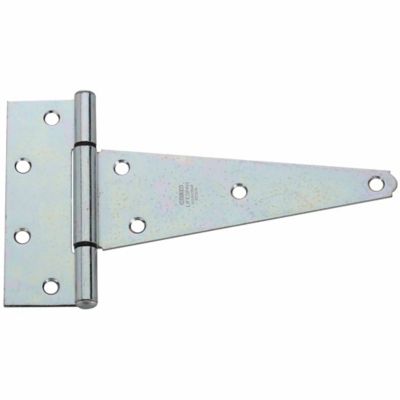
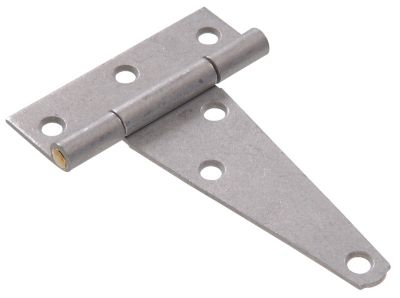
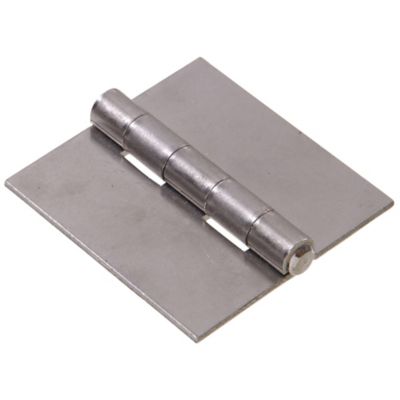
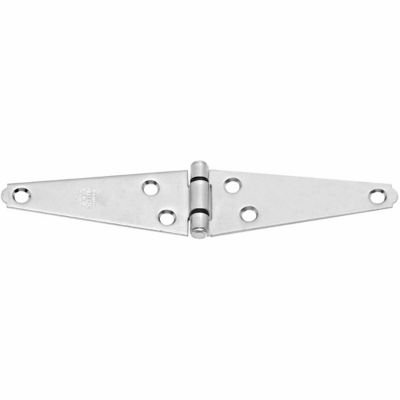
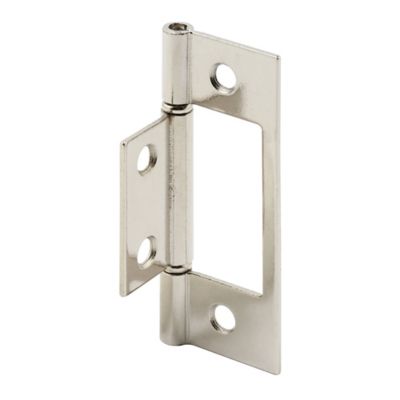
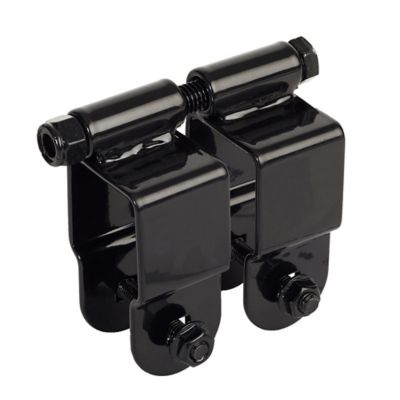
Door closing hinges bring a swinging door back toward its closed position after someone passes through, helping keep everyday traffic moving without leaving the door standing open. A self-closing spring hinge does this with spring tension built into the hinge assembly, so the hardware supports the door and supplies closing force at the same time. That makes this category worth considering for utility rooms, farm offices, storage areas, and other spaces where an open door can get in the way. Picture stepping into a workroom with a sack of feed balanced against one shoulder: a properly matched closing hinge can bring the door back behind you without another trip to pull it shut. Self-closing and soft-closing do not mean the same thing, though. A basic spring hinge supplies return force, while a hinge with a hydraulic or damping mechanism may also control part of the closing movement. Features vary by design, and spring tension alone does not provide the same speed control as a separate door closer. Some closing hinges offer adjustable tension to suit the door and its hardware, but more tension is not always better. Too much force can make a door harder to open or cause it to strike the frame sharply; too little may leave it short of the latch. The right match balances opening effort, closing action, and the resistance of the latch or seals. A closing hinge also does not lock a door, correct a dragging slab, or guarantee that a latch will catch. Those jobs depend on the rest of the opening working together. For a household entry, workshop passage, or small business back room, door closing hinges make the most sense when their rated capacity and closing action match the way people move through that space.
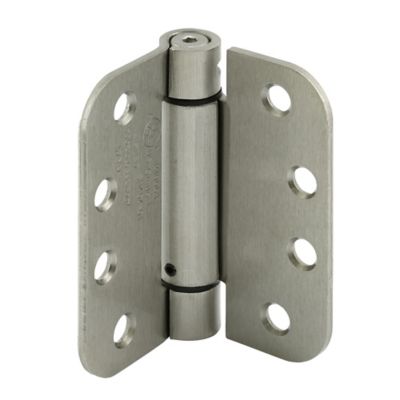
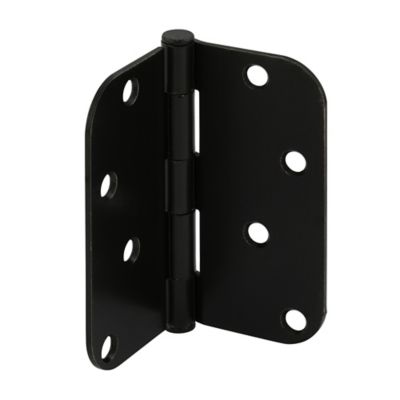
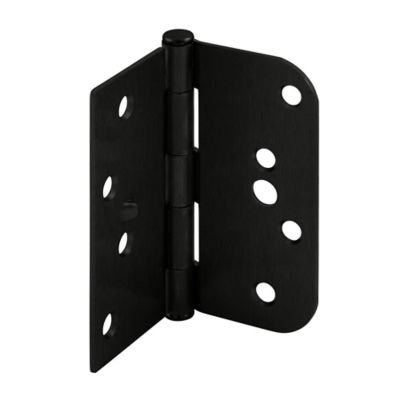
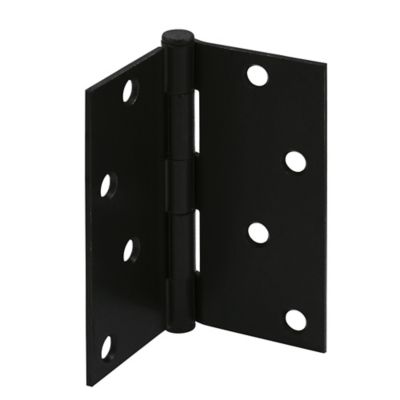
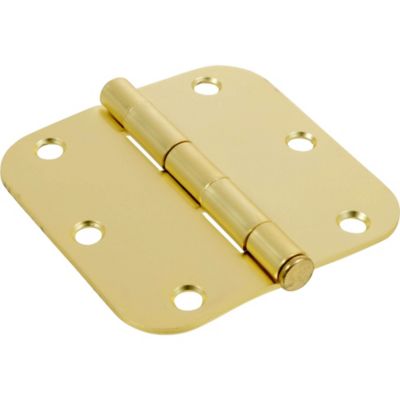
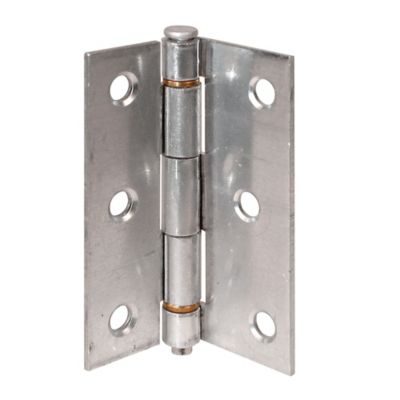
Fit starts with more than the overall height of the hinge. Common residential hinge heights include 3, 3½, and 4 inches, while larger doors and commercial openings often call for 4½- or 5-inch hardware; the existing door preparation and the hinge manufacturer’s specifications determine the actual fit. Width, leaf thickness, screw-hole placement, and corner shape matter just as much. A square-corner hinge will not sit neatly in a rounded recess without changes, and rounded corners come in different radii. Mortise hinges sit in recesses cut into the door and frame, while surface-mounted designs attach differently and need the clearances specified for that design. The hinge barrel also needs room to move without catching nearby trim. When replacing existing hardware, matching those details helps keep a straightforward repair from turning into extra work on the jamb. Door weight, width, thickness, and construction belong in the same conversation. A lightweight hollow-core interior door places different demands on its hinges than a broad solid-wood door or a steel utility door. Capacity ratings may depend on the number of hinges, the door dimensions, and the mounting arrangement, so choosing by appearance or hinge height alone leaves too much to chance. Some applications permit a combination of spring and standard hinges, while others require a particular hinge count or configuration. Materials and finishes deserve a close look, too. Steel is common in general-purpose door hardware, and stainless steel can be a practical choice where corrosion resistance matters. Other materials and plated or coated finishes offer different appearances and maintenance needs, but a finish name alone does not establish the underlying metal or its suitability for an opening. Matching the finish to nearby knobs, levers, and strike plates gives the doorway a tidy look. More important, sound mounting points and the specified fasteners give the hinge a firm connection to the door and frame.
Day-to-day care is mostly about keeping the whole doorway working smoothly rather than asking the spring to overcome every problem. Dust around a shop entrance, loose screws, a shifting strike plate, or a door edge rubbing the jamb can all change how a closing hinge performs. A door that once shut cleanly but now stops halfway may need an alignment check rather than extra spring tension. Wiping away buildup and checking for loose mounting hardware can help reveal trouble before it becomes a bigger repair. Lubrication needs vary by hinge construction, so the manufacturer’s maintenance directions matter; some assemblies need a specified lubricant, while others have components that should not receive added oil. Adjustment methods vary as well, and spring-loaded parts can store enough force to cause injury if released incorrectly. Any tension setting should stay within the stated limits, with closing performance checked through the full swing and at the latch. In a busy household or workplace, opening effort matters for children, older adults, and anyone carrying supplies or moving with limited strength. A positive close should not come at the expense of safe passage. Fire-rated openings, doors serving exit routes, and accessible entrances can have requirements for listed hardware, closing performance, and opening force, making a qualified installer a sensible choice when those rules apply. For outbuildings, the way the door moves is another important distinction. A swinging utility door may suit closing hinges, while a large hinged barn door needs hardware selected for its weight, framing, and opening pattern.
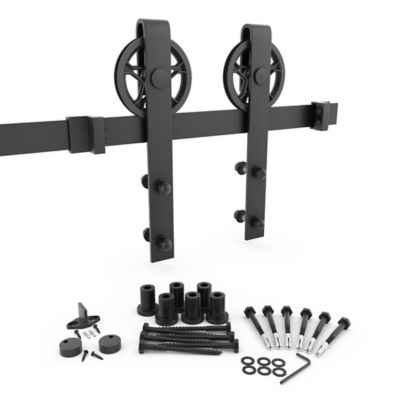
Barn Door Hinges address that related need, but sliding barn doors run on track hardware rather than swinging hinges. Whether the setting is a tack room, laundry area, shop office, or equipment storage room, a well-matched closing hinge should feel like part of the doorway: steady under the door’s weight, manageable to open, and suited to bringing it back to a proper close.