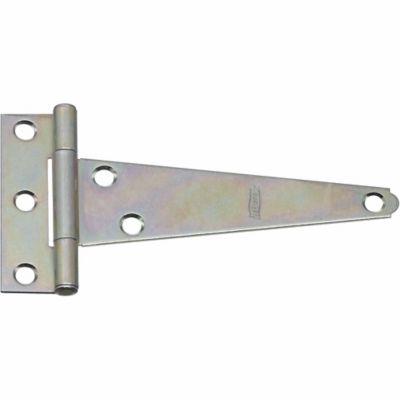
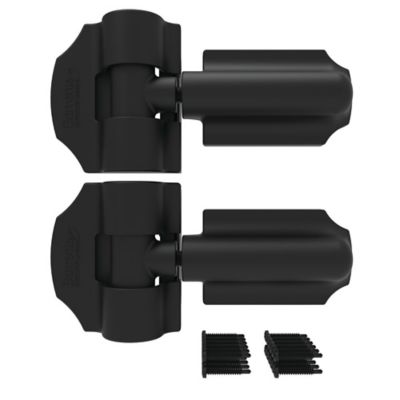
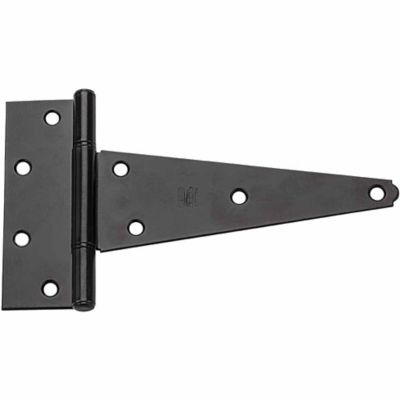
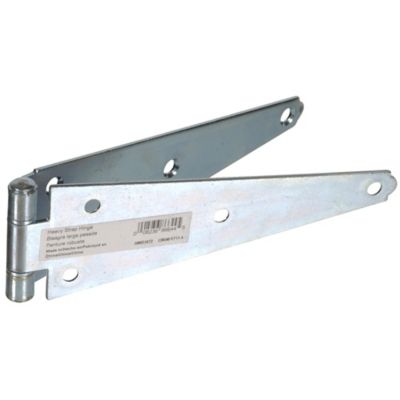
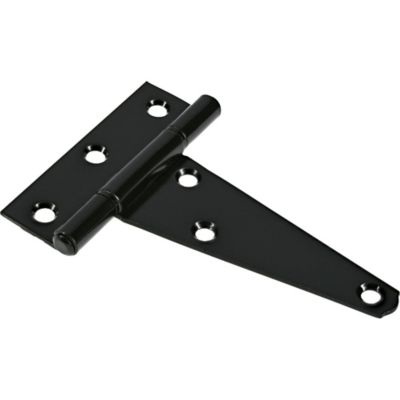
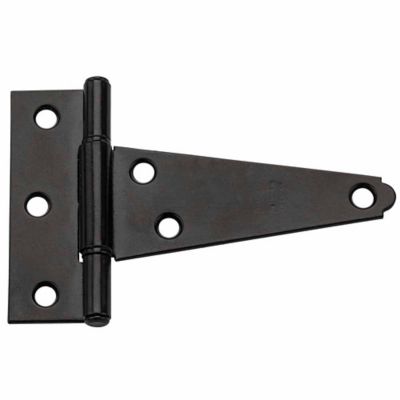
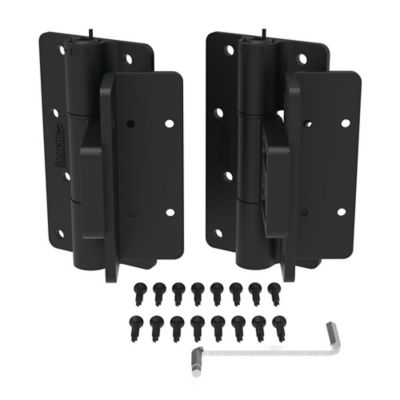
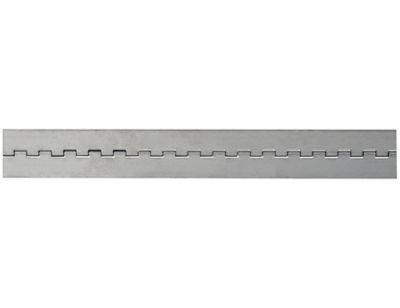
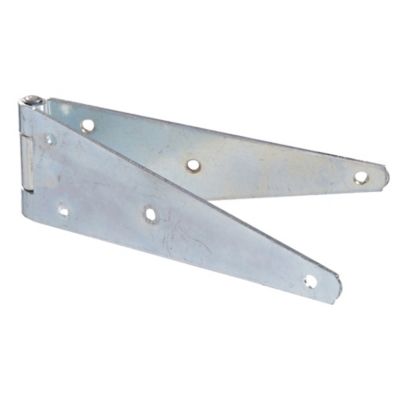
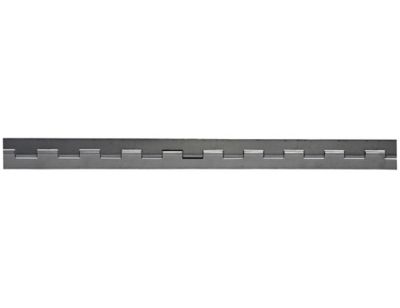
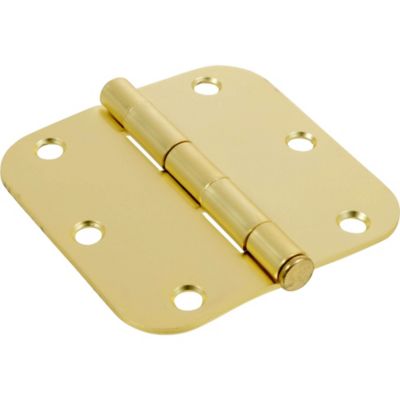
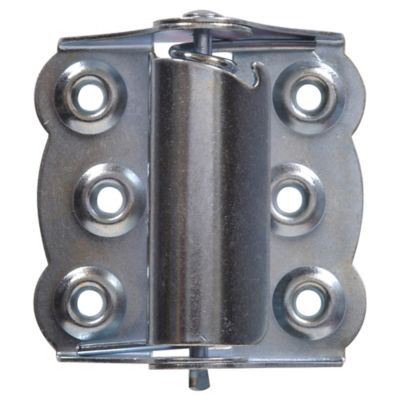
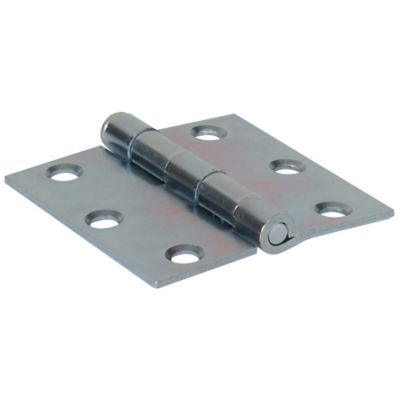
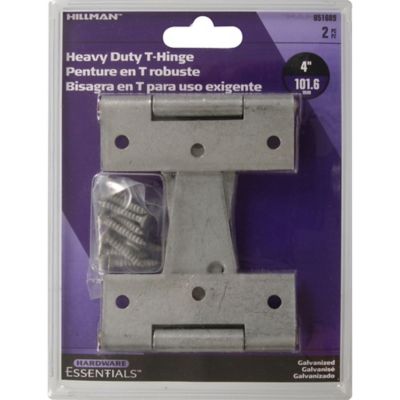
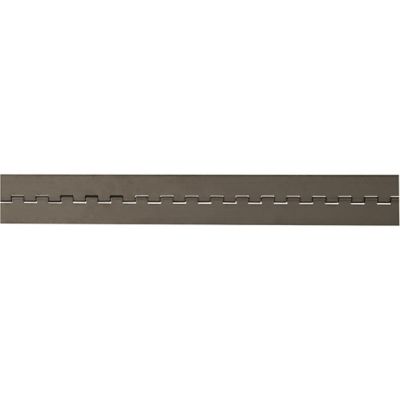
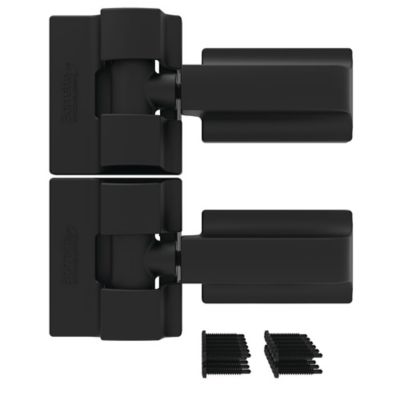
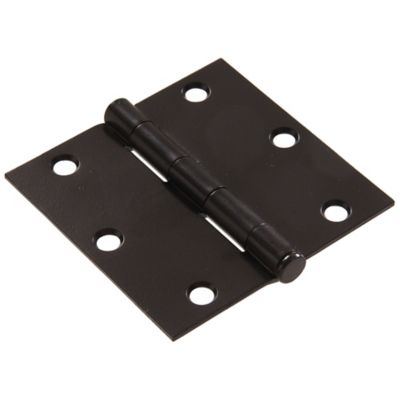
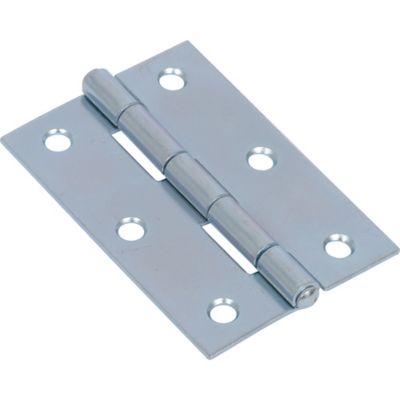
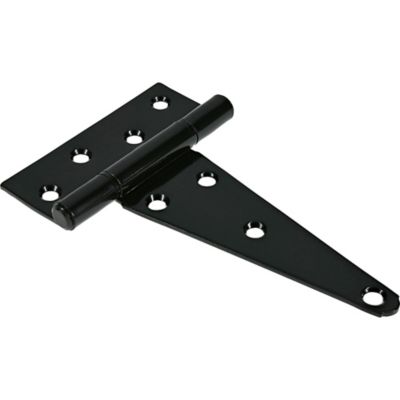
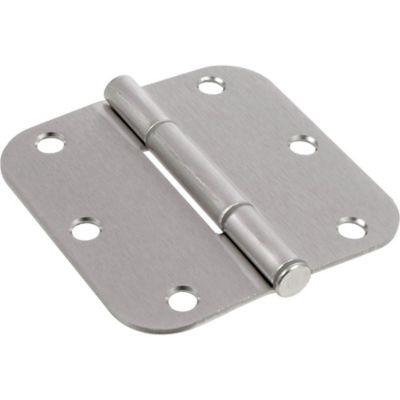
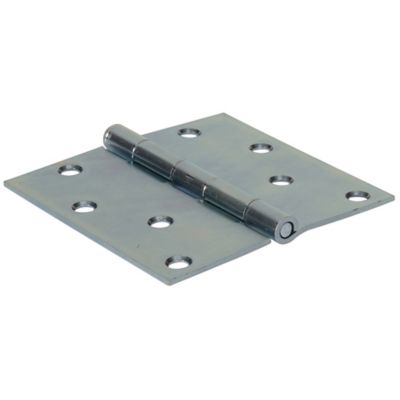
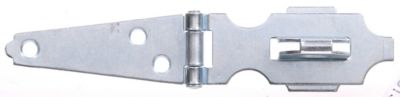
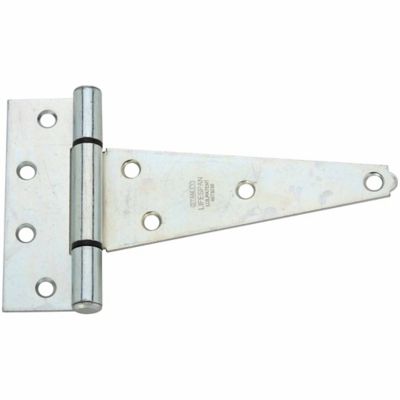
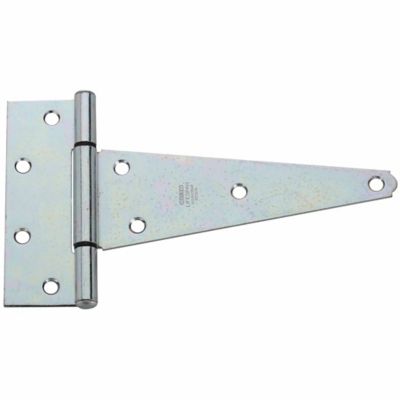
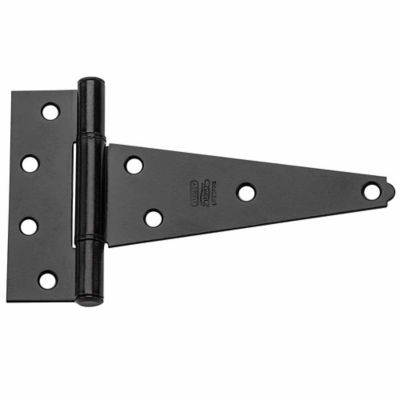
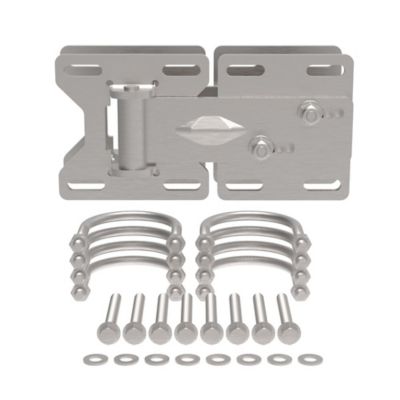
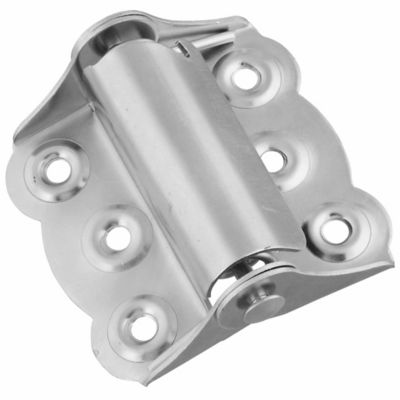
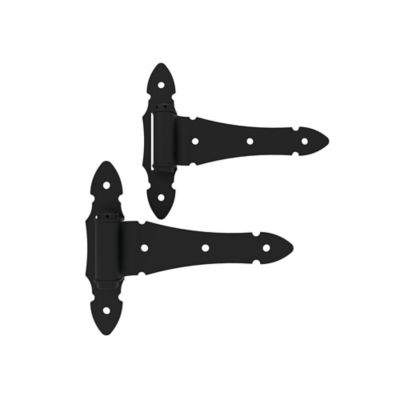
Shed door hinges connect a door to its frame, carry its weight and let it swing clear of the opening. On a tool shed, feed storage building or backyard workshop, that hardware does a steady job every time someone heads in for a shovel, rolls out a mower or carries a sack through the doorway. The main shed hinge styles include T-hinges, strap hinges and butt hinges, each with a different mounting footprint. T-hinges, also called tee hinges, pair a long leaf that reaches across the door with a shorter mounting plate at the jamb. That shape can suit a plank door with a narrow frame, provided the plate fits the mounting surface and the fasteners reach sound material. Strap hinges have elongated leaves that spread attachment points farther across the door and supporting structure. They suit broad mounting surfaces and give shed doors a familiar farm-building look, though strap length alone does not establish how much weight a hinge can carry. Butt hinges have two compact leaves joined by a pin and barrel; depending on their design, they may sit in shallow recesses or mount directly to suitable surfaces. Their smaller footprint works well where broad straps would interfere with trim or where less visible hardware is preferred. The right match depends on the door’s construction, dimensions and weight, along with the strength of the jamb. A light plywood door and a wide, braced lumber door put different demands on their hinges, even if both cover a similar opening. For replacement work, the existing hinge footprint, hole pattern and pin position help narrow the fit. For a new shed door, the hinge style belongs in the same conversation as the frame, bracing and latch. Those parts work together: a hinge supports movement, but it cannot make a loose frame or poorly braced door hold its shape.
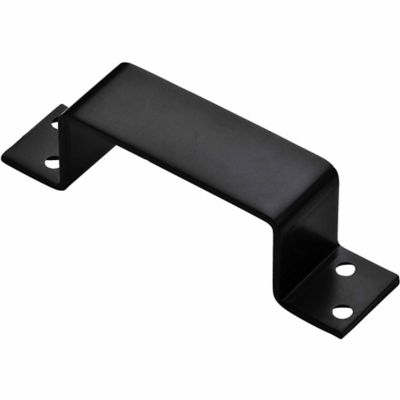
Material and finish affect how shed door hinges stand up to regular handling and surface corrosion. Steel is common for its strength, while galvanized coatings, zinc plating and painted or powder-coated finishes offer different forms of surface protection. These finishes are not interchangeable, and their suitability depends on the coating specification and intended application. Stainless steel offers corrosion resistance through the metal itself, although the grade and surrounding conditions still matter. Black finishes can blend with dark handles and latches or stand out against plain lumber; metallic finishes leave the hardware more visible without adding another painted detail. Beyond appearance, hinge leaf thickness, pin construction and the manufacturer’s load rating deserve attention. A rating may apply to a specified hinge count, door size or mounting arrangement rather than to every possible installation. Door width matters as well as weight because a wider door places more leverage on the hinge side. A broad double-door opening for lawn equipment may need a different setup from a narrow walk-in entrance, and each leaf of a double door needs support suited to its own size. Fasteners are another part of that support. Their diameter, length, head shape and material need to match the hinge and mounting surface, with enough purchase in the framing or door rails to hold securely. Thin siding and the unsupported edge of a sheet panel do not provide the same holding strength as solid structural lumber. Through-bolts can be appropriate for some assemblies when the hardware instructions and door construction allow them. Hinge length should also work with the location of horizontal rails or blocking, rather than merely reaching across the face of the door. When replacing old hardware, enlarged holes, split boards or movement at the jamb can explain recurring sagging. Addressing those underlying conditions helps the replacement hinges do their job instead of asking new metal to compensate for weak wood.
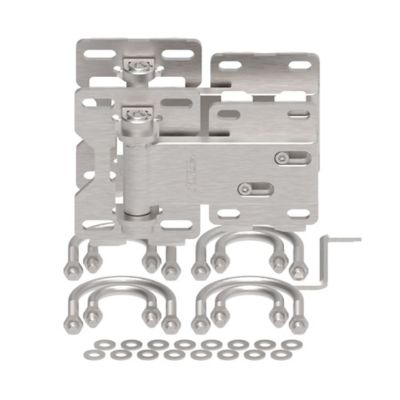
Fit shows up in everyday details: whether the door clears its trim, whether the latch meets its catch and whether the opening leaves enough room to carry equipment without bumping a door edge. Surface-mounted shed door hinges need space for their leaves and barrels, while recessed hinges require compatible door and jamb edges. The pivot location affects clearance, especially on doors with overlapping boards, thick trim or raised bracing. Swing direction and handing matter on designs that are not reversible, so matching the hardware to an inward- or outward-swinging door prevents an awkward fit. The desired opening angle matters, too. A door beside a fence or another building may have limited travel, while a mower shed entrance may benefit from doors that swing farther out of the path. Hinges do not automatically hold a door open; a suitable stop or hold-open fitting serves that separate purpose and helps keep the hinge assembly from taking unnecessary strain. On outward-opening storage doors, accessible hinge pins can also be a security consideration. Nonremovable-pin or security-style designs may help address that concern when paired with a sound frame and an appropriate locking arrangement. For a larger framed opening or another outbuilding project,
Barn Door Hinges offer a related hardware category, though suitability still comes down to the stated application, mounting pattern and load requirements. Once fitted, shed hinges benefit from occasional attention to loose fasteners, pin wear, damaged finishes and debris around the moving joint. Lubrication should follow the manufacturer’s recommendations, since some hinge designs have different maintenance needs. A door that starts dragging or needs lifting to latch calls for a look at the whole assembly, not just more lubricant. For homeowners, small-acreage caretakers and folks maintaining several outbuildings, properly matched hinges make routine access less of a chore. The practical payoff is a door that moves smoothly, meets its latch without a wrestling match and leaves the doorway clear for the work at hand.