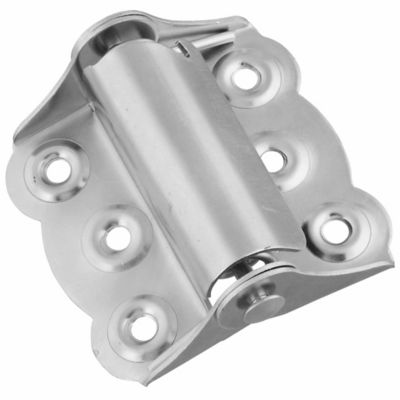
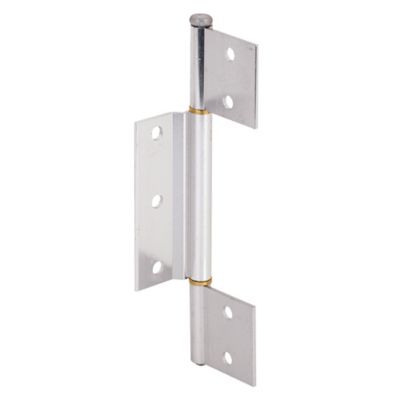
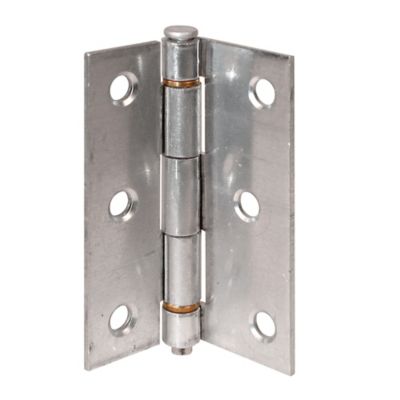
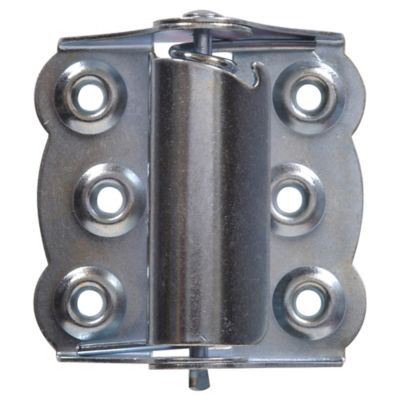
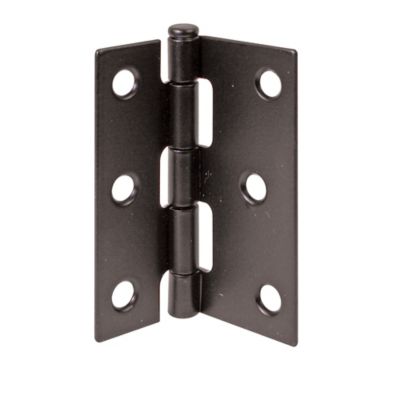
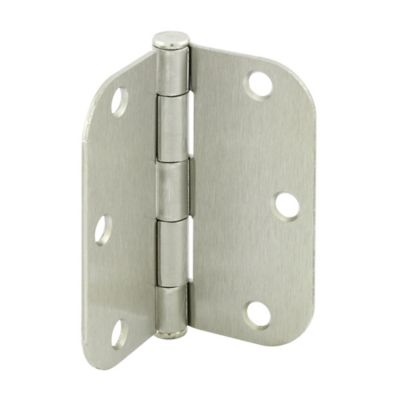
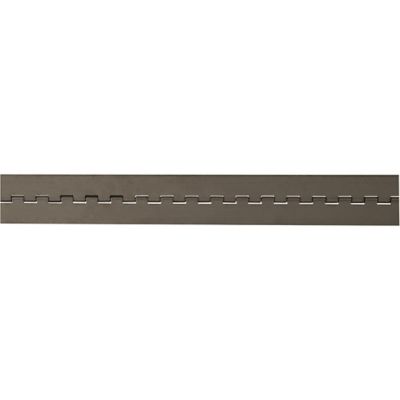
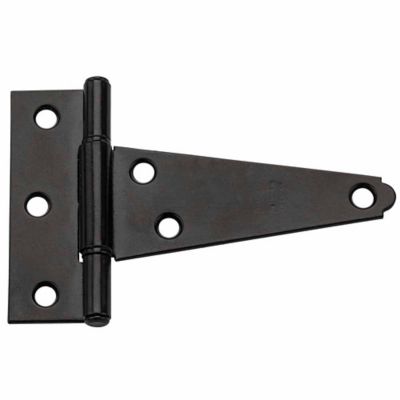
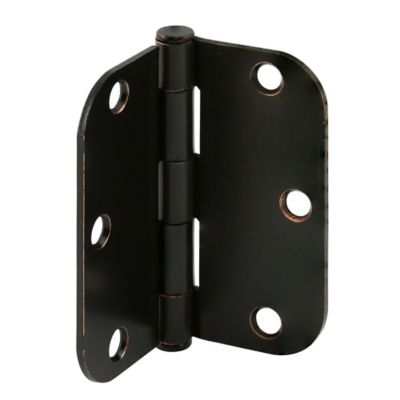
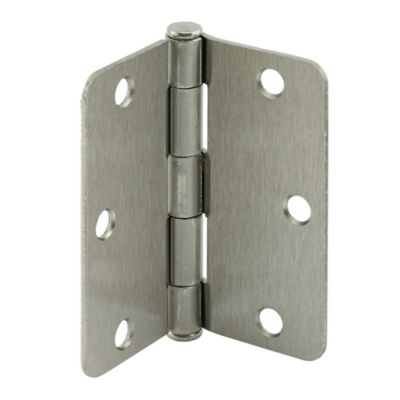
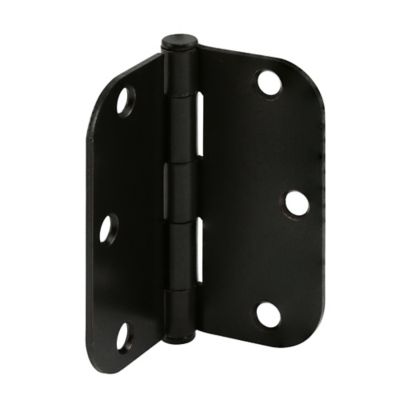
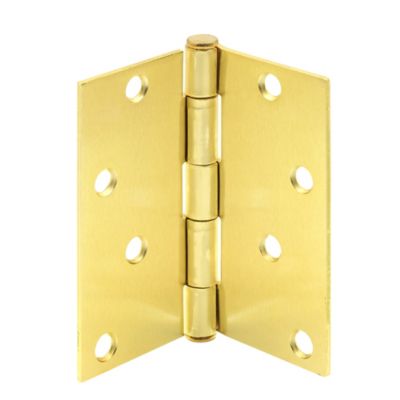
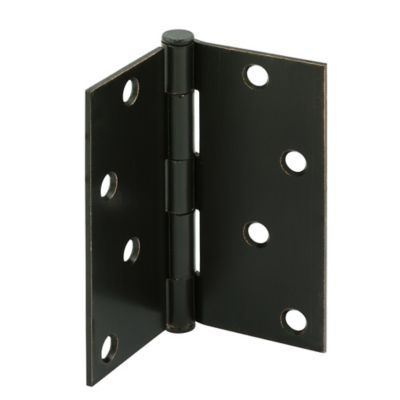
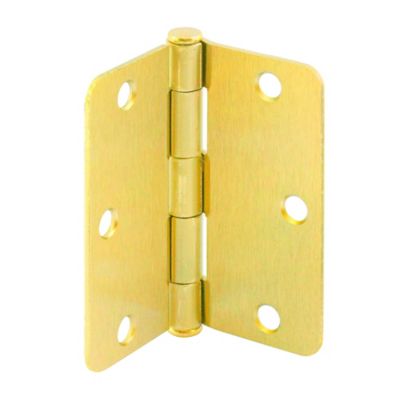
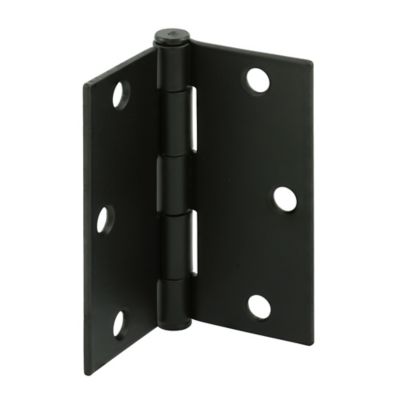
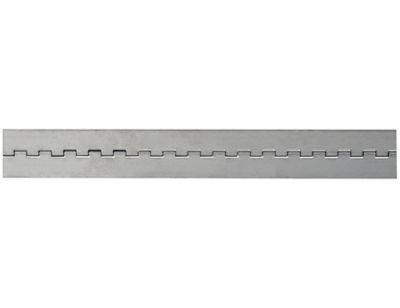
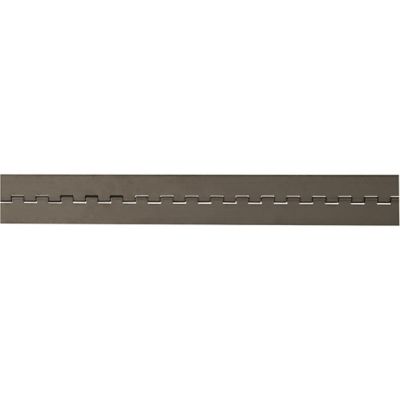
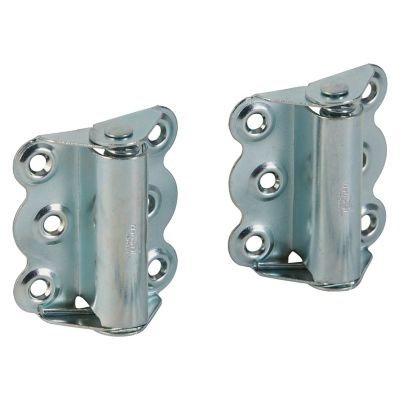
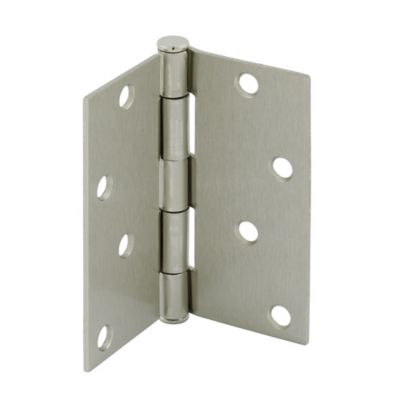
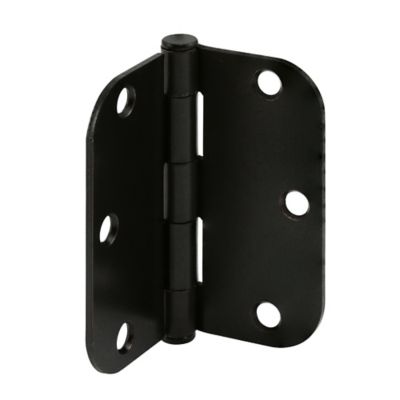
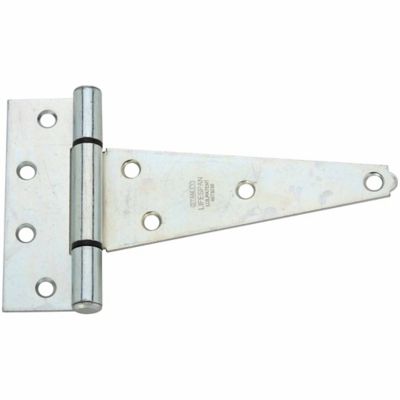
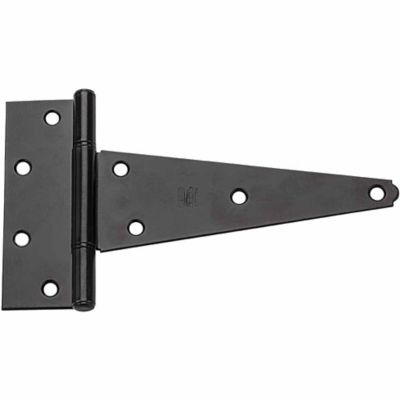
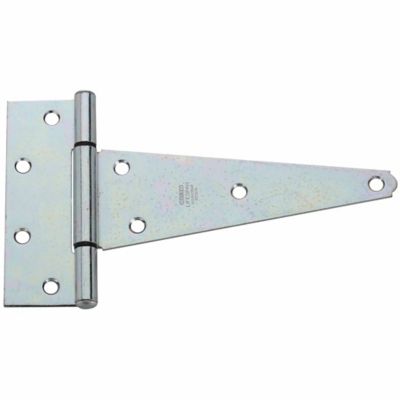
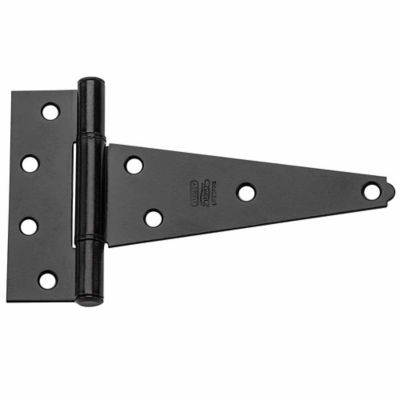
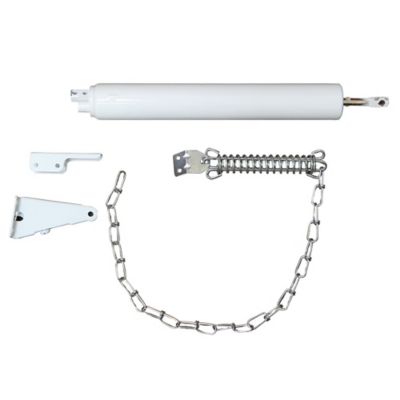
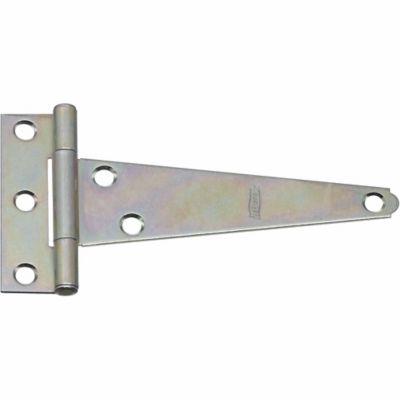
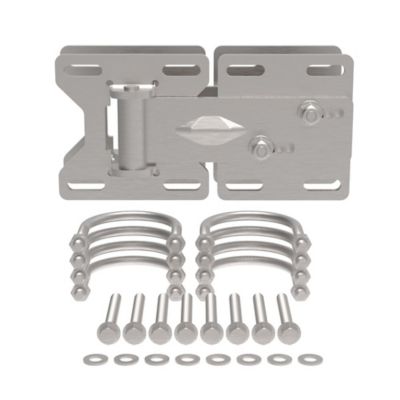
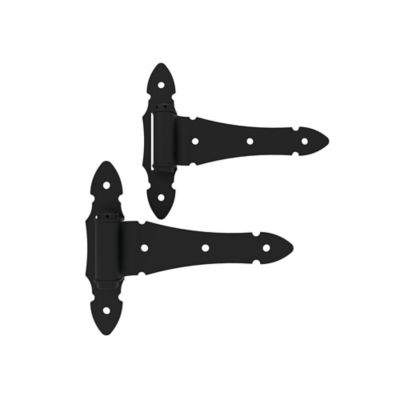
Storm door hinges help a screen or storm door swing smoothly, stay aligned and close properly through changing weather. They are especially useful on entry doors that see steady traffic from family, pets, muddy boots and farm chores. A worn hinge can show up as a door that sags, rubs against the frame, swings open in the wind or refuses to latch. Replacing the right hinge or hinge part can help keep outdoor air, dust and insects where they belong while making the entryway easier to use. Storm door hinge designs vary, so start by looking at how the existing door is attached. Many storm doors use a continuous piano hinge or a specialized Z-bar hinge rail that runs along much of the door’s edge instead of using several separate butt hinges. A continuous hinge spreads the door’s weight across a longer section of the frame, while a Z-bar system uses an integrated mounting rail with built-in hinge knuckles or pivot points. Some doors use surface-mount hinges that attach directly to the door and frame, and others use spring-loaded or self-closing hinges that help pull the door shut after someone walks through. Matching the replacement style to the original setup is one of the most important steps. Measure the hinge length and width, note the hinge side of the door, and inspect the spacing of screw holes before ordering. It also helps to check the door’s model or serial information, which may be found on a label near the frame, so a replacement rail or specialty part fits as intended. If the door is heavy, has a full glass panel or regularly takes a beating from wind, look for sturdy construction and mounting hardware made for the load. For additional options used on heavier entry and utility doors, browse
Heavy Duty Door Hinges.
Not every storm door hinge problem calls for a complete replacement. If the hinge rail remains straight and firmly attached but the door has developed play, a small hinge pin, spring or bushing may be the part that has worn out. Hinge pin kits and related repair parts can restore the pivot point without removing the entire door, which may save time when the rest of the frame is in good shape. Look for loose fasteners, enlarged screw holes, cracked metal, bent hinge knuckles or dark, worn spots where metal has been rubbing. A door that was caught by a strong gust can have a bent hinge area even when the damage is not obvious at first glance. Before working on it, support the door so its weight is not hanging from a single fastener, and keep fingers clear of the hinge joints and closing edge. Tighten loose screws carefully, replace damaged fasteners with the proper size and use a compatible shim or filler only when appropriate for the frame material. If a hinge pin is stuck, avoid forcing it in a way that could twist the rail or crack the door frame. A light application of suitable lubricant on a clean pivot may help with squeaking, but excess oil can collect grit and should be wiped away. When a continuous rail is torn, sheared, badly bent or pulling away from the frame, a full replacement rail is generally a better choice than trying to straighten damaged metal. A bent rail can leave the door out of square, causing the latch and sweep to miss their contact points. Spring-loaded hinges also deserve careful attention because the internal tension can make removal or adjustment more difficult. Follow the hardware instructions, use eye protection and make sure the door is supported during the repair.
The right storm door hinges depend on the door’s construction, the condition of the frame and the kind of use the entryway receives. A back door near a garden, livestock area or workshop may collect more dust and moisture than a sheltered front entry, so corrosion-resistant finishes and protected mounting points can be useful. In coastal or damp locations, choose materials suited to frequent exposure to moisture, and check the hinge occasionally for rust, seized pins or water trapped around the screws. During the cooler months, a properly aligned storm door can help reduce drafts around the entry while still allowing daylight and fresh air when conditions permit. In windy country, a closer, hold-open feature or self-closing hinge can help keep the door from swinging hard against the frame, but the closer should be adjusted so the door latches without slamming. Families with children, older adults or busy pets may appreciate a smooth, controlled swing, while homeowners who regularly carry feed buckets, tools or firewood benefit from a door that opens cleanly and closes reliably behind them. Storm door hinges can also make a practical housewarming or home-maintenance gift for someone fixing up an older farmhouse, cabin, rental property or workshop, especially when paired with the correct measurements and door information. Before installation, compare the old and new parts side by side, confirm the hinge orientation, inspect the frame for rot or loose trim and make sure the door remains square. After the repair, test the swing several times, check that the latch engages, and watch for rubbing along the top, bottom and hinge side. A properly fitted hinge should let the storm door move steadily with no binding, excessive looseness or harsh slam, helping the entryway stand up to everyday use and the changing weather that comes with life out in the country.