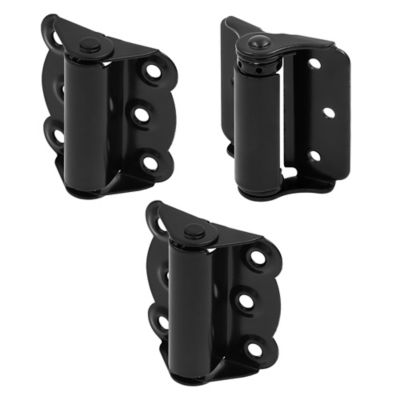
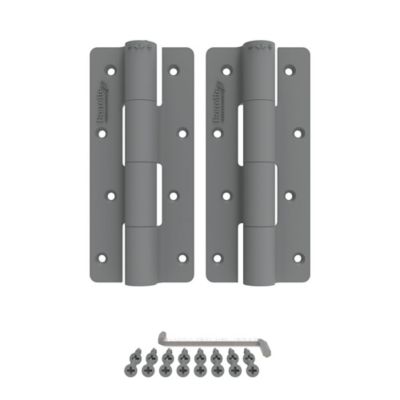
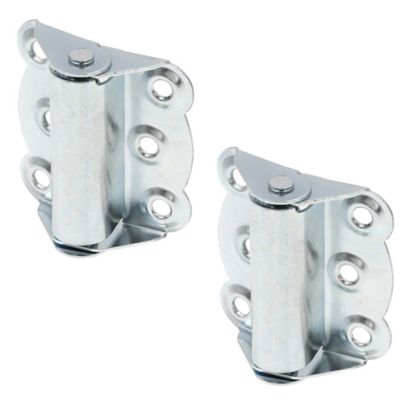
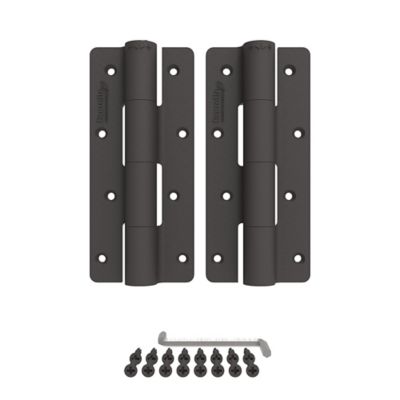
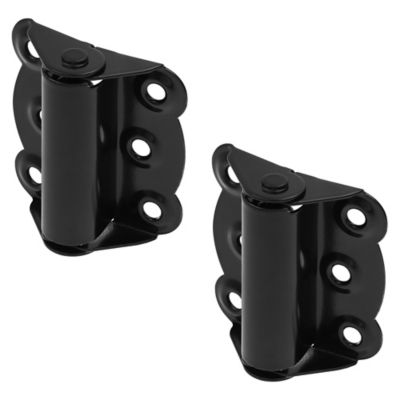
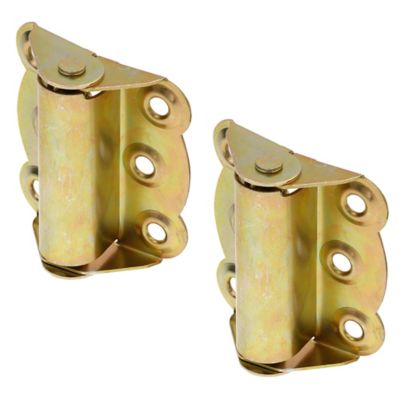
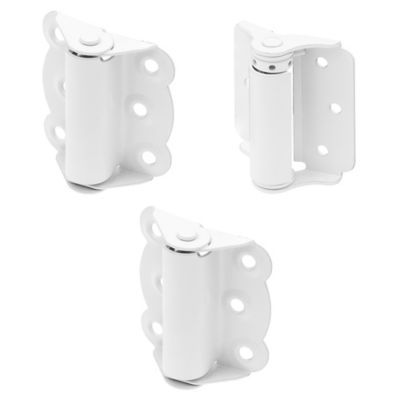
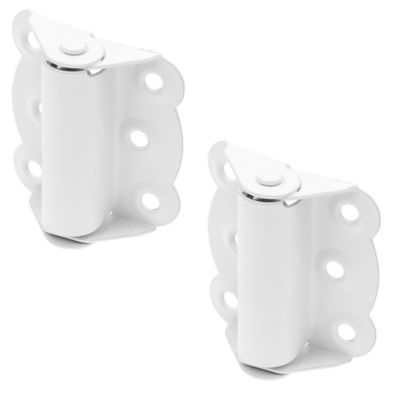
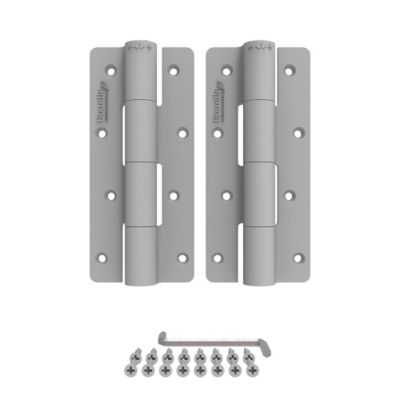
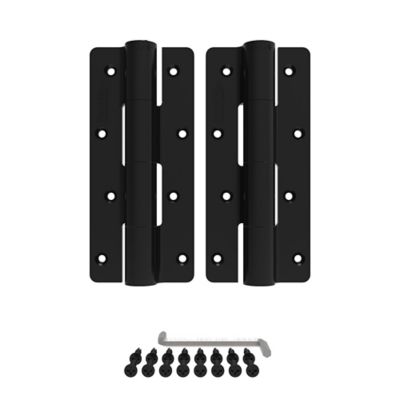
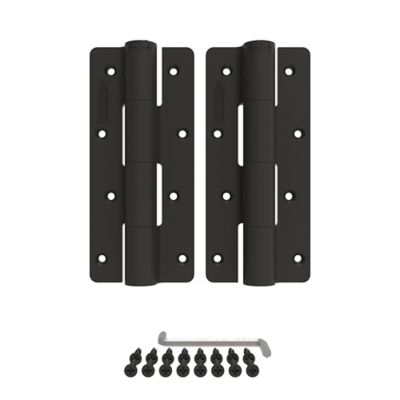
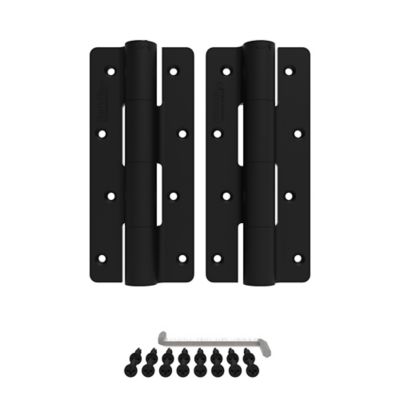
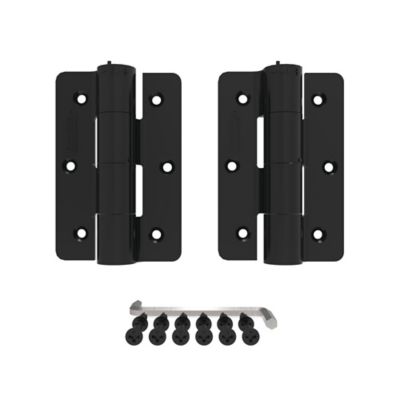
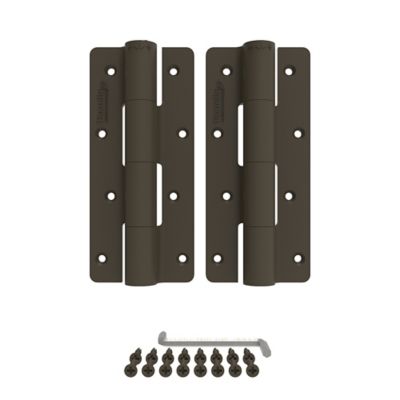
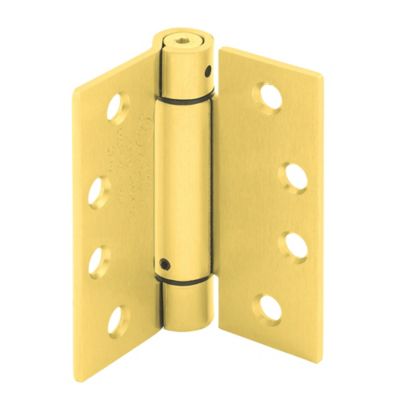
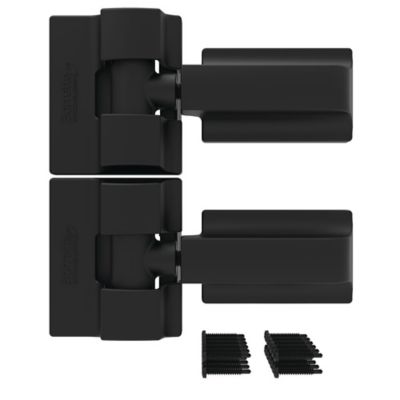
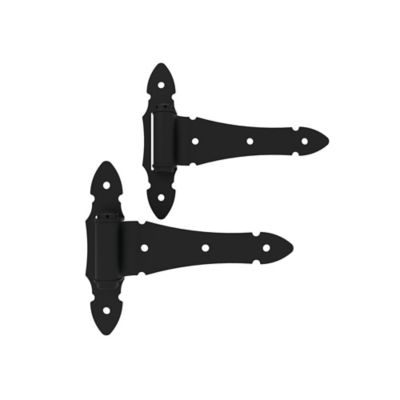
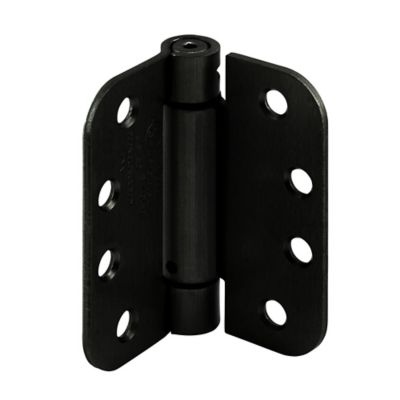
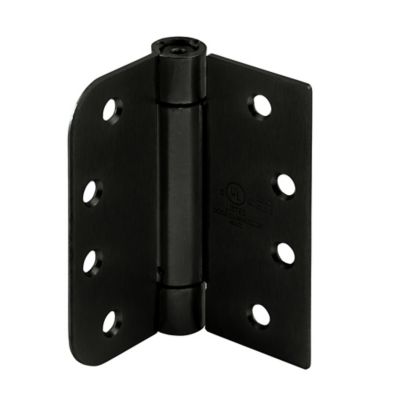
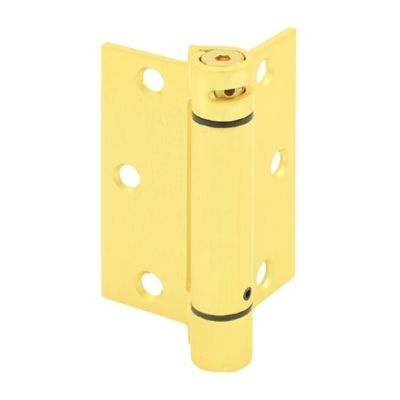
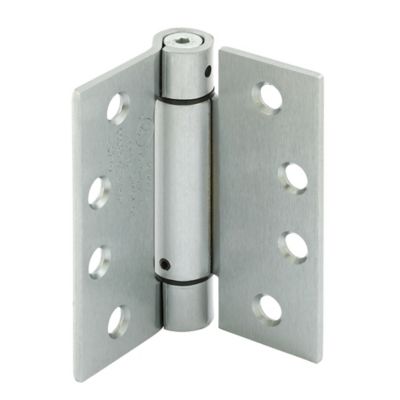
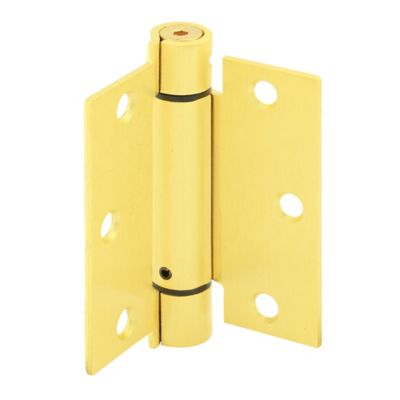
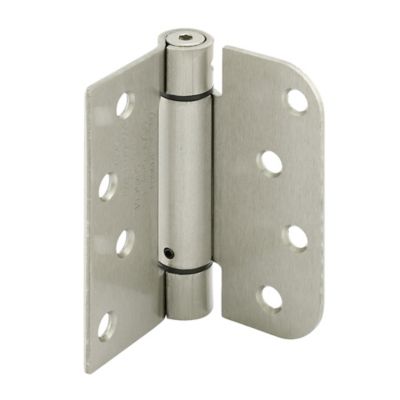
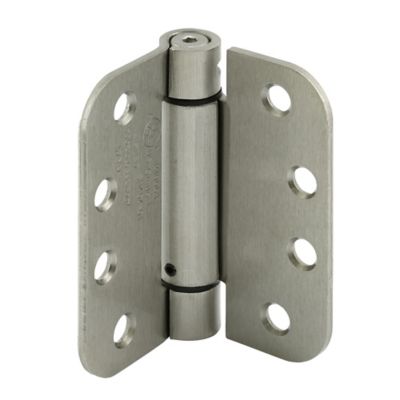
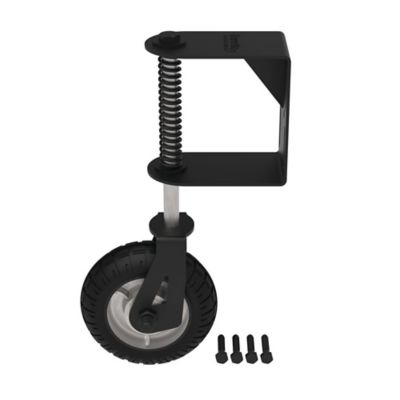
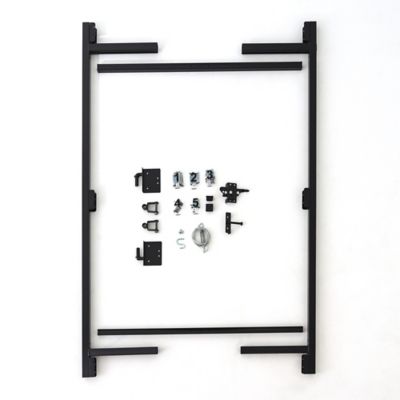
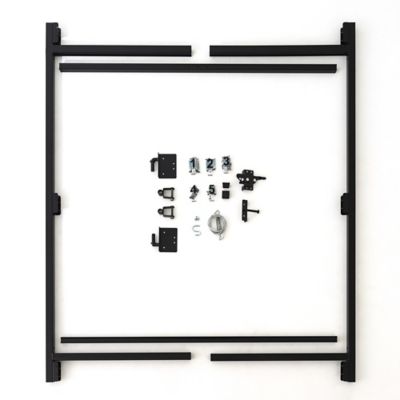
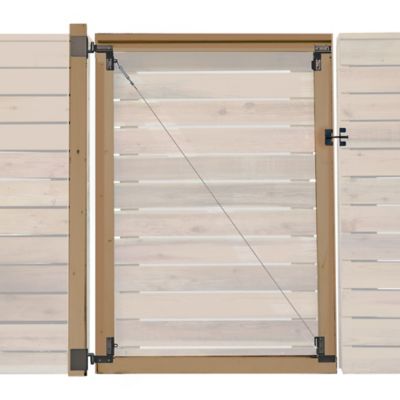
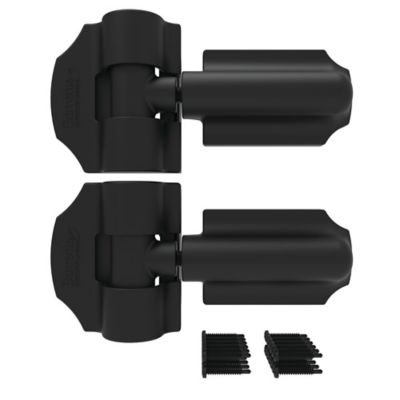
Heavy-duty self-closing hinges support a door or gate while providing closing force that brings it back toward the closed position after someone lets go. Most rely on a spring that stores energy as the opening swings, then releases that energy to move it back. Some designs combine spring action with hydraulic damping to help control the motion, while others offer adjustable spring tension without separate speed control. That distinction matters: a hinge that pulls a gate shut does not necessarily keep it from slamming, and self-closing action does not guarantee that a latch will catch. The hinge, gate frame, mounting posts and latch all have to work together. Around a farm, shop or backyard enclosure, this hardware can help keep an access point from staying open after someone walks through carrying a feed bucket or an armful of supplies. It can also suit heavier utility doors and other frequent-use openings when the hinge specifications match the job. Heavy-duty is not a single weight rating, though. Capacity depends on the hinge design, the number of hinges, the door or gate dimensions and the mounting arrangement. Materials matter as well. Steel provides strength for demanding applications, while stainless steel and corrosion-resistant finishes offer options for locations where moisture, washdowns or other exposure can affect metal. Some gate hinges have reinforced polymer bodies with metal working components; their suitability comes down to the stated load limits and intended application rather than appearance alone. A substantial-looking hinge is not enough by itself. The right match has the support capacity, closing action and mounting style needed for that particular opening, whether it leads into a workshop, divides a yard or controls access beside an animal enclosure. For animal areas, hinge performance belongs alongside sound fencing, secure latching and regular checks—not in place of them.
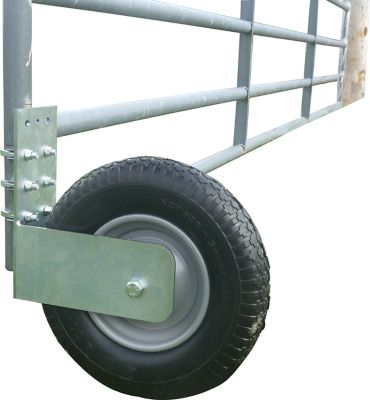
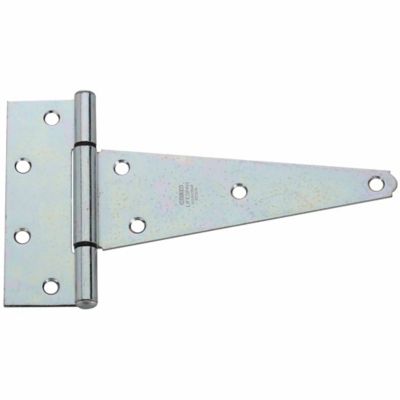
Fit starts with more than the weight of the door or gate. Width matters because a wide gate puts more leverage on the hinge connection, even when it weighs the same as a narrower one. A long, lightly built gate may also flex enough to affect latch alignment. Manufacturer ratings may specify a maximum width, a particular hinge spacing or a required number of hinges, so those details deserve as much attention as the headline load capacity. Door thickness, post size, frame material and the space between the moving panel and its support also shape the choice. Surface-mount hinges attach to the face of the structure, while mortise hinges sit in recesses cut into a door and jamb. Other gate arrangements may require mounting brackets or hardware intended for round posts, square tubing or particular frame profiles. These styles are not interchangeable just because their weight ratings look similar. On a wood gate, fasteners need solid material behind them; on a hollow metal frame, the connection may call for reinforcement or a mounting method specified for that construction. Closing force repeatedly loads those attachment points, making a sound connection especially important. A sagging post or loose frame can leave even a properly rated hinge fighting an uphill battle. Swing direction, handing, opening angle and clearance are worth checking, too. The gate needs room to travel without rubbing a post, dragging across the ground or binding against nearby fencing. Some hinges support the load and supply closing force as a matched set, while other arrangements combine spring hinges with compatible supporting hinges. Adding another spring hinge does not automatically solve a support problem or improve the closing action. For fire-rated doors and other code-regulated openings, the complete opening and its hardware must meet applicable requirements; a self-closing feature alone does not establish compliance. These details help distinguish hardware suited to a particular application from hardware that merely looks close.
Adjustability can make a practical difference when the same opening serves several tasks through the day. A gate beside a feed room needs enough closing force to overcome normal hinge friction and engage its compatible latch, but excessive tension can make it harder to open and put unnecessary strain on the mounting points. A lighter panel may need a different setting than a heavier framed gate.
Adjustable Self Closing Hinges provide options for applications where the closing force needs to be set within the hardware’s specified range. Tension adjustment and closing-speed adjustment are different features, so the mechanism’s description matters when controlled movement is part of the job. Some designs also permit alignment adjustments that help position a gate relative to its post and latch. Those adjustments cannot compensate for a failing post, a twisted frame or a hinge carrying more than its rated load. For ongoing care, a clear swing path and clean working parts help the mechanism do its job. Dirt, bedding, feed dust and other buildup can interfere with movement around a busy barn or work area. Lubrication requirements vary: some metal pivot points call for a specified lubricant, while certain enclosed or polymer-bearing designs have different maintenance needs. Following the manufacturer’s care directions helps avoid applying a product where it does not belong. Periodic checks of fasteners, alignment, spring action and latch engagement can reveal trouble before a gate begins dragging or hanging open. Worn components, loose attachments and damaged finishes also deserve attention, particularly where cleaning routines expose hardware to moisture. A practical match balances support, manageable opening effort and consistent return movement without asking the closing spring to straighten the gate or hold up a loose post. That is what makes heavy-duty self-closing hinges useful around working properties: they handle a repeat task while fitting into an access setup built for the load, the traffic and the people passing through.