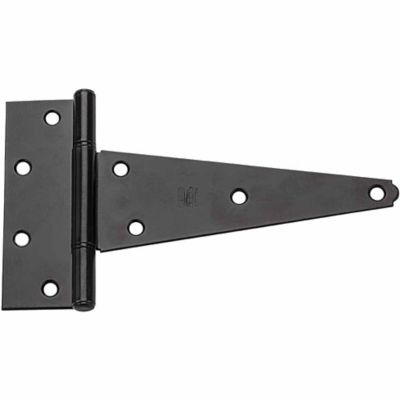
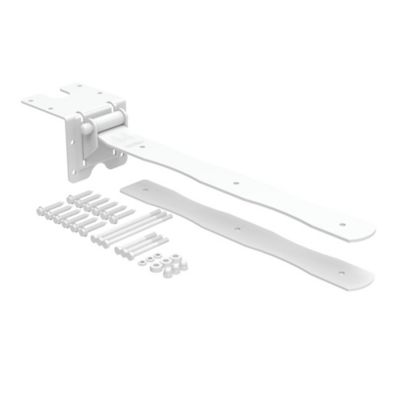
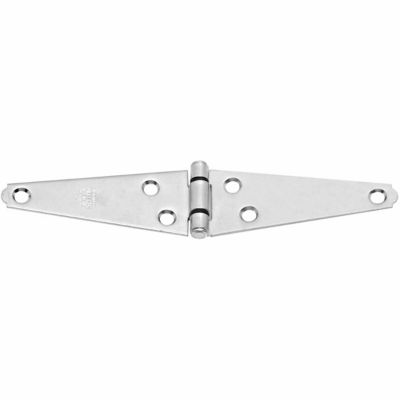
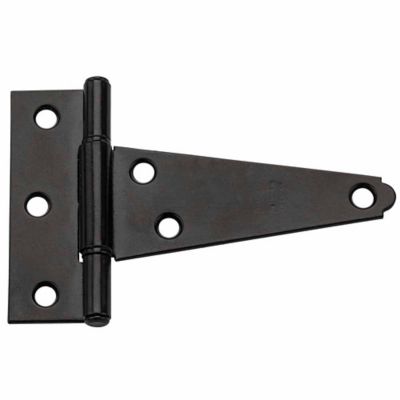
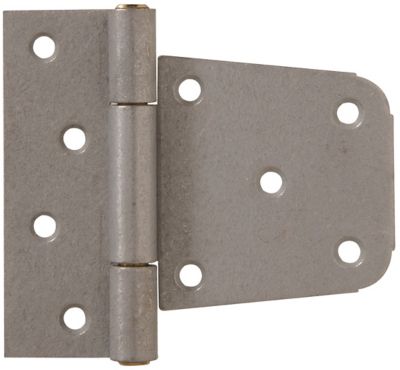
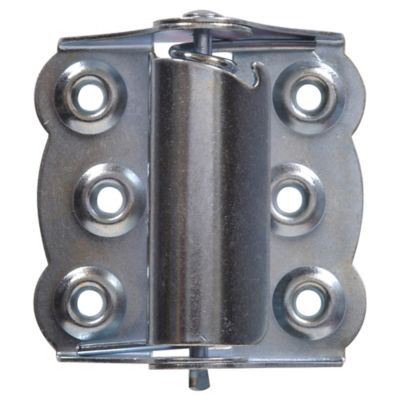
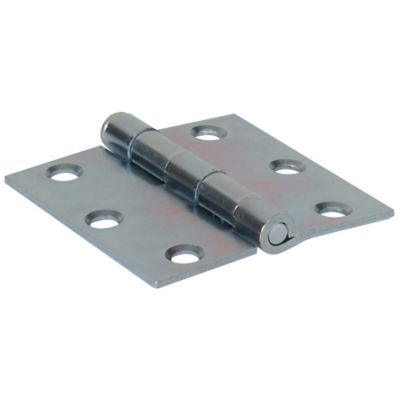
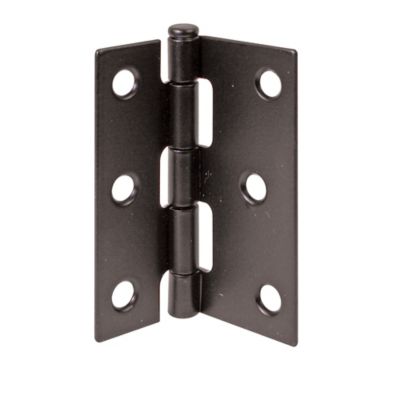
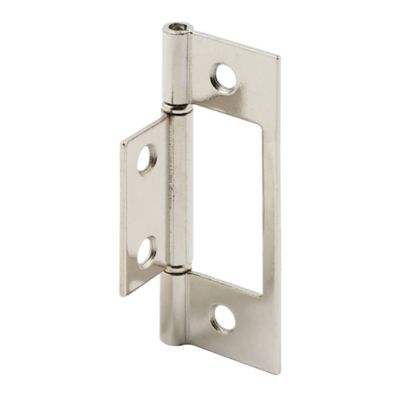
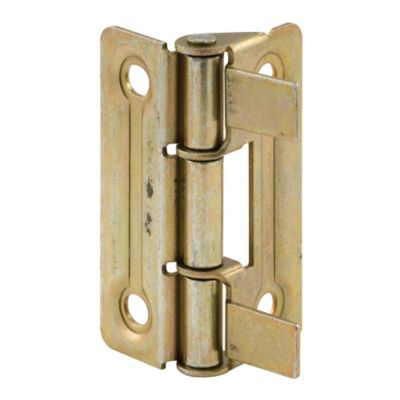
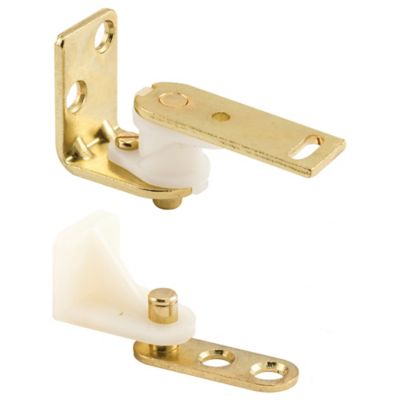
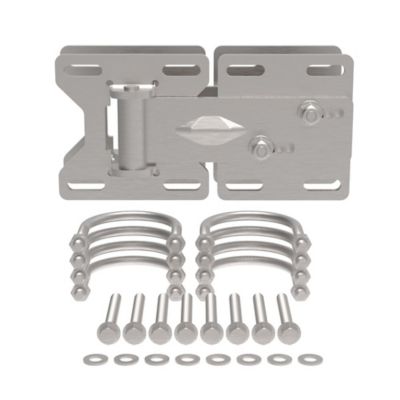
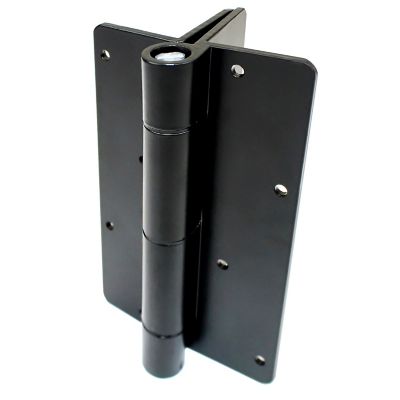
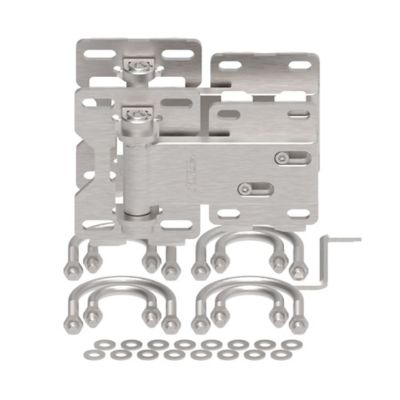
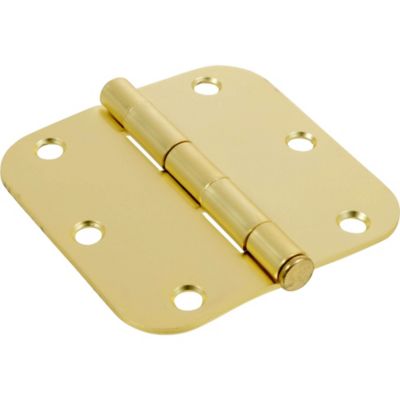
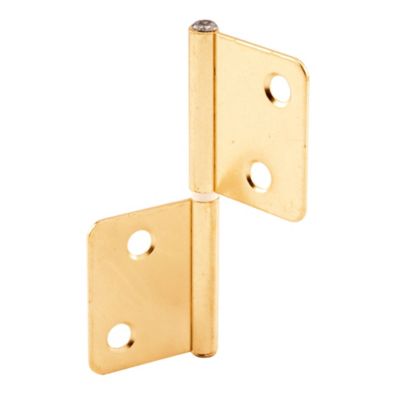
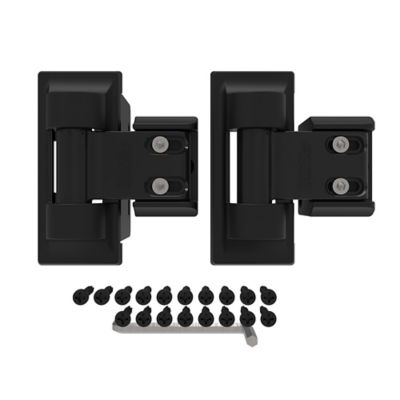
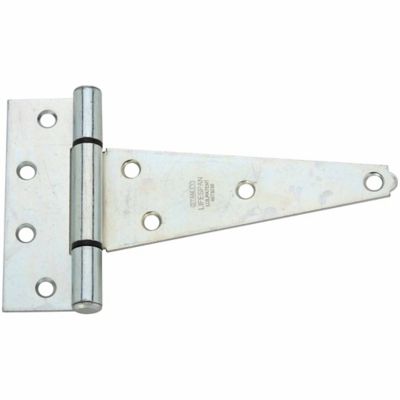
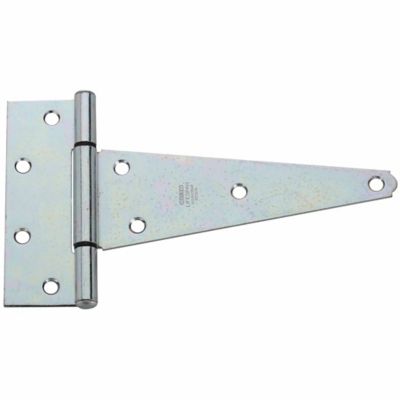
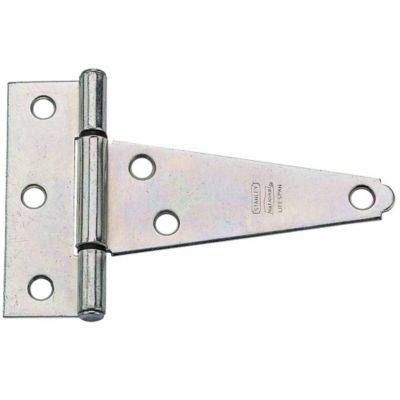
Barn door hinges give a swinging door its connection to the frame, supporting the door while allowing it to open and close around a fixed pivot. They belong on hinged barn doors, shed doors, workshop entrances and similar openings where the door swings rather than travels along a track. Sliding barn doors rely on rollers and track hardware for support; any hinge-shaped accents on those doors are for appearance, not carrying the door’s weight. For a working barn, the right hinge style depends on the door’s construction, width, weight and mounting surface. Strap hinges have long metal leaves that extend across the door face, spreading attachment points over a larger area than a compact hinge. That layout can suit broad plank doors, especially when the fasteners connect to substantial rails or blocking behind the boards. T-hinges pair a long door-side strap with a shorter frame-side plate, making them a familiar choice for sheds, storage buildings and other swinging wood doors. Hook and band hinges, also called pintle hinges, pair a strap or band with a pin mounted to the frame or post. Some allow the door to lift off the pins, a useful feature where removing a panel makes room for equipment or repairs, though lift-off designs may need added protection against unwanted removal. Butt hinges fit along the door edge and jamb and can suit framed doors with enough material at those attachment points. Each design has its place, from a small feed-room door opened several times a day to a broad equipment-room entrance. A long strap alone does not establish how much weight a hinge can carry. Metal thickness, pin construction, fastener pattern and the manufacturer’s stated load limits all matter. Hardware that looks right on a plank door still needs the strength and mounting arrangement for the work that door does.
Fit starts with more than matching the outline of an old hinge. Door width affects the leverage placed on the hinges, so two doors of the same weight can put different demands on their hardware. A wide door reaching well beyond its pivot creates more leverage than a narrow one, and a door opened repeatedly throughout the day adds another consideration. Hinge ratings should match the application, including any stated limits for door dimensions, hinge quantity and mounting method. Some ratings apply to a pair or set rather than a single hinge, making the details worth checking before matching hardware to a door. Strap length should also fit the door’s rails and frame layout, not simply cover a pleasing portion of its face. Fasteners need sound material beneath them; thin facing boards or split jambs cannot provide the same hold as solid framing. Through-bolts may be appropriate for some heavy wood doors when the hardware instructions and door construction allow them, while other hinges call for specified screws or lag fasteners. There is no single hinge count or spacing rule that fits every barn door. The manufacturer’s requirements and the condition of the opening take precedence over a general rule based only on door height. Clearance matters just as much when a door sits beside projecting trim, a stone foundation or a nearby fence. The hinge’s pivot location and offset determine how the door clears the jamb and surrounding surfaces as it swings. Surface-mounted and recessed hardware do not fit every opening the same way, and certain designs have a required handing or orientation. On a pair of barn doors, both leaves need room to move without binding at the center or dragging across the threshold. These details make a difference when carrying a feed sack through a narrow opening or backing a cart out of a workshop. A properly matched hinge supports the movement without forcing the latch to pull a sagging door back into place.
Materials and finishes help determine how barn door hinges hold up around livestock buildings, tool sheds and busy work spaces. Steel is common for its strength, but bare steel needs protection from corrosion. Zinc plating, galvanizing and powder coating offer different forms of surface protection, and the finish should suit the exposure and maintenance demands of the location. Stainless steel can be another option where moisture is a concern, although corrosion resistance varies by alloy and exposure. No finish makes every hinge maintenance-free, particularly where surfaces rub together or a coating gets scratched. Matching fastener materials and following the hardware maker’s recommendations also helps avoid compatibility problems. In a barn aisle, airborne dust and bits of bedding can collect around hinge joints; near a wash area, repeated contact with water makes corrosion resistance especially relevant. Routine care generally includes clearing away buildup, checking for loose fasteners and watching for wear around the pin or mounting holes. Lubrication should follow the manufacturer’s directions, since some hinge designs have different service needs. A door that begins scraping the floor may have worn hardware, but loose framing, damaged wood or movement at the post can create the same symptom. Replacing the hinge alone will not correct a weak mounting point. Appearance still has a place alongside function: a broad black strap stands out against natural wood, while a smaller hinge leaves more of the door face visible. Farm owners, horse owners and folks keeping a workshop in shape may favor different looks, but smooth movement and secure attachment remain central to each setting. Hinge selection also connects with the rest of the door hardware. Compatible
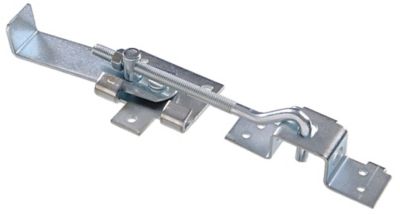
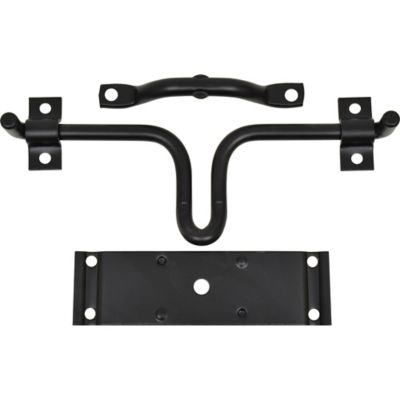
Barn Door Latches hold the door closed, while suitable stops or holdbacks help control its travel when open. Hinges carry and guide the door; latches and stops handle separate jobs. Matching those parts to the opening creates a practical setup for everyday trips between the barn aisle, storage room and workbench.