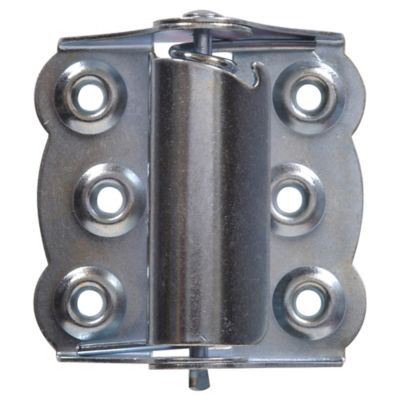
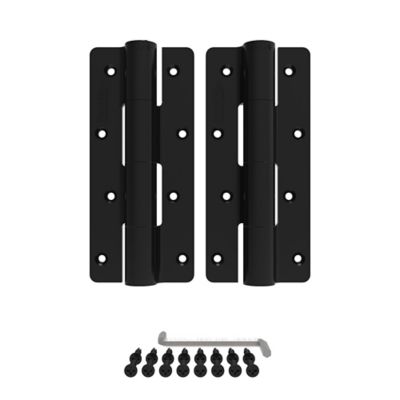
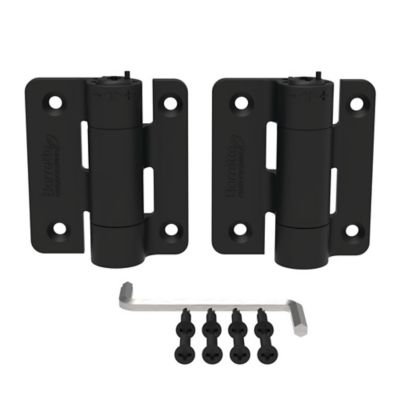
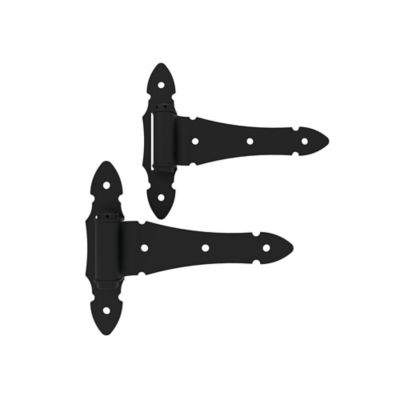
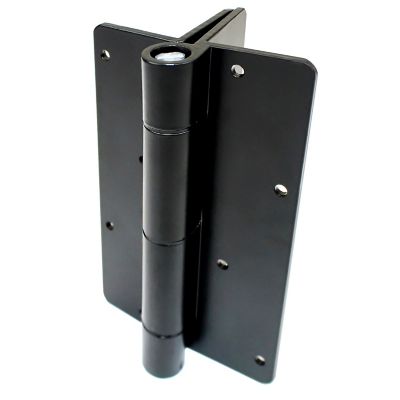
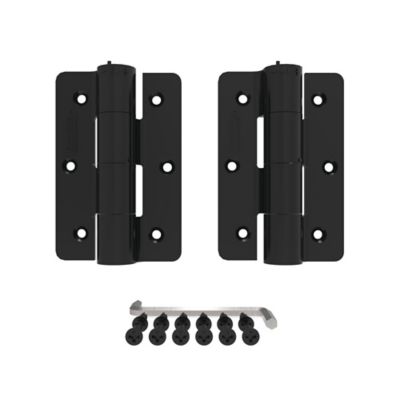
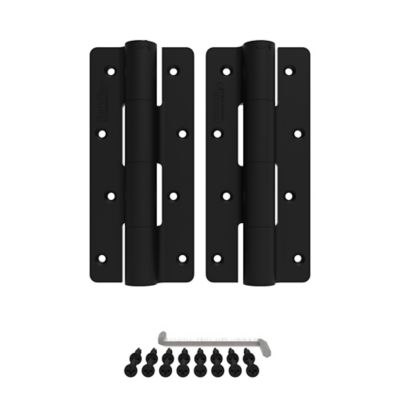
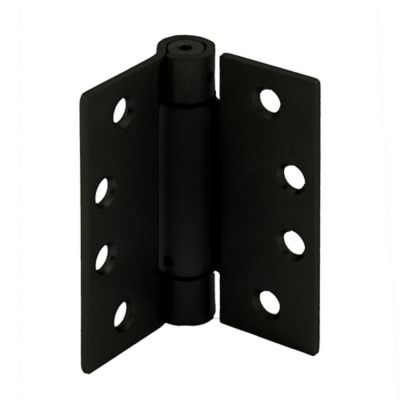
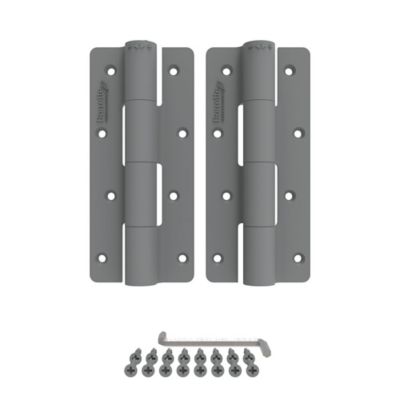
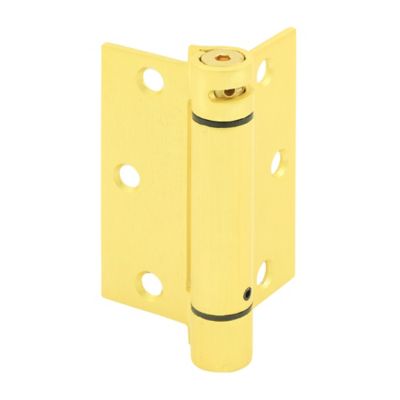
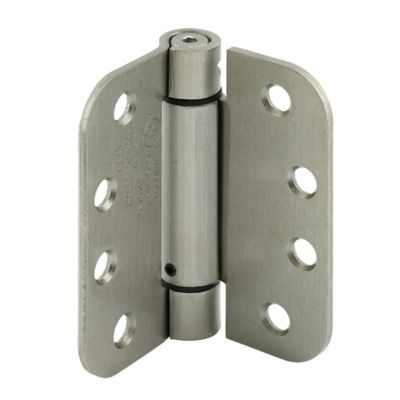
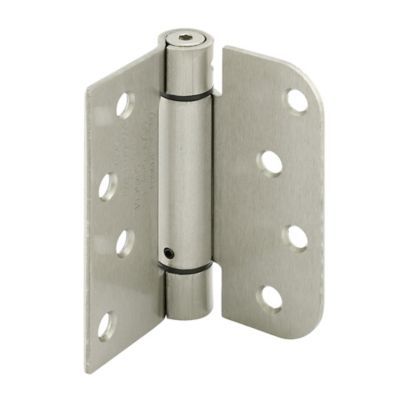
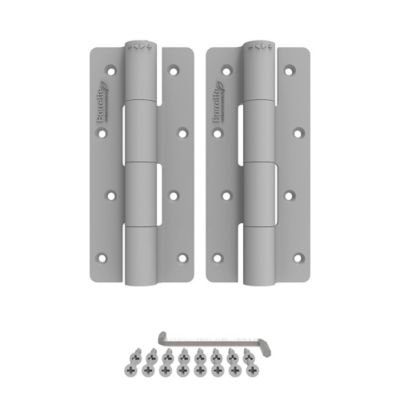
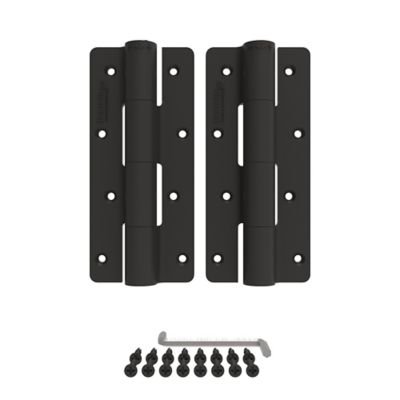
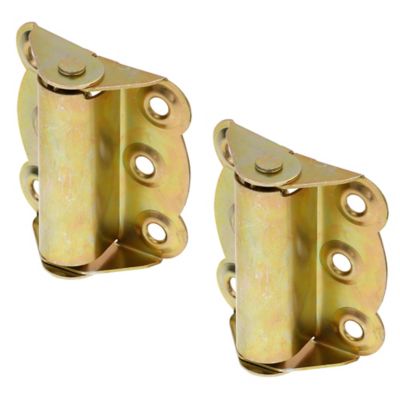
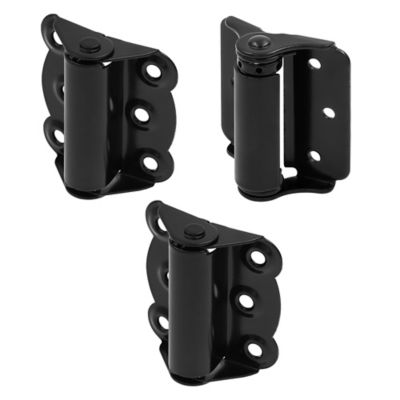
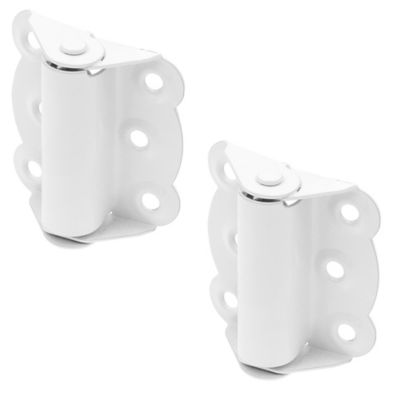
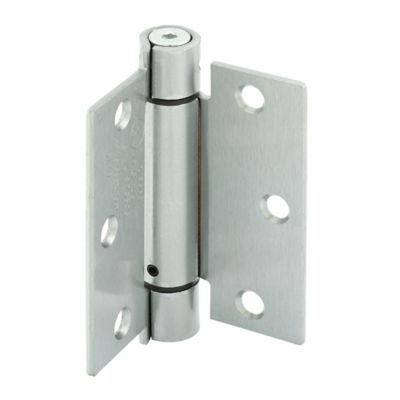
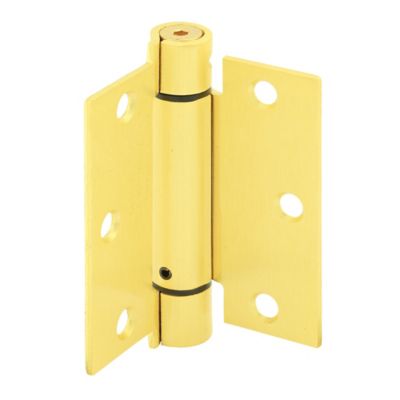
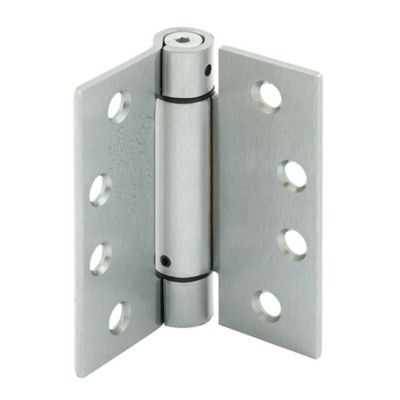
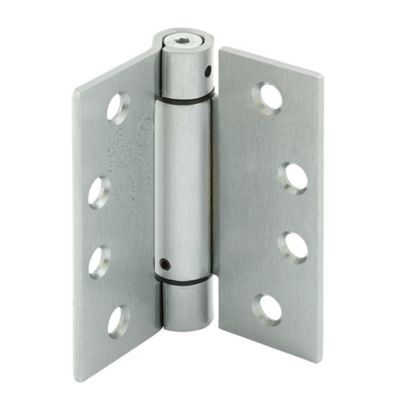
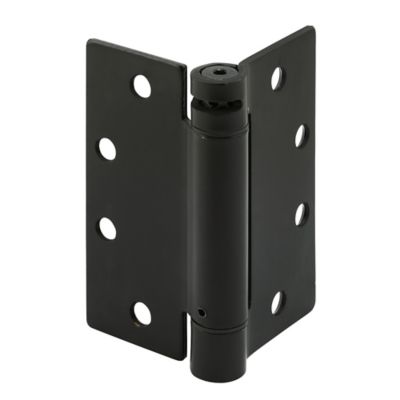
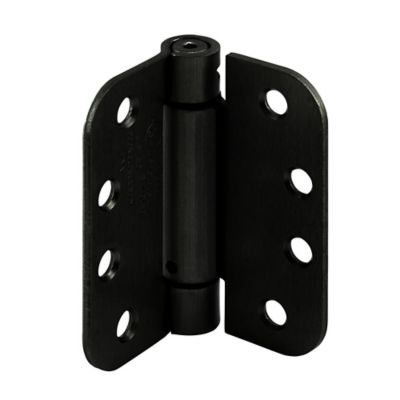
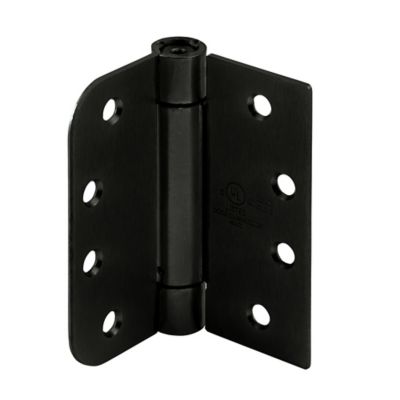
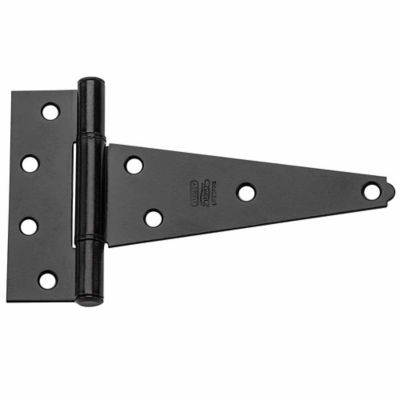
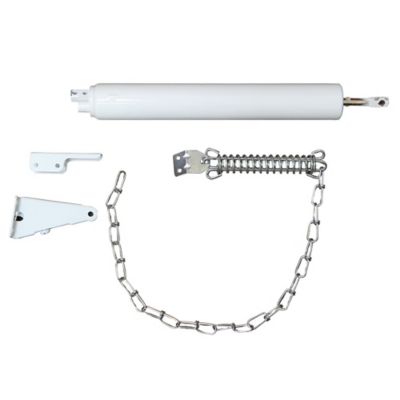
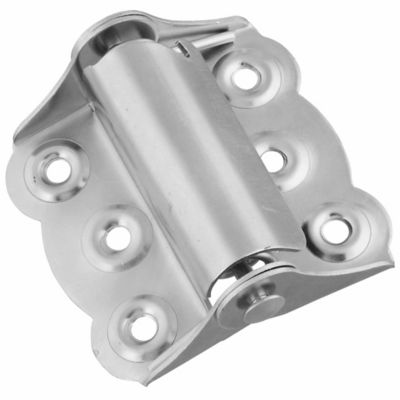
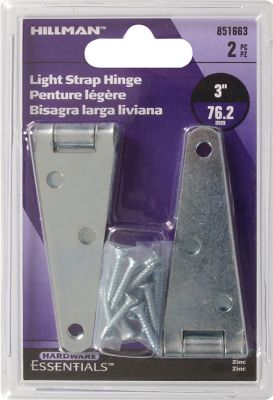
Adjustable self-closing hinges are a practical choice for doors and gates that need to shut on their own after someone walks through. Instead of relying on a person to pull the door closed, these hinges use spring tension, a hydraulic mechanism, or a combination of both to bring the door back to the closed position. That simple action can help keep livestock where they belong, keep pets from wandering, reduce drafts in a shop or barn, and add a little peace of mind to busy entryways. They are useful on farm gates, garden gates, utility rooms, mudrooms, sheds, workshops, storage areas, screen doors, and other places where a door tends to get left open. Adjustable models add another layer of control because the closing force or speed can be changed to suit the door. A light gate may need only gentle tension, while a heavier wood or metal door may need more pull to close completely against a latch. Some designs use a coiled spring and a tension pin, while hydraulic or hybrid styles combine a hinge with a built-in closer for a smoother, more controlled motion. Mechanical spring-loaded hinges are often straightforward and dependable, while hydraulic styles can help prevent the sharp bang that comes from a door swinging shut. When comparing options, start with the door or gate itself: note its approximate weight, width, thickness, material, and how often it will be used. A hinge made for a lightweight interior door may not be the right fit for a broad outdoor gate, and an oversized hinge can make a small door harder to operate than it needs to be. For more ways to compare hardware for doors that need a reliable return to the closed position, browse
Door Closing Hinges.
The installation area matters just as much as the hinge style. Check whether the hinge will mount to wood, steel, a framed screen door, or another surface, and look at the existing hinge spacing before making a choice. Outdoor gates often face more demanding conditions than indoor doors, including moisture, mud, dust, temperature swings, and the occasional bump from a wheelbarrow or curious animal. Look for construction suited to the setting, and make sure the fasteners are appropriate for the material rather than relying on whatever screws happen to be in the toolbox. The hinge side of the door should be solid and well supported, since a closing mechanism places additional pull on the mounting points. A sagging gate, loose post, or warped door may need attention before new hinges can work properly. During installation, keep the door aligned and allow enough clearance for the hinge to move through its full range without rubbing against the frame. Once mounted, adjust the tension in small steps. Too little force can leave the door partly open, while too much force may make it slam, strain the hardware, or become difficult for children and older family members to use. Test the door several times from different starting positions, then check that it closes fully and meets the latch without bouncing back. A smooth, steady close is generally preferable to the fastest possible close, especially on doors near a porch, tack room, pantry, or busy walkway. If a hydraulic hinge includes speed controls, make gradual changes and give the door a few cycles between adjustments so the effect is easy to judge. Always follow the installation and adjustment directions supplied with the hinge, and inspect the screws, pins, spring, and mounting surfaces from time to time.
Adjustable self-closing hinges can be especially handy for people who spend their days moving between the house, barn, garage, and pasture. A rancher carrying feed buckets may not have a free hand to pull a gate shut. Someone tending chickens may appreciate a coop door that returns to its closed position instead of blowing open across the yard. In a family mudroom, a self-closing hinge can help keep cold air, dust, and muddy paw prints from traveling farther into the house during the cooler months. Around a workshop or equipment shed, it can help protect stored tools and supplies by reducing the chance that a door is left open to rain or wind. They also make a thoughtful practical gift for a new homeowner, gardener, hobby farmer, landlord, or anyone fixing up an older outbuilding; good hardware may not be flashy, but it earns its keep every time a door closes behind you. Before purchasing, consider whether the opening needs a full close against a latch, whether people or animals will pass through frequently, and whether the door must close quietly. Keep children’s fingers, pets, and livestock clear while testing spring tension, and never use a self-closing hinge to replace a required safety closer or latch on a pool, fire-rated, or other regulated opening. With the right size, suitable mounting hardware, and careful adjustment, these hinges can make everyday chores feel a little more finished. The gate settles shut after the last person comes through, the shed door stops standing open in the wind, and the mudroom stays ready for the next trip outside.