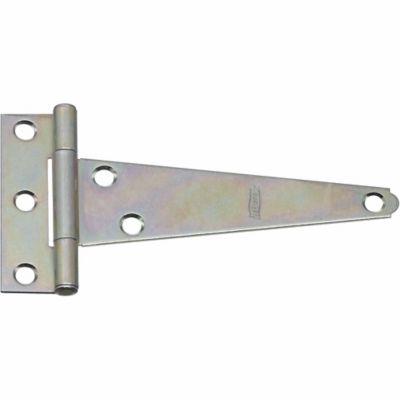
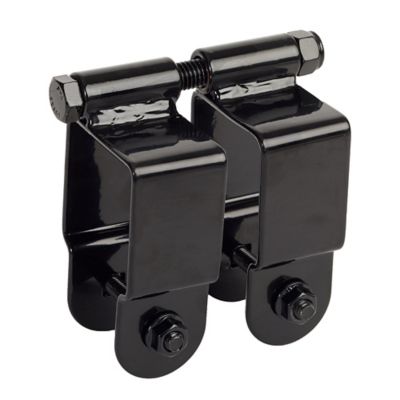
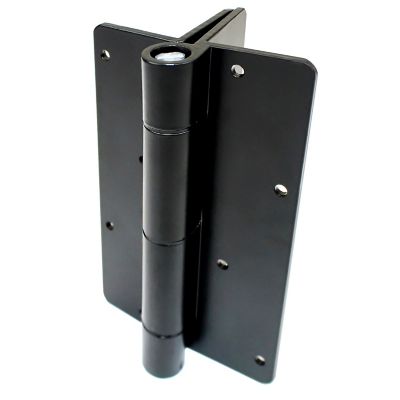
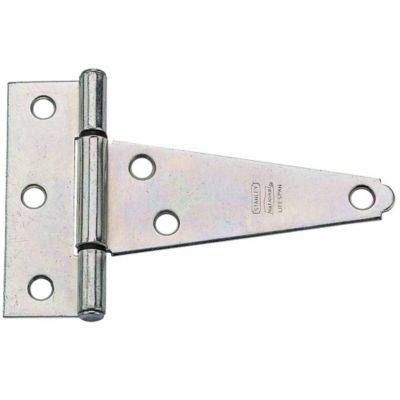
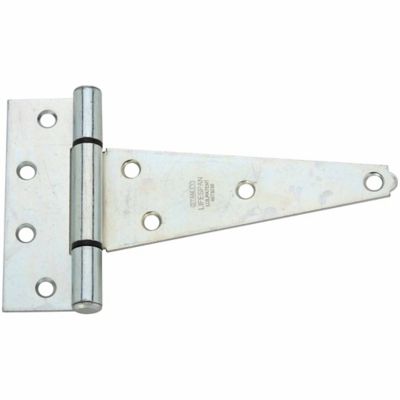
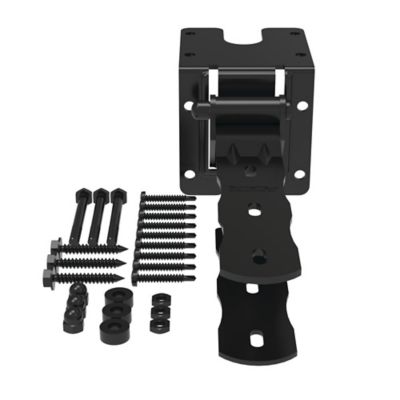
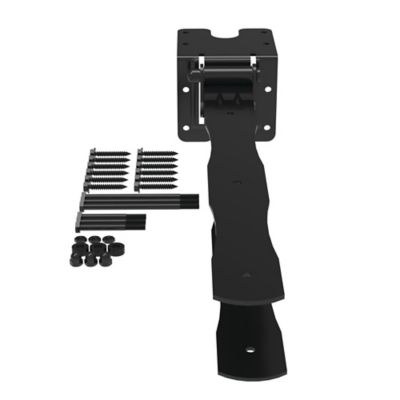
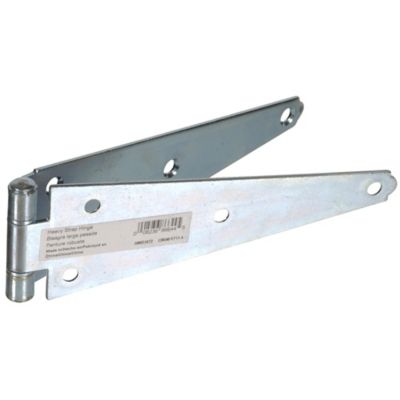
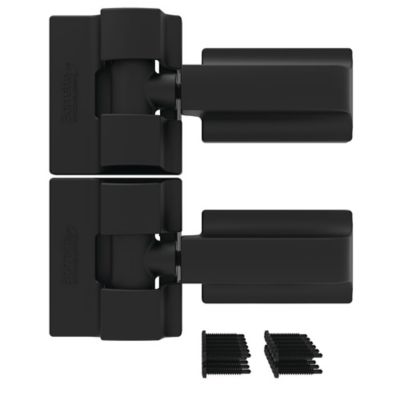
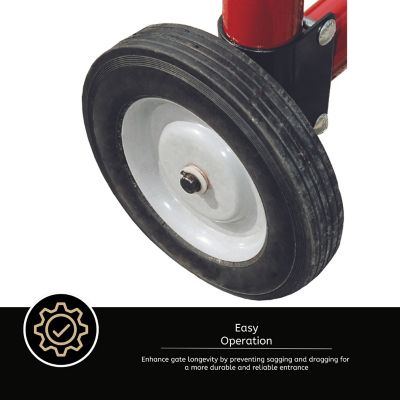
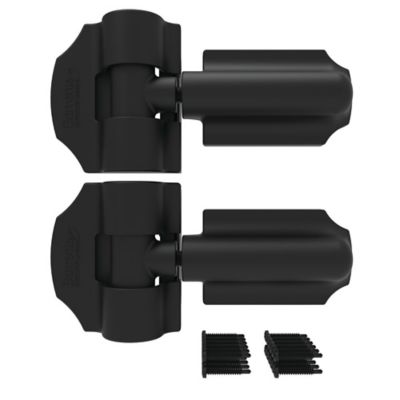
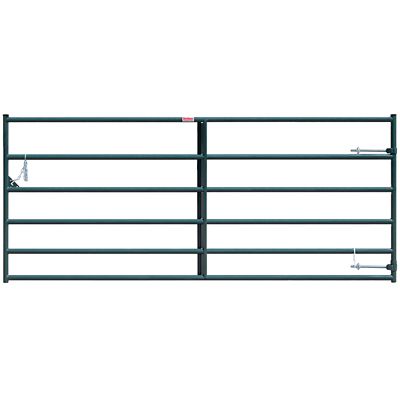
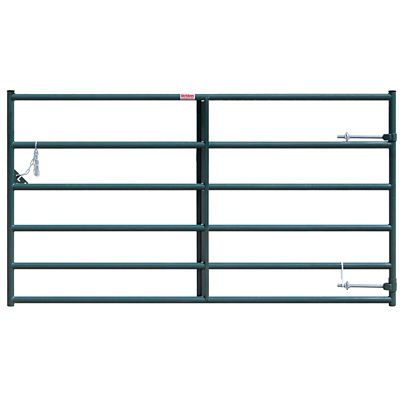
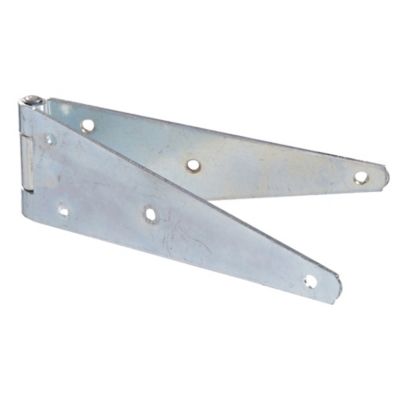
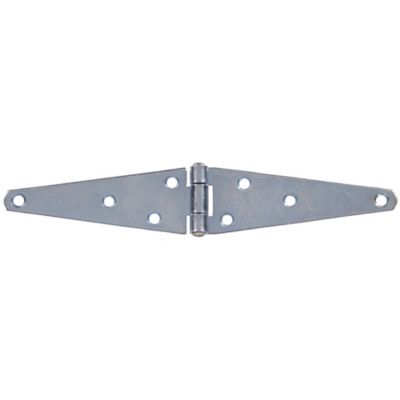
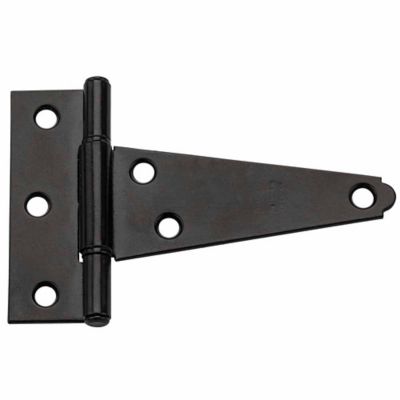
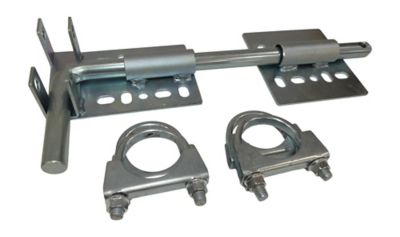
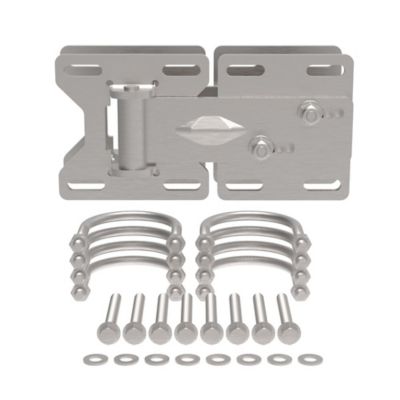
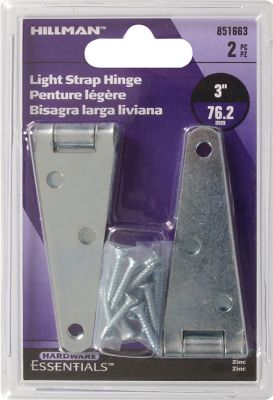
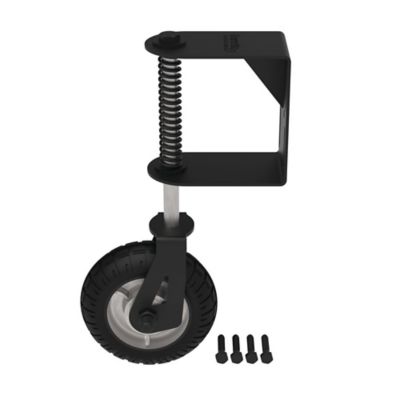
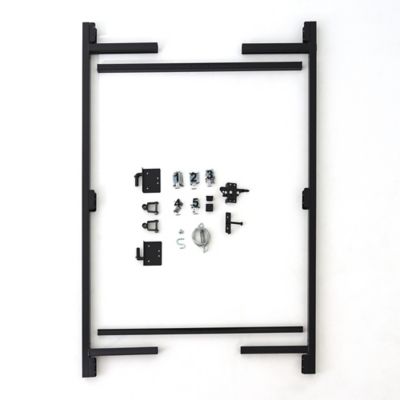
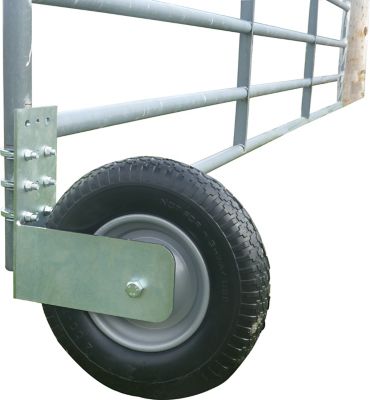
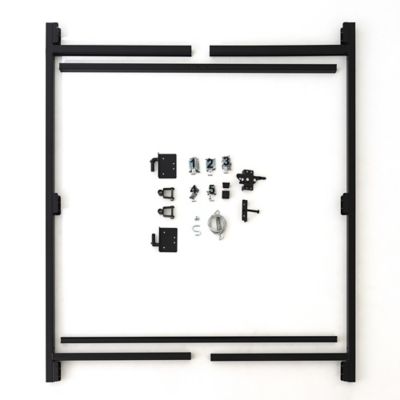
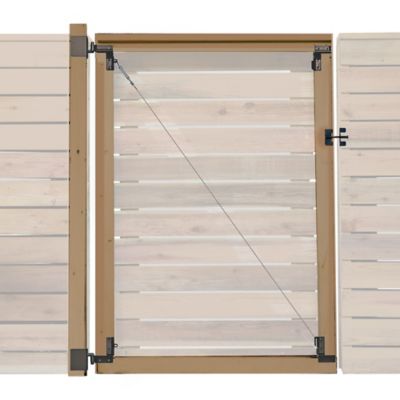
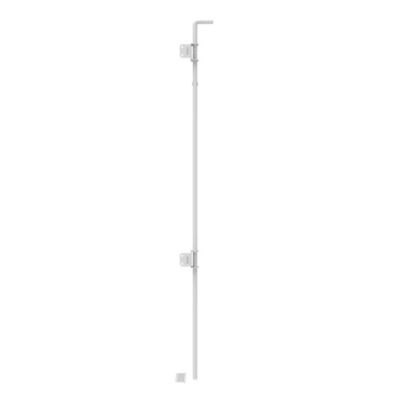
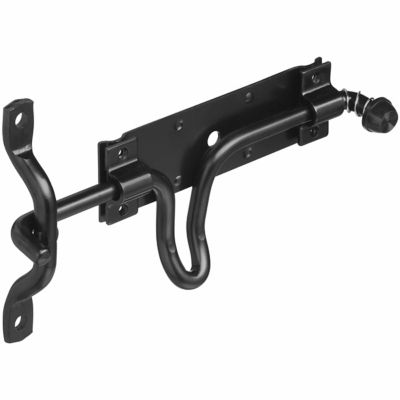
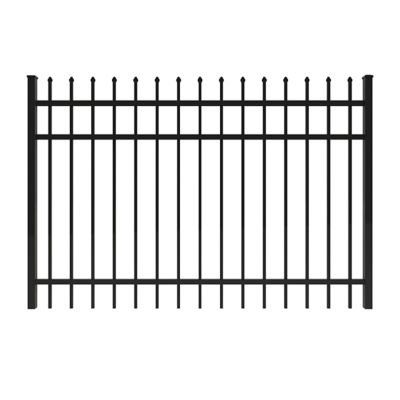
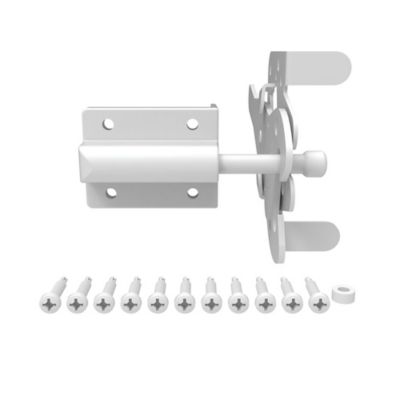
Gate hinges are the hardworking connection between a gate and its post, and the right set can make the difference between a gate that swings smoothly for years and one that sags, scrapes, or refuses to latch after a season of use. They’re useful around country homes, farms, ranches, gardens, workshops, driveways, kennels, and pasture entrances, wherever a swinging gate needs steady support. When choosing hinges, start with the gate itself. A lightweight garden gate may only need compact hinges, while a wide wooden farm gate, steel livestock gate, or privacy gate puts much more strain on its hardware. Consider the gate’s height, width, weight, and how often it will be opened. A gate that gets used dozens of times a day needs durable hardware with dependable movement, while a rarely used back-lot gate still needs enough strength to handle wind, mud, and the occasional hard shove. Hinge styles can include strap-style designs for broad support, compact hinges for smaller gates, adjustable hinges for fine-tuning the fit, and spring-loaded or self-closing options where a gate needs help returning to position. Match the hinge design to the way the gate swings, too. Some gates need to swing in one direction, while others benefit from a wider range of movement. Before buying, measure the gate and post carefully, note where the existing holes or mounting plates are located, and check that the hinge will clear nearby fencing, siding, rocks, or uneven ground.
Material and mounting strength matter just as much as size. Steel and other heavy-duty metals are common choices for gates that serve a practical purpose around livestock, equipment, or property entrances, while coated or corrosion-resistant finishes can help hardware stand up to rain, sprinklers, humidity, and damp ground. On a wooden gate, hinge fasteners should reach solid, sound wood rather than a split edge or weathered board. On metal gates and posts, make sure the mounting method fits the construction and that the hardware is rated for the load. A gate may look light when it is standing still, but wind catches it like a sail, especially when it has close-set boards, wire mesh, or a solid panel. That extra force can loosen fasteners and pull a hinge out of alignment. Posts deserve attention as well. A sturdy hinge cannot correct a leaning, undersized, or poorly set post. For a new installation, place the hinge side on a firm post that is deep enough and braced to carry the gate. For a replacement job, inspect the post for rot, cracks, or soft spots before attaching anything. It is also smart to leave enough clearance beneath the gate for gravel, frost heave, grass, and packed snow. A little room at the bottom can keep the gate from dragging when the ground changes with the seasons. Around a pool or other area where controlled access is especially important, shoppers may also want to compare options for
Pool Gate Hardware and make sure the complete gate setup supports the safety requirements for that space.
Installation is often straightforward, but careful setup pays off every time the gate opens. Hold the gate in its intended position with sturdy blocks or a helper, then check that the top and bottom edges sit level before tightening everything down. Installing the hinges too close together can leave a large gate twisting under its own weight, while placing them too far apart may not suit the gate’s construction or mounting area. Many taller or heavier gates benefit from a third hinge or additional support, depending on the hardware and the gate design. After installation, open and close the gate slowly, listening for rubbing and watching for movement at the post. The gate should travel freely without lifting, dropping, or pulling the hinge hardware out of line. If it begins to sag during the cooler months, check the fasteners, hinge adjustment, post stability, and ground clearance before forcing it shut. A dab of suitable lubricant on moving parts can help reduce squeaks and wear, though hinges exposed to dirt, dust, or animal bedding should not be overloaded with grease that attracts grit. Keep the hinge area free of vines, twine, mud, and debris, and look over the hardware whenever you inspect fencing or prepare the property for changing weather. Gate hinges are also a practical choice for a do-it-yourself property project or a useful housewarming gift for someone caring for a small farm, homestead, garden, or country place. Whether the job involves a narrow walkway gate, a pasture entrance, a chicken run, or a broad driveway gate, dependable hinges help the whole setup feel solid, quiet, and ready for everyday work.