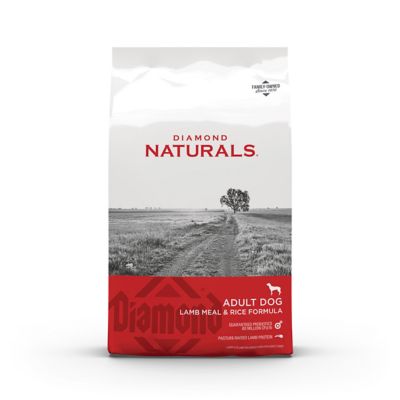
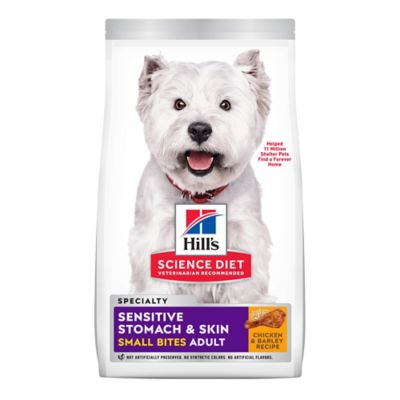
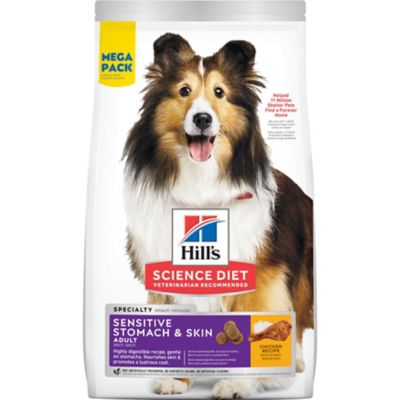
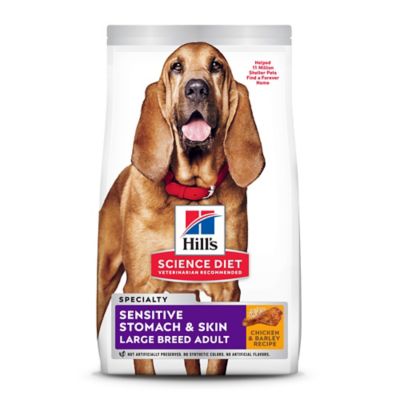
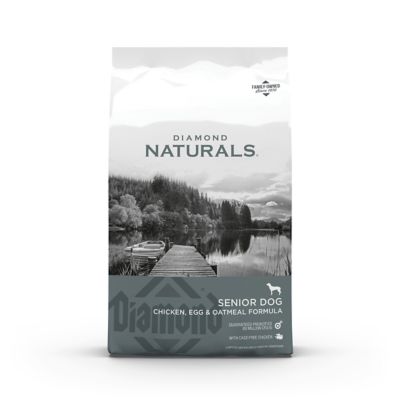
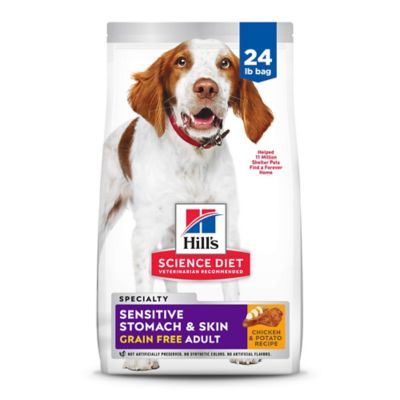
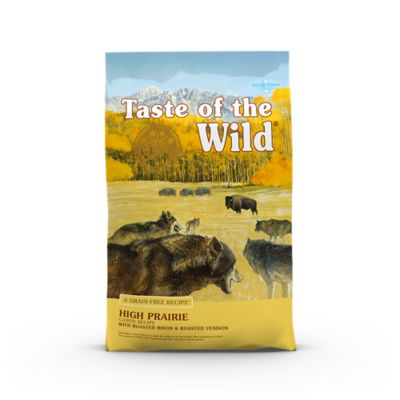
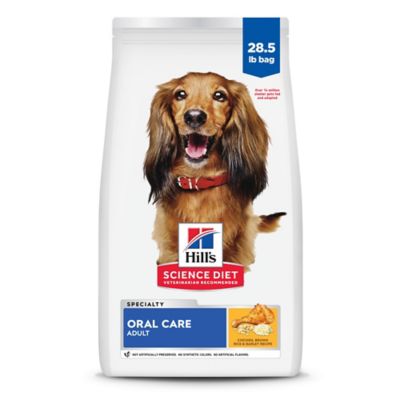
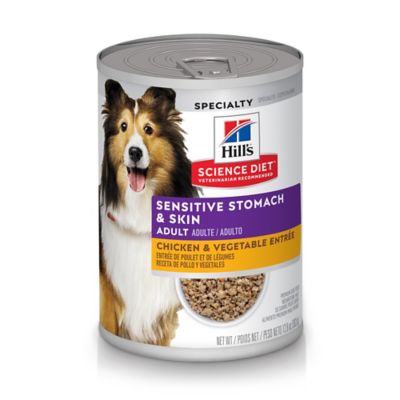
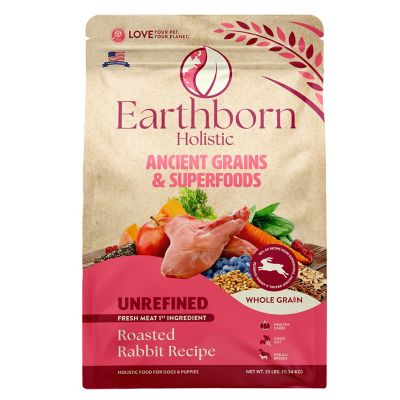
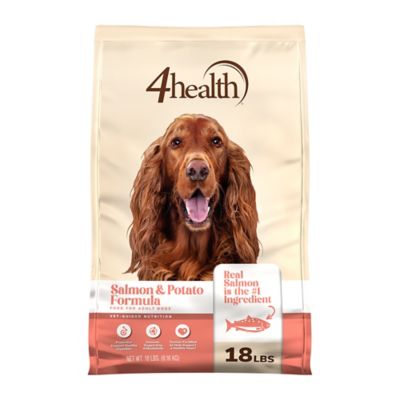
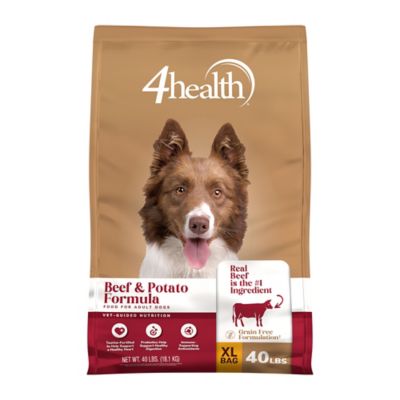
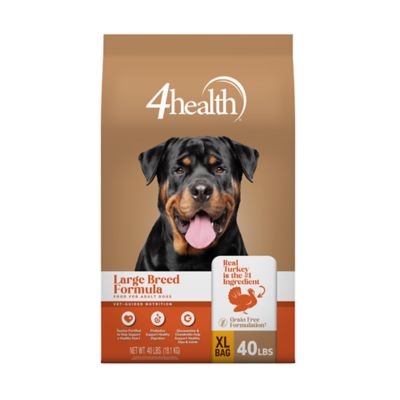
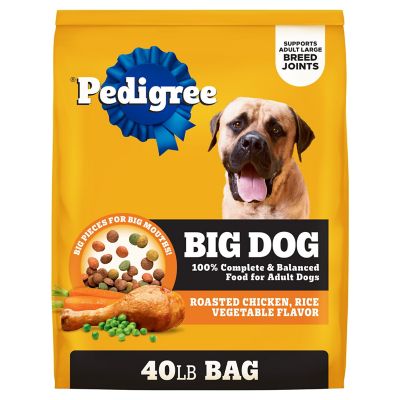
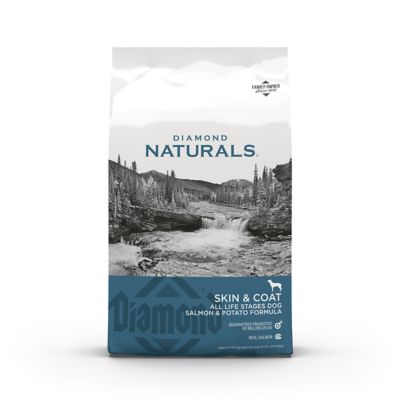
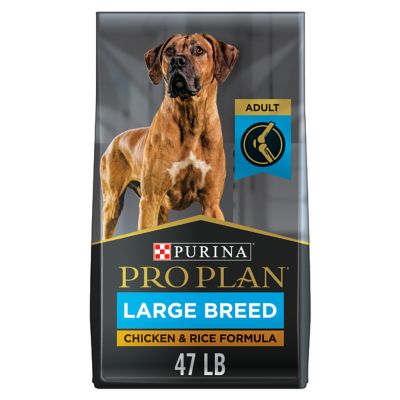
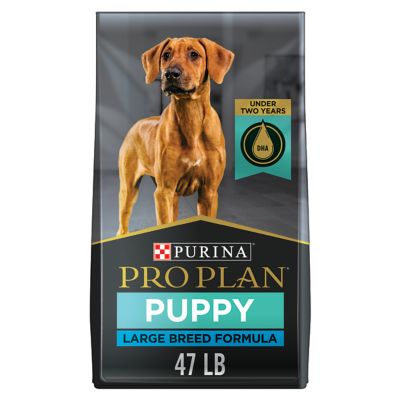
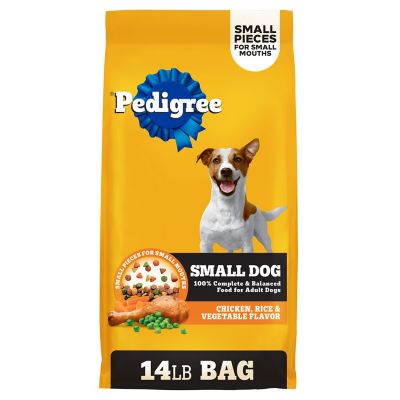
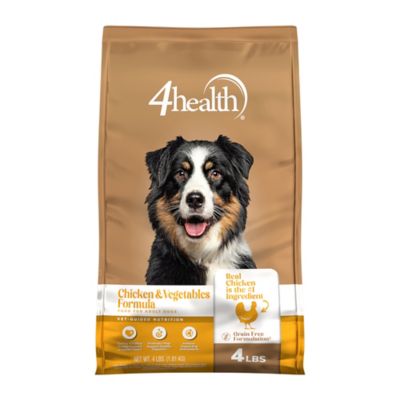
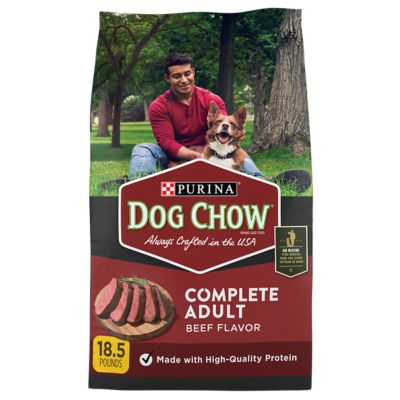
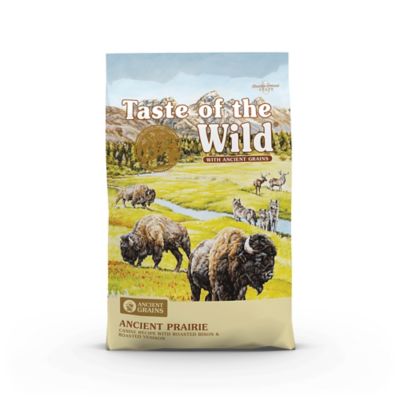
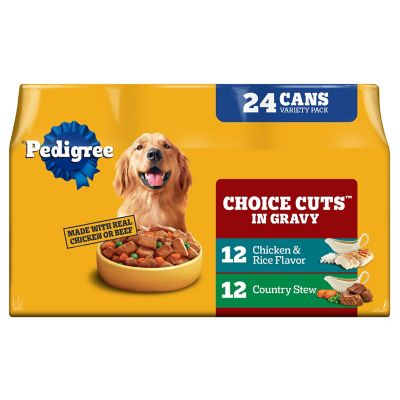
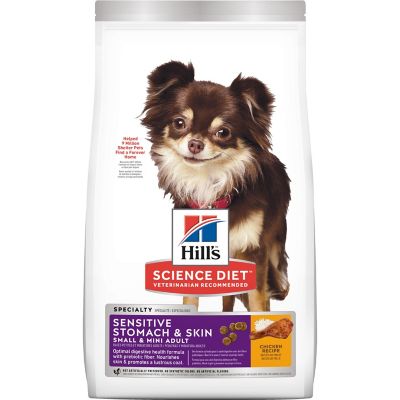
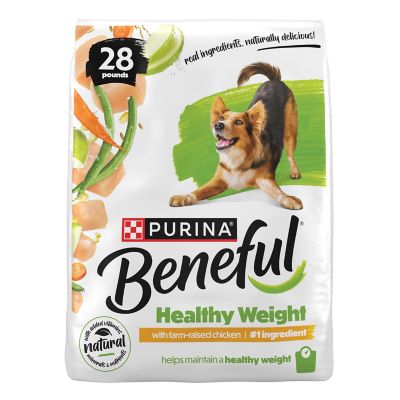
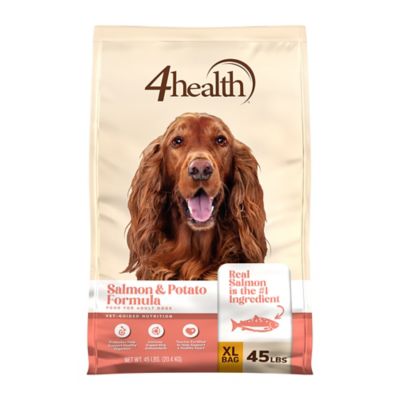
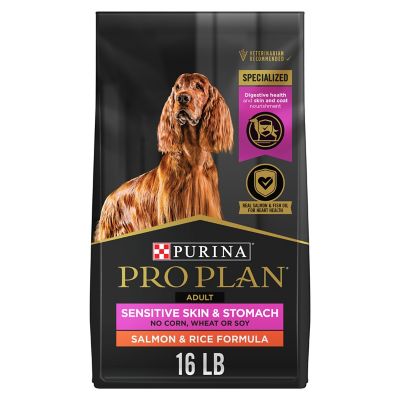
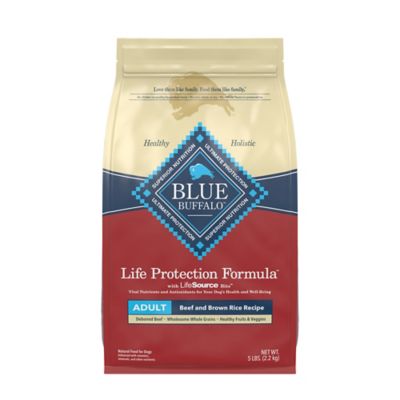
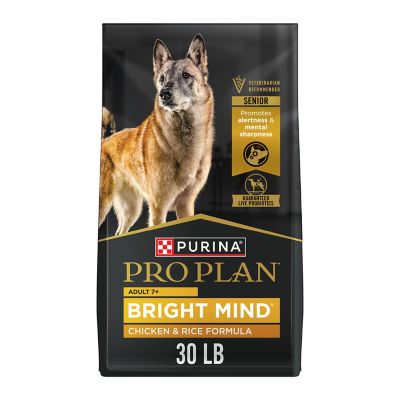
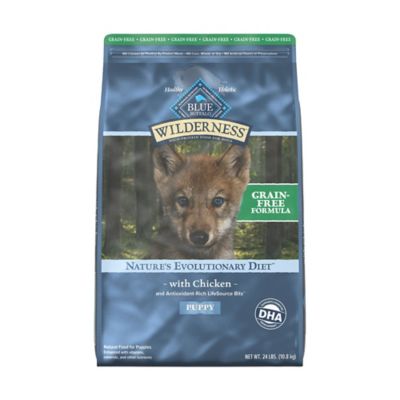
When you’re picking out dog food with vitamin E, you’re doing more than just filling your pup’s bowl—you’re supporting their health from the inside out. Vitamin E is a powerhouse antioxidant that helps keep your dog’s immune system strong, their skin supple, and their coat shiny, which is especially important during the tail end of winter when dry air can make fur and skin a little rough around the edges. Folks who live out in the country know how much time dogs spend outdoors, whether they’re chasing after cattle, patrolling the yard, or just hanging out on the porch. All that exposure to the elements can take a toll, so feeding a diet rich in vitamin E can help keep your four-legged friend looking and feeling their best. You’ll often spot vitamin E listed in the ingredients as “mixed tocopherols” or as a “vitamin E supplement,” and it’s a key nutrient in many formulas, including those designed for dogs with sensitive skin and stomach. If your dog’s always scratching or has a dull coat, you might want to look into dog food for sensitive skin and stomach, which often includes extra vitamin E and omega fatty acids to soothe and protect.
Dog food with vitamin E isn’t just for working dogs or those with special needs—it’s a smart choice for nearly any pup, from rambunctious farm puppies to senior dogs who prefer a cozy spot by the wood stove. If you’re shopping for a gift for a fellow dog lover, a bag of high-quality kibble with added vitamin E makes a thoughtful and practical present, especially for folks who treat their pets like family. Around this time of year, when the weather’s still chilly and dogs may not be getting as much exercise, supporting their immune health with the right nutrition is even more important. Many popular options, like hills science dog food, purina dog food, and hills dog food, make it easy to find recipes focused on skin, coat, and digestive health. These blends often feature natural sources of vitamin E, such as chicken, salmon, eggs, and vegetable oils, along with wholesome veggies like spinach, sweet potatoes, and pumpkin. If your dog is already on a fish oil supplement for joint or coat care, it’s worth knowing that they might need a little extra vitamin E to balance things out, since fish oils can use up the body’s stores of this nutrient. Always check with your vet before making changes, especially if you’re thinking about adding supplements to their diet—too much vitamin E can build up over time since it’s fat-soluble.
Choosing the right dog food with vitamin E is all about finding what fits your dog’s unique needs and lifestyle. Whether you’re after grain-free recipes, formulas for sensitive tummies, or just a good all-around kibble, you’ll find plenty of choices that keep vitamin E front and center. And if you’re interested in other key nutrients for your dog’s wellbeing, like zinc, you can learn more about the benefits and best options by visiting our page on
Dog Food With Zinc. At the end of the day, feeding your dog a balanced diet packed with the right vitamins and minerals is one of the best ways to show you care—keeping them healthy, happy, and ready for whatever adventures the season brings. Whether your pup’s a hard-working farmhand or a loyal companion curled up by your boots, giving them the nutrition they need helps make every day a good one.