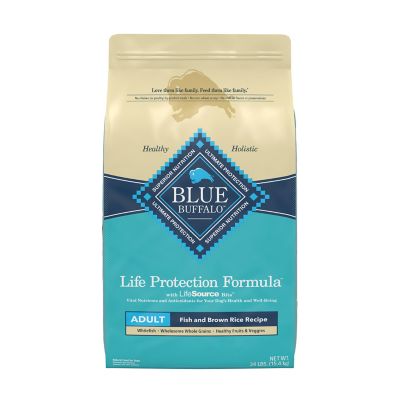
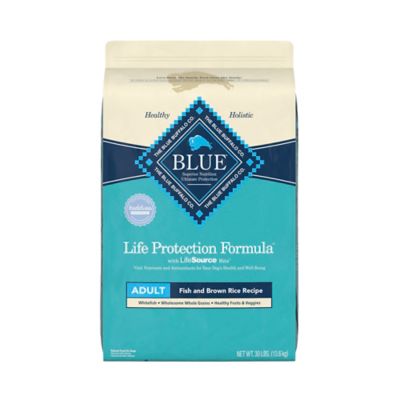
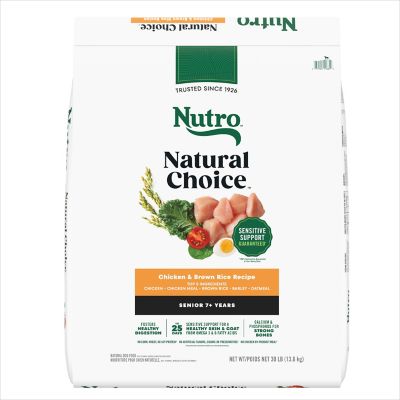
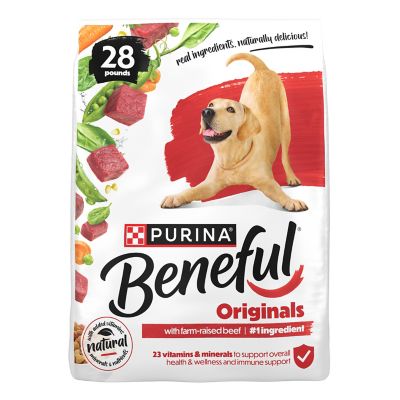
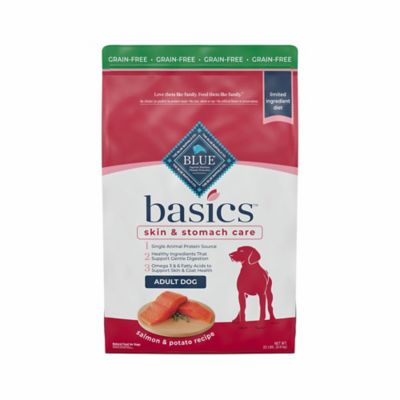
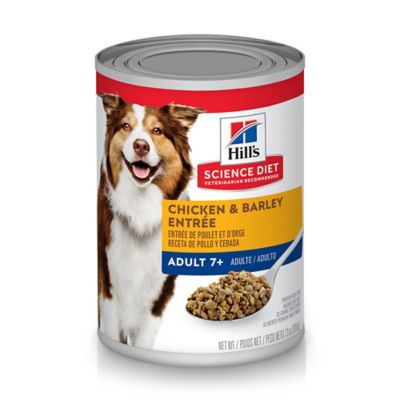
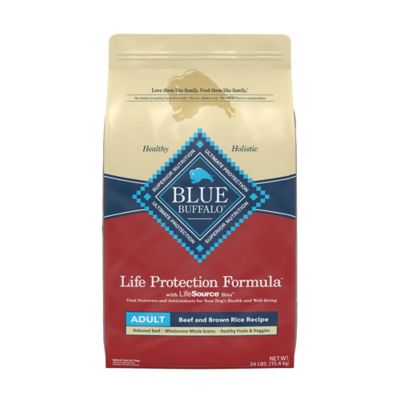
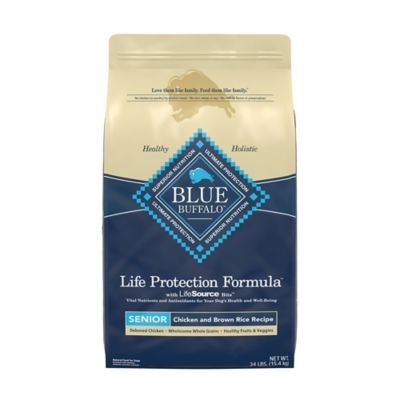
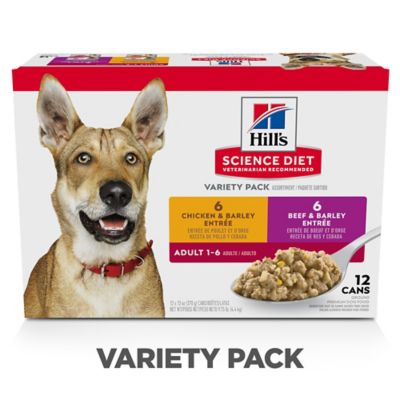
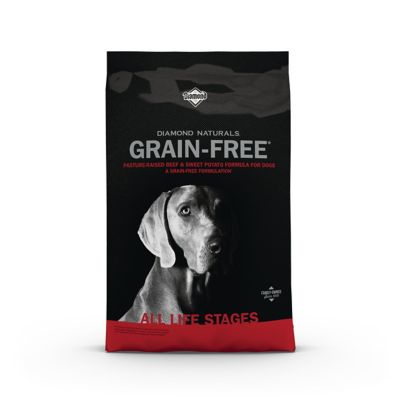
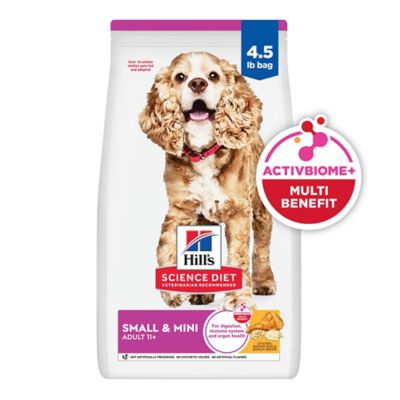
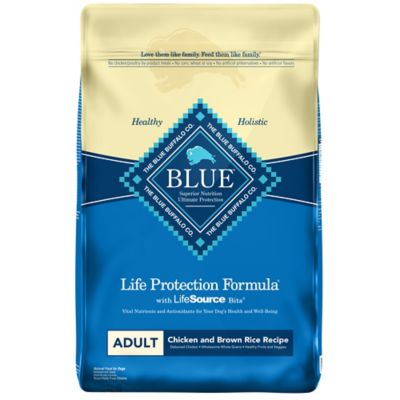
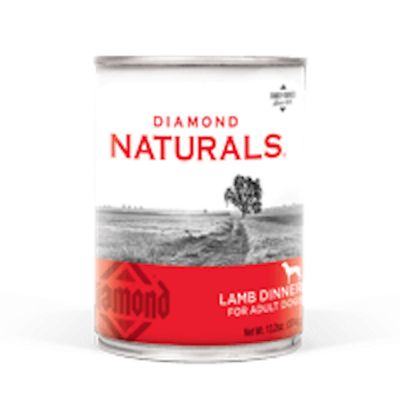
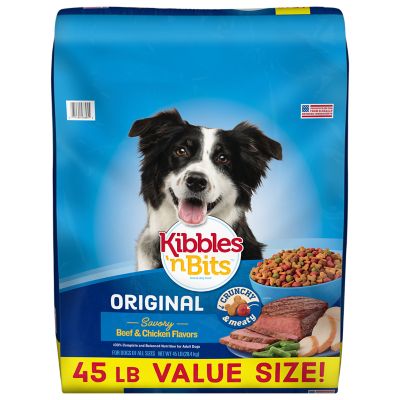
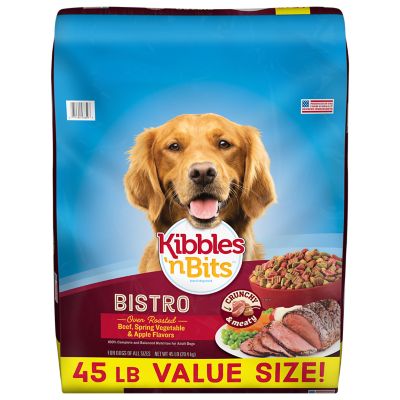
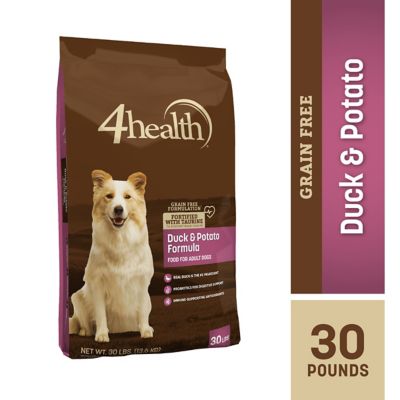
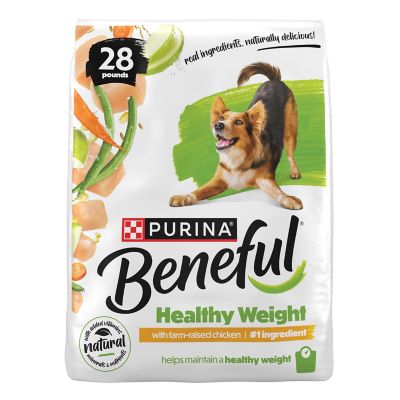
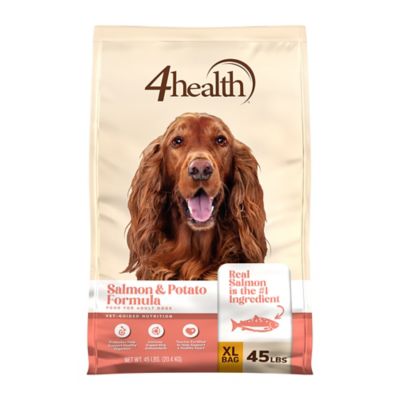
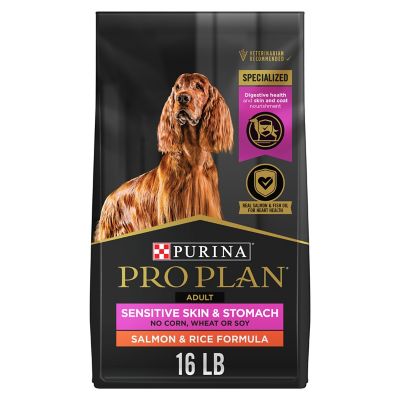
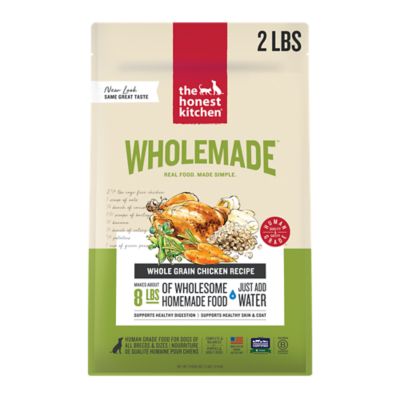
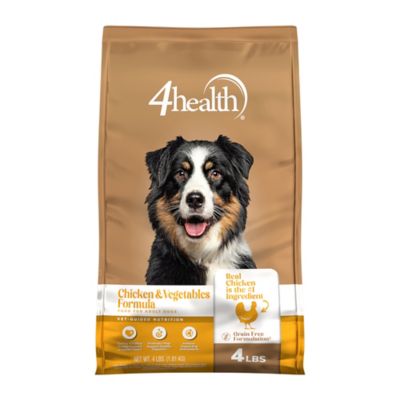
Dog food with antioxidants can be a practical choice for everyday feeding when you want a formula that includes nutrients known to help protect cells from oxidative stress. Dogs naturally encounter free radicals as part of normal metabolism, exercise, digestion and exposure to the environment. Antioxidants help neutralize some of these unstable molecules before they can damage cells, tissues and DNA. In dog food, antioxidant support may come from nutrients such as vitamin E, vitamin C, beta-carotene and selenium, along with naturally occurring plant compounds found in fruits and vegetables. Vitamin E helps protect cell membranes and supports normal skin and immune function. Vitamin C works as an antioxidant and can help regenerate vitamin E, although healthy dogs generally make vitamin C on their own. Beta-carotene can be converted into vitamin A, which plays a role in normal vision, immune function and skin health. Selenium is a trace mineral that works closely with vitamin E as part of the body’s antioxidant defenses. You may also see ingredients such as blueberries, blackberries, raspberries, strawberries, carrots, sweet potatoes, pumpkin, spinach, kale and broccoli in formulas made with antioxidant-rich ingredients. Fish-based recipes may provide astaxanthin, a naturally occurring antioxidant found in salmon, along with omega-3 fatty acids that support normal skin, coat, brain and heart health. These ingredients are not a cure for illness, and a food with antioxidants is not a substitute for veterinary care, but they can be part of a complete, balanced diet for a wide range of dogs.
When comparing dog food with antioxidants, start with the basics that matter at every age: look for a complete and balanced formula made for your dog’s life stage, size and activity level. Puppies have different nutritional needs than adult or senior dogs, while working dogs, sporting dogs and dogs that spend long days roaming the farm may need a different calorie profile than a mostly indoor companion. Check the feeding directions and calorie information, especially if your dog is prone to weight gain. The ingredient list can help you spot sources of antioxidants, but the overall recipe matters more than any single ingredient. A small amount of berries or vegetables does not tell the whole story, so consider the food’s protein sources, fat level, fiber, vitamins and minerals, as well as your dog’s age, chewing habits and known sensitivities. Dry kibble is easy to measure, store and carry to the barn, kennel or truck, while wet food can add moisture and may suit dogs that prefer a softer texture. Some owners use a combination of both, adjusting portions so meals stay within the dog’s daily calorie needs. If you are changing foods, take several days to transition by mixing a little of the new food with the old, then gradually increasing the new recipe. This can help avoid an upset stomach, loose stool or a picky refusal at the bowl. Fresh water should always be available, particularly during active days, travel and the cooler months when indoor heat can leave the air dry. Store food in a cool, dry place in its original bag or in a clean, tightly sealed container, and wash bowls regularly. For dogs with allergies, kidney or digestive concerns, a diagnosed condition or a prescription diet, speak with your veterinarian before making a change. Puppies, pregnant or nursing dogs and senior pets may also benefit from more tailored feeding advice. If you are helping a friend welcome a new dog, a carefully chosen bag of food can be a useful gift, but matching the recipient’s dog’s age, size and current diet is important before buying.
Antioxidant-rich ingredients fit easily into the routines of country dogs and family pets alike. A retriever coming in from a long walk through fallen leaves, a cattle dog riding along for chores or an older hound settling onto the porch after a cool-weather outing all need dependable nutrition, not a complicated feeding plan. Measure meals consistently, keep treats and table scraps modest, and watch your dog’s body condition, energy, stool quality, skin and coat over time. A shiny coat and steady energy can be encouraging signs, but changes in appetite, thirst, weight, digestion or behavior deserve a call to your veterinarian. Antioxidants are only one part of a good diet; quality protein, appropriate calories, essential fatty acids, fiber, vitamins and minerals all work together. If brain and eye nutrition is another priority, you can also browse
Dog Food With DHA for formulas that include docosahexaenoic acid, commonly called DHA. When choosing from this collection, consider whether your dog prefers crunchy pieces or softer food, whether the package size fits your storage space, and whether the recipe works for one dog or a whole kennel. Foods featuring berries, colorful vegetables, fish or added vitamins may appeal to owners looking for broad nutritional support, while a simple, familiar recipe may be the best fit for a sensitive eater. Keep grapes, raisins, onions, garlic and chocolate away from dogs, since these foods can be dangerous even in small amounts, and avoid adding homemade ingredients without checking their safety first. With a steady feeding routine and a formula suited to your dog’s needs, dog food with antioxidants can be a sensible part of daily care through changing weather, busy farm seasons and quiet evenings at home.