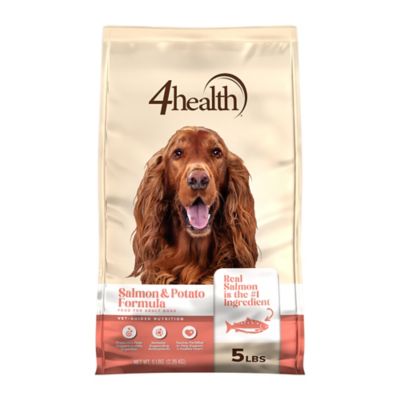
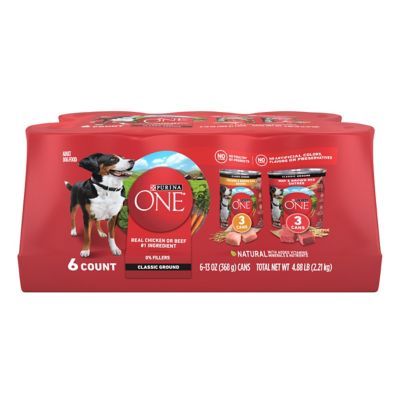
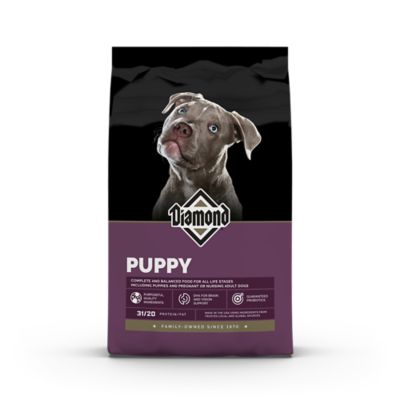
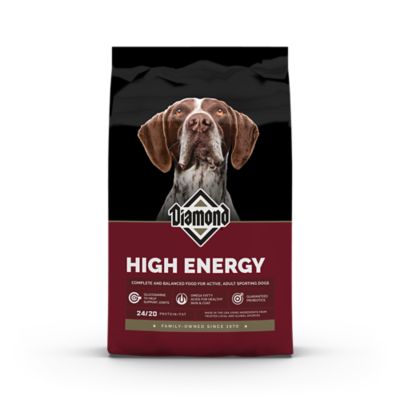
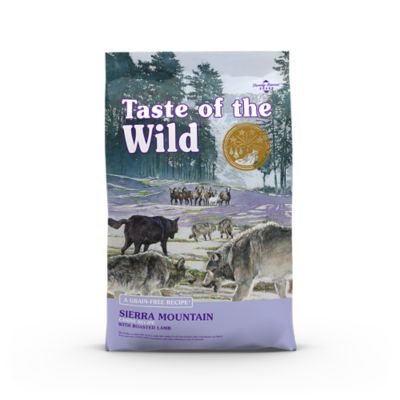
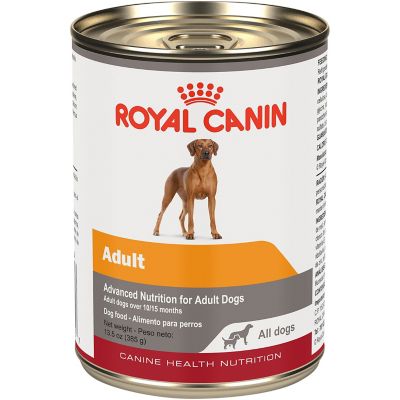
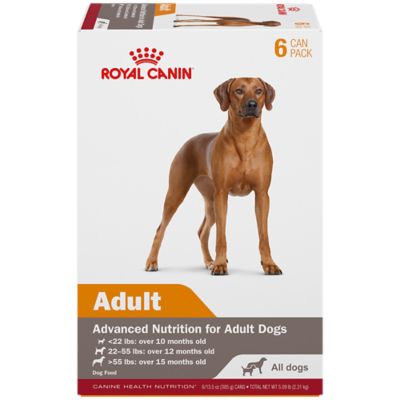
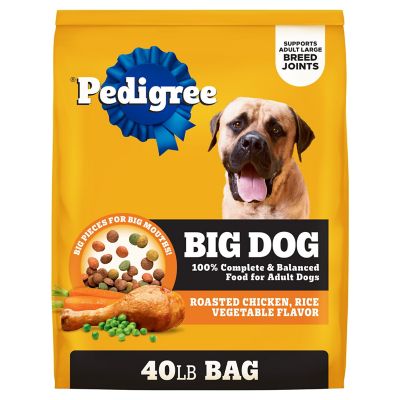
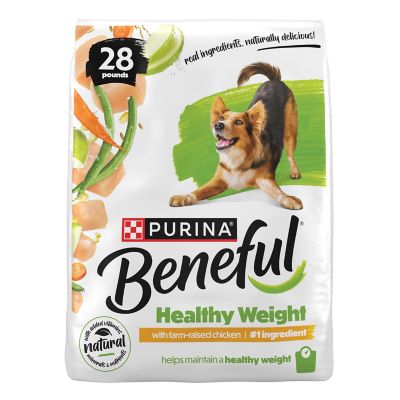
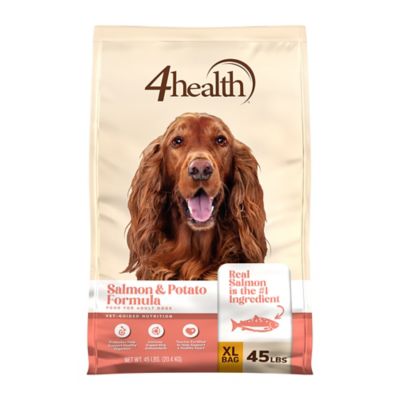
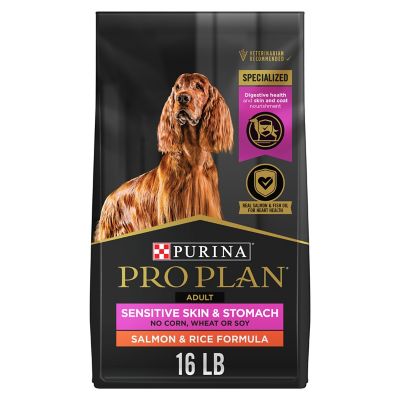
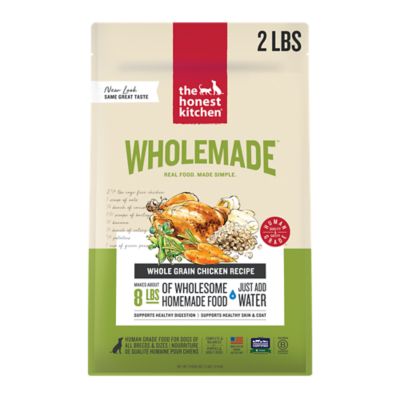
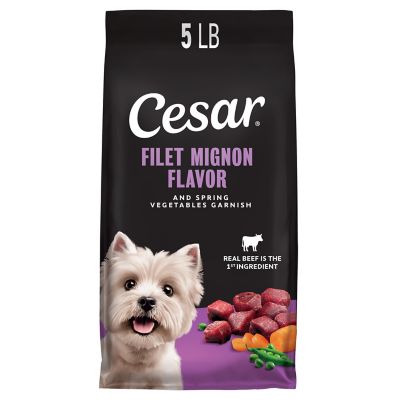
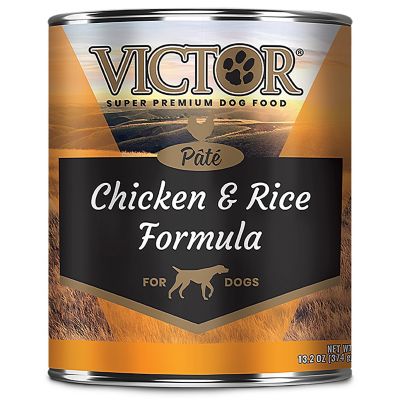
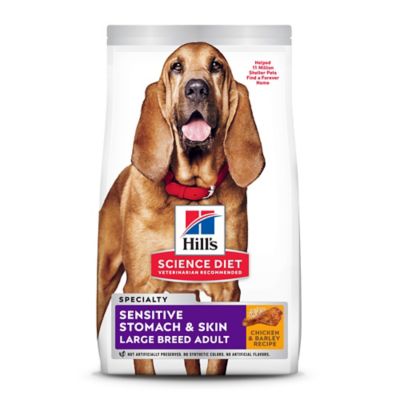
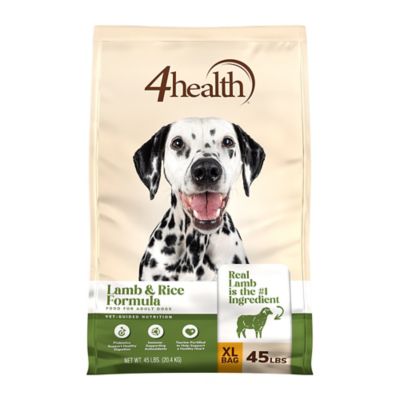
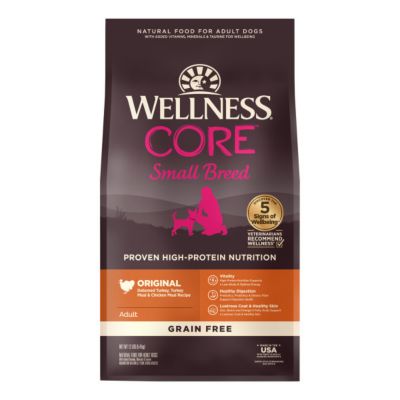
Dog food with zinc brings an essential trace mineral to the everyday meals that keep dogs nourished, from the steady companion riding along for fence checks to the house dog waiting by the back door. Zinc supports normal immune function, healthy skin, coat maintenance, wound healing, and the metabolism of protein, fat, and carbohydrates. Dogs need it in small, balanced amounts, making the overall food formula more important than a standout ingredient on the front of the bag. Meat ingredients such as beef, lamb, chicken, and turkey can contribute dietary zinc, while added mineral sources help complete the nutritional profile. Depending on the recipe, an ingredient list may name zinc sulfate, zinc oxide, zinc proteinate, or a zinc amino acid complex. Those names describe different mineral sources, not separate types of dog food, and a food may contain more than one source. Some forms differ in how readily the body can absorb them, but a mineral name alone does not establish how well the finished food meets a dog's needs. The entire recipe, the amount eaten, and the dog's health all matter. For everyday feeding, a nutritional adequacy statement indicating that the food is complete and balanced for the appropriate life stage offers a more useful starting point than zinc content by itself. In the United States, that statement generally references nutrient profiles established by the Association of American Feed Control Officials, or AAFCO, or feeding tests following AAFCO procedures. AAFCO does not approve individual foods. Complete and balanced nutrition addresses zinc alongside other essential nutrients, including copper, calcium, phosphorus, and vitamins. That balance matters whether supper comes as crunchy kibble, a soft canned meal, or a combination of both. Food with zinc is not just for dogs with coat concerns; this mineral belongs in the regular diet of healthy puppies and adult dogs, too. Choosing an appropriate formula keeps the focus on steady, everyday nourishment rather than chasing the highest number on a label.
The right fit for dog food with zinc depends on the dog at the bowl. A growing puppy, a hard-working adult, and an older companion with a slower stride can have different energy and feeding needs, even though all require zinc. Puppy food should carry an appropriate growth adequacy statement, and food for a large-breed puppy needs to address growth of large-size dogs specifically. Adult maintenance food serves a different purpose, while senior labeling alone does not define a separate AAFCO nutrient profile. Size, activity, body condition, and any veterinary recommendations help narrow the choice. A dog spending long days moving livestock may need more calories than one taking a short walk before settling beside the couch, but greater activity does not automatically call for an extra zinc supplement. Texture and serving style matter as well. Dry kibble makes measured meals straightforward, while wet food adds moisture and offers a softer texture that may suit some dogs' eating preferences. Kibble size can affect how comfortably a small dog picks up a mouthful, and a dog with dental pain needs a veterinary evaluation rather than just a softer supper. For mixed feeding, both foods contribute calories, so portions should account for the whole bowl. The same goes for toppers and treats: generous extras can crowd out a balanced meal even when the ingredients sound appealing. Ingredient preferences deserve a look at the full recipe rather than a single claim. Grains and legumes contain compounds called phytates that can bind some zinc, but their presence does not automatically make a properly formulated food inadequate. Choosing grain-free food is not, by itself, a solution to a suspected zinc problem. For dogs with food sensitivities, the protein sources and other ingredients still need to match the feeding plan recommended by a veterinarian. Beef or poultry can provide zinc, but neither is essential for every dog when another complete and balanced formula better suits that dog's needs.
Skin and coat support often brings shoppers to dog food with zinc, especially when a familiar coat looks rougher or a dog starts scratching more than usual. Zinc contributes to normal skin function, but flaky skin, hair loss, and crusting around the face or paws can have several causes. Food alone should not be expected to resolve those signs without knowing what is behind them. Certain dogs, including some northern breeds, can have trouble absorbing zinc and may need a veterinarian-directed diet or supplement plan. Adding zinc without that direction can create problems: too much can interfere with copper balance and can be toxic. A zinc-containing complete and balanced food is different from a concentrated supplement, and more is not necessarily better. Nutrients work together across a meal, which is why related options such as
Dog Food With Vitamin E may also be relevant when comparing recipes that support normal immune function and healthy skin. Vitamin E provides antioxidant support, while zinc has its own essential roles; neither replaces the other. When comparing labels, keep in mind that zinc may appear in the ingredient list without a stated amount in the guaranteed analysis. A longer mineral list does not necessarily mean more zinc, and percentages on wet and dry food cannot be compared directly without accounting for moisture. Manufacturer nutrient information can help clarify a food's mineral content when a veterinarian needs those details. Once a suitable food is chosen, everyday handling helps keep meals in good condition. Dry food belongs in its original bag, tightly closed inside a clean container in a cool, dry spot, rather than beside a damp barn wall or in a feed room that gets hot. Opened wet food needs prompt refrigeration and handling according to its package directions. A gradual food transition, generally over about a week unless a veterinarian recommends otherwise, gives a dog time to adjust. Measured portions, clean bowls, and fresh water round out a feeding routine that fits life at home, around the farm, and through the cooler months.