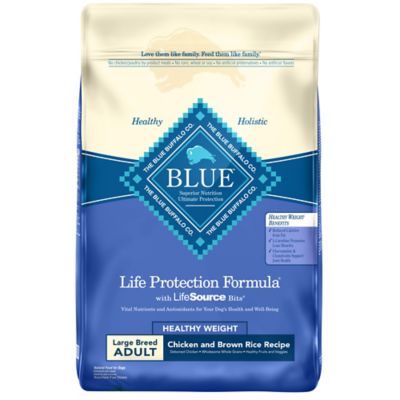
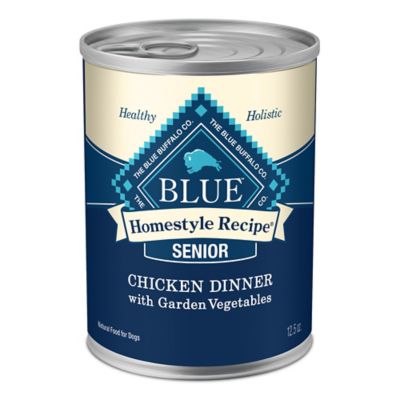
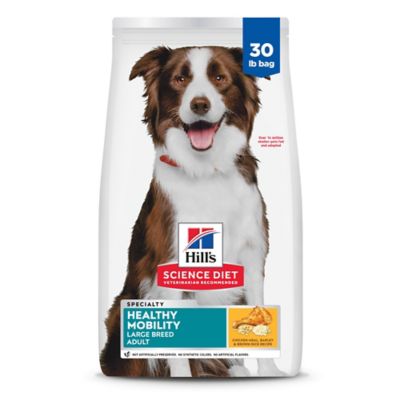
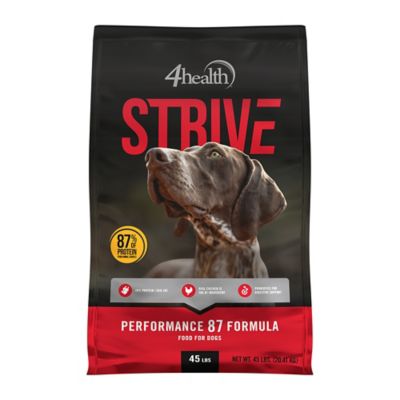
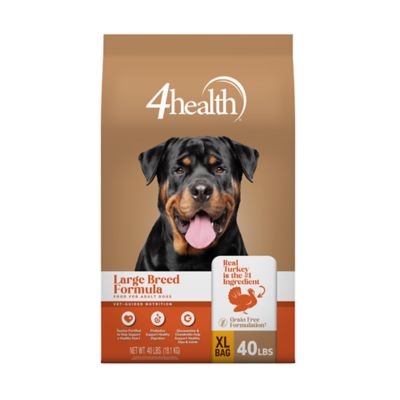
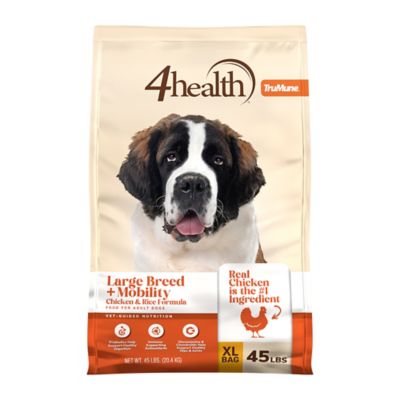
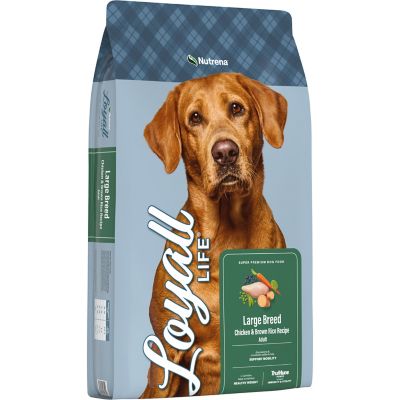
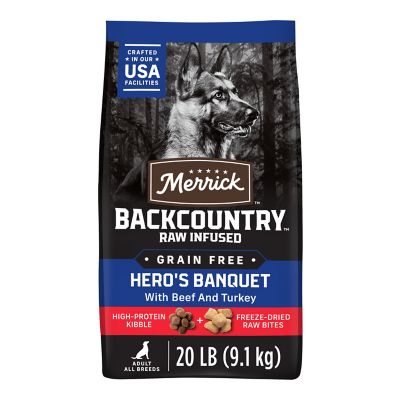
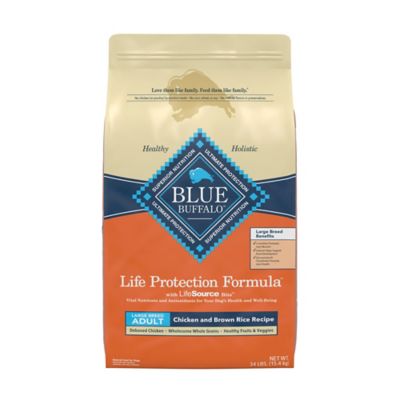
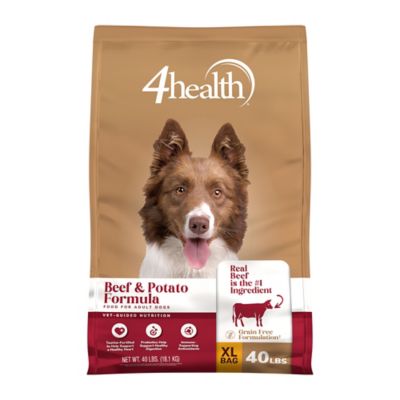
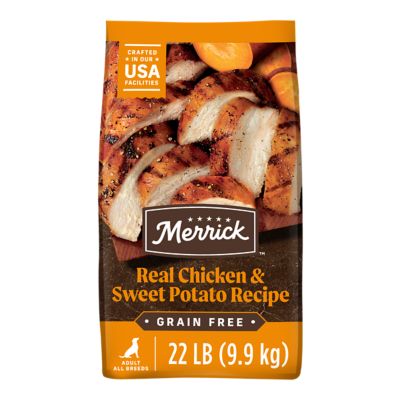
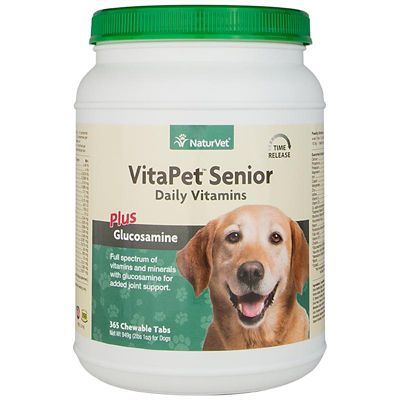
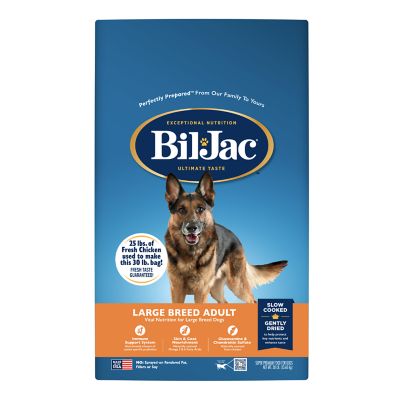
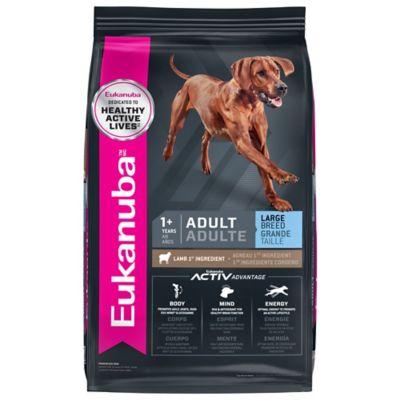
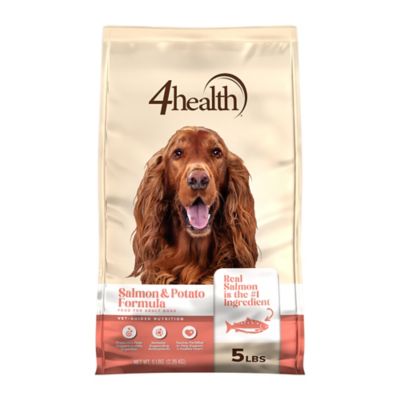
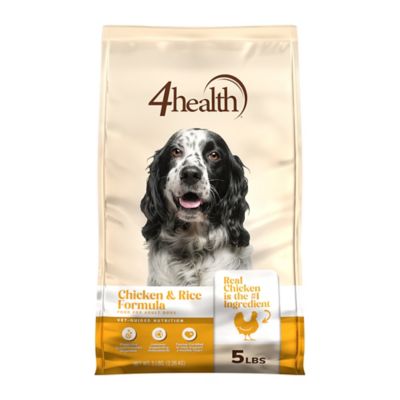
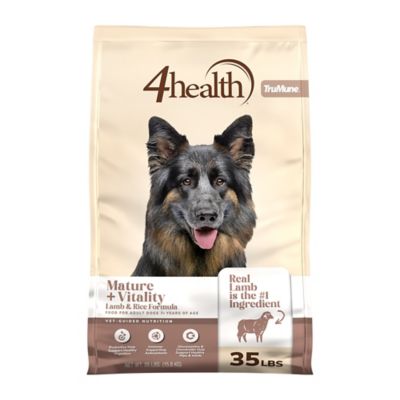
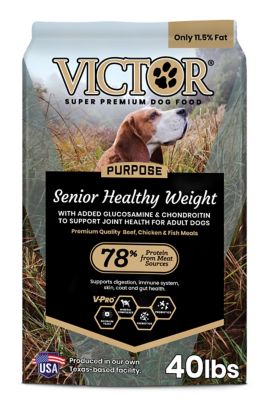
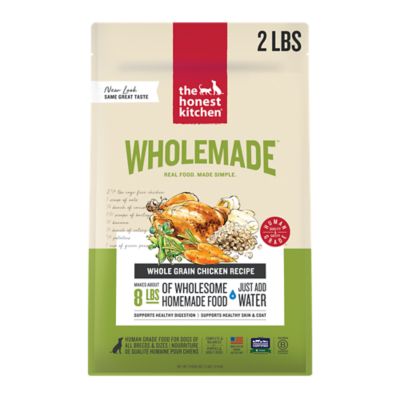
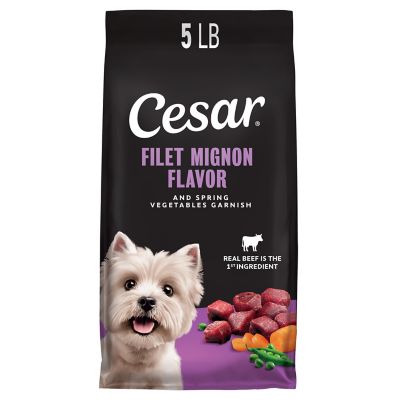
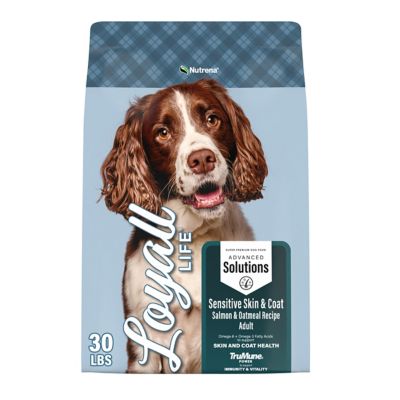
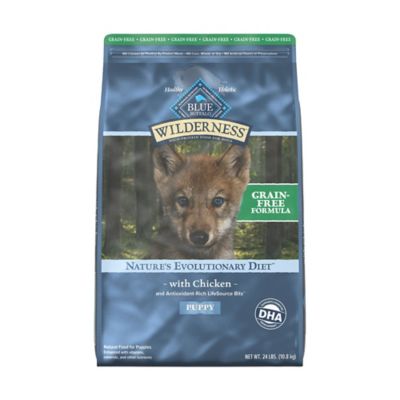
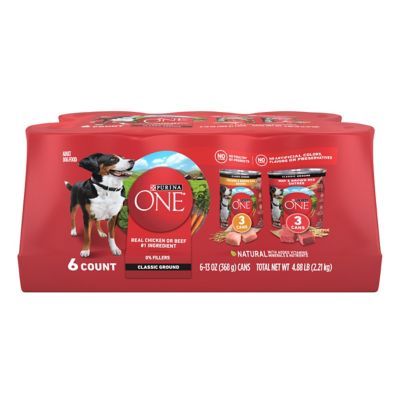
Dog food with glucosamine brings everyday nutrition and joint-support ingredients together in the same bowl. Glucosamine is a compound found naturally in the body, including cartilage, the tissue that cushions the ends of bones where joints meet. In dog food, it may come from certain animal ingredients or be added to the recipe, often alongside chondroitin, another component of cartilage. These formulas are intended to support joint health as part of a complete feeding routine, not to rebuild damaged joints or replace veterinary treatment. That distinction matters whether your dog spends the day checking fence lines, tagging along on chores or keeping watch from the porch. Older dogs, large breeds and active adult dogs are common candidates for a conversation about joint-support nutrition, though age or size alone doesn’t determine which food fits best. A dog’s body condition, health history and daily activity all help shape that choice. An energetic farm companion covering plenty of ground has different calorie needs than a house dog whose longest outing is a slow walk to the mailbox. Both still need balanced protein, fat, vitamins and minerals, with portions that help maintain a healthy weight. Extra body weight puts more load on joints, so calorie control can matter just as much as the presence of glucosamine on the label. Food containing glucosamine may be part of a joint-care plan, but research on its benefits in dogs is mixed, and an ingredient claim alone doesn’t establish how much a dog will receive or whether mobility will improve. Stiffness after resting, trouble rising or a new reluctance to climb steps calls for a veterinarian’s attention rather than a food change alone. For dogs already receiving treatment, a suitable daily diet can fit alongside prescribed care, steady exercise and a comfortable place to rest. The goal is a meal that meets the whole dog’s nutritional needs while making room for thoughtful joint support.
The strongest starting point for comparing dog food with glucosamine is the nutritional adequacy statement and the life stage listed on the package. A complete and balanced adult maintenance food serves a different purpose than a growth formula, and a senior label by itself doesn’t describe every nutritional feature inside the bag. Large-breed puppies need food appropriate for their growth, including carefully balanced minerals; an adult joint-support recipe isn’t a substitute simply because the pup will become a big dog. Within the appropriate life stage, recipe details help narrow the fit. Protein supports muscle maintenance, which matters because muscles help stabilize and move the body. Fat supplies energy, while fiber sources can influence stool consistency and how satisfied a dog feels between meals. Chicken, beef, fish and other protein sources give recipes different flavor and ingredient profiles, but no single protein is the right match for every dog. For a dog with a diagnosed food allergy or a sensitive stomach, the full ingredient list matters more than the joint-support wording on the front. Some formulas pair glucosamine and chondroitin with omega-3 fatty acids, including EPA and DHA from fish oil. These nutrients have different roles, and their presence doesn’t make all joint-focused foods interchangeable. The related
Dog Food With Omega Fatty Acids category offers another way to compare recipes with fats that support normal body functions, including skin and coat health. When glucosamine amounts are provided, the units and feeding portion deserve attention: milligrams per kilogram of food is a concentration, not the amount in one bowl. Daily intake depends on how much food the dog eats. A veterinarian can help interpret those amounts and weigh them against any separate supplements. Adding several joint-support supplements on top of a fortified food doesn’t automatically provide greater benefit, and every added chew or topper also changes the daily feeding picture. Keeping the full diet in view makes comparisons more useful than judging a recipe by one highlighted ingredient.
Texture, meal size and storage also affect how well a joint-support food fits everyday life. Dry kibble is straightforward to measure and store, while wet food has a softer texture and more moisture. Some dogs do well with a combination, provided the total portions account for both foods and the main diet remains complete and balanced. Kibble size and shape can influence how easily a dog picks up and chews each bite, especially for small mouths or dogs with dental concerns. A dog dropping food, chewing on one side or avoiding hard pieces needs a dental check rather than an assumption that age is the only cause. Palatability matters, too: a carefully selected formula has little value if the dog consistently leaves it in the bowl. For a household with several dogs, separate feeding spaces make it easier to match each portion to the right animal instead of letting a fast eater finish everyone’s supper. Package feeding charts provide a starting point, with adjustments based on body condition, activity and veterinary advice. Measuring meals consistently helps reveal changes in appetite and prevents generous scoops from gradually adding more calories than intended. Treats and table scraps count toward that total, including the small bites handed out during chores. When moving to a different food, a gradual transition over about seven to ten days often helps limit digestive upset, unless a veterinarian recommends another approach. Storage deserves the same care as portioning. Dry food stays best protected in its original bag, closed securely and placed inside a clean, lidded container away from moisture, direct sunlight and pests. Keeping the bag also preserves the feeding directions, lot information and best-by date. Wash and dry the container between bags rather than pouring fresh food over old crumbs. Opened wet food needs refrigeration and handling according to its label. With a suitable recipe, sensible portions and consistent care, dog food with glucosamine can be a practical part of feeding a companion whose comfort matters from the first trip outside to the last settled stretch beside the couch.