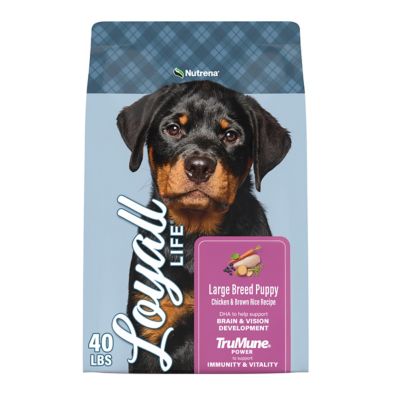
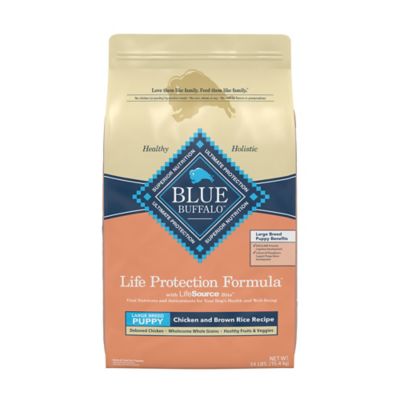
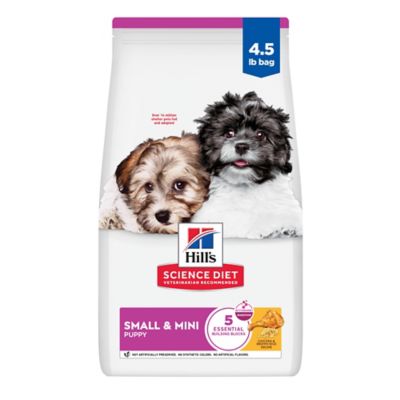
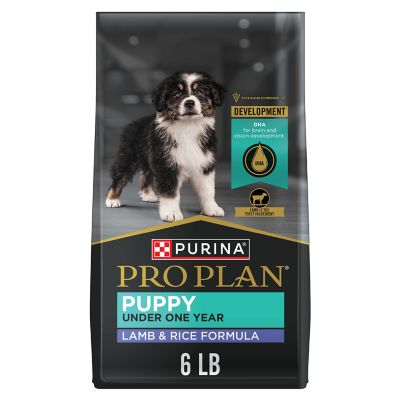
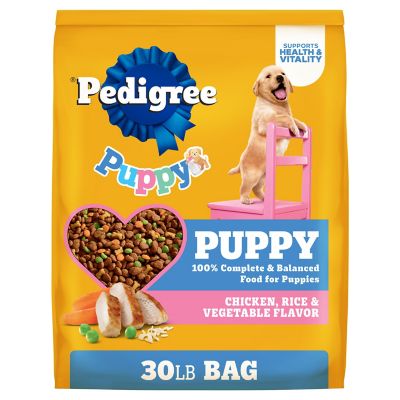
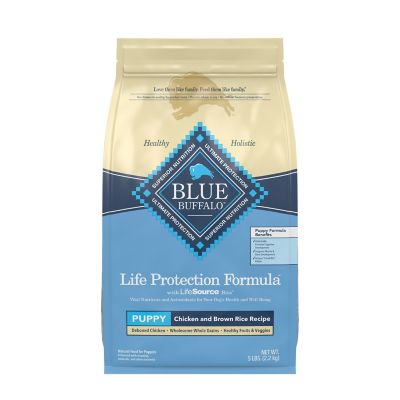
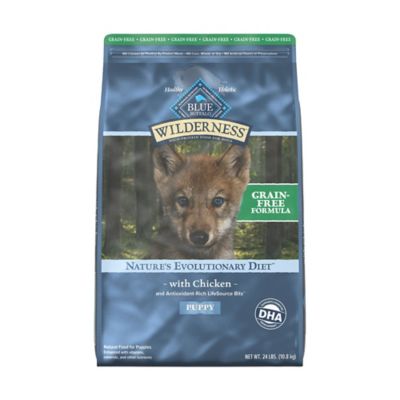
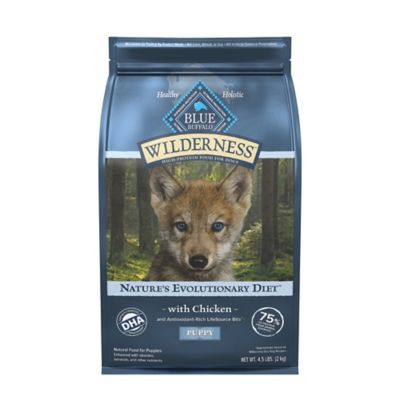
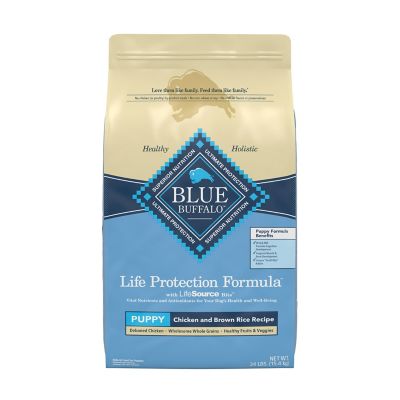
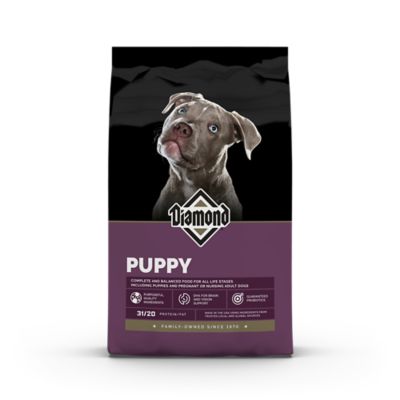
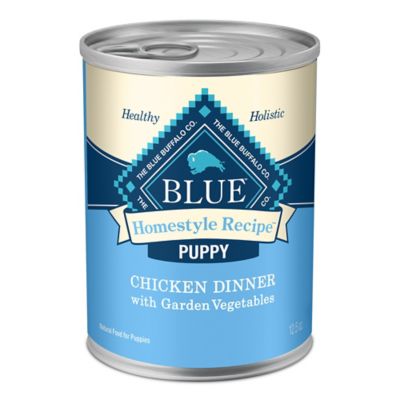
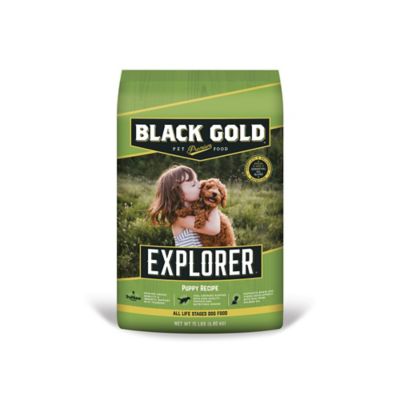
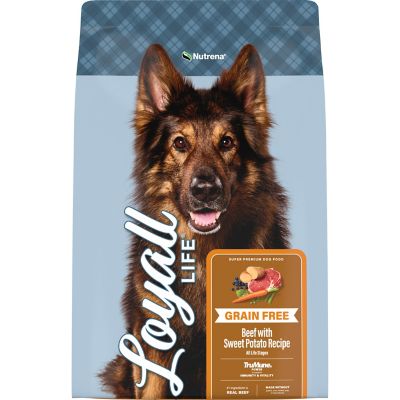
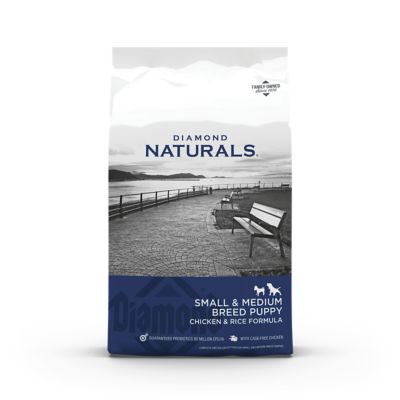
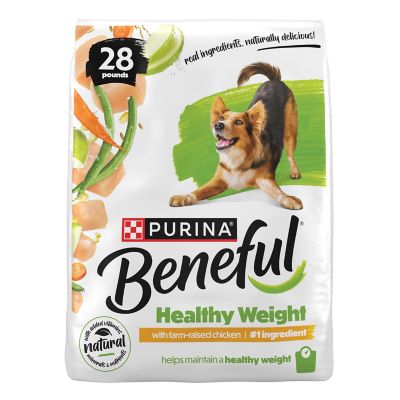
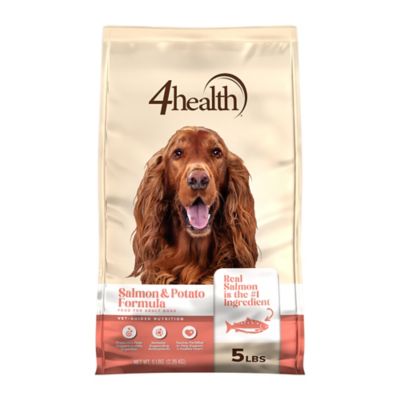
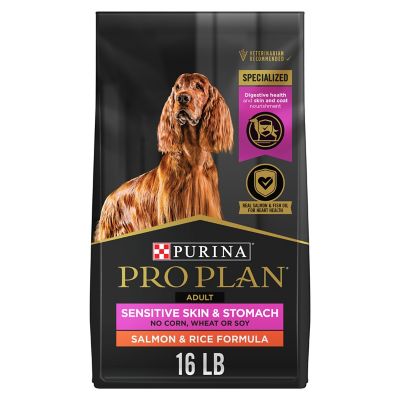
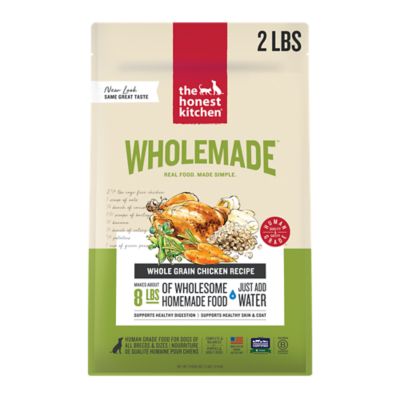
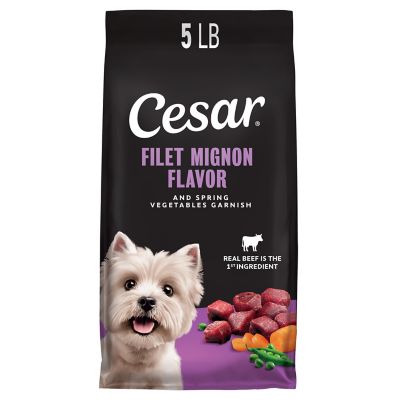
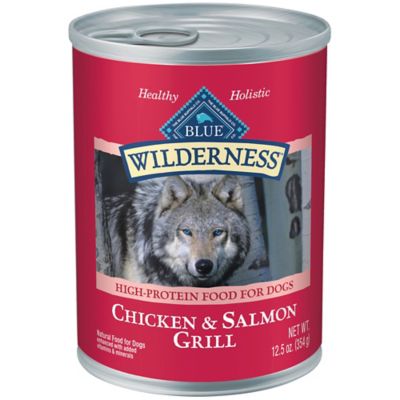
Dog food with DHA is made for pet owners who want to include this important omega-3 fatty acid in a dog’s everyday diet. DHA, short for docosahexaenoic acid, is a building block of the brain, eyes and central nervous system. It is especially important during a puppy’s growth, when the brain and vision are developing quickly, and it may also be a useful nutrient to look for in food made for pregnant or nursing dogs. Many formulas get DHA from fish oil, salmon oil or fish meal, along with other nutrients that help support a complete and balanced diet. If you are raising a pup on the farm, bringing home a new hunting companion or simply watching a family dog grow from a wiggly youngster into a steady adult, a food with DHA can fit naturally into that routine. DHA is not a medicine and does not replace veterinary care, but it is one of the nutritional details worth checking when comparing puppy foods and life-stage formulas. Look at the guaranteed analysis, ingredient list and feeding directions on the bag, and choose a recipe labeled as complete and balanced for your dog’s age, size and condition. Puppy food with DHA is generally made with the higher levels of calories, protein and other nutrients that growing dogs need, while adult formulas are designed to help maintain a mature dog’s daily energy and body condition. Senior dogs may have different nutritional needs, so it is smart to match the food to the life stage listed on the package rather than choosing based on one ingredient alone.
When shopping for dog food with DHA, start with the dog in front of you. A tiny puppy with a fast-growing frame may need smaller kibble and a calorie-dense formula, while a large-breed puppy may benefit from food made with controlled growth in mind. For dogs that spend long days checking fence lines, riding along in the truck or working outside during the cooler months, feeding amounts may differ from those for a mostly indoor companion. Age, activity level, size, body condition and any known sensitivities all play a part. DHA is commonly found in recipes made with fish oil, salmon oil or fish meal, and these ingredients can also contribute omega-3 fats to the diet. Some dogs enjoy fish-based recipes, while others do better with a different protein source, so pay attention to how your dog handles each food. A shiny coat and eager appetite are nice signs, but ongoing itching, digestive upset, changes in weight or a lack of interest in meals deserve a conversation with your veterinarian. Check the label for storage instructions, especially if you keep a large bag in a tack room, mudroom or barn office where heat and moisture can affect freshness. Seal the bag tightly, keep it off the floor and use a clean, dry scoop. When changing foods, mix the new recipe with the old food over several days, gradually increasing the new food. That slow switch can help avoid the loose stools that sometimes follow a sudden change. For shoppers comparing fish-based recipes, our selection of
Dog Food With Fish offers another way to browse formulas that may contain fish ingredients and omega-3 sources.
Dog food with DHA can be a practical choice for households with more than one dog, too, although each dog may need a different formula or portion. A growing puppy should not automatically eat the same food as an adult farm dog, and a smaller companion may need a different kibble size than a big dog that wolfs down meals after a long day outdoors. If you are giving pet supplies as a welcome-home gift for a new puppy, a food made for that puppy’s life stage can be a thoughtful addition alongside bowls, a collar and a sturdy chew toy. It is best to check with the recipient before buying a full-size bag, since puppies may already be eating a specific recipe or may have dietary needs recommended by a veterinarian. For your own dog, measure meals instead of filling the bowl by guesswork, and adjust portions as activity and body condition change through the seasons. Fresh water should always be available, particularly when dry food is part of the daily routine. Keep an eye on the bag’s best-by date and use older food before opening a new bag so every meal stays fresh and appealing. DHA is only one part of good canine nutrition, but it can be a meaningful feature when choosing food for puppies, nursing dogs or families that want omega-3 support included in a complete diet. With the right life-stage formula, careful portions and a steady feeding routine, mealtime can support the bright eyes, growing brains and busy days that make dogs such a big part of life at home and around the homestead.