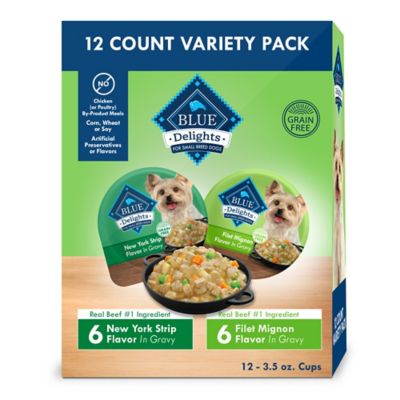
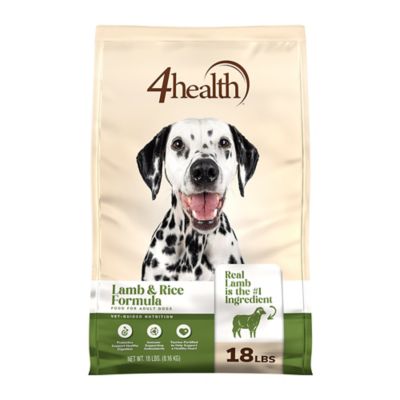
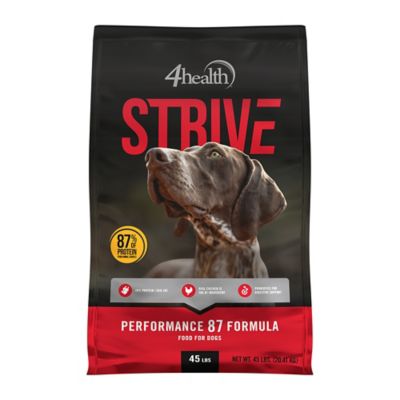
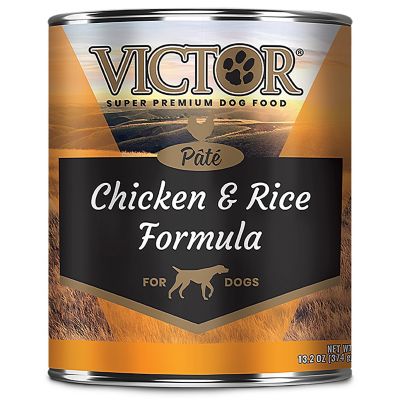
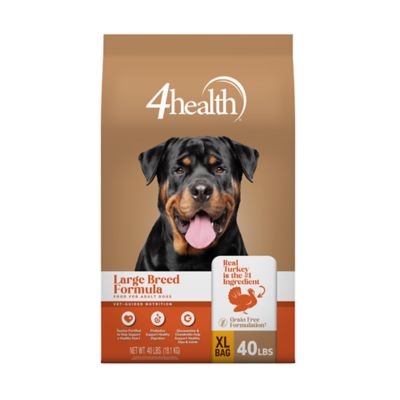
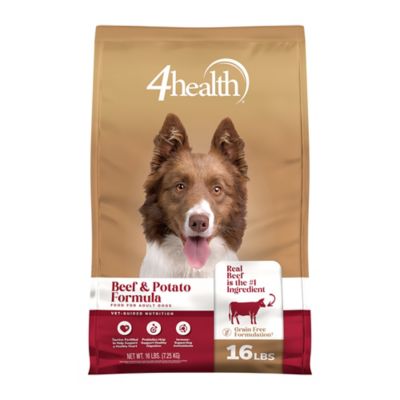
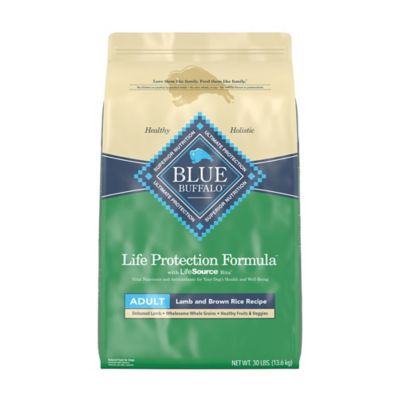
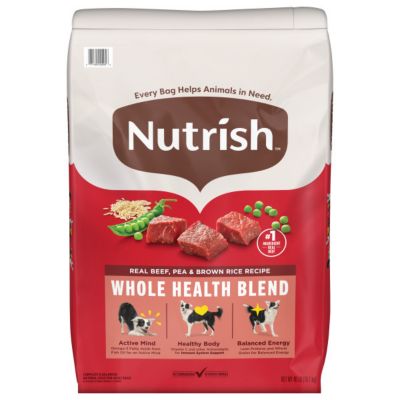
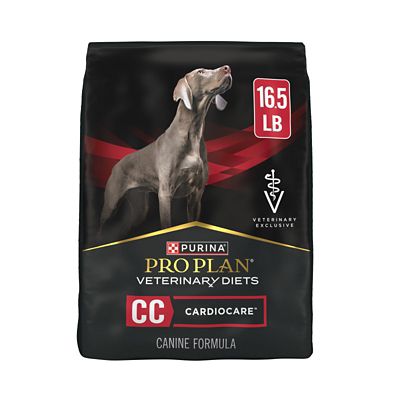
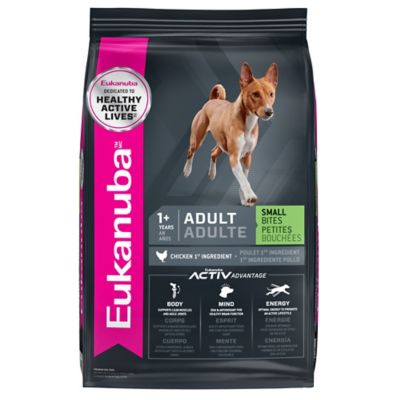
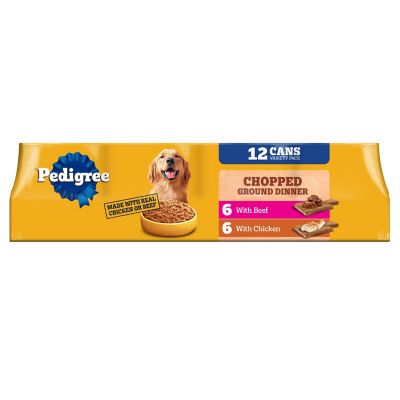
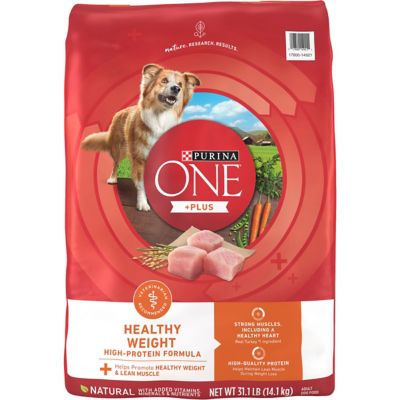
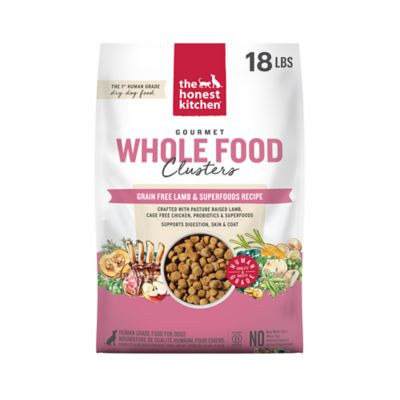
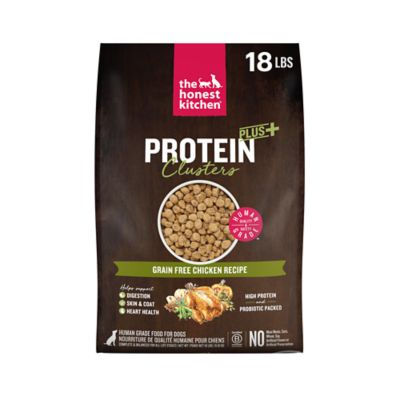
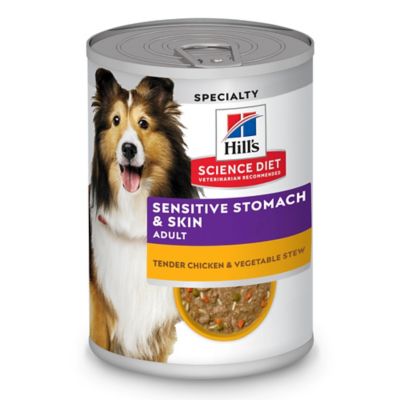
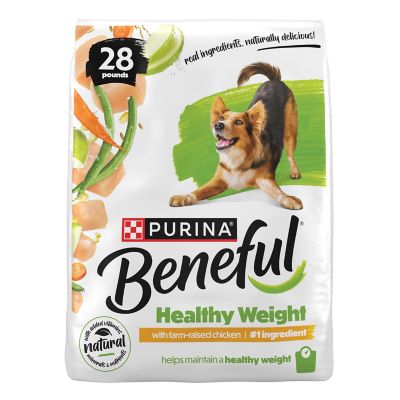
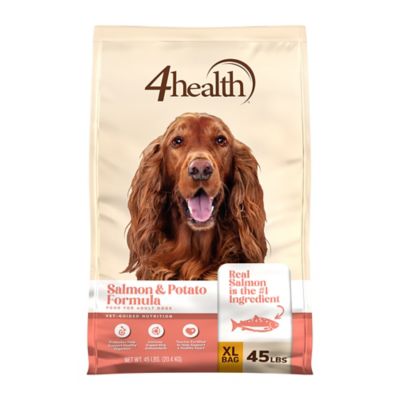
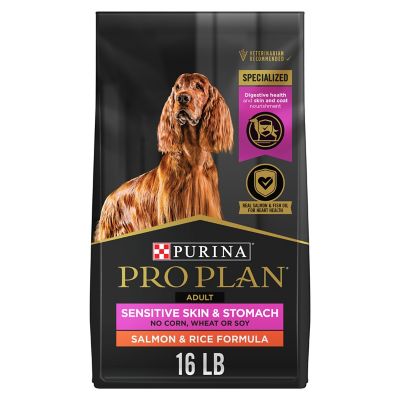
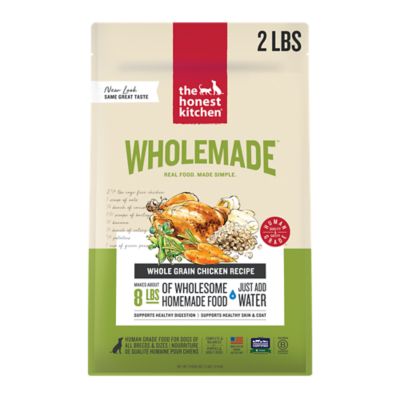
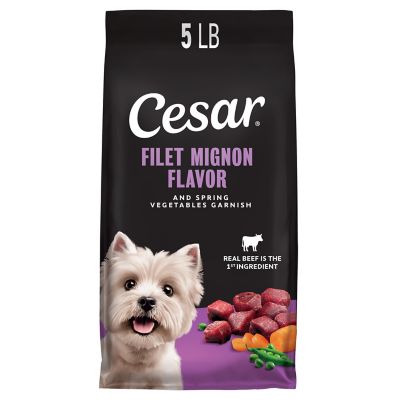
Dog food with vitamins brings essential nutrients into the bowl as part of a dog’s everyday meals. Along with protein, fat, carbohydrates and minerals, vitamins help keep the body’s normal functions running, from maintaining healthy skin to turning food into energy. Vitamin A supports vision, immune function and skin health. Vitamin D helps regulate calcium and phosphorus for healthy bones and teeth, while vitamin E acts as an antioxidant that helps protect cells. B vitamins support energy metabolism and nervous system function, and certain B vitamins also contribute to red blood cell formation. These nutrients matter whether your dog spends the day tagging along for chores, walking fence lines or keeping a favorite spot beside the couch warm. The important distinction is that more vitamins do not automatically make a food better. For most healthy dogs, a commercial food labeled complete and balanced for their life stage supplies the vitamins and minerals they need when fed in appropriate amounts. Look for a nutritional adequacy statement referencing the Association of American Feed Control Officials, or AAFCO, on the package. That statement identifies the life stage the food supports and whether its nutritional adequacy is established through formulation or feeding tests. AAFCO sets nutrient profiles and feeding trial protocols; it does not approve individual dog foods. An ingredient list can tell you where nutrients come from, but the nutritional adequacy statement tells you more about whether the food is intended to serve as a complete daily diet. Vitamins may come from ingredients such as meat, eggs and grains, as well as added vitamin sources that help the finished food meet its nutritional targets. A longer list of added vitamins is not, by itself, a reason to choose one bag over another. What counts is the balance of the whole recipe and how well it fits the dog eating it.
Choosing dog food with vitamins starts with age, size, activity level and any health needs your veterinarian has identified. Puppies need food formulated for growth, and large-breed puppies need particular care with calorie intake and mineral balance as their bones develop. For a puppy expected to reach 70 pounds or more as an adult, check that the nutritional adequacy statement includes growth of large-size dogs. Adult maintenance food is meant for grown dogs rather than growing puppies or pregnant and nursing dogs. Foods labeled for all life stages meet requirements that include growth and reproduction, but their calorie content still deserves a close look when feeding a less active adult. Older dogs do not all need the same recipe, and “senior” does not represent a separate AAFCO nutrient profile. A gray muzzle, a slower walk to the barn and a little extra time getting up are good reasons to reassess feeding with your veterinarian, not reasons to start piling on supplements. Dry food can make daily portions straightforward, while wet food offers more moisture and a softer texture. Either can provide complete and balanced nutrition when labeled for the appropriate life stage. If you serve both, count the calories from both rather than adding a full portion of each. Compare calories per cup or can, package size, feeding amounts and cost per day instead of looking only at the shelf price. A smaller bag may make sense for a small dog or a first try with a different recipe; a larger bag fits a household that can finish it while it is still fresh. Take kibble size and ease of chewing into account, too. The best fit is food your dog can comfortably eat, that agrees with their digestion and that helps maintain a healthy body condition. Consistent stools, a steady appetite and an appropriate weight offer practical feedback between veterinary visits.
Vitamin-fortified dog food is different from a vitamin supplement, and the two are not automatically meant to go together. Adding a multivitamin to an already complete and balanced diet can push some nutrients beyond appropriate amounts. Excess vitamin A or D can be harmful, so supplements should address a specific need under veterinary direction rather than serve as a little extra insurance. Home-prepared and raw diets are not necessarily complete simply because they contain a variety of ingredients; they need careful formulation, ideally by a board-certified veterinary nutritionist. A general supplement cannot be counted on to balance an otherwise unbalanced recipe. Minerals deserve attention alongside vitamins, too. Zinc supports normal skin health, immune function and other essential processes, and
Dog Food With Zinc offers another way to browse foods featuring this essential nutrient. As with vitamins, zinc belongs in the right balance, not in the largest possible amount. When changing foods, make the switch gradually over about seven to ten days, mixing increasing amounts of the new food with decreasing amounts of the previous food unless your veterinarian recommends a different approach. Dogs with sensitive digestion may need more time. Keep treats and meal toppers to roughly 10% or less of daily calories so they do not crowd out complete nutrition. During the cooler months, pay attention to what your dog actually does: a dog spending long stretches working outdoors may have different energy needs than one trading afternoon walks for naps near the stove. Adjust portions to body condition and veterinary advice rather than assuming every dog needs a fuller bowl when temperatures drop. Keep fresh water available, store dry food in its original bag inside a clean, closed container, and follow package directions for refrigerating opened wet food. Those everyday habits help make feeding consistent, whether breakfast happens before the first chore or after a quiet walk down the lane. A well-matched food, sensible portions and regular check-ins with your veterinarian give vitamins their proper place: supporting your dog’s health as part of a balanced daily meal.